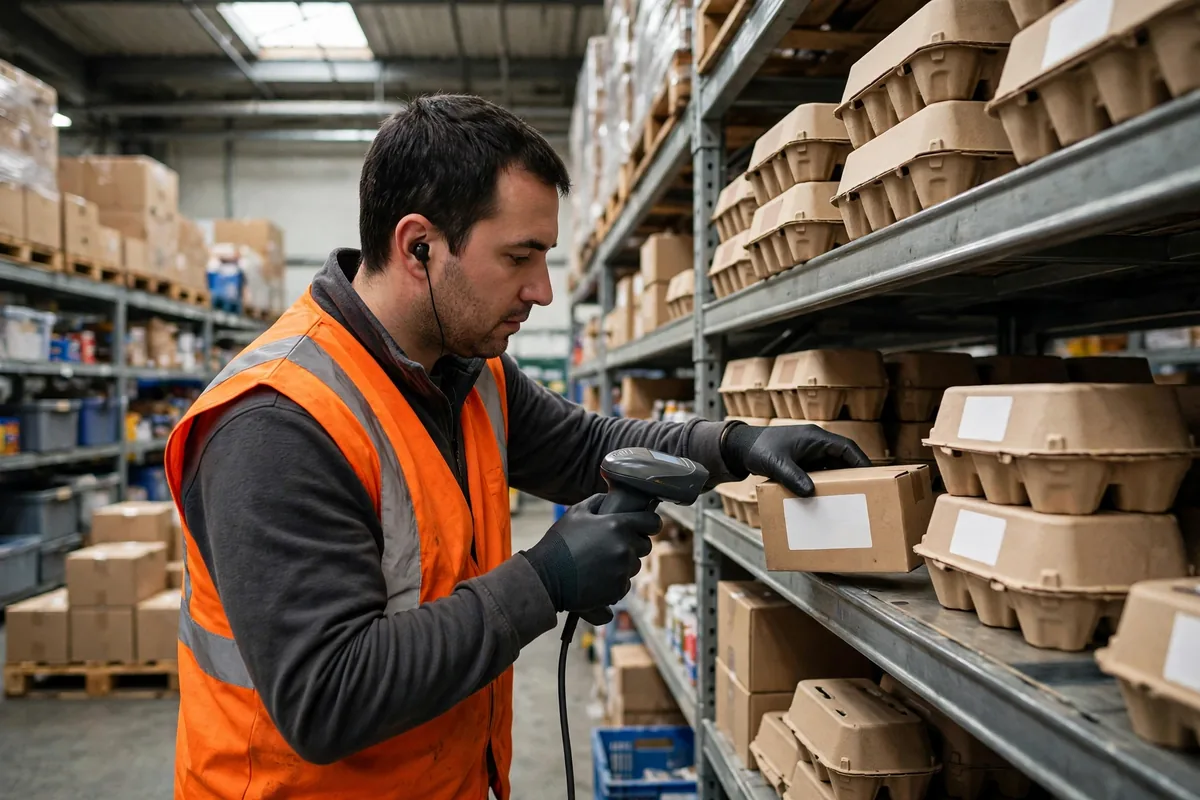
Let me start with the verdict: the wms return to vendor rtv process is the most neglected outbound flow in any warehouse I have walked in twenty years. Inbound has owners. Shipping has deadlines and angry customers. Vendor returns have a corner. Stock goes into that corner, the corner grows, and one day finance asks where the credit is, purchasing says the vendor never received the goods, and the warehouse swears a driver collected them months ago. I have seen that exact three-way argument more times than I care to count.
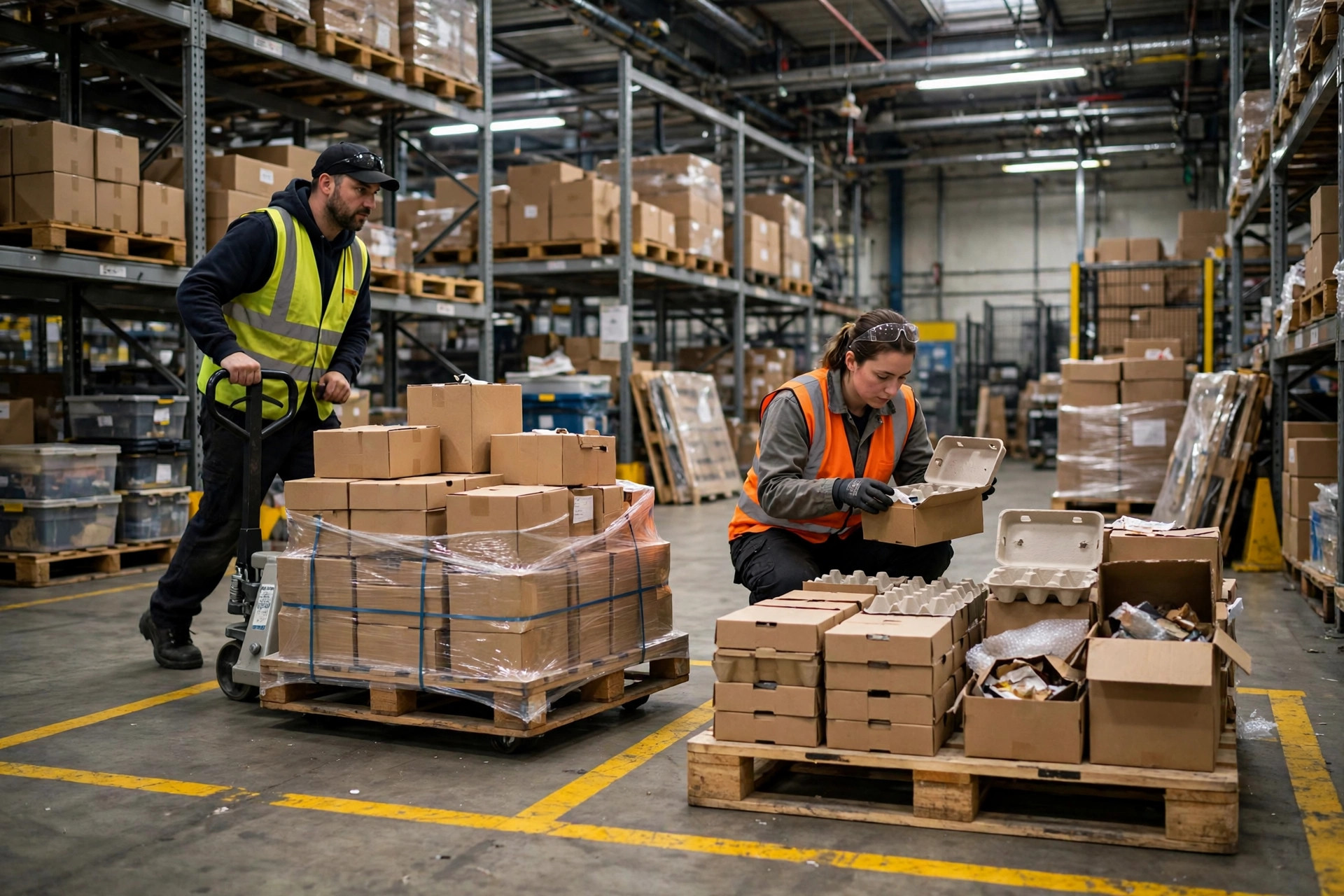
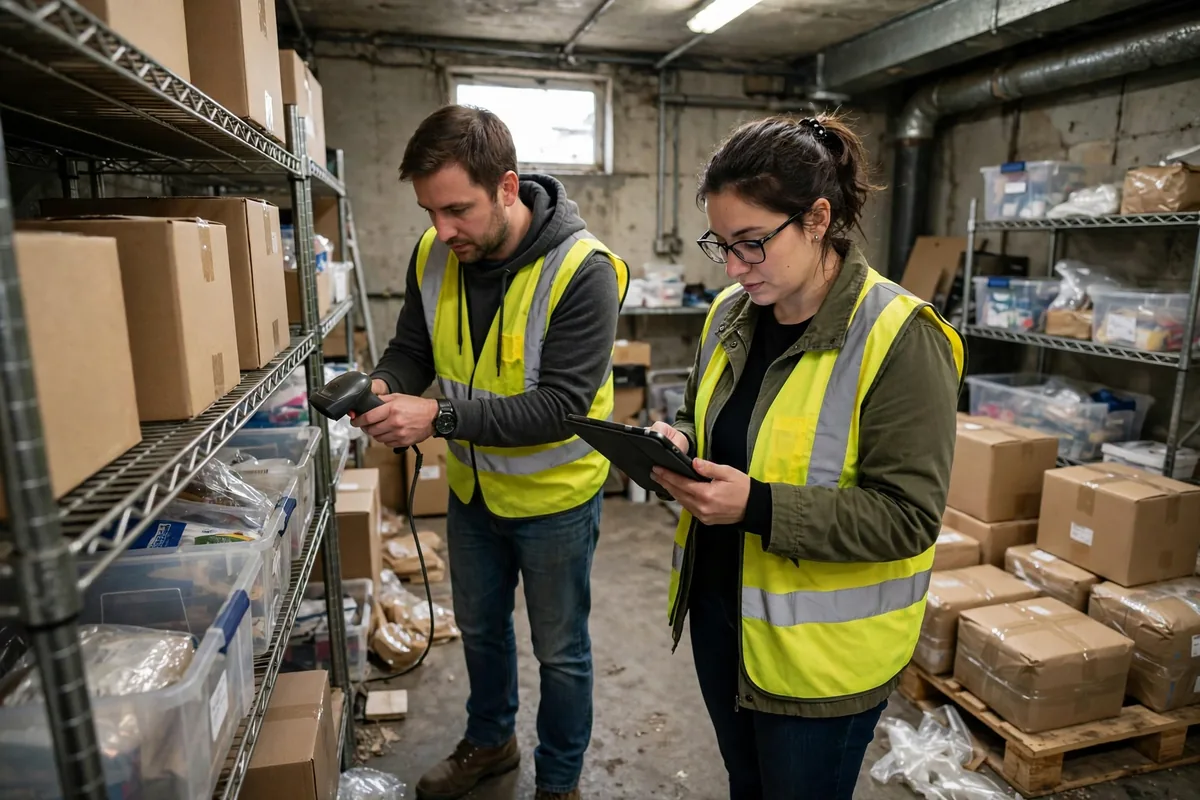
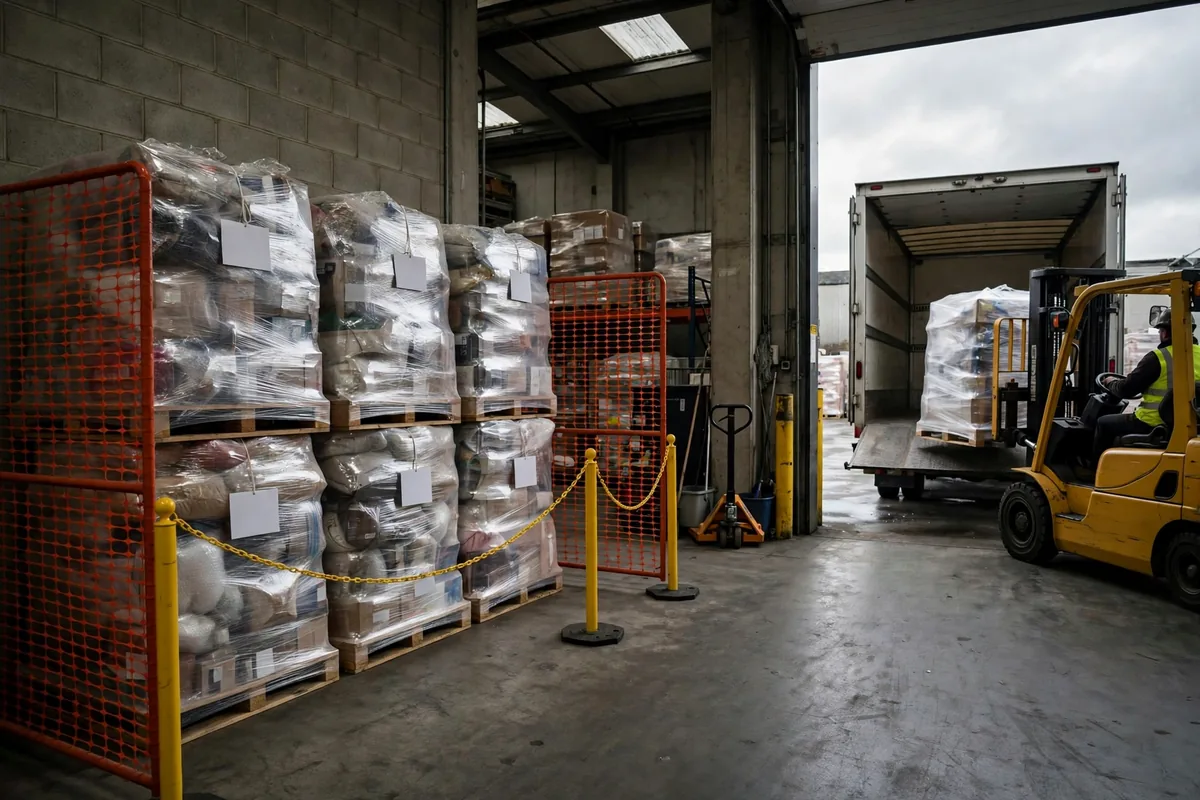
In 2019, in a home-goods warehouse in California, I counted their returns-to-vendor area myself: more than a dozen pallets against the wall, the bottom cartons soft with damp, and a label dated fourteen months earlier. In the system, that shipment still sat at a vague "pending" status. Nobody was lazy. The system simply had no real place for returns to live, so the floor invented one — a corner — and corners do not send reminders.
The wms return to vendor rtv process starts with authorization, not with a forklift
The first step of any return is never moving stock. It is authorization. Without a vendor-issued return authorization, the warehouse packs, labels and stages freight that the vendor is fully entitled to refuse at their dock, and refused freight comes back at your expense. The rule I now insist on is blunt: no authorization number in the system, no staging, no exceptions. An authorization record needs three things before a single carton moves — the authorization number, the approved line items and quantities, and the window in which the vendor will accept delivery. Missing any one of the three, the warehouse sends the request back. That is not the warehouse being difficult; it is the warehouse saving everyone else a month of argument.
After authorization comes inspection and staging, and here is the counter-intuitive part: keep the RTV staging area away from the shipping dock and next to returns, but fenced off as its own locations in the system, never mixed with customer returns. Customer returns are your inventory coming home. Vendor returns are money leaving the building. Mix the two physically and every stock count becomes negotiable. Each staged pallet gets a status card a person can read from three metres away: authorization number, carton count, date staged, and the name of whoever staged it. Systems are wonderful, but on a busy floor the first control is always what the eye can see.
The wms return to vendor rtv process fails on statuses, not on trucks
People blame carriers for RTV delays. In my experience the break is almost always a missing status. Goods are ready but nobody notified the vendor; the vendor sent a driver but the warehouse cannot find the right pallets; the pallets left but nobody recorded proof. Each break is a place where the workflow should have moved to a named state and did not. We fixed six statuses into the workflow, and none of them can be skipped:
| Status | Trigger | Owner | Watch-out |
|---|---|---|---|
| Authorized | Authorization number and lines entered | Purchasing | No authorization, no order |
| Picking | Pick, inspect and pack to the authorized lines | Warehouse | Escalate if not ready in the agreed window |
| Awaiting pickup | Pallets staged, vendor notified | Warehouse | Chase the vendor if no reply follows |
| Collected | Driver signs, proof of collection filed | Warehouse + carrier | Proof must be filed the same day |
| In reconciliation | Proof and lines passed to finance | System hand-off | Clock starts for the aging report |
| Closed | Credit received and matched | Finance | Anything unclosed stays on the aging report |
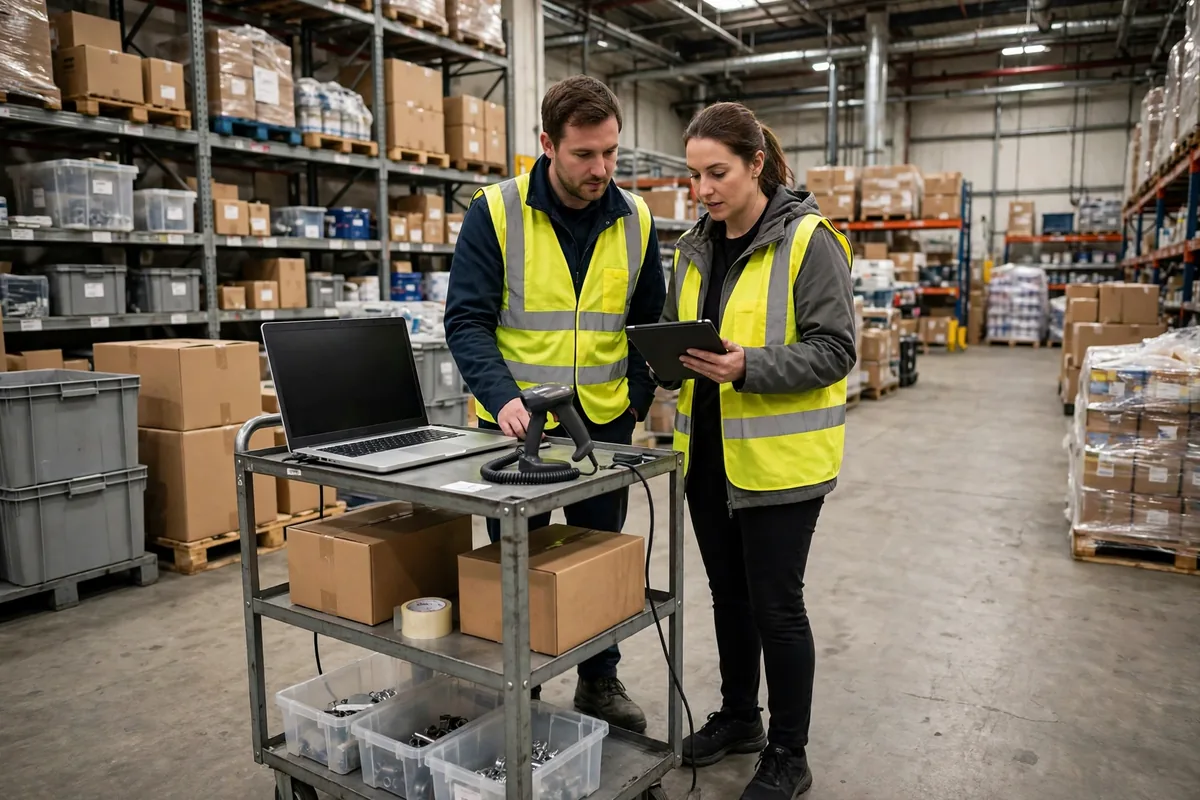
Keep the mandatory fields few and hard. Ours are: authorization number, vendor, line quantities, staging location, proof-of-collection reference, and expected credit value. That last field draws the most complaints, and it is the one I defend hardest. The expected credit is the anchor for reconciliation. Without it, finance receives a credit memo and has no idea whether the amount is right, so every credit triggers a dig through old purchase orders. Slow RTV reconciliation usually starts right there, not in the warehouse. Everything else — reason codes, notes, photos beyond the collection proof — stays optional. Make too many fields mandatory and the floor starts typing nonsense just to move the screen along, and invented data is worse than no data.
Proof of collection is the other lifeline. The signed collection note and a same-day photo of the loaded pallets must be attached to the order on the day of pickup. Leave it a week and the paper is gone. I learned this the expensive way around 2016 in an electronics accessories warehouse: the vendor insisted they had collected eight pallets, we insisted it was ten, and with no signed proof to produce we settled on eight. Since then my rule is simple — an order cannot leave "awaiting pickup" until its proof is filed. A system that blocks you is annoying. Money that walks away is worse.
Aging and credit: RTV money is recovered by chasing, not by waiting
A collected pallet is not the end of the job. It is the start of reconciliation. The vendor receives, inspects and issues credit on their own timetable, and an unchased credit sits at the back of their queue. So run RTV like receivables: an aging report bucketed by days spent in reconciliation, normal flow in the first bucket, purchasing chasing in the next, and both sides' managers involved when it drags further. Set the bucket thresholds from your own vendors' real cycle times rather than copying anyone else's numbers, and for contractual terms rely on your agreement and the vendor's latest published policy — I am describing a management method here, not quoting anyone's terms.
An illustrative example calculation, not any company's real figures: picture a warehouse raising twenty RTV orders a month at a moderate average value per order. Cutting the average time from collection to cleared credit from ninety days to forty-five means roughly half a month's worth of return value is permanently back in the bank instead of sitting in a vendor's queue. For a small company watching cash, that is not an accounting nicety. It is next month's rent arriving on time.
So here is my closing question for you: how many pallets are sitting in your RTV corner right now, and what status does your system honestly show for each of them? Walk down there before your next shift ends and count. If the answer embarrasses you, the problem is not your people. It is that this flow was never built — and now you know how to build it.
By Lao Mi, Supply Chain Veteran (20 yrs)