My take on Temu's US local stores, up front: this isn't a product-selection game anymore. It's a fulfillment game. Sellers who can stage inventory in the US and hit the delivery clock win the traffic. Sellers still shipping from Shenzhen after the order lands don't even get a ticket.
I've watched this movie before. Early in 2024, I helped a small team in City of Industry, California look at their numbers. They had listed a small home-goods item on Temu's local stores, orders quadrupled in three days — and then late-shipment flags and returns blew up together, and the account got throttled. The product was fine. The warehouse operation wasn't ready.
The rule of local stores in one sentence: inventory sits in the US before the order exists, ships locally when it lands, and the delivery clock is measured in days. That's a completely different business from Temu's original fully-managed model, where goods shipped from China and sellers carried almost no inventory pressure.
Stop betting on "ship it when it sells": pacing your forward stock
The biggest trap is carrying the fully-managed mindset into local stores. In the old model, inventory sat in China, you shipped after the order, and the platform absorbed the logistics. Local stores flip it: you move goods into a US warehouse first, tie up cash in stock, and pay for storage. Once sellers do that math honestly, many realize they were never ready for local stores at all.
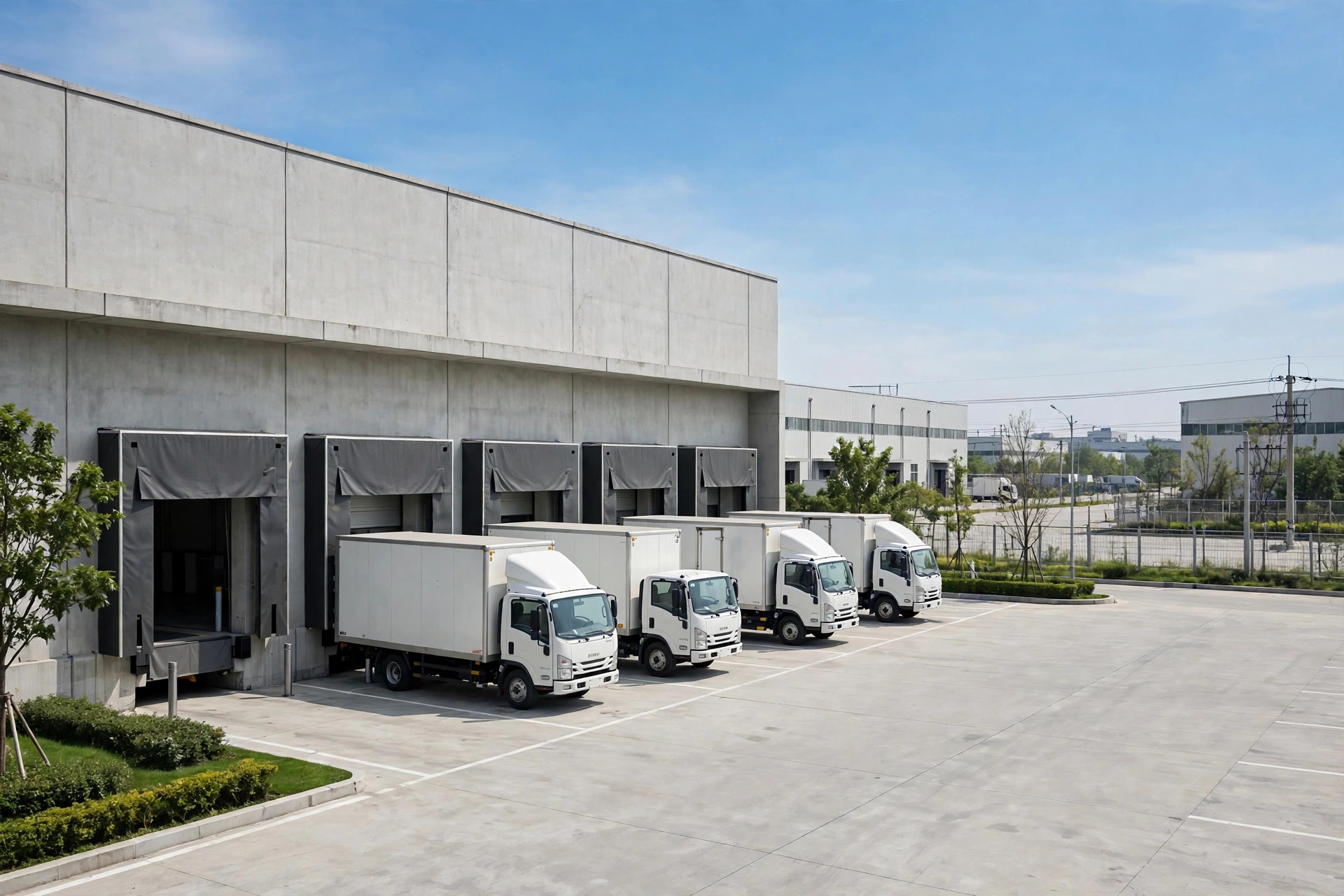
My advice is blunt: size your first shipment on what you actually expect to sell, and err on the small side with fast replenishment — never press three months of stock on a guess. An ocean container from Ningbo to Los Angeles, with customs clearance and drayage, takes three to four weeks when things go smoothly. That's your replenishment lead time. Build safety stock to cover one full lead time plus a week of buffer. For SKUs that take off, the second shipment should leave before the first sells out. Sounds obvious, and yet this is exactly where I see most people get stuck — the listing gains momentum, stock runs out, and the ranking collapses.
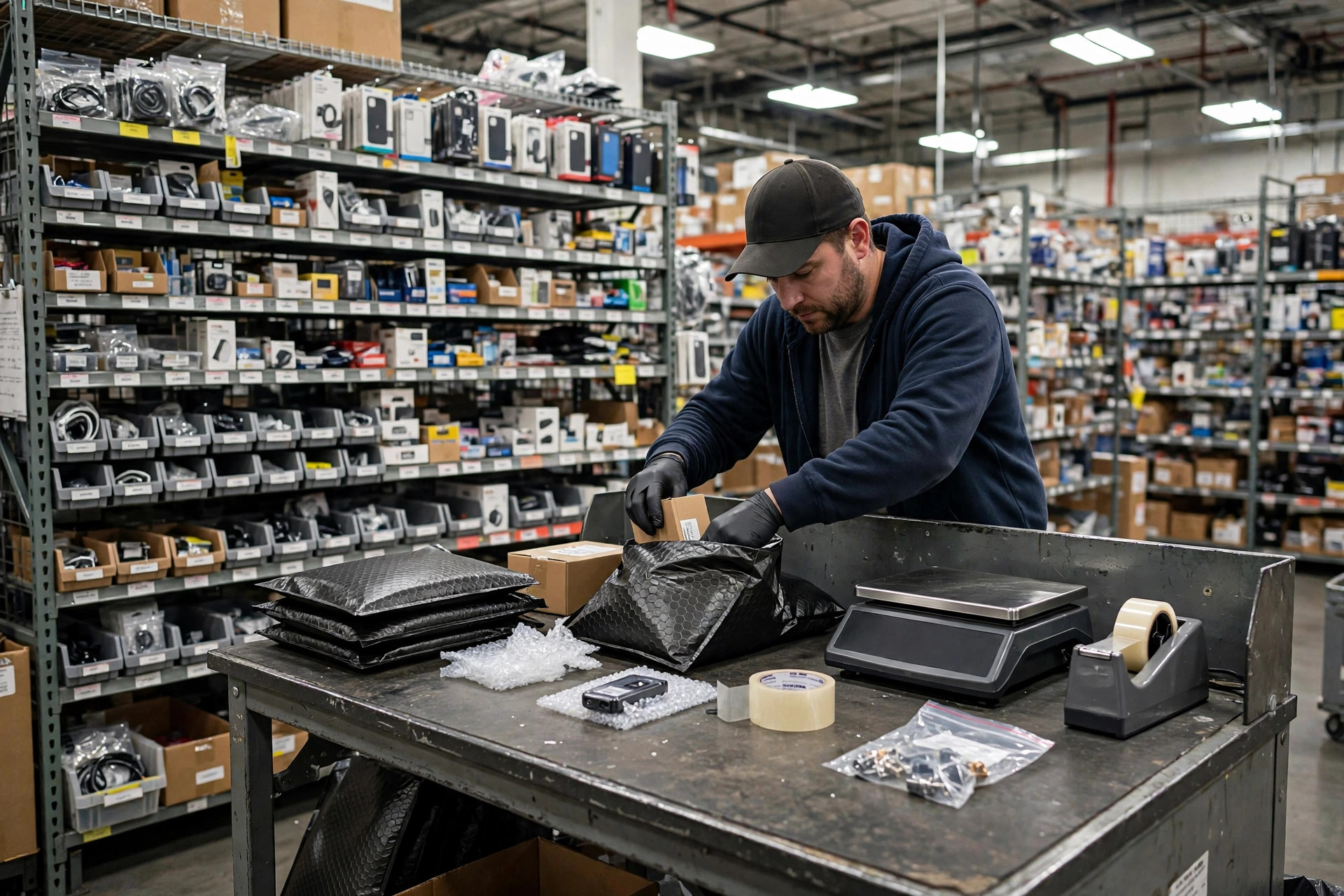
Small sellers starting out have two paths: self-fulfillment and a US third-party warehouse. Self-fulfillment fits the early stage — few SKUs, low volume, packing out of a garage or a small office. Cheapest option, until volume breaks it: one person can pack two or three hundred orders a day, and beyond that you get errors and delays. A 3PL fits once you've proven volume — per-order pricing, no fixed cost of a lease or headcount. My rule of thumb: once monthly volume holds above a thousand orders, stop packing yourself. What you save on packing won't cover one late-shipment traffic hit.
The clock is the barrier: what late shipment really costs
Temu holds local-store sellers to a tight fulfillment clock, and the whole chain from order to delivered door is scored. The exact ship-by and delivery windows have been adjusted more than once, so I won't quote numbers here — check the latest published policy. The direction is unambiguous: faster, and consistently fast. Being fast once in a while buys you nothing.
Late-shipment penalties range from suppressed visibility to chargebacks, and the specifics live in the current policy as well. The cost I want you to think about is the quiet one: slow stores get less exposure from the algorithm. Traffic is that blunt — you miss the clock once, your ranking slides, and climbing back costs multiples of what you saved. Most sellers never do this math, and it's more expensive than any penalty.
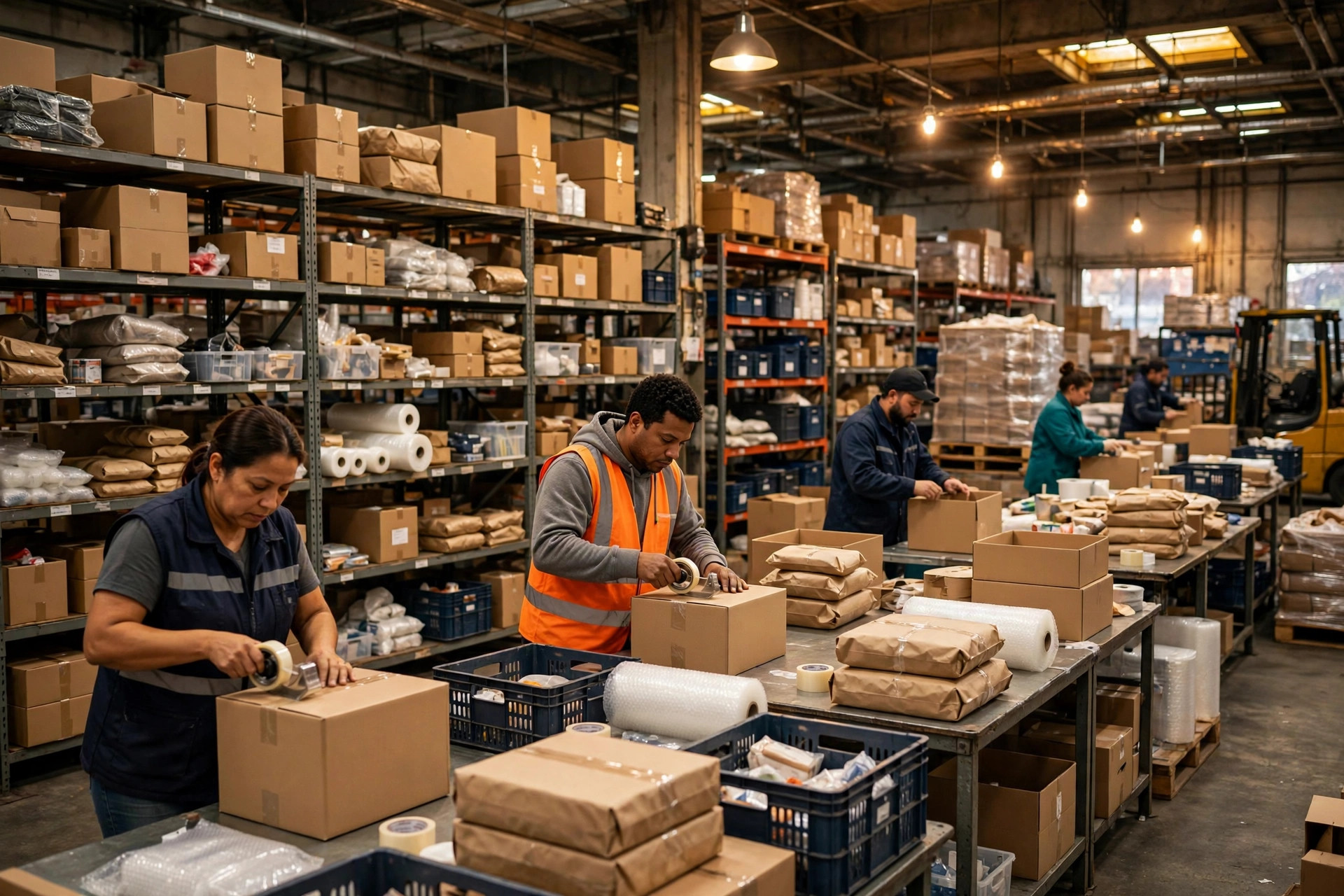
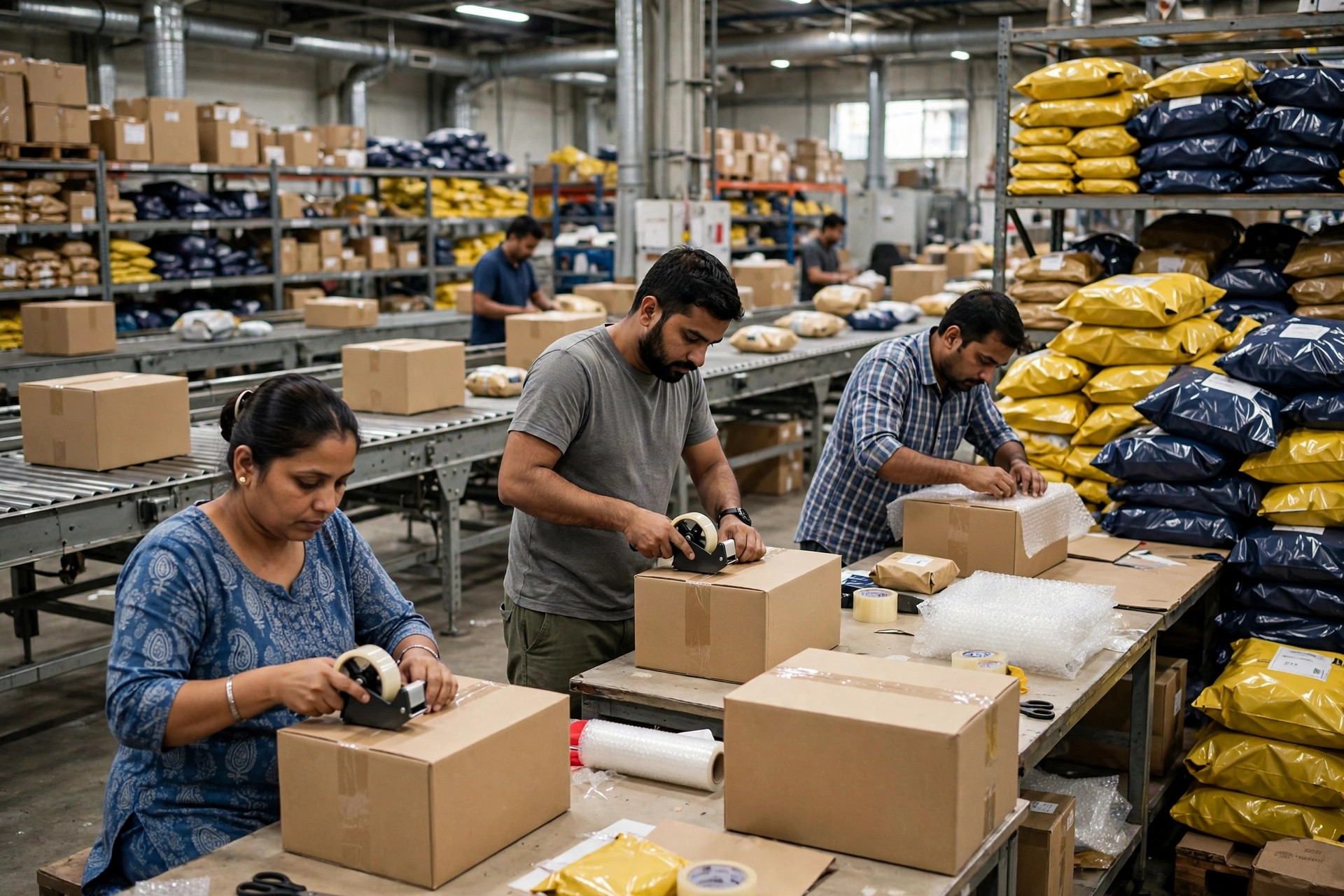
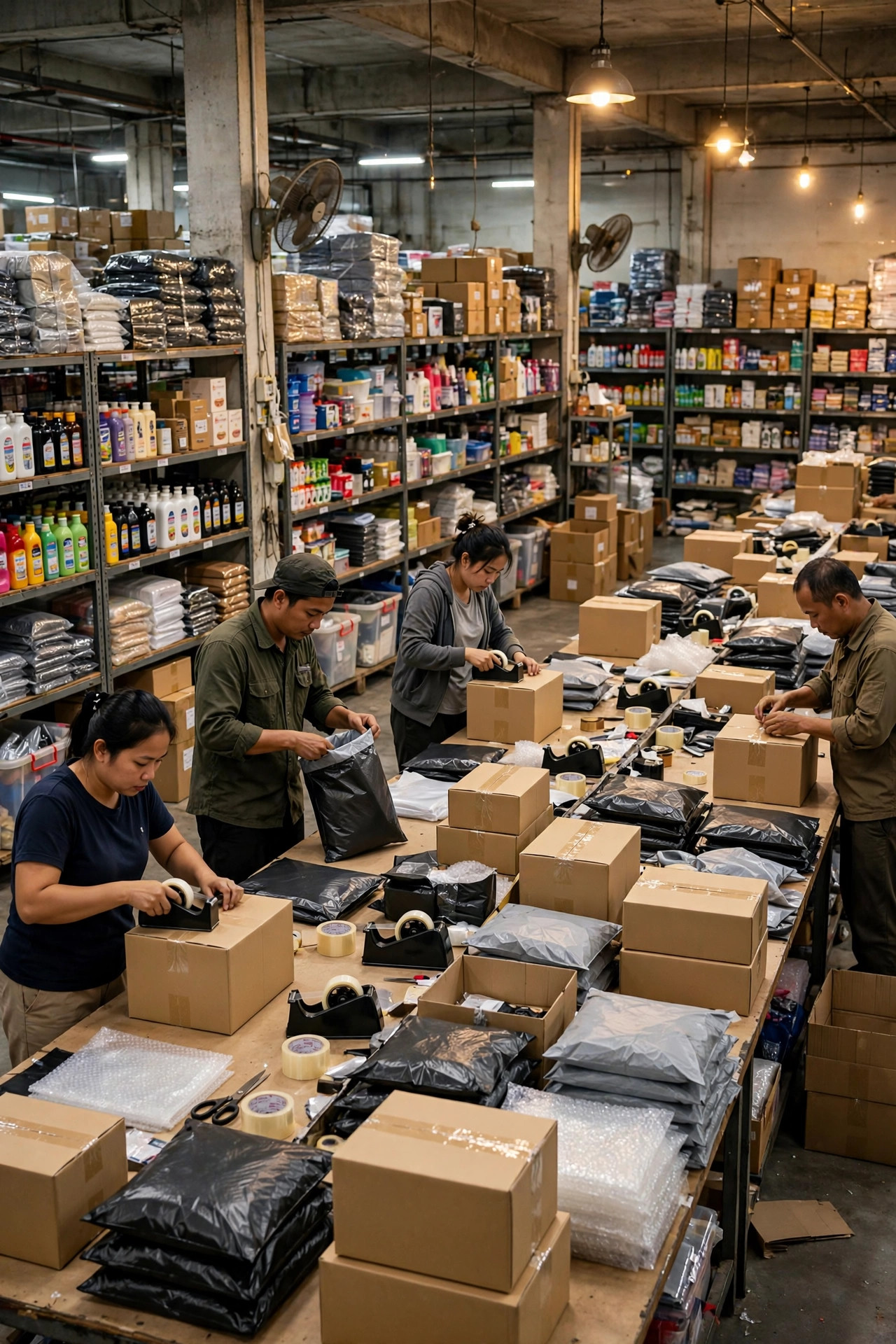
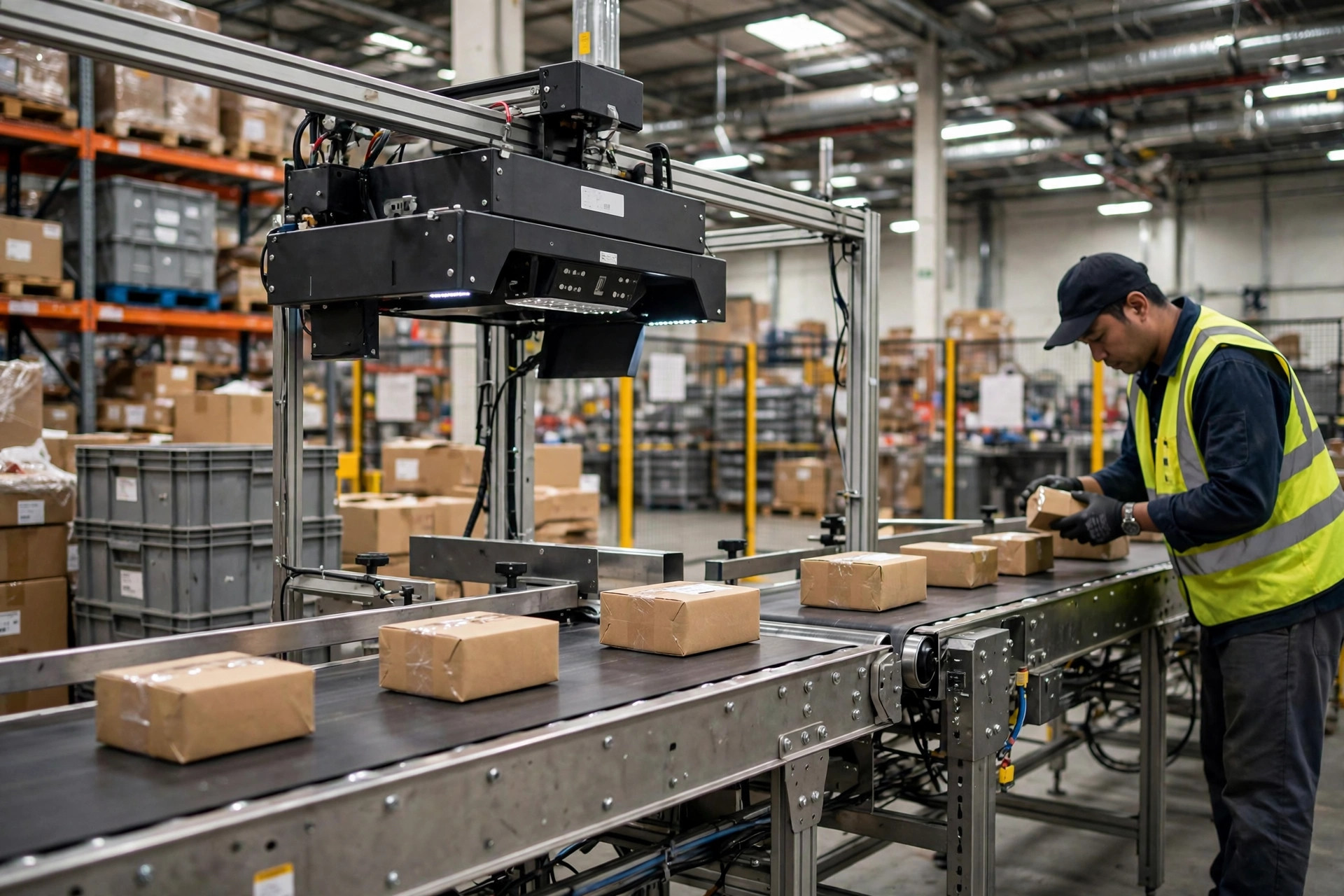
So the warehouse operation has to nail three things. Orders that come in today ship today — nothing sits overnight; that's the floor. Label printing, picking, verification, and packing run as a line, not one person doing everything start to finish; the finer the division of labor, the fewer the errors. Carrier pickups run on fixed windows, ideally twice a day, morning and afternoon, timed against cutoff. I've seen a 3PL in Ontario, California do this well for local-store sellers — packing stations split into pick, verify, and pack, a low mis-ship rate, and on-time performance that never wobbles.
Returns: plan for them before they bury you
Local-store returns come back domestically, into your US warehouse. That's nothing like the old days, when returns were mostly handled upstream in China and sellers barely felt them. With local stores, the returns land on your desk.
There are three paths: resellable units get inspected and restocked; lightly defective ones get cleared at a discount; dead units get scrapped. The key is processing returns fast — I've seen returns sit untouched for two months until nobody could tell what was sellable and what should have been tossed, while storage fees kept ticking.
At small scale you can handle returns yourself. At volume, negotiate return-processing rates with your warehouse up front — inspection, restock, and disposal fees all in the contract before the first invoice, not argued over afterward. Return-handling fees are the line item most sellers ignore at signing, and the one that stings most when the bill arrives.
Three concrete moves for beginners
First, test the water with one or two SKUs, not the whole catalog. Pick small, light, unbreakable items with low return rates — logistics cost and support load stay manageable. Get the fulfillment chain running smoothly, then expand.
Second, replenish in small, frequent batches. Ocean freight sets the baseline, air freight is the emergency lever: routine restock by sea, air in a batch when something pops, so a stockout doesn't kill the listing's momentum. Air is expensive, but it's usually cheaper than the ranking damage of going out of stock.
Third, treat fulfillment speed as part of the product. Check ship-on-time and delivery numbers daily; when they dip, find the cause the same day — short-staffed in the warehouse, a late carrier pickup, a jammed label printer. Speed is easy to lose and hard to win back; by the time you notice the ranking dropped, you're usually two weeks late.
The local-store opportunity is real, but it only pays sellers whose warehouse operation is ready. A delivery promise is a stress test of fulfillment capability — twenty years in, that line has never failed me. Product selection decides how fast you can run; fulfillment decides how far.