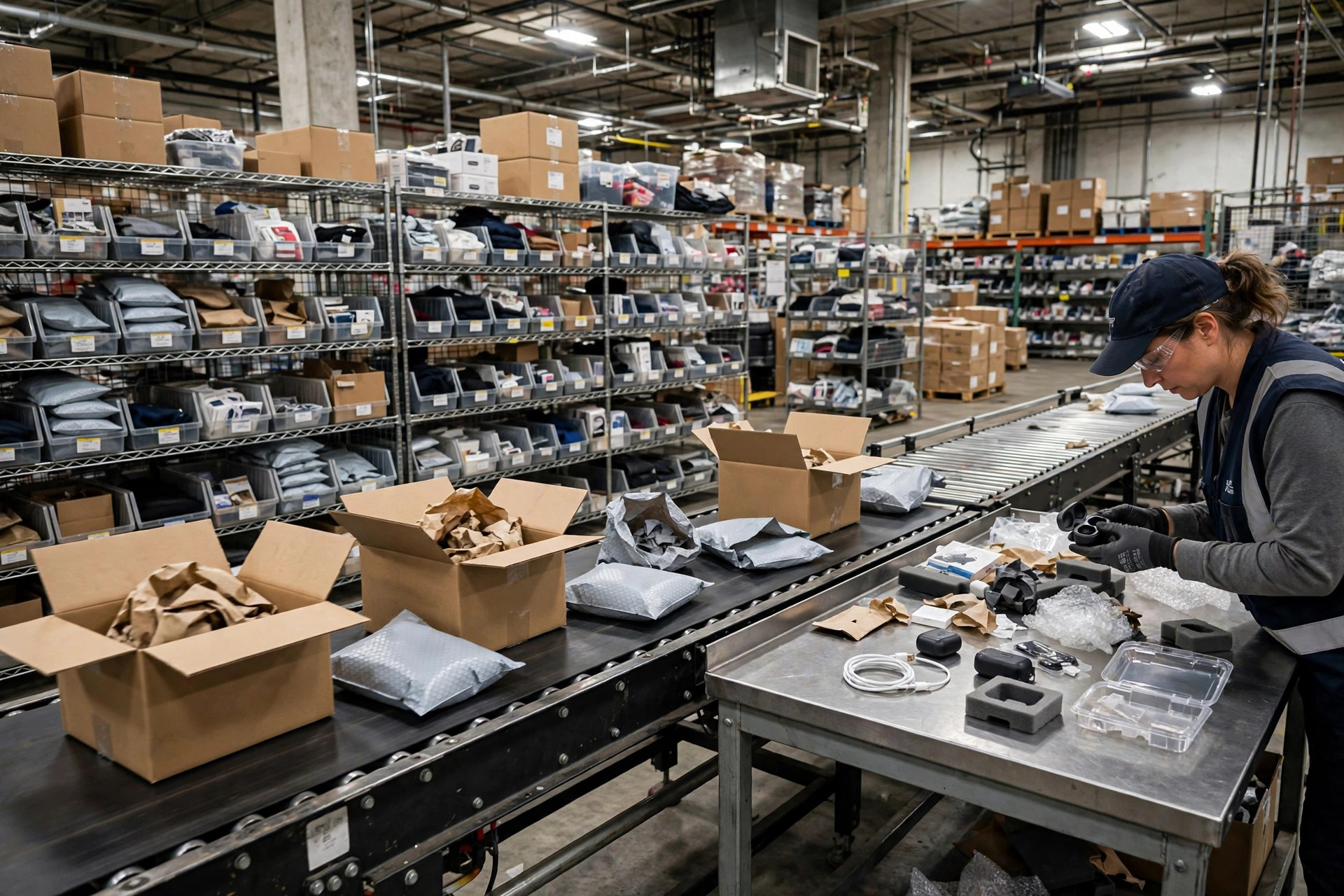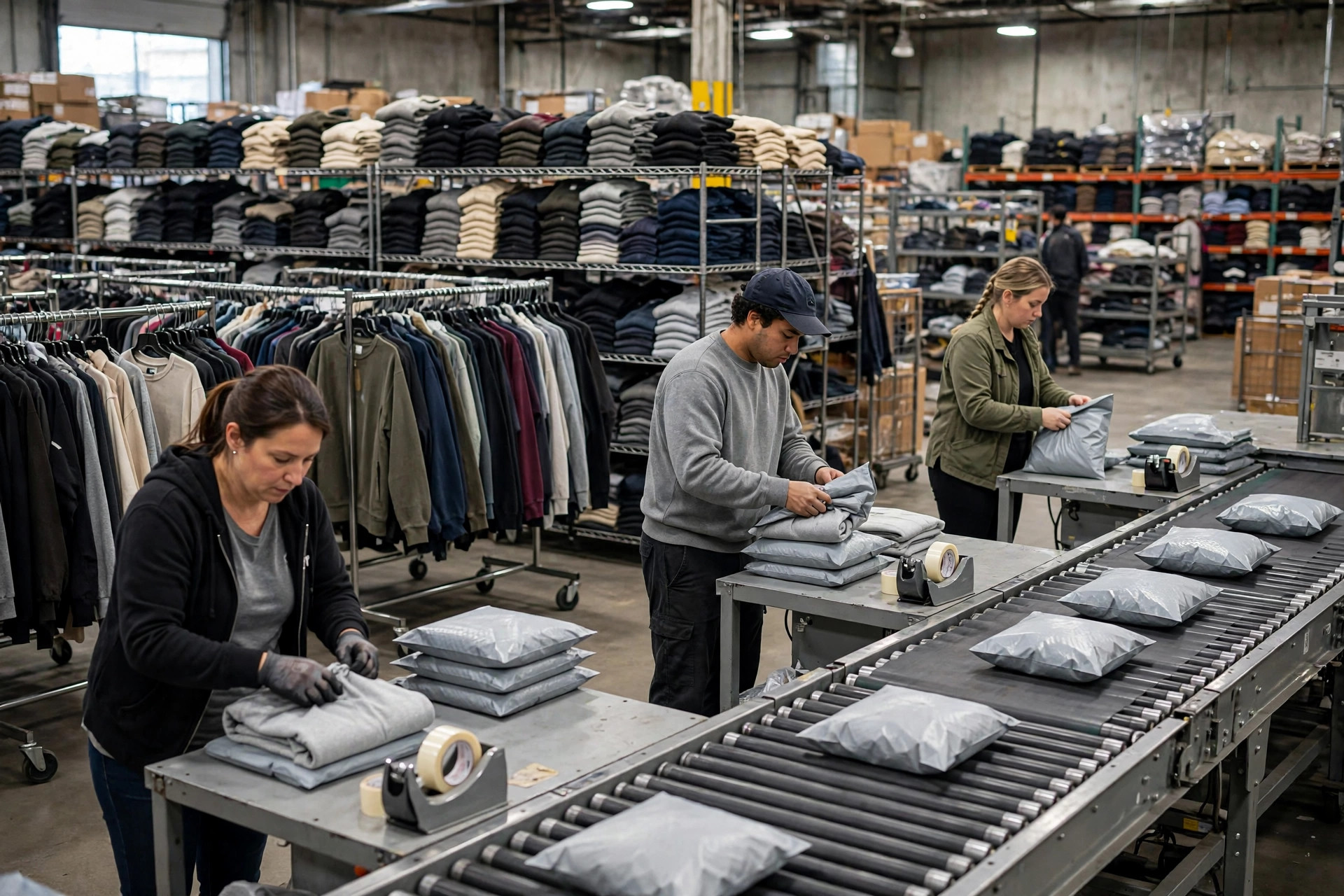
SHEIN and Amazon both give shoppers 30 days to return. That is where the similarity ends. The NRF puts the average US e-commerce return rate at 19.3% for 2025; a June 2026 Your Retail Coach study puts online apparel at 20-40%, with some fast-fashion segments sending back more than half of all orders. Ship 10,000 units of general merchandise through FBA and single-digit returns are a reasonable expectation. Ship 10,000 units of apparel through SHEIN's marketplace and 25% coming back is a normal Tuesday. That gap — 15 points or more — is the difference between needing a corner of your warehouse for returns and needing a second warehouse.
Inbound: cadence beats volume
Start with what SHEIN's US network actually looks like. After the US ended de minimis treatment, SHEIN split into a hybrid model: bestsellers ship from US warehouses with duties paid upstream, while long-tail items still ship from China with the tariff shown at checkout. In September 2026 SHEIN opened a 737,000-square-foot automated distribution center in Lebanon, Indiana; combined with its Whitestown facility dating to 2022, the company now holds more than 2.5 million square feet in Indiana alone, plus distribution capacity in California and third-party partners. Impressive — until you read the other number. Marketplace Pulse, citing SHEIN's IPO prospectus, reports that more than 90% of the company's 2025 net revenue still shipped from central warehouses in China. The platform itself is mid-transition. Plan your inventory as if the US warehouses are bestseller hubs, not a second FBA national network.
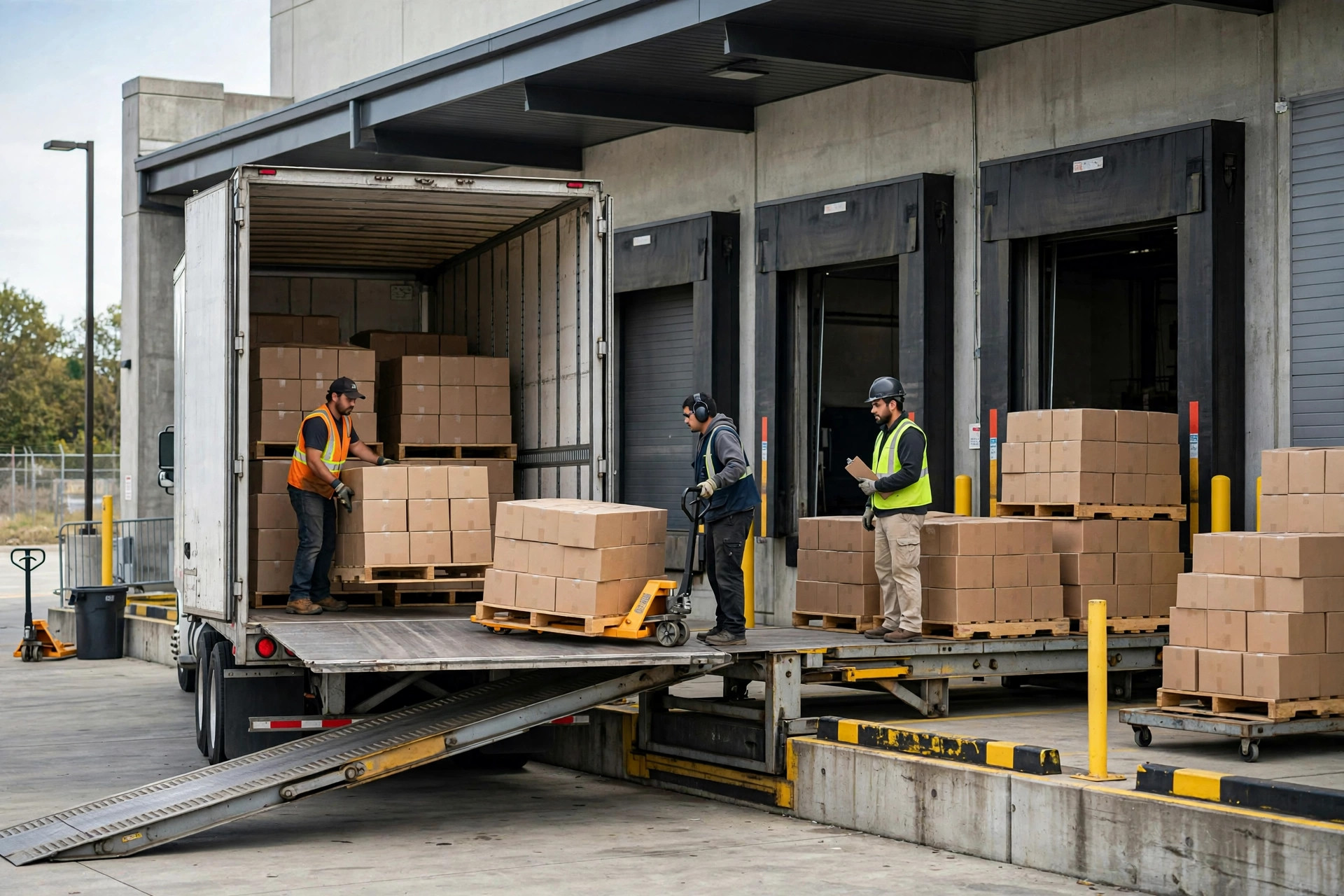
So the first rule of inbound: small batches, high frequency. Cadence matters more than any single purchase order. The classic FBA move — send three months of safety stock in one shot — is suicide here. SHEIN tests styles fast and kills them faster; a style's life cycle can be six to eight weeks, and inventory you bought by the quarter will miss its own clearance window. The sellers I've watched get crushed by the returns-plus-seasonality double hit almost always sent a full container on the first order.
The formula: first order quantity = forecasted daily sales × (inbound lead time in days + 10-15 day buffer) × (1 + return rate). That last multiplier is what FBA veterans forget. At a 25% return rate, a quarter of what you ship comes back and sits in your inspection-and-relist pipeline — you have to carry it in transit and on the shelf. Use your forwarder's real numbers; as rough experience-based references, air runs 7-10 days, expedited ocean 18-25, standard ocean 30-40.
Send the first order by air or expedited ocean in a small batch. Sell for 7-14 days. Validate real sell-through and the real SKU-level return rate before you commit to ocean freight in volume. During validation, watch exactly two numbers: daily sales and return rate by SKU. A style running above 30% returns doesn't need a bigger reorder — it needs a better size chart. Poor fit drives roughly 53% of apparel returns, per that YRC study. No returns warehouse can fix a broken product page.
Returns math hits different here
SHEIN's official policy: most items returnable within 30 days of delivery; third-party sellers may set longer or shorter windows, so check the product page and your order history; the first return on an order is free, additional returns cost $7.99 deducted from the refund; and there is a Fair Use policy against abuse. Details change — go by the platform's latest published policy. Amazon's window is also 30 days. The policies look alike. The economics don't.
Three reasons. First, the average order value is brutally low. An $8 top and a $12 dress are normal on SHEIN, while YRC puts the cost of processing a single return at $10-$65. Your share of that is warehouse labor, inspection, repackaging, and storage. Send back an $8 top and the handling alone can eat its entire margin. Second, recovery is poor. Only 48% of returned goods resell at full price, and a 25% return rate can erase up to 70% of contribution margin, per YRC. Third, shoppers buy in bulk and return in bulk. The NRF found 51% of Gen Z shoppers buy multiple apparel sizes intending to keep one; YRC attributes 30-40% of online clothing returns to this buy-many-keep-one behavior. SHEIN's core customer is exactly that shopper.
My verdict: if your category runs above 30% returns and you're still shipping direct small parcels from China, you're working for the logistics company. Either move to US-based stock with fast turns to shrink the return radius, or don't play in the category. Whatever you save on inbound freight, you'll pay back double in return shipping.

Your returns warehouse: refurbish or scrap
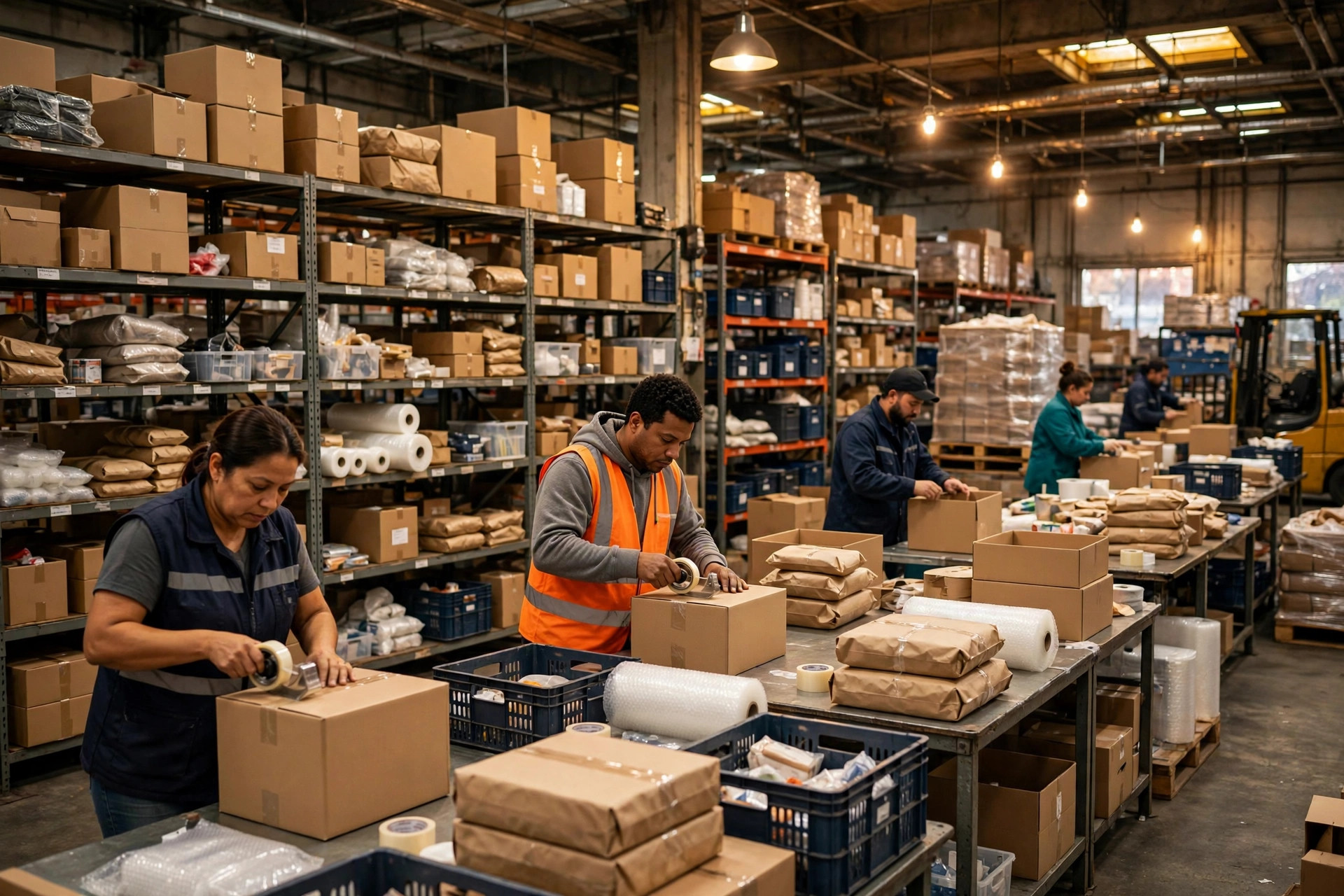
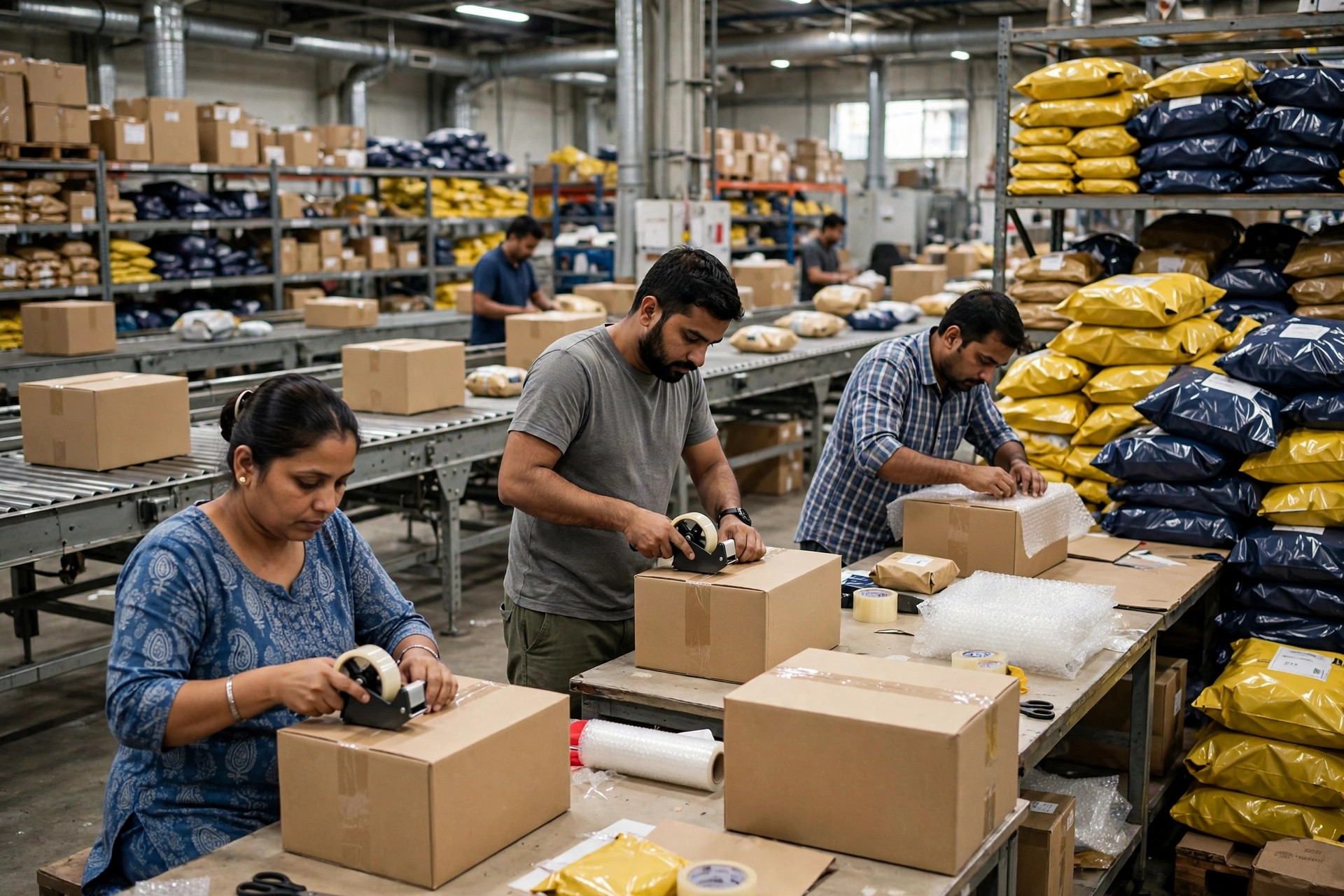
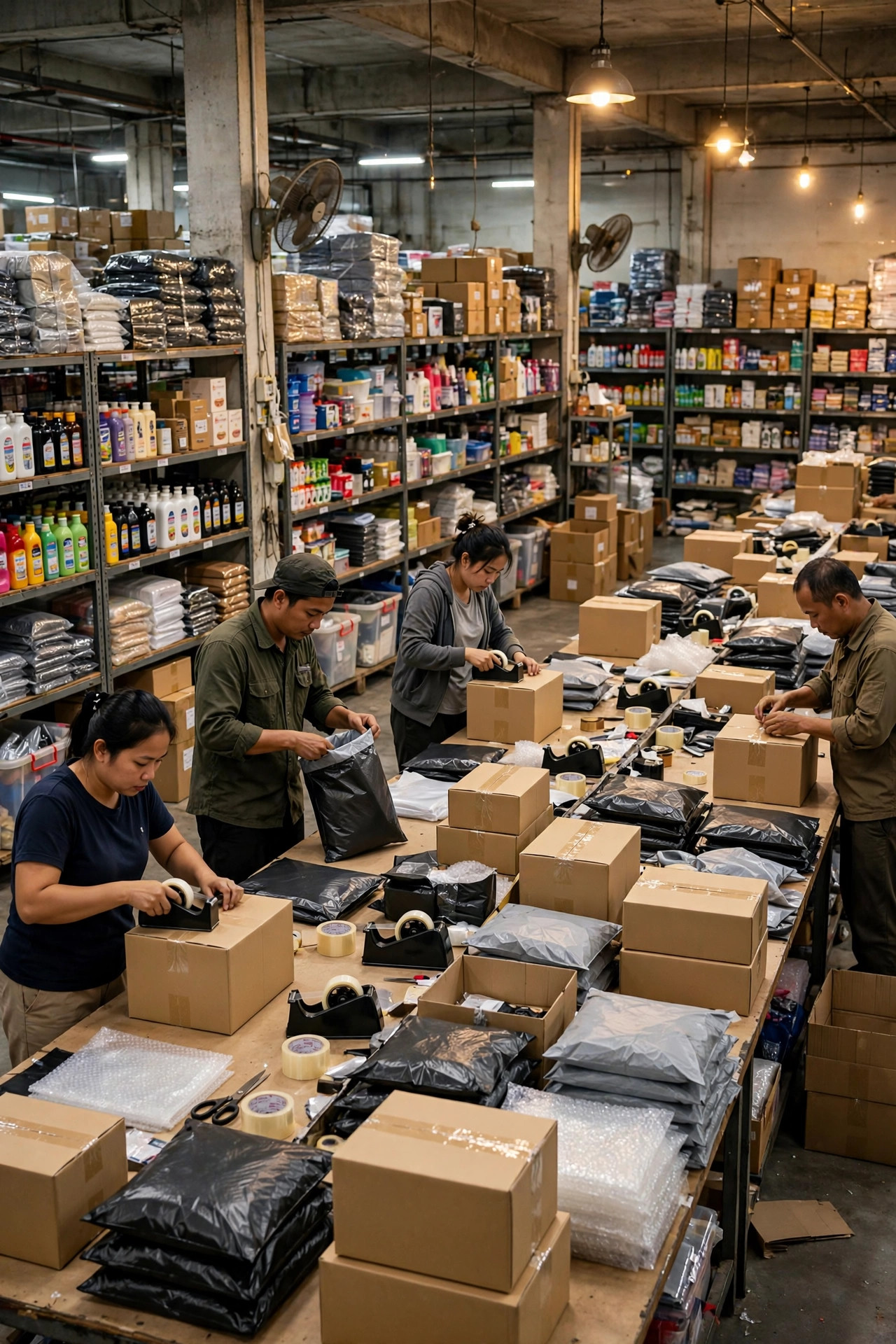
Layout first. Never mix returns with forward inventory — returned apparel carries odors and wrinkles that contaminate the sellable zone. Give returns their own area with one straight flow: receive, grade, inspect, refurbish or clean, repack, restock — plus a separate staging area for clearance. Locate near your forward stock, in the Indiana or California corridors where the parcel carriers run dense, so USPS and UPS return parcels land cheap.
Three buckets. More is bureaucracy.
Grade A: pristine, tags on, no odor. Straight back to sellable stock. Target: graded within 48 hours, A-grade relisted within 7 days. SHEIN turns styles fast; every extra week a return sits in your building, its residual value drops.
Grade B: minor flaws, repairable. Whether you touch it depends on one formula: refurbish only if (labor + materials + time) < resale price × expected margin. A $12 dress needing $3 of labor and $1 of packaging, resold at $9 — worth doing. An $8 top needing $4 of work, resold at $6 — straight to Grade C. My rule, from experience: if refurbishing a unit costs more than 40% of its selling price, don't refurbish. Above that line you're losing money for the theater of trying.
Grade C: damaged, stained, off-season, or carrying odor. Bundle it for jobbers, donate it for the write-off, or scrap it. On SHEIN's calendar, relisting an off-season style is waiting to die; every day Grade C inventory sits is rent.
The worst case I have seen: a seller piled all returns in a corner of the forward warehouse, "to deal with later." Six months later they pulled out 20,000 units — tags fallen off, everything smelling of everything else — and sold the lot by the pound to a liquidator. There is no "later" in returns processing.
Three line items where FBA and SHEIN diverge
One: who judges the return. FBA judges for you — sellable units go back to inventory automatically, the rest goes through removal orders (ship back to you, liquidate, or donate), and you barely lift a finger. On SHEIN, the returns process is yours. Judge wrong or judge slow, and the loss is yours.
Two: who pays. FBA bundles return handling into its fee structure; high return rates hurt you through storage and long-term storage fees. On SHEIN, the returns warehouse rent, the labor, the second-leg parcel cost — every line is on your P&L, with no platform to share it.
Three: inventory flexibility. One FBA inventory pool serves multiple channels — Amazon has even extended its Multi-Channel Fulfillment program to SHEIN US marketplace sellers, so a single pool can fill both Amazon and SHEIN orders. Going the other direction, stock sitting in a SHEIN US warehouse needs its own inbound leg to reach your standalone store or FBA — less flexible by a mile.
Add it up. Same 10,000 units a month, $15 average selling price: assume 12% returns on FBA and 28% on SHEIN, and you are handling 1,600 extra returns a month. At $12 all-in per return — the low-middle of YRC's $10-$65 range, an experience-based pick — that is $19,200 a month in difference. That's why SHEIN pricing has to front-load return costs into the selling price while FBA sellers can absorb them after the fact. Neither playbook is better. But the budget sheet and the team behind it are two completely different animals.
FBA is "the platform carries your returns." SHEIN is "you are the returns department." Know which one you are before you decide how much to ship and how much warehouse to rent.
Tonight: pull your last 90 days and compute your true return rate — units returned divided by units shipped, by SKU. For any SKU above 25% returns and under $15 selling price, do two things tomorrow. One: split inbound into smaller, more frequent batches and stop betting the container. Two: stand up the three-grade triage — graded within 48 hours, Grade A relisted within 7 days. One question to sit with: what share of your returns is size-related? If it's more than half, your problem isn't the warehouse, it's the size chart — and fixing the size chart beats expanding the returns warehouse tenfold.