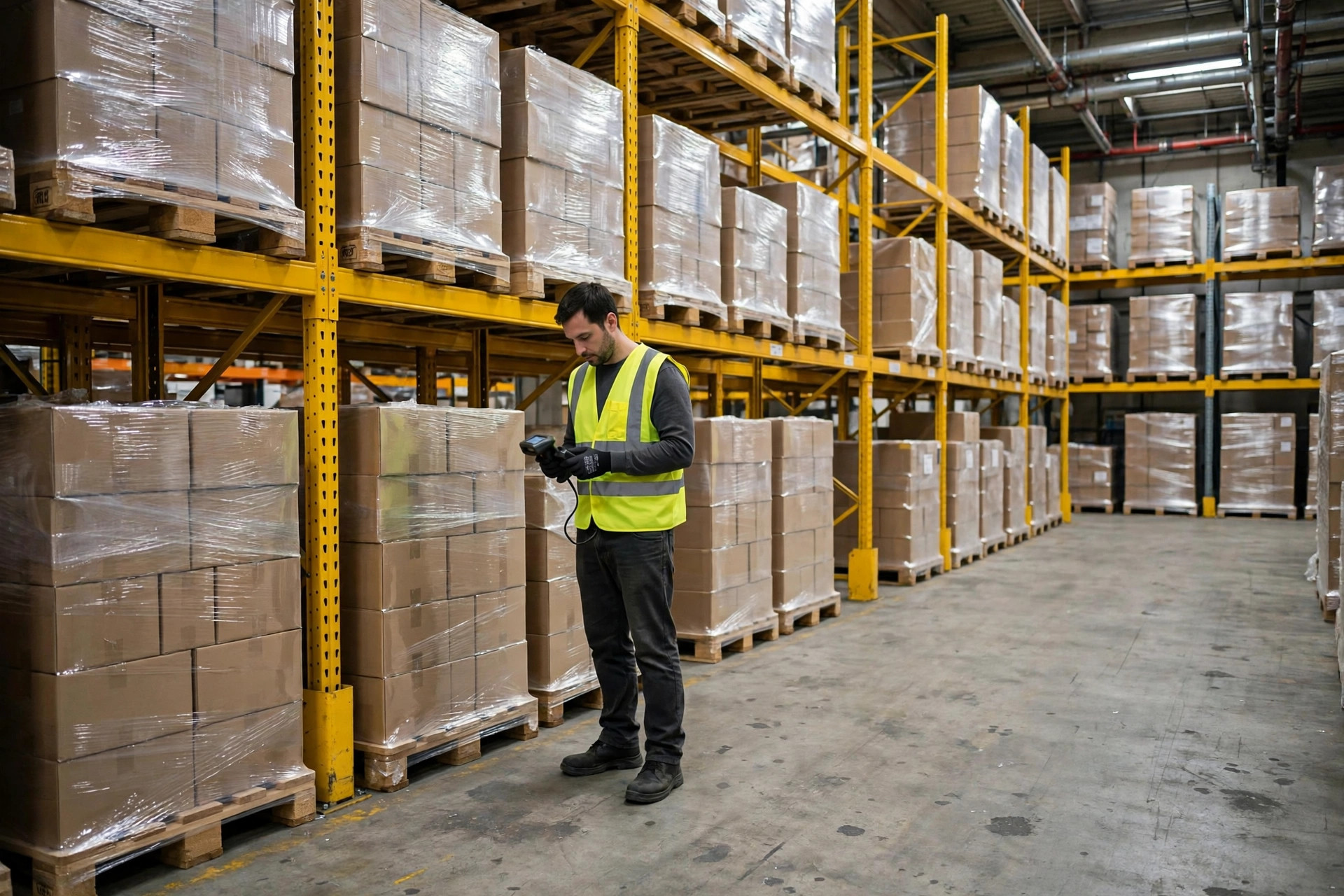
On count day, the system said 200 units of a particular phone model in stock. The shelf held 199. The missing unit's serial number still showed "in stock" in the system. Three months later, someone spotted the exact same model — identical serial number — listed on a secondhand marketplace. The police were called, but the evidence chain died inside the warehouse. Nobody could say when or how it walked out.
That happened at a phone 3PL in Dongguan in 2023. Details changed, lesson intact. One high-value unit lost equals a whole pallet of ordinary goods. Worse: you don't even know it's gone, because the books always balance — the system tracks quantity, not which unit.
What a serial number actually controls
One item, one code. It doesn't manage inventory quantity; it manages each unit's identity. Serial numbers, IMEIs, device serials — globally unique, traveling with the unit from receiving to shipping. Matching quantities is "books balance." Matching serials is "every unit accounted for."
What deserves it? Hit any one of three tests: high unit value (a couple thousand yuan and up), easy resale (phones, laptops, graphics cards, luxury goods — stolen today, cash tomorrow), or warranty/recall exposure (medical devices, auto parts — a defect means tracing the exact unit). A 50-yuan box of cables? Don't bother. The scanning labor costs more than the goods.
A phone's IMEI is 15 digits, globally unique — a ready-made identity, no need to invent your own. Goods without factory codes (some small appliances) get house-generated labels at receiving; manage your own number ranges and never mix them with factory codes.
Receiving: where you spend the extra 30 seconds
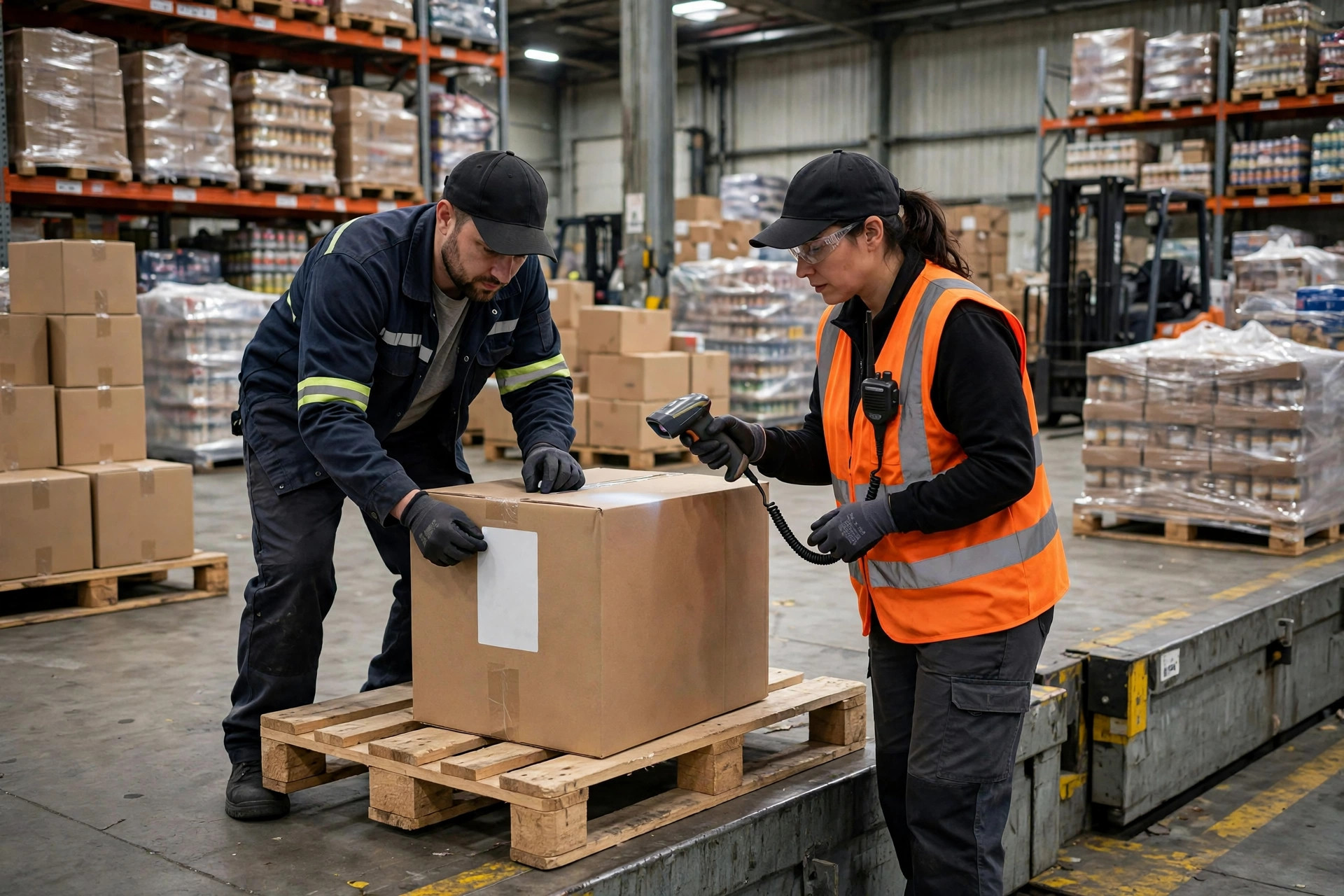
Seventy percent of serialized tracking succeeds or fails at receiving. Every unit gets scanned and registered on arrival: serial number, batch, receiving date, bin location. All four, no exceptions. Don't believe in "receive now, register later" — later never comes, and three months on you've got stock with quantities but no identities.
The Dongguan warehouse's eventual rule: the receiver scans a unit, the system announces it back; a duplicate scan triggers an instant alarm — because duplicates usually mean someone scanning one genuine unit twice to "wash" another one out of the books. That detail was paid for in blood: the most common internal theft pattern is reusing one real unit's code, keeping the books forever balanced.
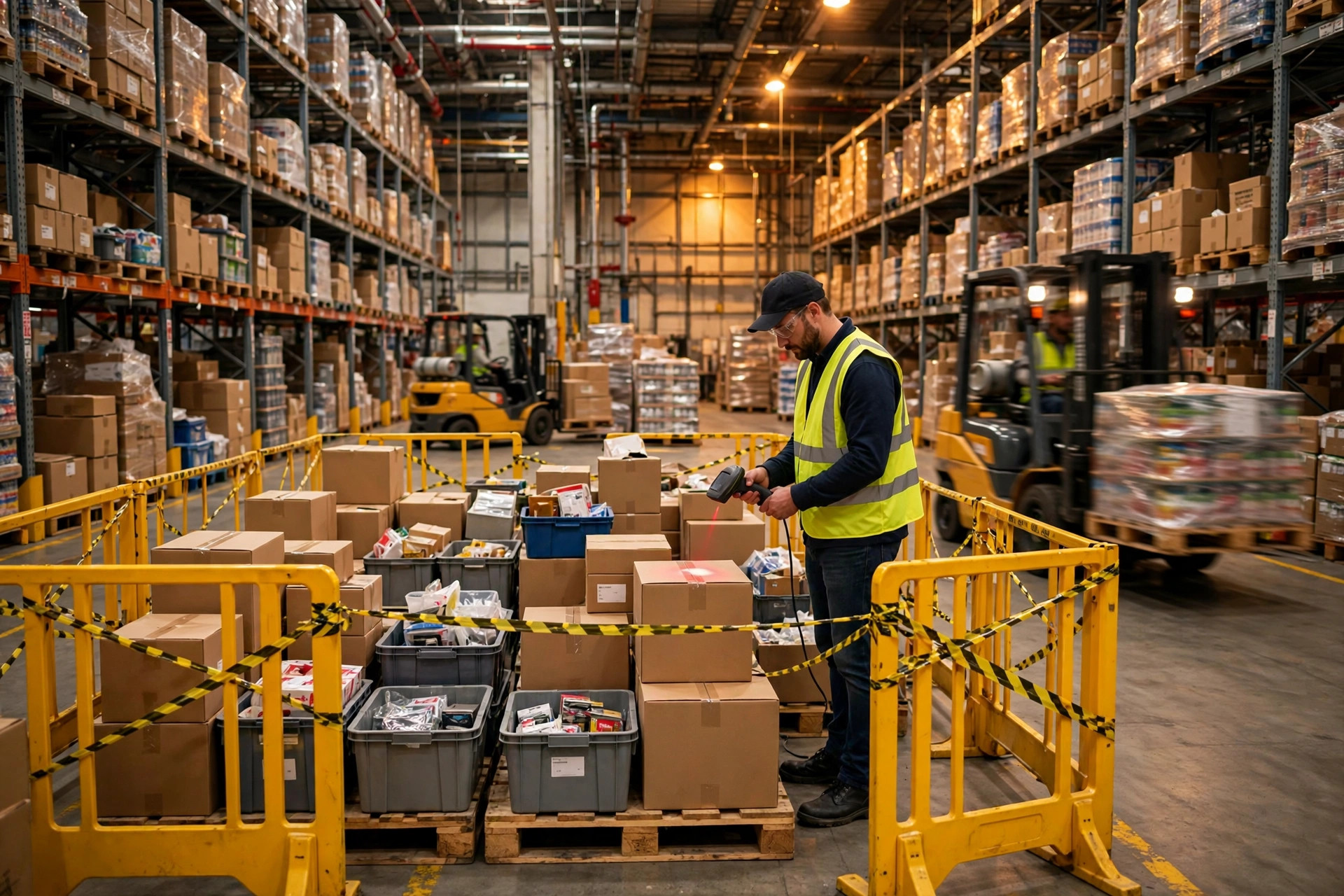
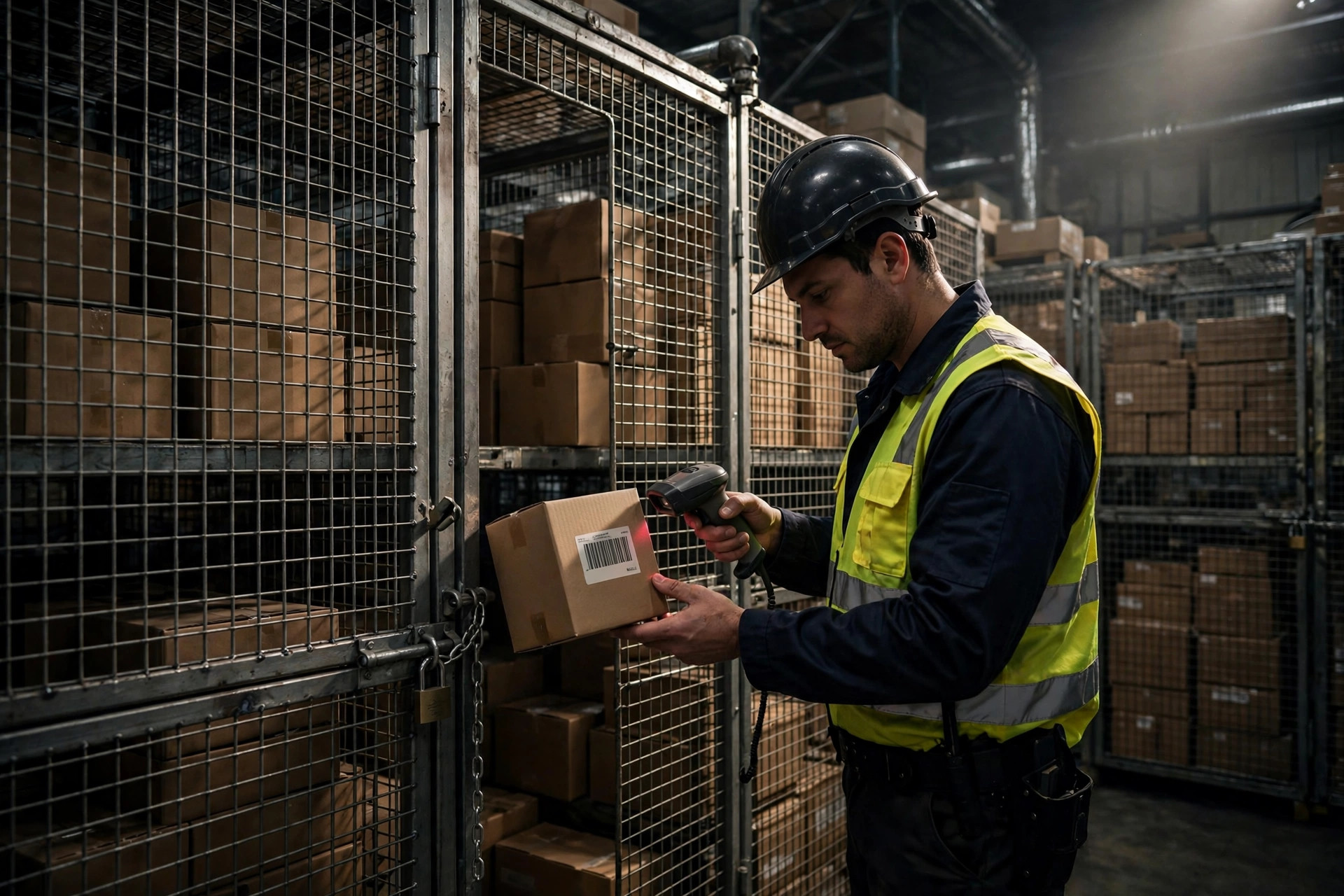
High-value goods get their own caged zone — wire mesh, dual-person in and out, cameras everywhere. This isn't about distrusting staff; it's about giving everyone a clear "don't touch" signal. Plenty of convicted internal thieves later said the same thing: if there'd been a locked cage, the thought would never have crossed their mind.
Outbound: a bad scan doesn't ship
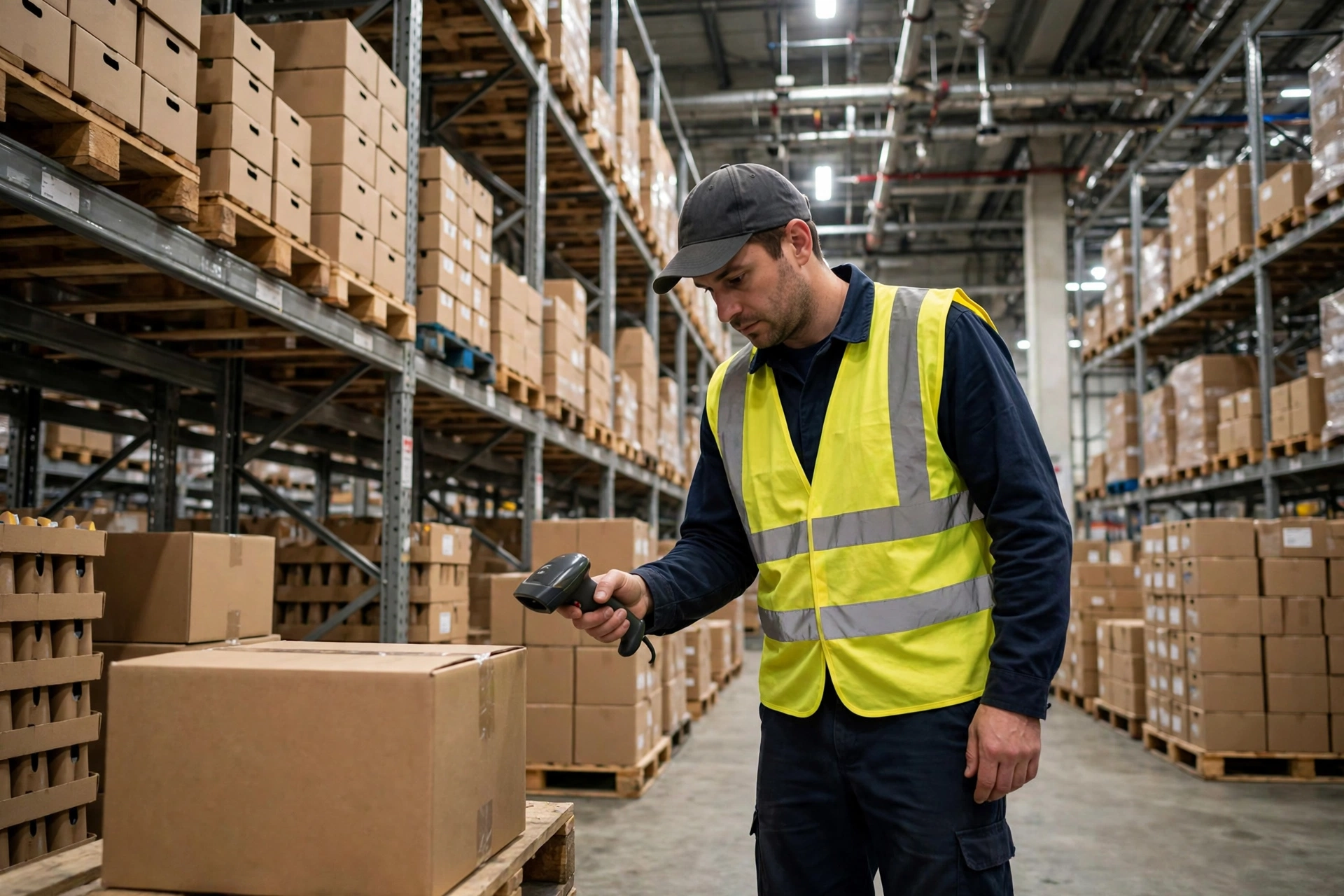
Outbound verification is the second gate. Pickers pick to order; the pack station scans every unit; the system checks three things: is this unit actually in stock, is it the unit this order wants, and is it already allocated to another order. All three pass or the order locks.
Here's the trade-off to think through: unit-by-unit scanning is slower than case shipping, and at a few thousand orders a day the pack stations queue up. My approach is tiered — full scanning in the high-value zone, sampling everywhere else. Don't sacrifice 80% of your throughput to control 100% of the risk. Control granularity should match goods value. That's fundamentals.
Another trap: substitutions. Customer orders model A, the warehouse is out, customer service agrees to model B, the warehouse ships B — but the system still shows A's serial number going out. Books and reality diverge from that moment, discovered at the next count three months later. The rule: change the order first, then ship. The serial in the system must be the serial of the unit that actually left. No exceptions.
Returns: no matching serial, no receiving
Reverse logistics is where serialized tracking rots fastest. A customer returns a phone; the warehouse, in a hurry, books it in as "good stock" without registering the serial. Two months later it ships to a new buyer, who activates it and discovers a refurbished secondhand unit, complains to the brand, and the brand checks the serial: sold once already, three months ago. The 3PL eats penalty points and fines with no defense.
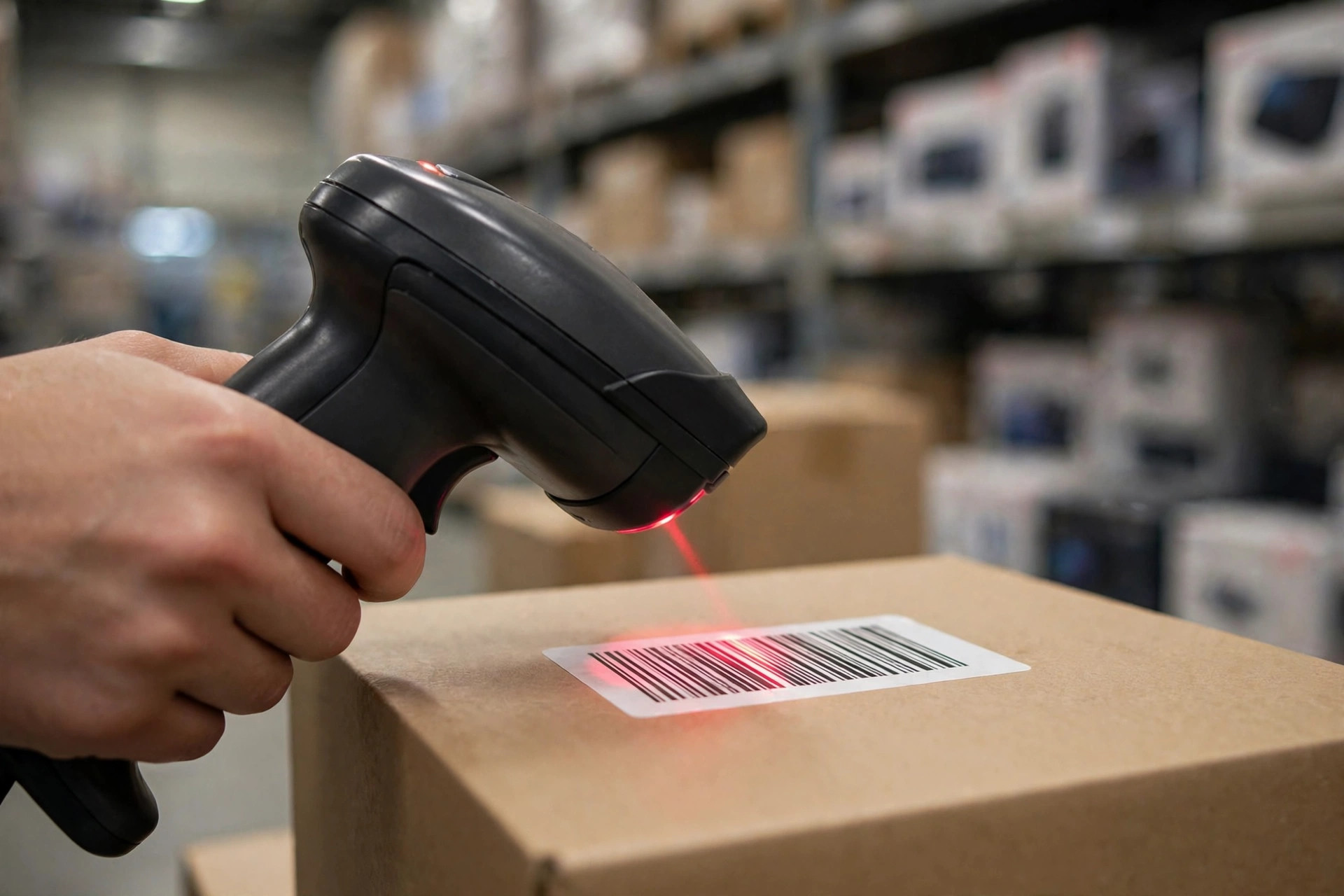
The right way: returns receiving must scan the serial; the system verifies this unit is one we shipped, to whom, and when. No match means quarantine until customer service confirms. Two extra minutes saves brand penalties and customer trust.
Don't let serials die in a spreadsheet
I've seen too many warehouses with the feature in the system and the practice on paper: receivers copy codes by hand at receiving, type them into Excel after shift, import to the system later. Two manual hops in between — wrong codes, missed codes, duplicate codes, all of it. A serial number's value is real-time: code and unit bound at the moment of receiving. Any delayed entry is a window left open for theft. Scan guns must talk to the system live at the receiving station; a station without a scan gun doesn't receive high-value categories.
And give the data a regular health check. Every month, pull 50 units at random, take the system's serials to the shelf, and find the physical goods. Anything missing gets investigated immediately. An hour a month, and it's the ballast of the whole serialized system — an unchecked process is a dead process within three months.
What the WMS needs to support
Four non-negotiable features: serial number fields across receiving, shipping, and moves; uniqueness validation that blocks duplicate registration cold; a status machine — in stock, in transit, sold, in repair, scrapped — with a full transition log; and serial-level traceability, one code pulling up every bin it's sat in and every order it's ridden on. Put these four in the requirements list when buying a WMS, and make the salesperson walk through them live in the demo. Don't trust the slide deck.
The uncomfortable truth: plenty of warehouses have the feature turned on and nobody uses it. Receiving skips scans when it's busy, counts get batch-confirmed when it's rushed, and three months later the serial data is Swiss cheese. Technology is 30%; execution is 70%. My advice: pilot on one product category, get it smooth, then expand. During the pilot, do a daily 20-unit "serial count"; expand categories only when data quality clears the bar.
One overlooked payoff: insurance. A warehouse with a complete serial ledger negotiates freight and storage insurance from a completely different position. File a loss claim and the insurer's first questions are "which unit, what value, when did it go missing." With serial traceability, claims flow. Without it, expect three months of arguing. Well-run serials can even move the premium.
So here's the question for your warehouse: if your most expensive product lost one unit today, how many days before you'd notice? If the answer is "at the next count," serialized tracking belongs on your agenda. Don't wait until the unit shows up on a secondhand marketplace and your system can't even tell you where it went.