Here's my verdict up front: a right-size packaging machine costs anywhere from $50K for a compact unit to $1.5M+ for a fully automated line, based on dealer quotes — but the price tag is the least important number in this decision. What matters is your daily order volume. Under 800 orders a day, don't touch it. Over 2,000, it's worth sitting down with a spreadsheet. Stuck in between? It comes down to what share of your parcels bill on dimensional weight. Bluntly put, this machine was never too expensive to buy. It's too expensive to feed.
I've Seen Too Many of These Sitting Idle
Back in 2019, an e-commerce warehouse in California's Inland Empire — home goods, small items, about 1,200 orders a day — bought an entry-level box-on-demand machine after the owner got the full trade-show pitch. All in with installation and training, just under $200K. The machine itself was fine. The problem was his SKU range: phone cases to floor lamps, sizes differing by an order of magnitude. Every paper roll change meant waste and downtime, and the operators, to save hassle, just went back to stock cartons for half the orders.
Utilization never broke 40%. Between roll waste, the maintenance contract, and 200-plus square feet of floor space, the per-box cost ended up three dimes higher than buying ready-made cartons. Two years later he sold it used and recovered less than 40%. He told me every number in that trade-show ROI worksheet was correct — just none of them applied to his operation.
Everything has two sides. Right-size packaging is genuinely good technology; I've watched it save a seven-figure sum in freight in a single year at a 30,000-order-a-day facility. And precisely because I've seen it make money, I want to be clear about the precondition: your volume and order profile have to deserve it.
The Cost of a Right-Size Packaging Machine: Four Line Items First
With any solution, I talk cost before benefit. There are four:
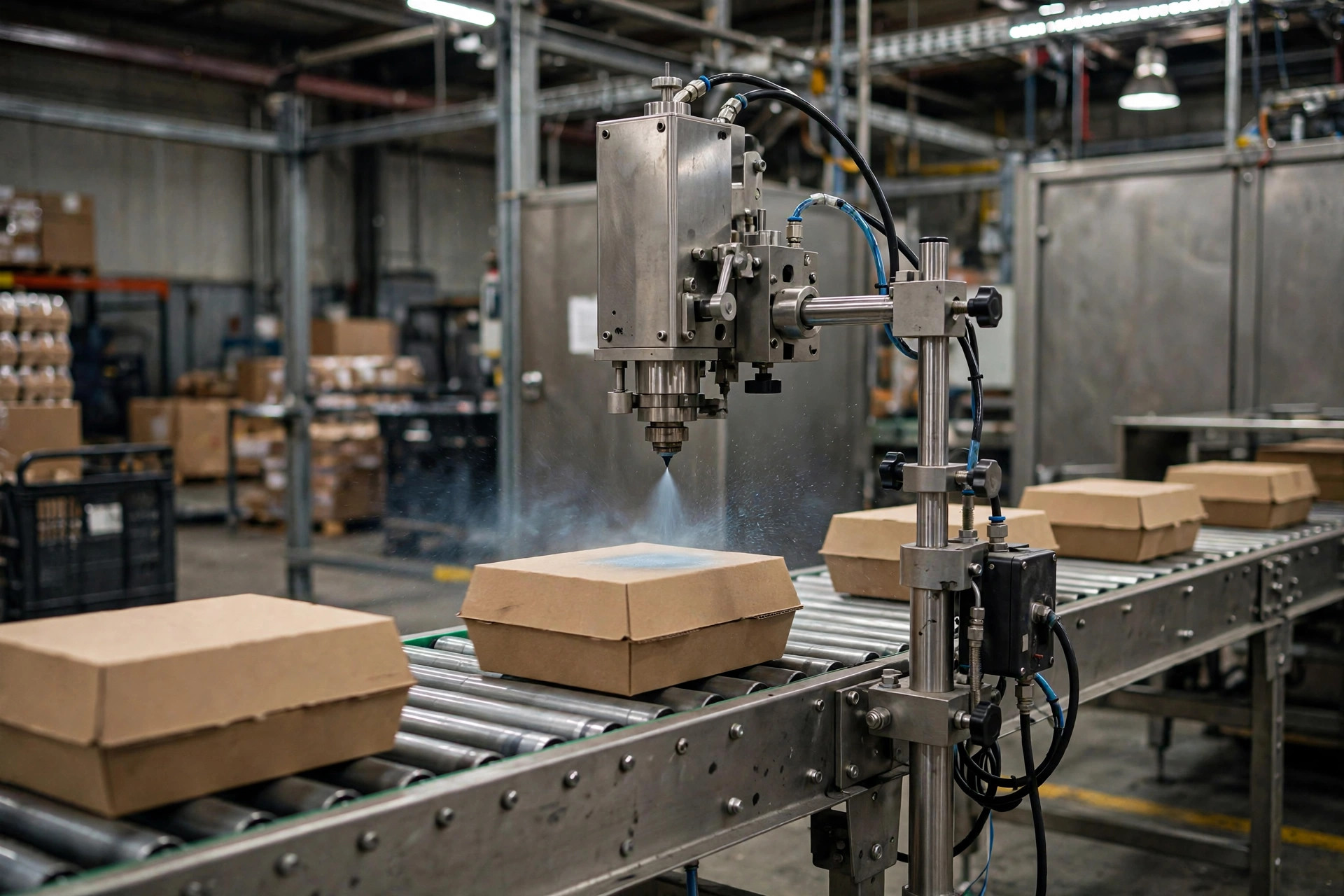
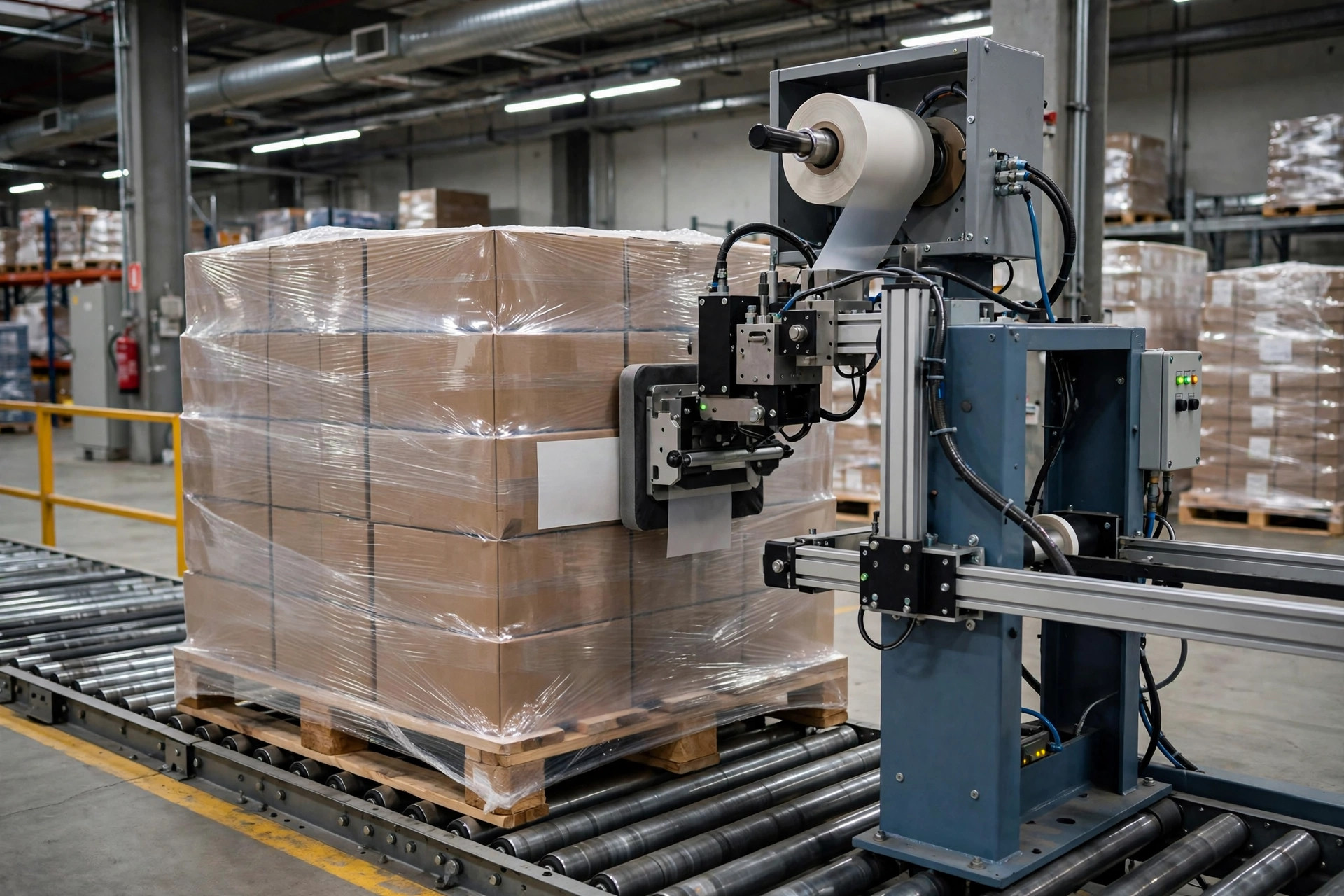
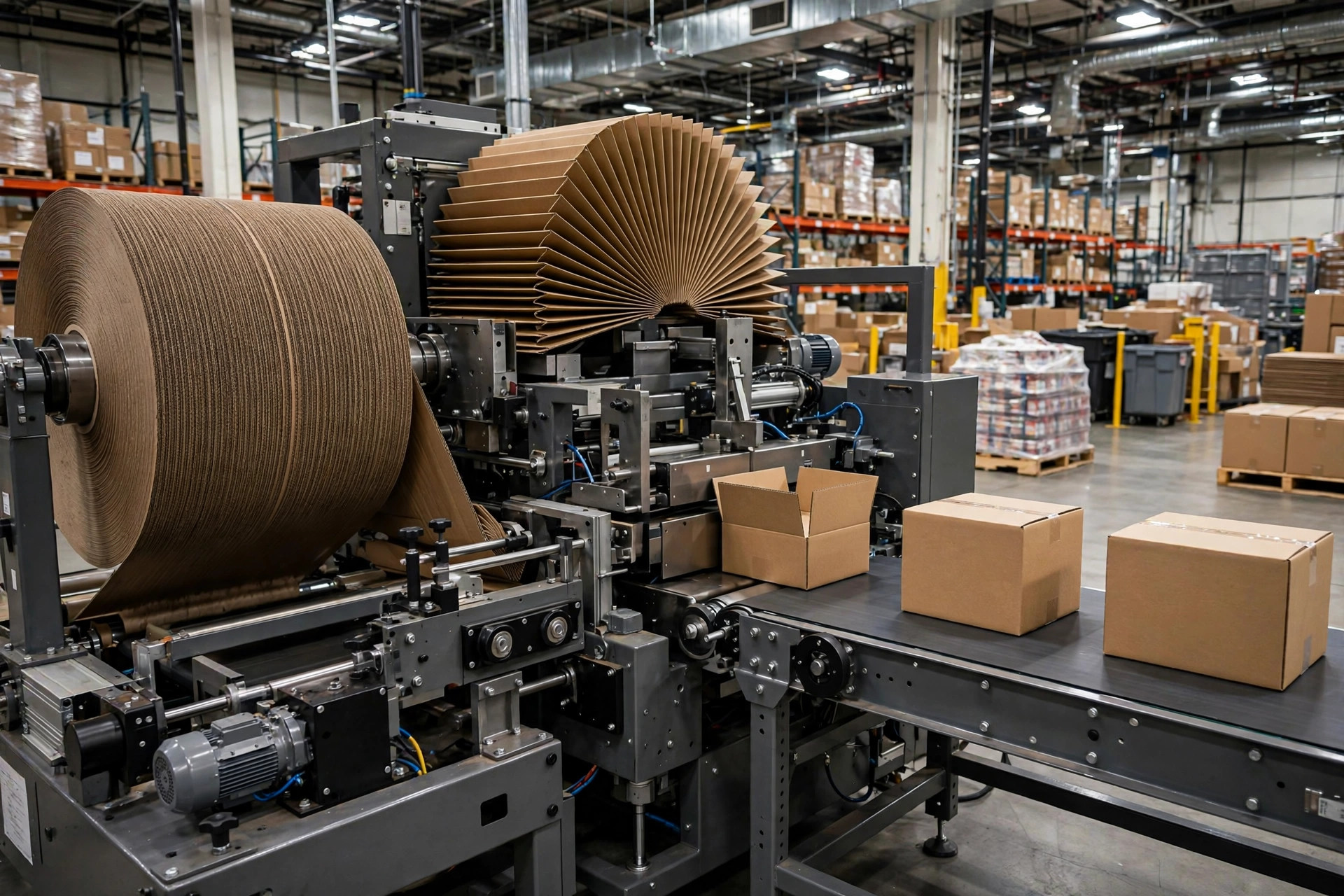
One, the equipment. Dealer-quote ranges: $50K–$150K for a compact single machine, $250K–$500K for a mid-range unit with auto-loading and multiple fanfold positions, $1M+ for a fully automated line tied into conveyors. That's the "machine plus basic install" quote — integration, conveyor rework, and electrical upgrades are extra, and on big-facility projects those routinely add another 15–20%. The brochure will also claim "500 boxes per hour" or "1,100 boxes per hour." Remember: that's full tilt, continuous, same-size runs. If your SKU sizes are all over the map, hitting 60% of rated throughput means your operators are doing well.
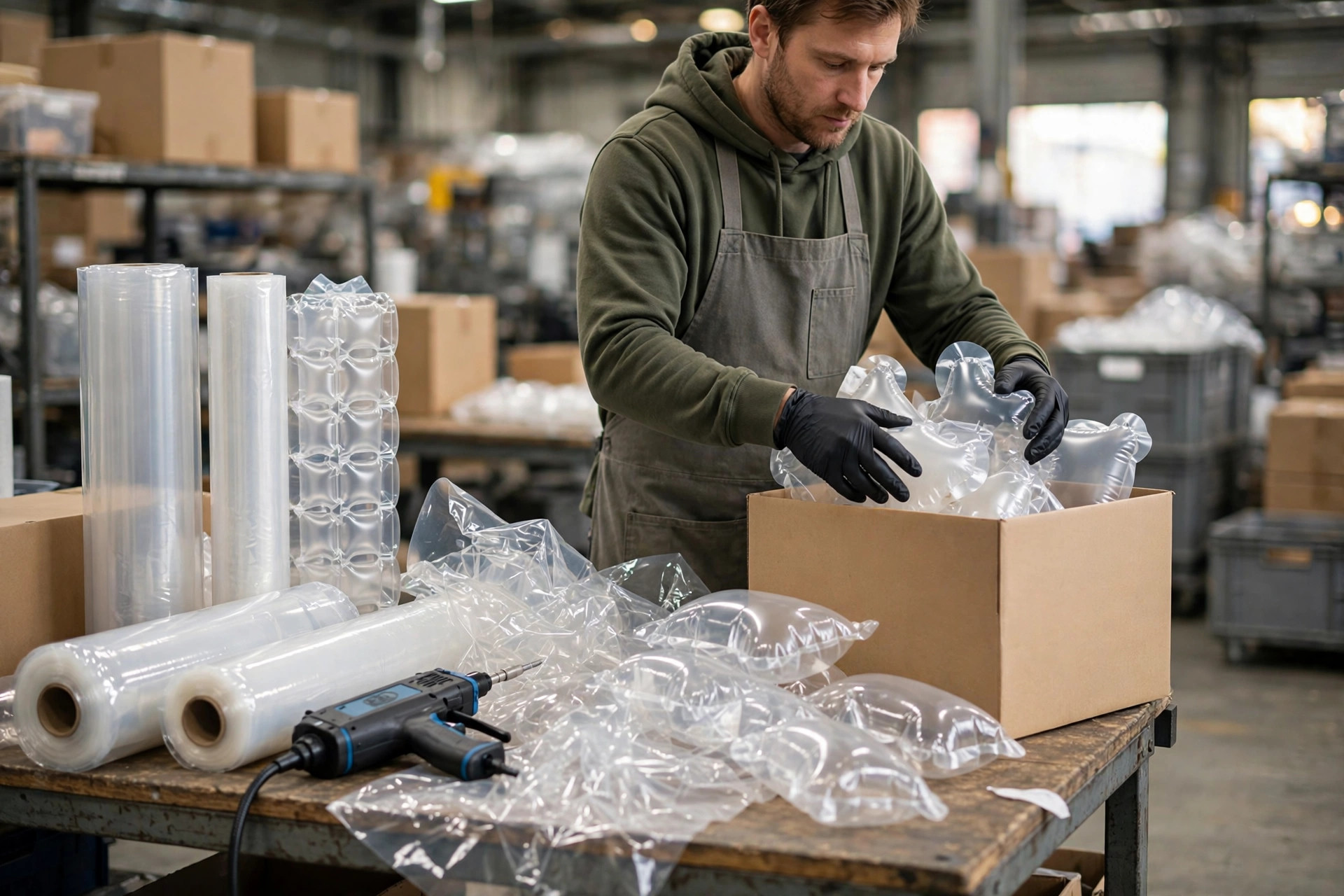
Two, consumables. The machine eats continuous fanfold corrugated, not finished cartons. The paper itself does run cheaper than equivalent stock boxes — vendors typically claim 20%+ savings. But don't forget changeover waste: every size switch means trimmed leaders, setup rejects. The more mixed your SKUs, the higher the waste. No salesperson volunteers this math.
Three, maintenance. Service contracts in this industry generally run 5–8% of the machine price per year. On a $300K machine, that's $15K–$24K annually. Skip the contract if you like — then you're gambling on when the cutting heads and sensors wear out. Lose that bet once, and a single day of downtime can cost more than a year of service fees.
Four, floor space and labor. One machine plus roll staging needs 200–400 square feet even in compact form. In the Inland Empire, where warehouse rents run $15-plus per square foot per year, the footprint alone costs several thousand dollars a year. Labor does go down: one or two operators versus three or four pack stations. But forget "lights-out" — roll changes, waste clearing, and jam handling all need a human nearby.
Then the Payoff: Three Buckets, and Freight Dominates
Costs covered; now the upside. Also three buckets, and they're nowhere near equal:
Bucket one: material savings. Boxes cut to fit each order, corrugated usage drops directly, void fill (bubble wrap, paper wadding) basically disappears. This is the most visible win — an order that used to ship in an 18×14×12-inch stock carton with a small item inside can use 30%+ less board. But honestly? Packaging materials just aren't that big a line item for most warehouses. This bucket is garnish.
Bucket two: freight — the real money. UPS and FedEx domestic DIM divisor is 139 (published rate standard on both carriers' sites), billed on whichever is greater: actual or dimensional weight. Run the numbers: an 18×14×12-inch box has a DIM weight of 18×14×12÷139 ≈ 21.7, billed at 22 lbs. If the goods inside weigh 8 lbs, you're paying for 22. Right-sizing drops the box height from 12 inches to 6, cutting DIM weight in half to 11 lbs. The Zone 5 ground rate spread between 22 lbs and 11 lbs is on the order of several dollars per parcel — check the carriers' published zone charts for exact figures, but the direction is unambiguous: every "big box, small item" order is paying freight on air.
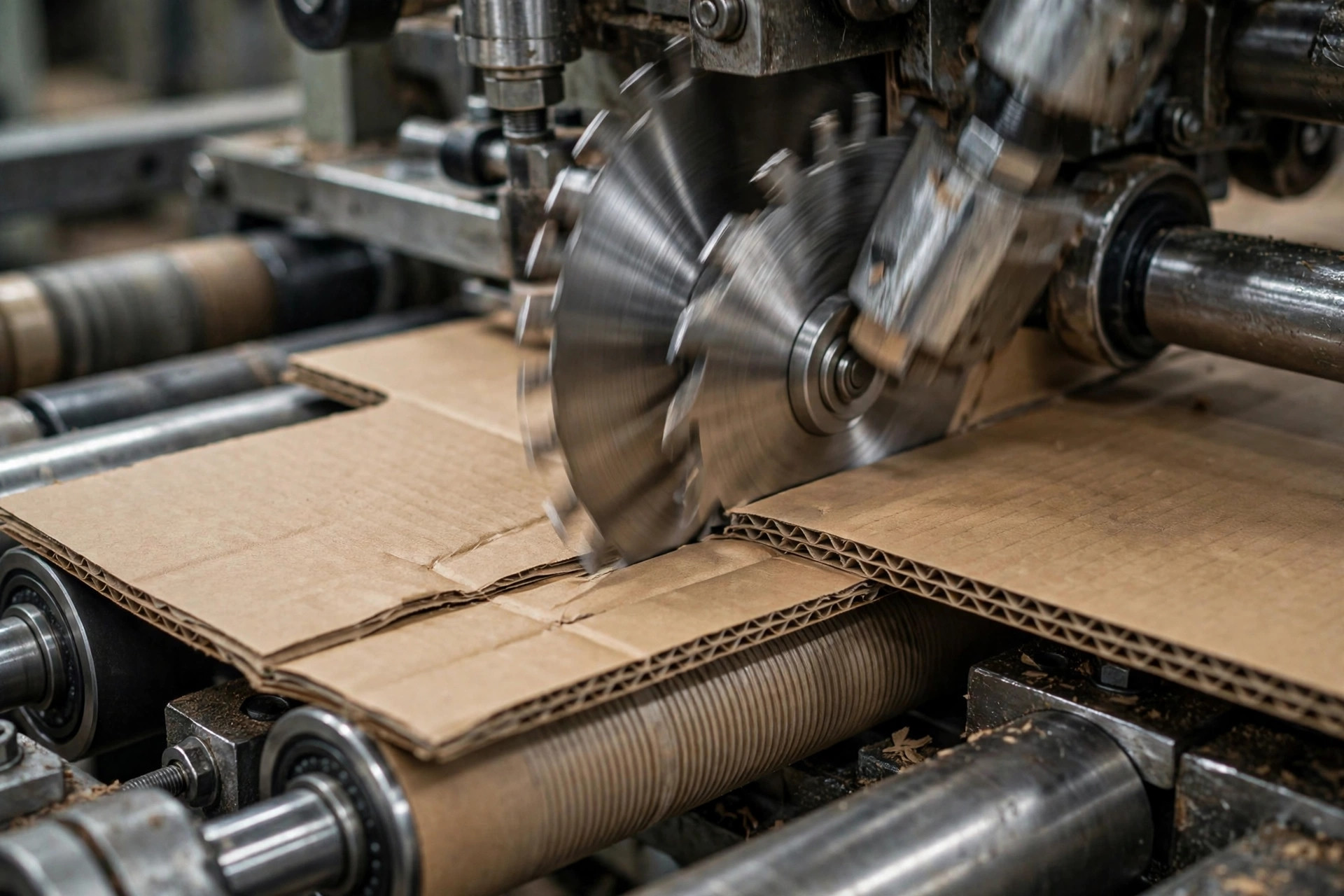
Bucket three: labor. Automated box making and sealing can replace two to four pack stations. At a fully loaded US warehouse packer cost of $18–$22/hour, one station runs about $40K a year. But there's a precondition: packing actually has to be your bottleneck. In plenty of small warehouses the bottleneck is picking, not packing — and a faster box machine with nothing to pack is just decoration.
Right-Size Packaging Machine ROI: A Framework You Can Plug Your Numbers Into
Enough qualitative talk. Here's the formula:
Annual net benefit = (per-box material savings + per-parcel freight savings + annual labor savings) − (annual equipment depreciation + annual roll waste + annual maintenance + annual footprint cost)
Depreciate the equipment over 5 years. Worked example (illustrative — substitute your own numbers):
| Line item | How to compute | Example |
|---|---|---|
| Daily order volume | 90-day trailing average | 2,000 orders |
| Per-box material savings | Stock carton avg cost − amortized fanfold cost | $0.40 |
| Per-parcel freight savings | DIM-billed share × avg rate spread | $0.70 |
| Annual labor savings | Stations replaced × loaded cost per station | $80K |
| Annual depreciation | $400K ÷ 5 years | $80K |
| Annual maintenance + waste + footprint | Contract + changeover waste + rent | $40K |
Gross annual benefit = 2,000 × 260 days × $1.10 + $80K ≈ $650K. Annual cost ≈ $120K. A $400K machine pays back in under a year. Looks beautiful, right? Now rerun it at 800 orders a day, everything else equal: gross benefit ≈ $310K, costs barely move, labor savings shrink — payback stretches past two and a half years, before counting the extra waste of under-utilization. That's why 800 a day is my red line: the formula doesn't lie, but the assumptions you feed it can.
Here's the contrarian take: vendor ROI calculators bake in three assumptions — full utilization, all your current boxes are waste, zero roll waste. Reality is utilization, changeover waste, and maintenance downtime. Below the volume threshold, this machine is just a very expensive carton printer, and your per-box cost goes up, not down. I've watched too many people take a vendor's "8-month payback" to their boss, buy the machine, and discover their order profile could never feed it. Not one number on that ROI sheet materialized.
So don't ask me whether the machine is worth it. Go pull three numbers first: your 90-day average daily orders, the share of parcels billed on dimensional weight, and your current per-box packaging cost. If you can't produce all three, no vendor ROI — however pretty — has anything to do with you.
By Lao Mi, Supply Chain Veteran (20 yrs)