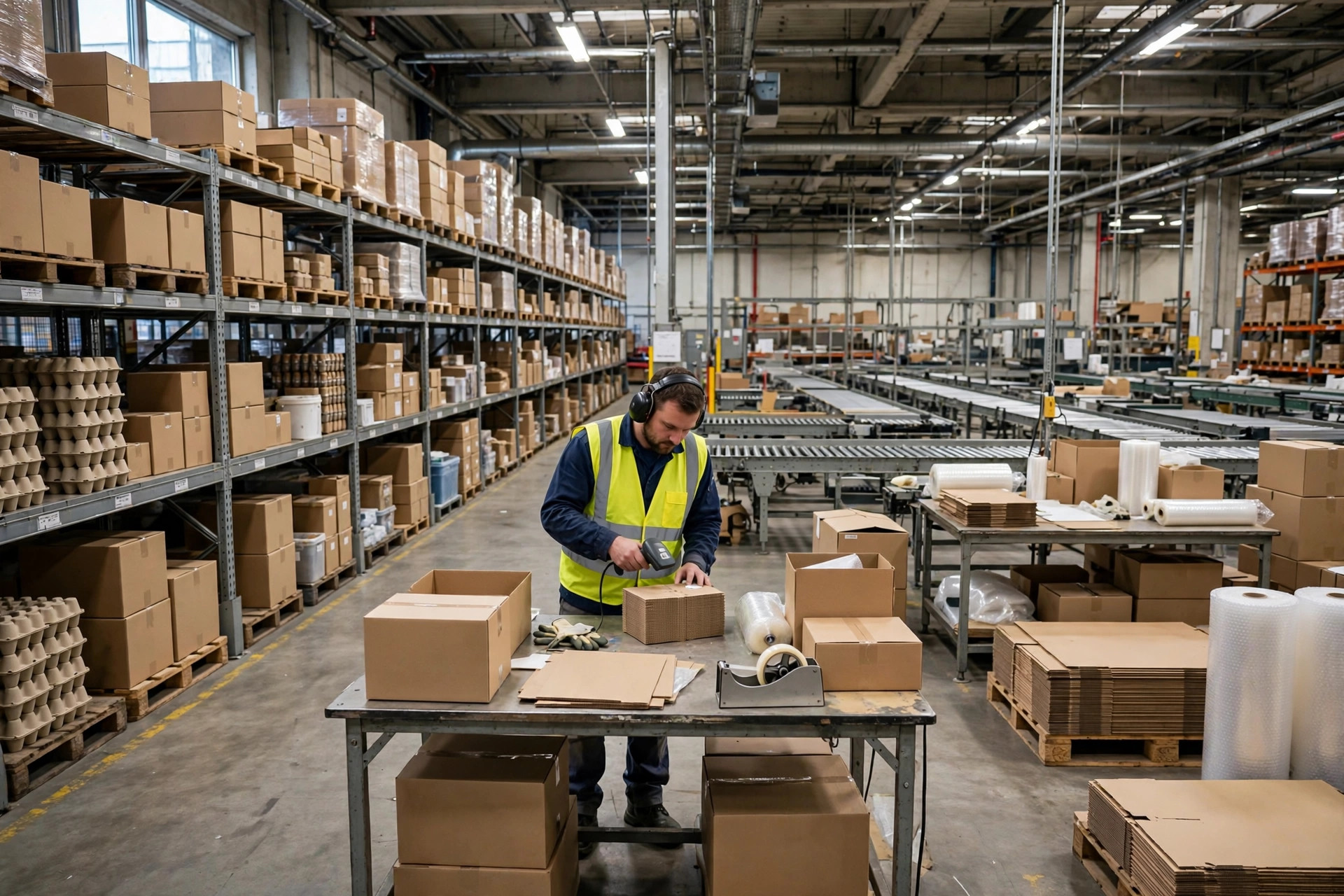
Man, the QC table in this warehouse is in the most ridiculous spot.
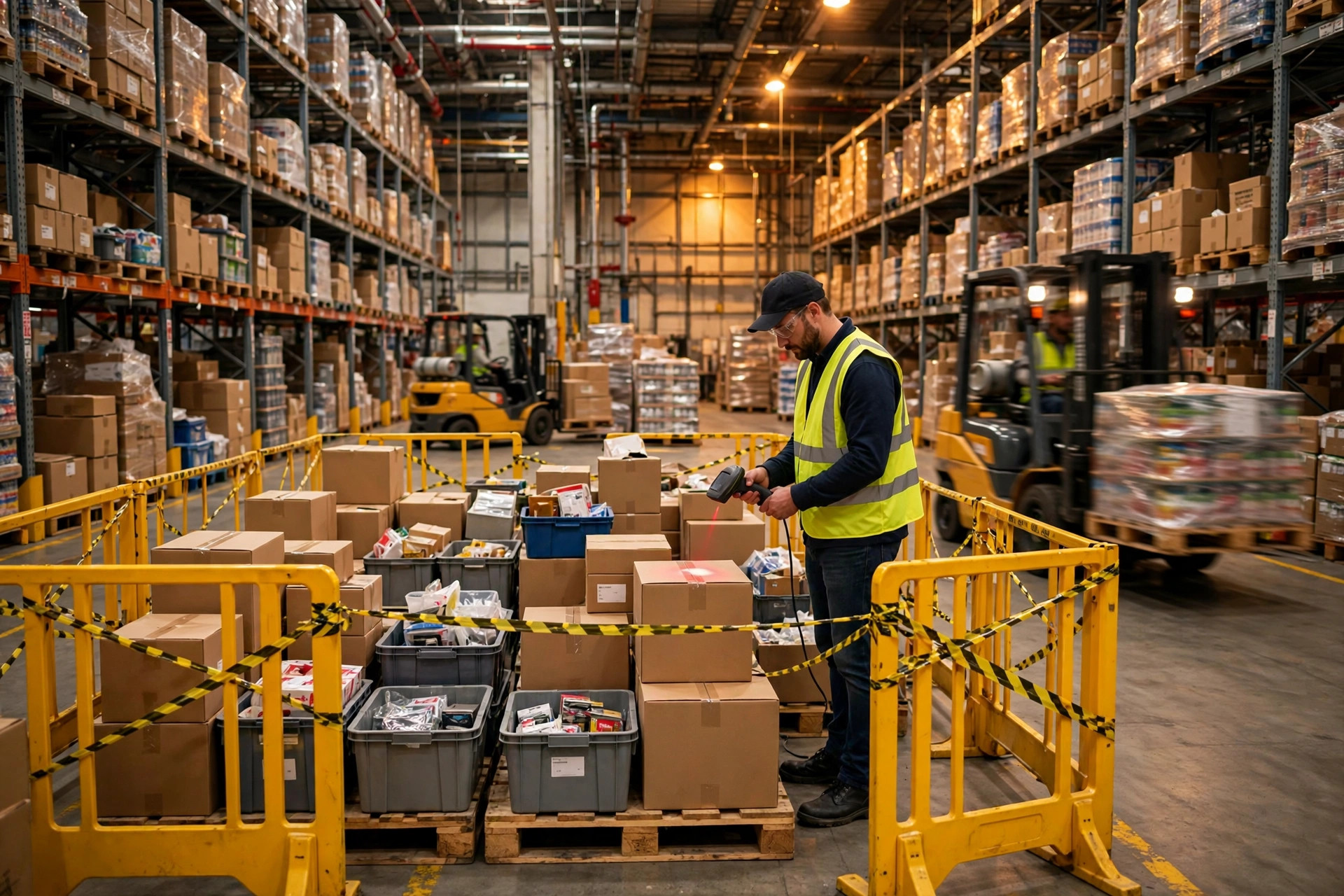
Two weeks before Black Friday last November, I went to check on our partner 3PL in California. Fifty thousand square feet, about 1,200 orders a day. Picking zone on the east end, packing on the west end. And the quality-check table? Tucked against the north wall, far from both.
I shadowed a picker for two rounds and my legs were burning. Push the cart 40 meters north to the QC table, scan, then turn around and cross half the pick zone to pack on the west end. Then the packed boxes get pushed all the way back east to the conveyor. One order "tours" nearly 150 meters of warehouse before it's done.
Our ship time had slipped to 36 hours from order to outbound, and customers were filing complaints threatening refunds. I assumed it was peak-season understaffing. The warehouse said the same thing — "can't hire anyone right now."
Then I spent half a day on the floor and realized: nobody was standing around. Everybody was just walking.
Nobody Was Idle — Everybody Was Walking
I grabbed a tape measure with the ops manager: 38 meters from the pick exit to the QC table, 52 meters from QC to packing, 55 meters from packing to the conveyor infeed. Add it up and every order walks 145 meters just in handoffs. The pickers' fitness trackers showed 24,000 steps a day.
"You don't have a headcount problem. You have a straight-line problem." That's what I told him.
His defense was a classic: the QC table was put against the north wall so it "wouldn't block the aisle." Right — it didn't block the aisle, it just made everyone walk an extra two kilometers a day. That's what happens when you optimize one corner at the expense of the whole flow.
The Fix: One Table, One Straight Line
The fix was embarrassingly simple. Move the QC table between the pick exit and the packing zone: pick → check → pack in one straight line, one direction, no backtracking. Move the conveyor infeed to the packing exit so packed boxes go straight onto the belt. The old spot against the north wall became the exceptions holding area — which is exactly where exceptions belong, away from the main flow.
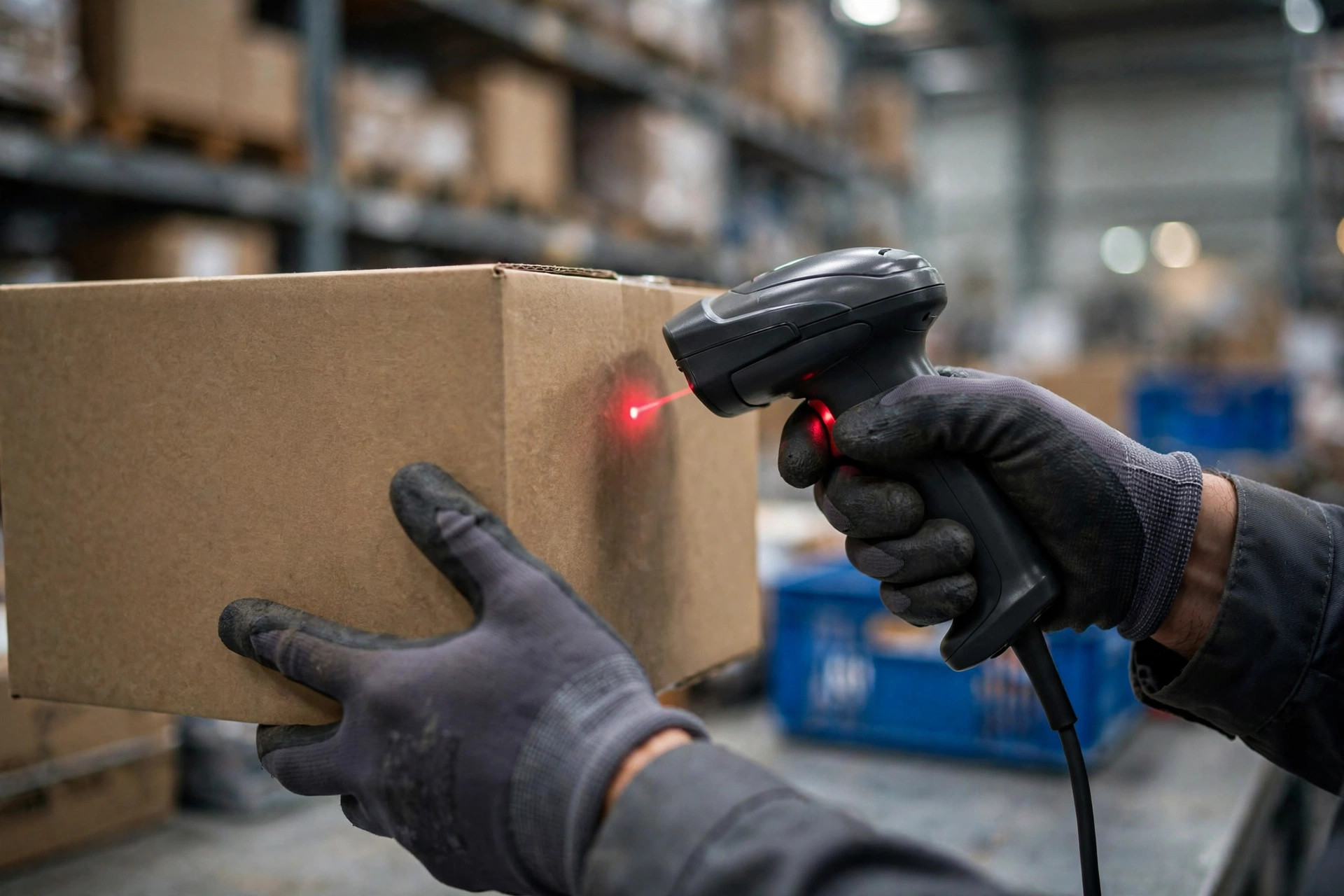
We also made one hard rule: exceptions, returns, and empty cartons never enter the QC zone through the front door. They go around via the north-wall service lane. One direction of flow through QC. Break the rule, buy the team bubble tea.
The whole move took a weekend. No new equipment, no software changes, no consultants. Just a table, a tape measure, and the willingness to admit the old spot was dumb.
Black Friday week was the real test. Volume spiked to 2,100 orders a day — 1.75x normal — and ship time still held under 24 hours. The warehouse told me later they didn't add a single temp that peak season; the straight line carried them through. That's the thing about flow: on a normal day it saves steps, in peak season it saves headcount.
The Numbers Speak
Two weeks before and after, same headcount, same order mix:
| Metric | Before | After |
|---|---|---|
| Picker daily steps | 24,000 | 16,000 |
| Pick + check time per order | about 4.5 min | about 3 min |
| Daily outbound orders | 1,200 | 1,700 |
| Mispick rate | 0.8% | 0.5% |
| Order to outbound | 36 hrs | 20 hrs |
The funny part: the mispick rate went down. The QC crew used to scan on the run, half-assing it between sprints. Once they stopped running marathons, they actually started scanning properly. Fix the flow and quality follows on its own.
Here's the counterintuitive bit: most people think the QC table should be prominent and standalone — "easy to supervise." Wrong. The QC table isn't a checkpoint, it's a link in the line, and its location has exactly one job: sit as close as possible to both neighbors. A slow QC step is fine. Backflow is what kills you. One exception carton flowing backward and the whole line yields to it.
And there's a real trade-off to think through: centralized QC versus checking at each pack station. I've seen both work well. Thousands of SKUs with expensive mispicks — high-ticket items where one wrong shipment costs you a customer — centralize it, one gate, no exceptions. Few SKUs, hero products, simple orders? Check at the pack station and skip a handoff entirely. We're multi-SKU, so centralized it is. Just don't merge QC into the packing role to save one headcount — that's a different decision and it almost always backfires.
Three Traps — Don't Step In Them
Trap one: parking the QC table against the wall to "save space." You save wall space and spend everyone's legs. Wall space is for things you rarely touch.
Trap two: merging QC into the pack role to save headcount. A buddy's warehouse in Arizona did exactly this early last year — 900 orders a day, mispick rate doubled from 0.6% to 1.3%, and they ate thousands of dollars in extra return shipping in a single month. Packers chase speed; checking becomes theater — asking someone to sprint and inspect at the same time means no real inspection happens. He eventually reinstated the dedicated QC role, and the mispick rate fell back to 0.7% within two weeks. A few hundred orders a day? Sure, merge the roles. Past 800 a day, split them. That's a line drawn in blood.
Trap three: obsessing over pick speed while ignoring handoffs. Your pickers can sprint all day — if orders queue up at the handoff, it's all for nothing. On a pick–check–pack line, the metronome is always at the handoff, never in the pick zone. Measure the handoff, not just the pick.
One last thing, for fellow sellers, on how to bring this up with your 3PL. Don't walk in shouting "your layout sucks." Nobody listens to that. Bring numbers: steps saved convert to labor hours, hours to orders, orders to ship time, ship time to defect rate. That's how I pitched it, and they moved the table the next day. The layout is the warehouse's turf, but ship time is the seller's lifeline — both sides can do that math.
Next time you visit your partner warehouse, don't just admire the neat racks. Shadow a picker for two rounds. Your legs will tell you the truth.
This one I've personally tested — it works.
By Ah K, E-commerce Seller (5 yrs)