Let me be blunt. If you join Kaufland expecting Amazon-style fulfillment, you will get hurt fast.
There is no warehouse you can ship everything into and forget about. Kaufland is part of the Schwarz Group, the same group behind Lidl, with more than 1,500 large supermarkets offline. Online, Kaufland Global Marketplace launched in Germany in 2020 and later expanded to Austria, Poland, the Czech Republic, and Slovakia. But online fulfillment is seller-fulfilled. There is no FBA-like official fulfillment network for everyone. There is a KSS shipping arrangement, but it only covers some sellers and categories. Do not build your plan around it.
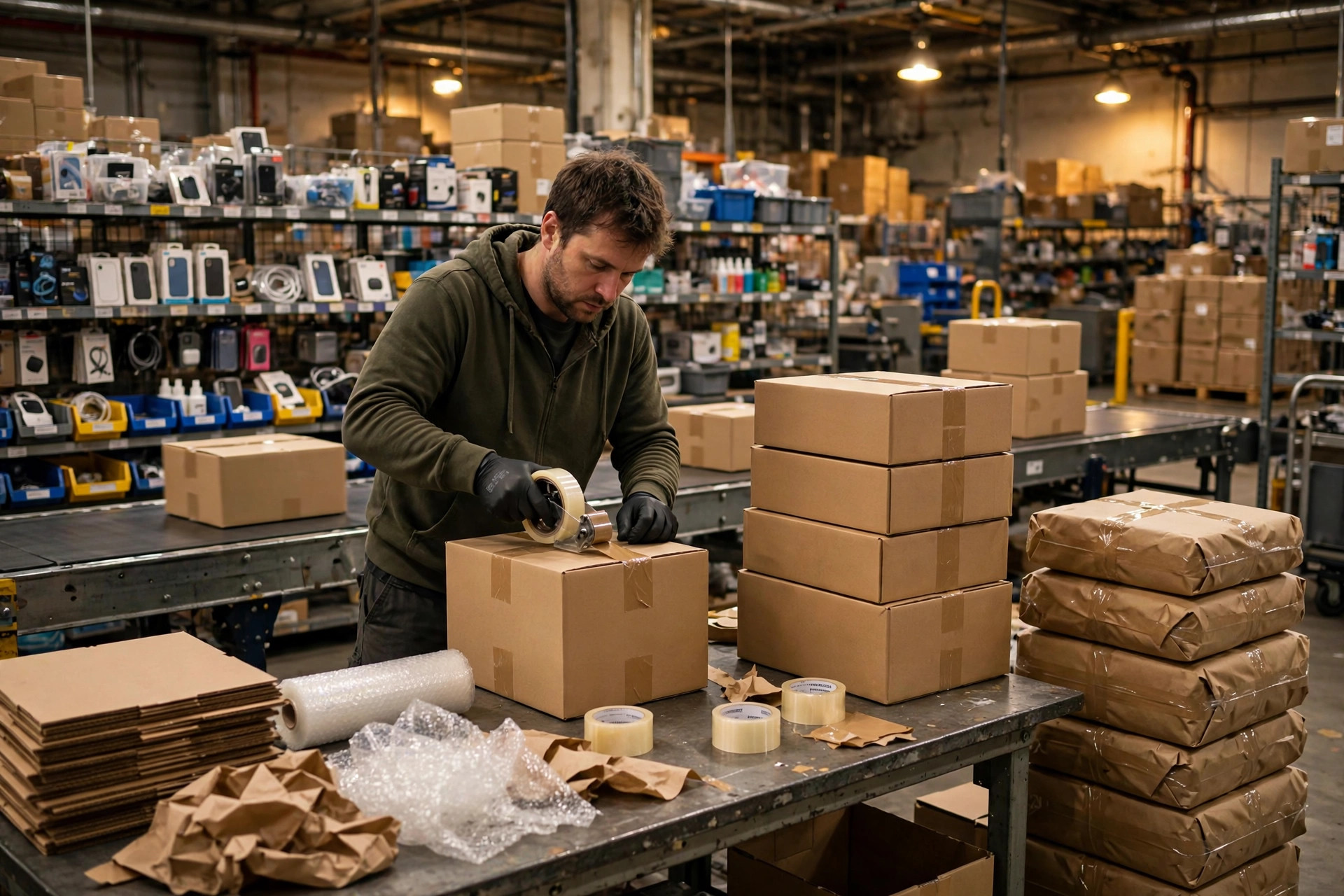
Whoever holds the stock does the work. You pick, pack, label, upload tracking, and deal with returns.
Kaufland Germany Marketplace Fulfillment Metrics Punish Slow Shipping
In October 2024 I helped a friend in Shenzhen who sells kitchen storage products look at his Kaufland store. He started the cheap way, shipping small parcels directly from China. Orders did come in. Then shipping confirmations were late, tracking took too long to appear, and buyers only saw an order that never seemed to move. Complaints and cancellations followed. In less than two months he paused the listings himself. His point stayed with me: it was not that there were no orders, it was that he could not handle the orders he got.
The platform watches four metrics: on-time dispatch rate, seller cancellation rate, late dispatch rate, and how fast you handle returns. Hit the standard and you can qualify for Pro seller benefits. Miss it and you quietly lose ground. The usual handling window is 24 to 48 hours, and you need to send a shipping confirmation with a tracking number within one business day. A confirmation with tracking, not just clicking shipped in the back end.
Common carriers inside Germany are DHL, DPD, and Hermes. If you ship from outside the EU, your timeline does not fit that window. Transfer and the first carrier scan can slip, and the late mark still lands on you.
Here is the counterintuitive part. Many sellers think a smaller platform must be more forgiving. It is the opposite. Every bad experience stands out more. Protecting your on-time dispatch rate early matters more than shaving another euro off the price.
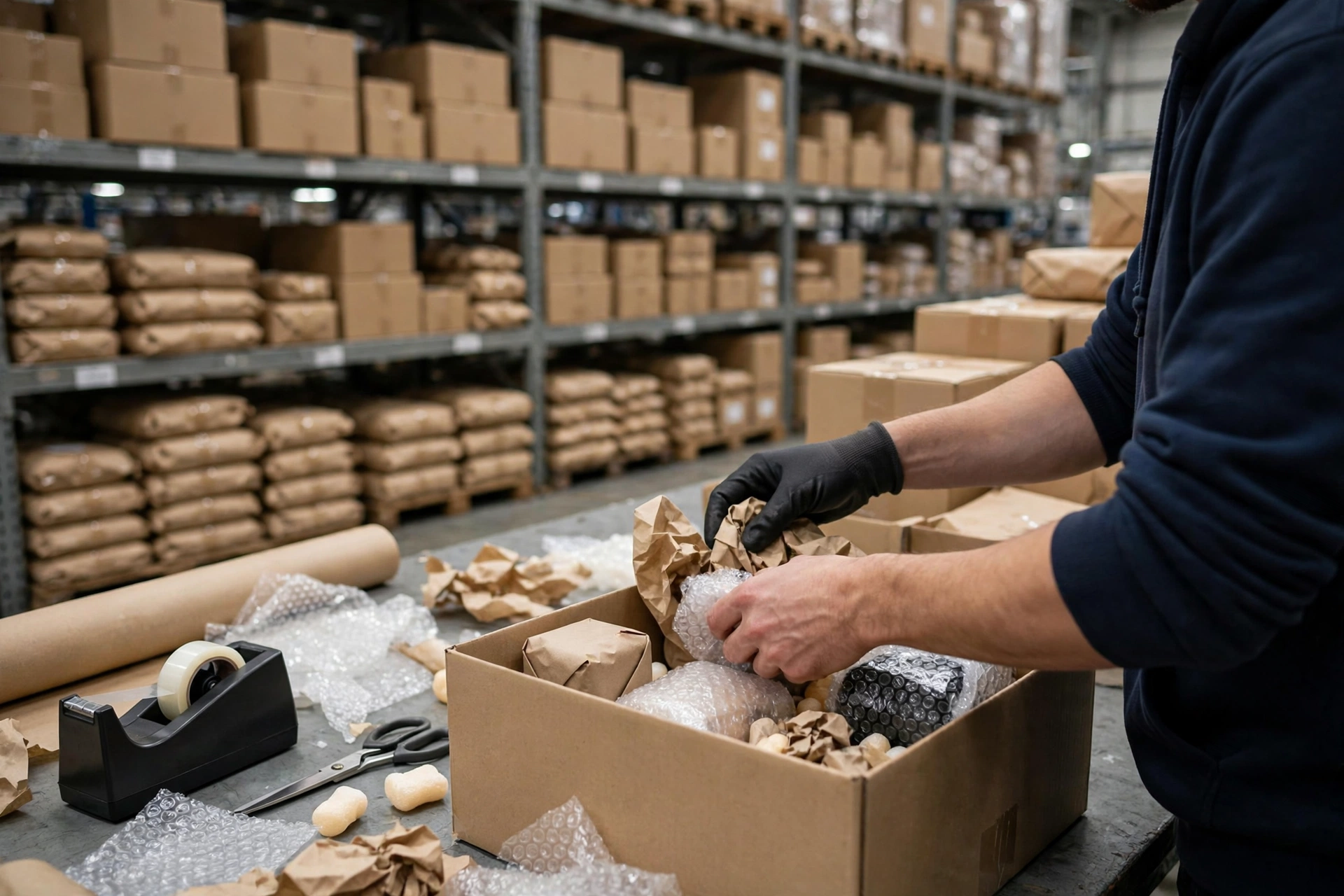
My routine is boring, and it works. Kaufland orders get their own deadline board. We clear them first in the morning because the window is shortest. A parcel is not done when it leaves the bench. It is done when tracking can be seen in the back end. Once our EU warehouse had a three-hour delay in the tracking feed. I had the person on shift upload numbers manually first and debug the interface later.
No Official Kaufland Warehouse in Germany Means Self-Fulfillment or a 3PL in the EU
Stop looking for a shortcut. There are only two real routes: fulfill from your own warehouse inside the EU, or use a local EU 3PL.
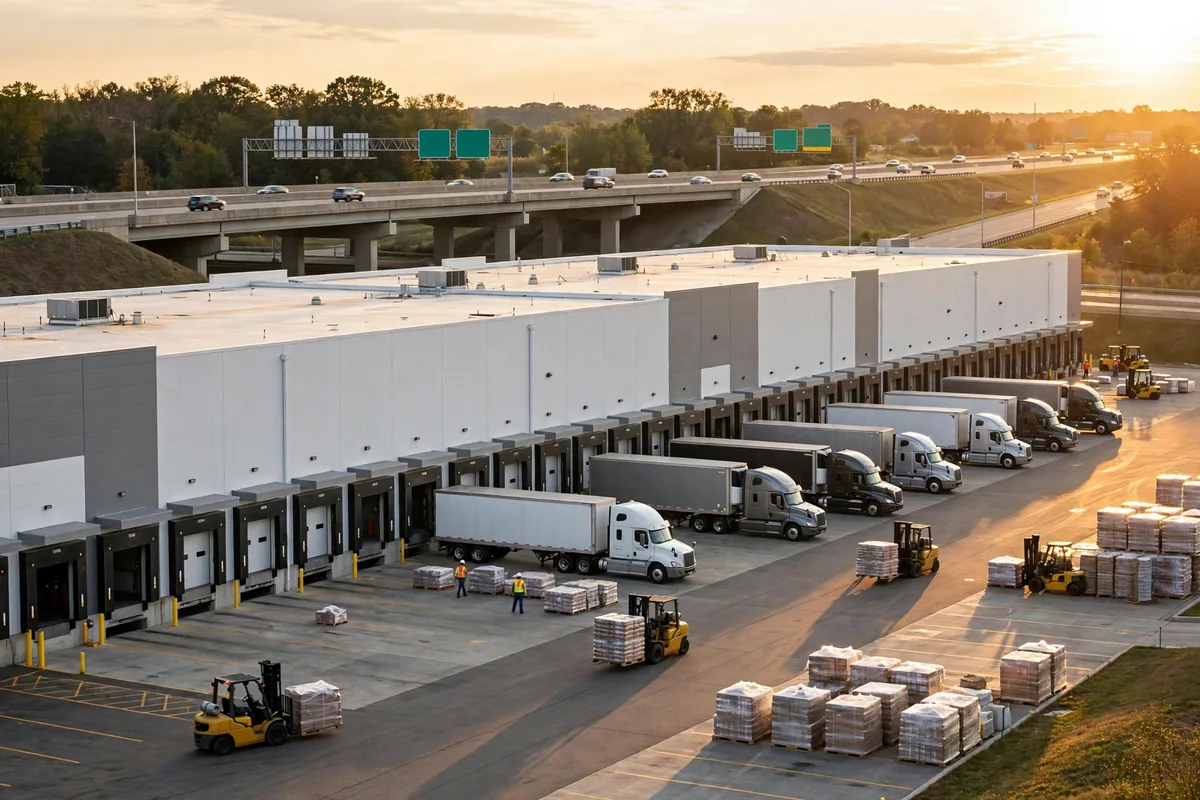
In March 2025 I spent a week at a partner warehouse in Poland that dispatches for several Chinese sellers. One seller of household goods kept stock there. When a German order came in, the warehouse picked it the same day, sent it with DPD to Germany, and tracking was uploaded that evening. He told me the biggest change was not even delivery time. It was certainty. Before, with direct shipping from China, he waited for the forwarder to give him the tracking number, and sometimes the goods had left for a day while the platform still showed not shipped. Now he knows the cutoff, the dispatch time, and the upload time.
Your own EU warehouse gives you control, but rent, labor, and compliance are fixed costs. A 3PL charges per order and lets you start faster, but you must watch its cutoff and upload speed. Before you sign, ask three things: what is the daily cutoff, do you dispatch on weekends, and is tracking uploaded automatically or typed in by hand later. If those answers are vague, walk away.
The table below is a hypothetical example for illustration only. Run your own numbers before you decide.
| Route | Hypothetical example | Where it breaks |
|---|---|---|
| Direct from outside the EU | Almost no warehouse cost at the start | Cannot reliably meet the 24 to 48 hour window |
| Own small EU warehouse | You control dispatch and uploads | Fixed cost is painful when volume is low |
| EU 3PL dispatch | Pay per order, same-day dispatch is realistic | Cutoff, peak queues, and returns must be agreed upfront |
In that hypothetical example, with 300 orders a month, the rent you save by shipping directly can be wiped out by the traffic you lose when metrics slip. With only a few dozen orders, renting your own space burns cash just as fast. My rule is simple: can you reliably send a tracked confirmation within one business day, every day, including peak weeks? If yes, optimize cost. If no, change the route first.
Returns are part of the same decision. An EU return address is a hard entry requirement. If you enter through an EU company and warehouse, agree before launch what happens to returned goods: inspection, restocking, refurbishment, or disposal. Put it in writing.
EAN, German Listings, and Entry Rules That Hit the Warehouse
Sellers treat onboarding as paperwork. From the warehouse side it is not. It decides how you receive, store, and pick goods every day.
The hard rules are clear. You must be a business seller; individuals are not accepted. Every product needs an official EAN or GTIN. Your return address must be inside the EU. Non-EU sellers need VAT registration country by country, and whether OSS can be used follows the platform's latest rules, so do not trust a provider who guarantees it in one sentence. Goods produced outside the EU need an EU responsible person under GPSR. And remember this date: from 15 June 2026, offers shipped directly from a warehouse outside the EU with a net value below 150 euros will be deactivated. If your model is low-price direct shipping from outside the EU, that rule closes most of the road.
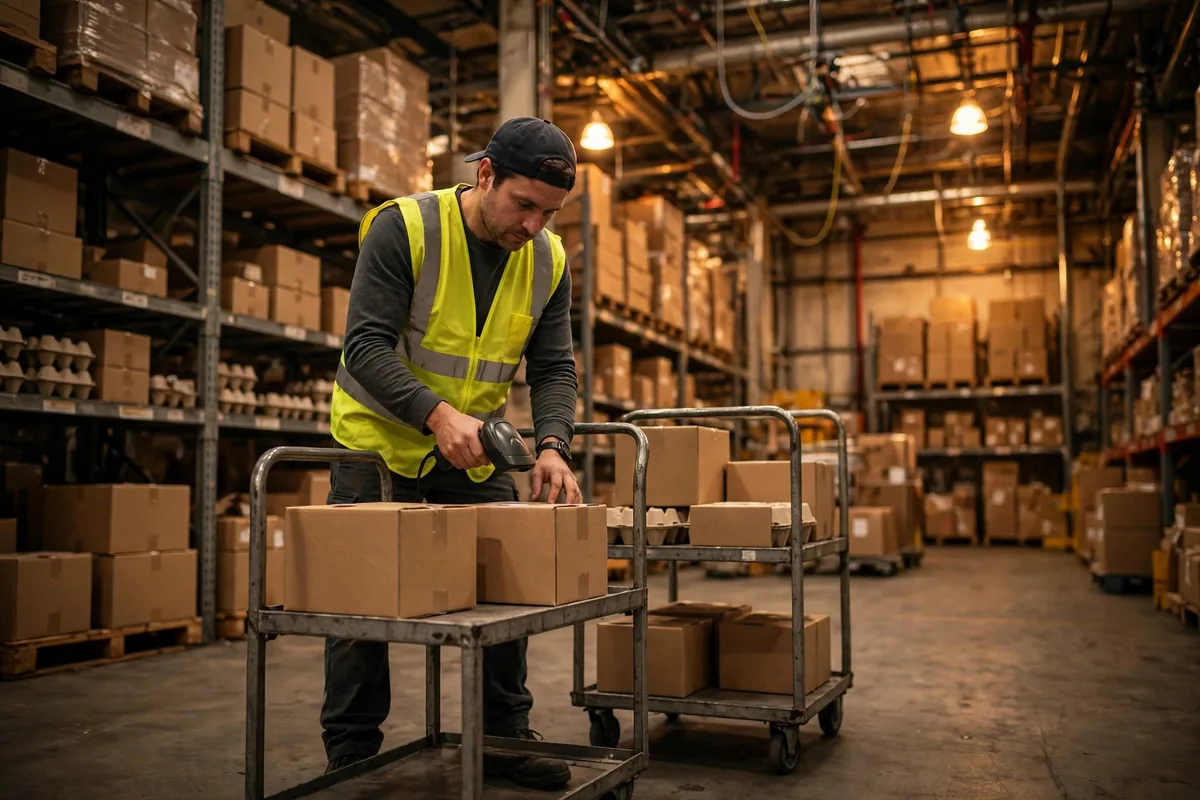
EAN discipline sounds dull until it saves you. Without one-product-one-code, receiving relies on eyeballing boxes and picking errors are only a matter of time. For Kaufland I insist on three-way matching before goods go live: the physical barcode, the code in the warehouse system, and the code on the listing must be identical. If they do not match, delay the launch by a day. Never sell first and fix later. The nightmare is a listing selling product A while the system is bound to product B. The picker follows the system, the buyer gets the wrong item, and the complaint lands on fulfillment.
German listings hit the warehouse too. Machine-translated descriptions that hide size or usage limits create returns, and return handling speed is one of the watched metrics. Before a listing goes live, I have someone who reads German check dimensions, weight, and restrictions, and I keep packaging wording consistent with the listing. One missing sentence at the front end can mean ten extra returns at the back end.
On fees, keep it rough. The monthly fee is around 39.95 euros and category commission is roughly 7% to 15%; check the official site for the latest policy. What matters is what is left after warehousing, dispatch, returns, and VAT compliance are paid.
For a Chinese seller, the path that works is unglamorous: enter with an EU business setup, pre-position stock in an EU warehouse, use a warehouse or 3PL that can upload tracking the same day, prepare the EU return address and responsible person early, and align EAN and German product data before receiving. It is all dirty work. It is also the only version I have seen run without metrics collapsing a few weeks in. This approach worked when I tested it myself.
By Ah K, E-commerce Seller (5 yrs)