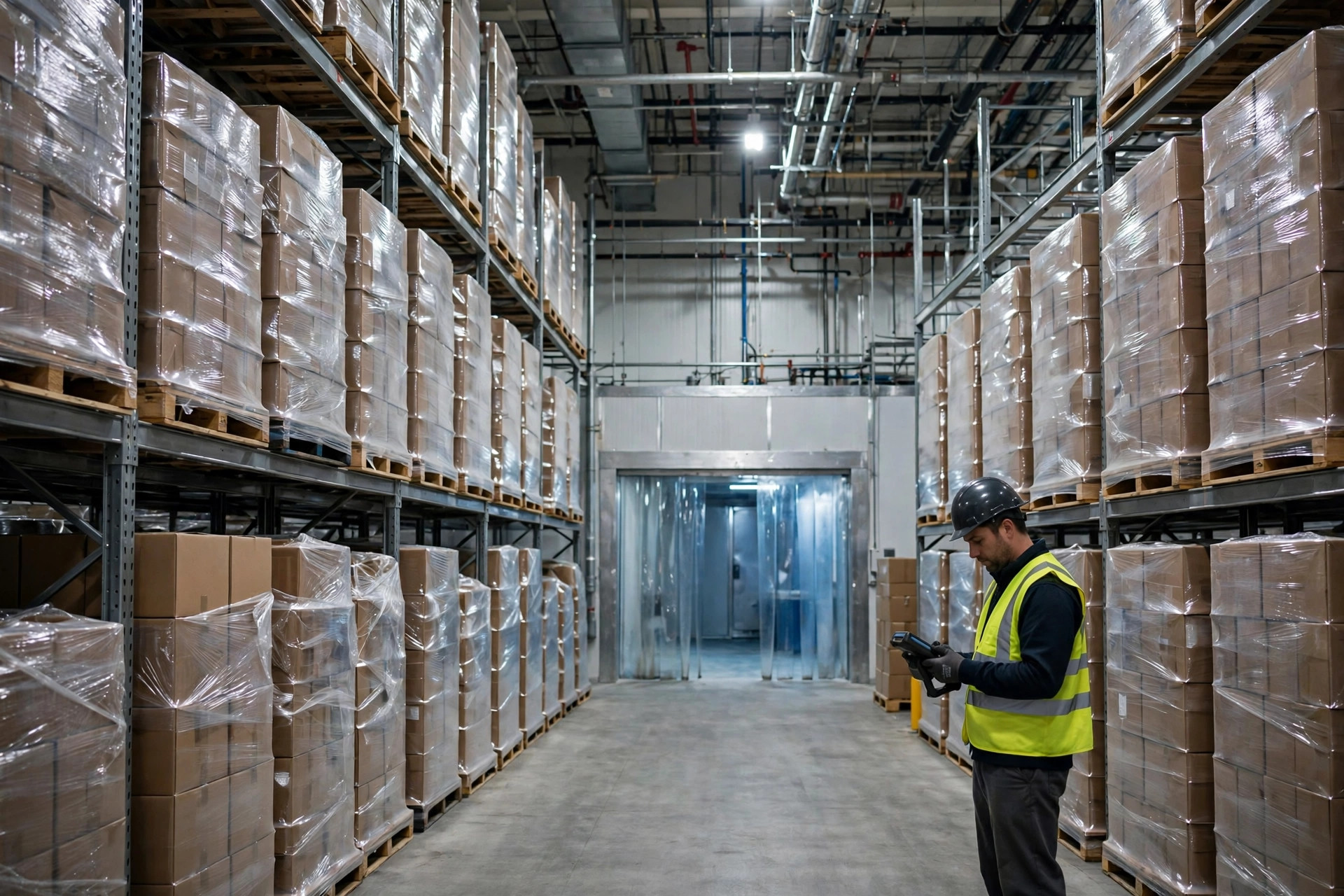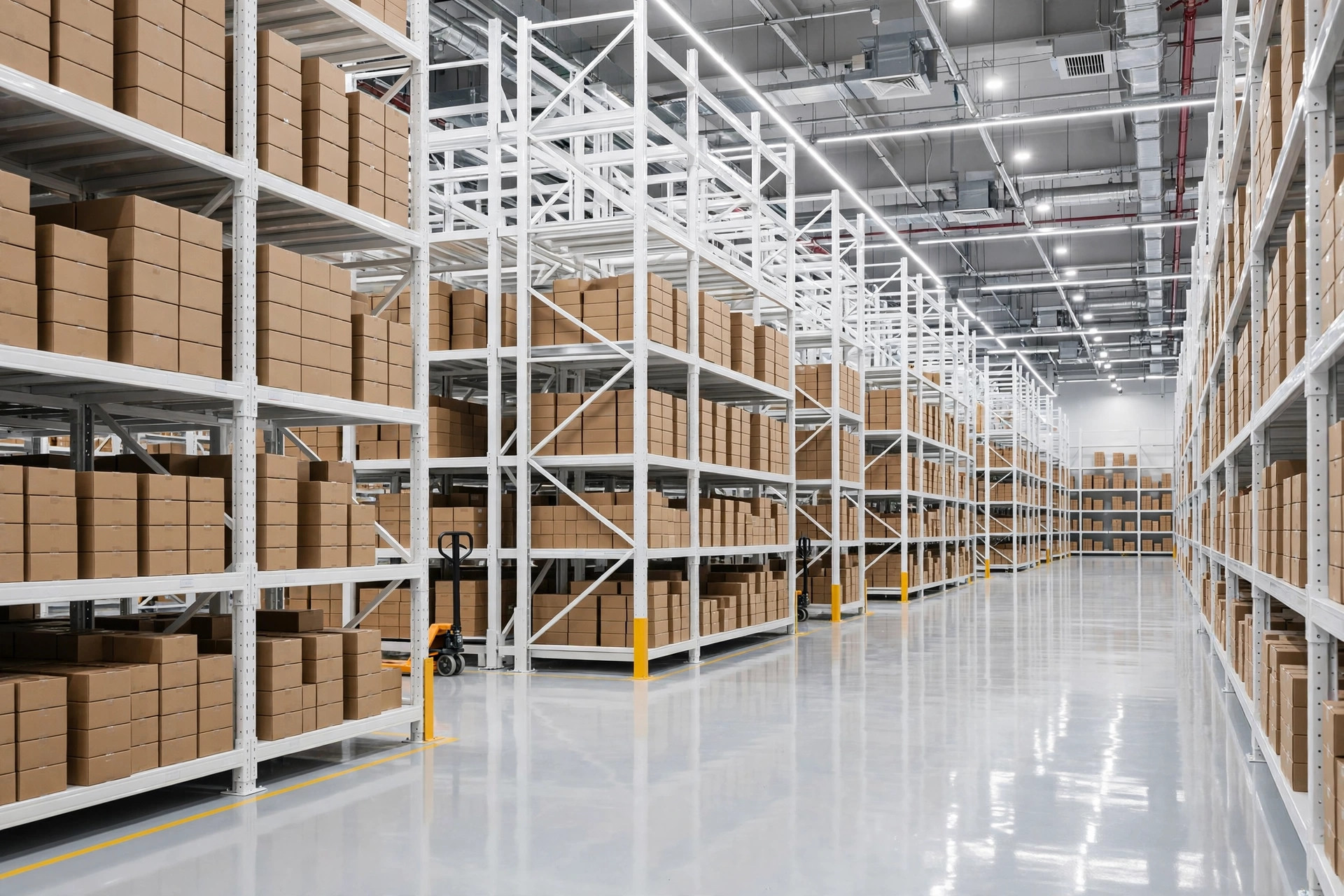
Let me give you my rule for food warehouse returns: if a returned case can reach a sellable slot without passing through quarantine and inspection first, your process is broken. Everything else is decoration.
I learned how expensive this lesson gets back in 2019. I spent three months at a food distribution warehouse outside Los Angeles — 120,000 square feet, dry and refrigerated zones separated, the cooler held at 2–8°C around the clock, audits passed every year. A solid-looking operation. Their returns process worked like this: the driver dropped off returns, the receiving clerk glanced at the outer cartons, tapped "returns received" in the system, and the cases went straight onto empty slots in the sellable area. When I asked why, the answer was: returns come in every day, setting aside a whole zone isn't worth it.
Here's what happened next. A batch of yogurt with about 20 days of shelf life left came back. Outer cartons looked fine. Nobody read the temperature log. The cases went back into sellable stock, and three days later they shipped out as normal inventory. The store found bloated cups on arrival, rejected the delivery, and escalated to corporate. The chain's quality team flew in, wrote up four non-conformances, and the worst one read: "returned product returned to saleable inventory without inspection." The remediation cost that warehouse close to $60,000 — rebuilding the quarantine area, reconfiguring the system, retraining everyone — and they lost a major customer's contract renewal. Sixty thousand dollars for one lesson: returns that skip quarantine and inspection are a gamble.
A quarantine area is a system lock, not a floor marking
The logic is straightforward: you have no idea what that case went through out there. Did the cold chain break in transit? How long did it sit in the store's back room? Was it opened by a consumer? Is the outer packaging contaminated? None of that is visible at the receiving dock. Sending a return straight to a sellable slot means planting an unknown risk inside the inventory you trust most.
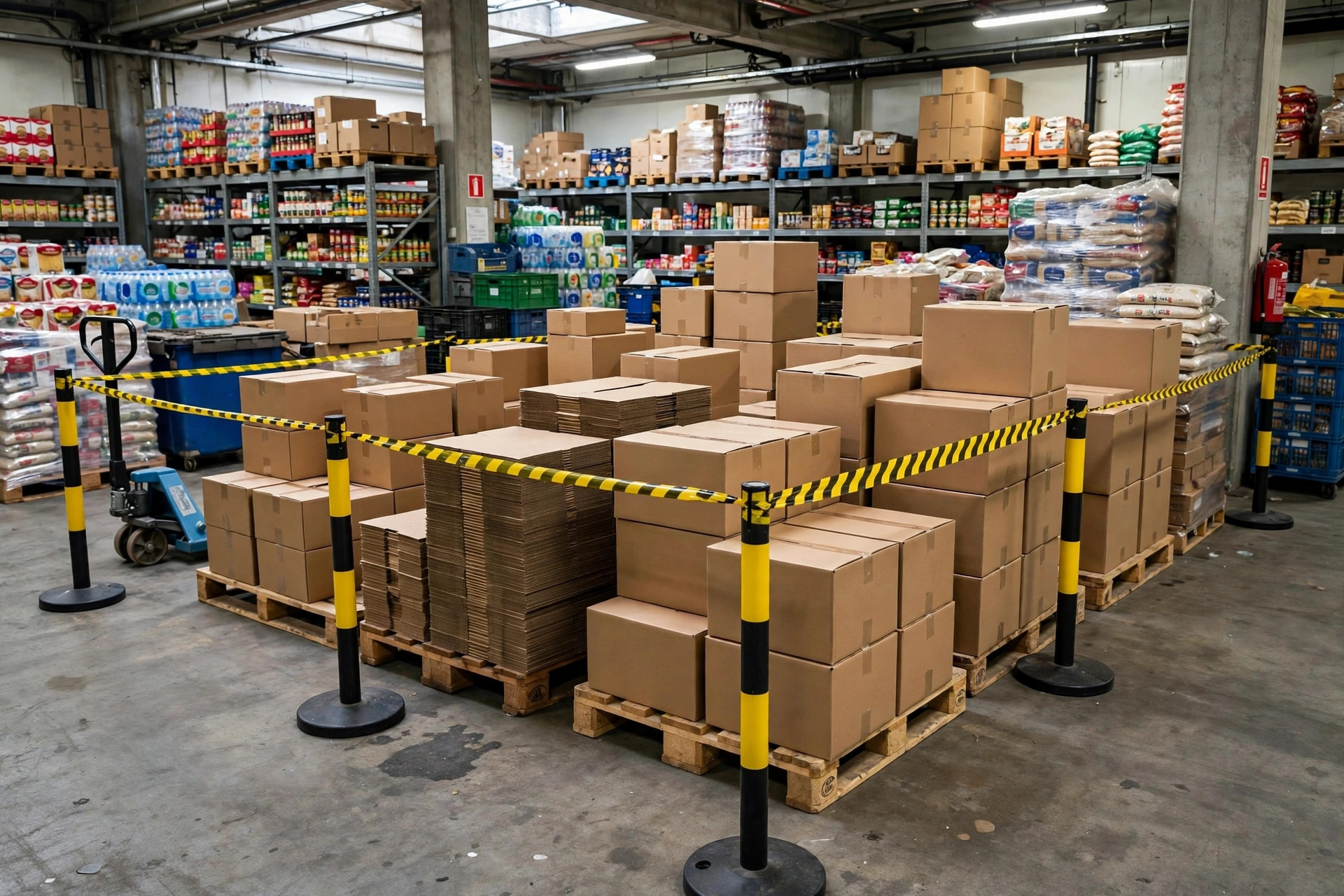
A real quarantine area does three things. First, it has a physical boundary and clear signage — ideally a fenced-off section or a separate room. Painted yellow lines on the floor don't count; a painted line has never stopped a forklift driver from setting a pallet down "just for a minute." Second, the flow is independent: returns go from the dock straight into quarantine without crossing the sellable area. Third, the system enforces it with a logical hold status. Stock in quarantine should be invisible to picking and shipping — at the better warehouses I've seen, the picker's handheld doesn't even show hold-status inventory, so mis-shipping it isn't just forbidden, it's impossible.
How big should the quarantine area be? Size it to your return volume. For a typical food distribution warehouse, plan for two to three days of average daily returns. If space is tight, carve out at least one dedicated rack section — placarded, physically secured, and system-locked. All three, no shortcuts.
The four inspection checks I never skip
Once product is in quarantine, inspection happens before any disposition decision. My checklist has four moves, and nothing gets a verdict until all four are done.
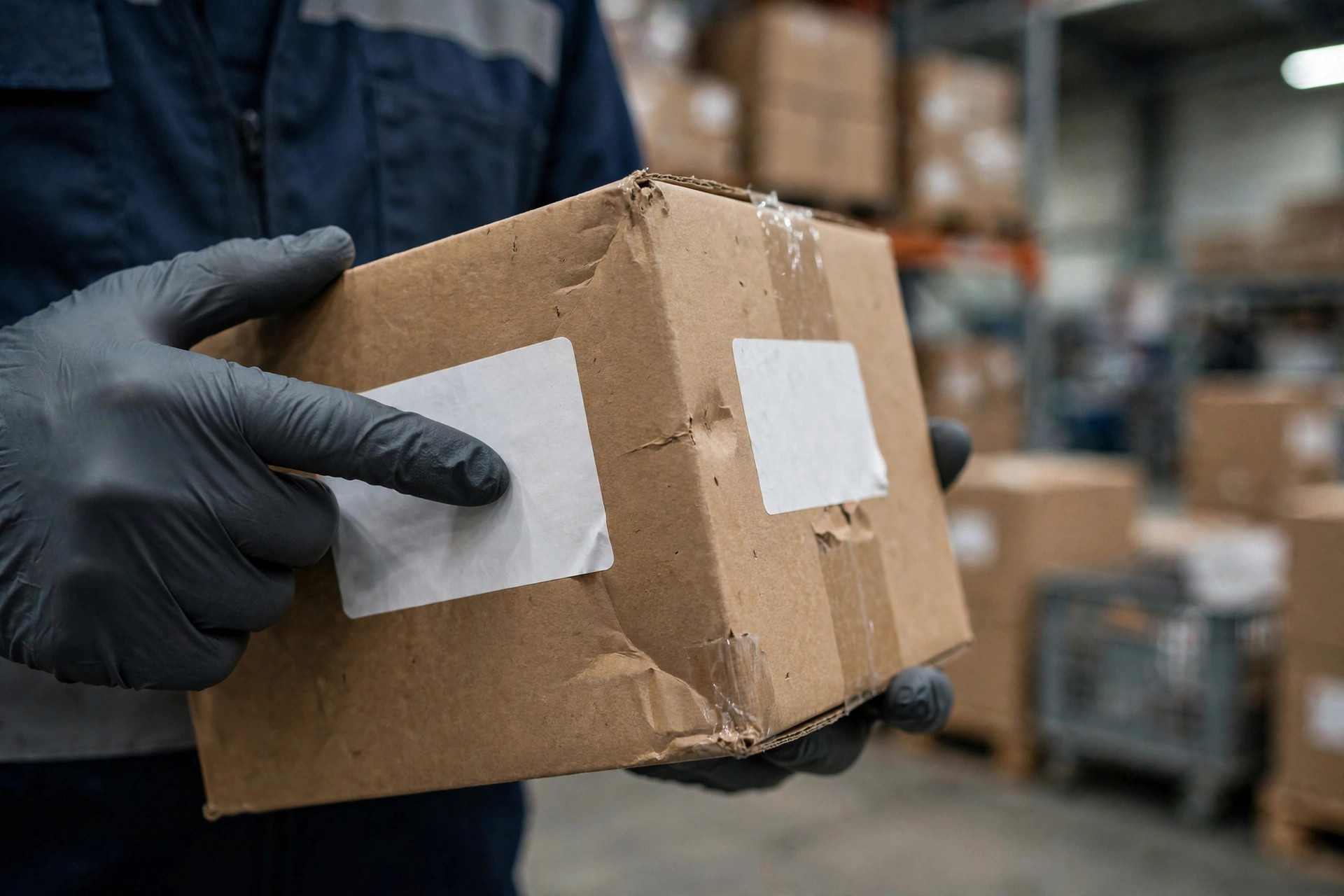
Check one: the outer packaging. Damaged, damp, or oil-stained cartons, or tape that shows signs of resealing — fail, stop there. For food, the outer carton is the first line of defense. If it's compromised, the conversation is over.
Check two: dates and lot codes. Verify production date, best-by date, and lot number, then cross-reference the lot in the system against what originally shipped. Short-dated product goes straight into the short-dated handling flow — no hesitation. I've watched people think "twenty days left, ship it fast and it'll sell." That mindset is exactly where the $60,000 lesson above started.
Check three: the temperature record. For refrigerated and frozen returns, you need the temperature history from transit and storage. Product that broke the cold chain does not go back to sellable stock no matter how normal it looks — microbial growth is invisible. Ambient product can get a lighter touch here, but in hot climates (a Southern California receiving dock in August can top 40°C), I'd ask for temperature documentation on heat-sensitive categories like chocolate and confectionery too.
Check four: sensory inspection. Open sample cases and check smell, color, and texture. Bloating, leakage, mold — any of these is an instant fail. This step needs no instruments. It needs a trained inspector willing to say "this case doesn't pass." Plenty of warehouses don't have a process problem; they have a people problem. An inspector who looks the other way to avoid friction makes the finest checklist worthless.
Three exits, and only three
After inspection, product has exactly three possible dispositions. There is no fourth.
Exit one: back to sellable. All four checks pass — packaging intact, dates solid, temperature record complete, sensory normal — and the system status flips from hold to sellable, slotted back on a first-expiry-first-out basis. The bar for this exit should be set high enough that most returns don't clear it. That's the whole point of having a quarantine area. If quarantine becomes a rubber-stamp conveyor back to the racks, you may as well not build it.
Exit two: donation. Product with minor outer damage but intact inner packaging and adequate remaining shelf life often goes to a food bank. Two cautions: donation needs the same paper trail — product name, lot, quantity, recipient, all of it; and for cold-chain categories, confirm the recipient can actually store it properly. Donation is a good thing done badly is still a liability.
Exit three: destruction. Product that can't be resold goes through a destruction process, and destruction is not "throw it in the dumpster." You need records — product, lot, quantity, reason, date — traceable end to end. Where feasible, use a licensed destruction vendor and get a certificate of destruction back. How long do you keep those records? Follow whichever is stricter between your customer contracts and the applicable official requirements. I won't quote a specific retention period here — requirements vary by state and by retailer, so go with the FDA's and the relevant authorities' current requirements.
How I judge a returns process
So here's my verdict on what makes a returns process genuinely adequate. I don't grade the paperwork. I check three things: Is there a quarantine area that is physically separate, secured, and system-locked? Does every returned case have an inspection record showing which of the three exits it took? And can the destruction and donation records be produced for an auditor on demand?
If all three hold, returns are under control. If any one of them is "mostly," "usually," or "it depends," then that $60,000 tuition bill is just waiting for someone else to pay it.