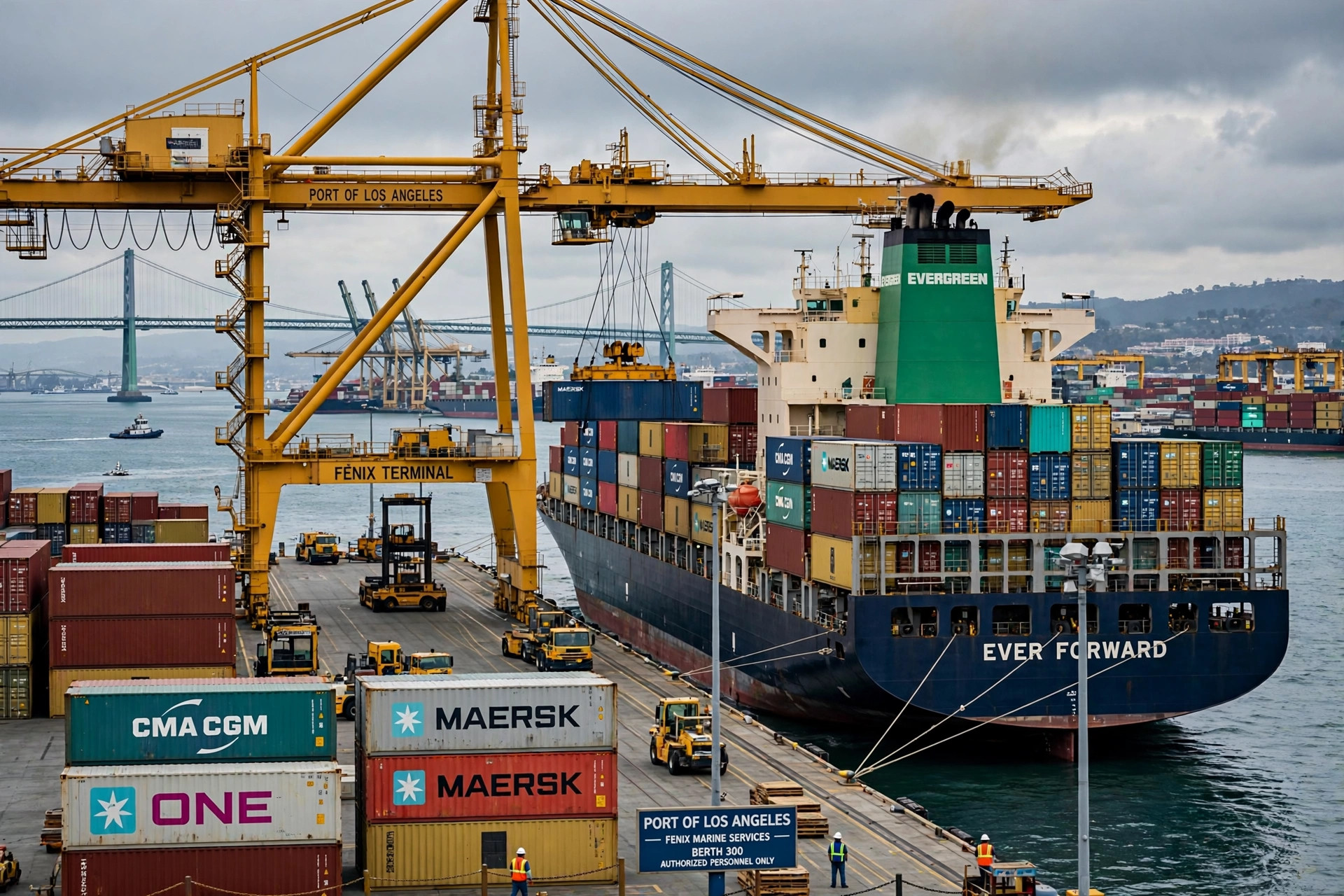
Importing automation equipment from China has become a routine line item for a growing number of US warehouses. Over the past two years, I have seen more and more American importers put AGVs, sorters, and racking systems from Guangdong and Zhejiang on their capex lists. And almost every RFQ round ends the same way: three quotes on the desk, EXW, FOB, DDP, with the headline numbers only a few percentage points apart. For anyone searching FOB vs EXW vs DDP importer guidance, the real question is never the headline price. It is what happens after the contract is signed — who pays for everything the quote does not show.
FOB vs EXW vs DDP: who actually pays for what
The three terms draw the responsibility line at different points in the journey, and that line is what decides your total landed cost. In plain terms:
- EXW (Ex Works): the seller's job ends at the factory gate in China. You arrange inland trucking to the port, export customs clearance, ocean freight, insurance, US import clearance and duties, port charges, and drayage to your warehouse.
- FOB (Free on Board): the seller gets the goods onto the vessel at the port of loading. From the moment the container leaves the port, the bill is yours — freight, insurance, US clearance, duties, port fees, inland delivery.
- DDP (Delivered Duty Paid): the seller handles everything, door to door, duties included. You receive the equipment at your dock and pay one price.
A side-by-side view of who bears each leg:
| Cost leg | EXW | FOB | DDP |
|---|---|---|---|
| Inland trucking in China | Buyer | Seller | Seller |
| Export customs clearance | Buyer | Seller | Seller |
| Ocean freight | Buyer | Buyer | Seller |
| Cargo insurance | Buyer | Buyer | Seller |
| US import clearance + duties | Buyer | Buyer | Seller |
| Destination port charges (THC, congestion) | Buyer | Buyer | Seller |
| Inland drayage to warehouse | Buyer | Buyer | Seller |
The table looks simple. The money that moves around it is not.
The invisible bill: ISF, brokers, and the dray that ate the margin
Under EXW and FOB, a whole layer of cost sits off the quote. The Importer Security Filing (ISF) is the importer's legal responsibility — it must be filed before the vessel sails, and most first-time buyers only learn this when their broker mentions it. Then come broker fees, documentation charges, terminal handling, and the wildcard: customs examination. An exam means exam fees plus demurrage while the box sits, and in a congested season at Los Angeles/Long Beach those days add up fast. Finally, drayage from the port to your building — for a Midwest warehouse, that inland leg alone can rival the ocean freight in an illustrative-order-of-magnitude sense.
A case from late 2025 makes the point. A third-party warehouse operator outside Chicago bought an AGV fleet control system from Guangdong, cargo value in the roughly $180,000 range, and chose EXW because the quote looked about 6% cheaper than the FOB alternative. They had no office in China. Their forwarder handled export clearance and inland trucking, the sailing was rolled twice in peak season, and once the box reached Los Angeles it was pulled for customs exam — exam handling plus several days of demurrage, all on the buyer's account. Then came drayage from LA to the Chicago area. When the finance team closed the books, total landed cost ran about 8% above the FOB quote they had walked away from. The EXW discount existed only on the quote. Every bit of management cost landed on the buyer.
The counterintuitive lesson: the cheapest DDP quote is rarely the cheapest total cost
DDP looks like the answer — one price, zero hassle. But in 2026, with tariff policy moving frequently, that one price carries something baked in: the seller's risk premium.
Early in 2026, an e-commerce fulfillment warehouse in Ontario, California sourced a small automated sortation line and collected three quotes — EXW, FOB, and DDP. The DDP quote had the lowest headline unit price, roughly 4% under the FOB number, and looked like the obvious pick. Then the buyer read the annex: duties under the DDP price would be settled at the tariff rate applicable at the time of delivery, and the seller reserved the right to adjust for policy changes. The procurement lead did the math that the contract invited: in a year of frequent tariff movement, the seller must have priced the upside risk into the quote. The apparent 4% saving was plausibly bought with a 6–8% hidden premium. They went with FOB instead, cleared through their long-standing broker, paid duties as actually assessed — always checked against the latest official published policy — and, in their words, slept better.
This is the structural point about DDP in a volatile tariff environment. DDP is the seller insuring you against uncertainty, and in 2026 uncertainty has a price. The seller cannot know next quarter's duty rate any better than you can, so the rational move is to pad. The padding is invisible — it lives inside a single bundled number you cannot audit. According to the pattern visible across recent RFQ rounds I have tracked, DDP suits buyers with no US clearance capability, where the alternative is expensive mistakes. But buyers with an established broker relationship and repeat volume can usually clear and pay duties themselves for less than the premium hidden in the DDP bundle. The cheapest DDP quote on the desk is often the one hiding the deepest risk premium.
A decision framework: which term, in which situation
There is no universally right answer — only the right answer for your operating reality:
- First-time importer, low frequency, modest cargo value → DDP. The premium is real, but so is the cost of your first ISF mistake or your first exam without a broker on retainer. Pay for the learning curve to be someone else's problem.
- Established broker and forwarder, repeat purchasing → FOB. The responsibility boundary is clean, every cost leg is visible and auditable, and you keep control of the two variables that matter most: freight timing and duty exposure.
- Buying office or sourcing team in China → EXW. Worth it only if you can genuinely manage the origin leg — inland trucking, export clearance, vessel booking. Otherwise EXW is a discount you pay for twice.
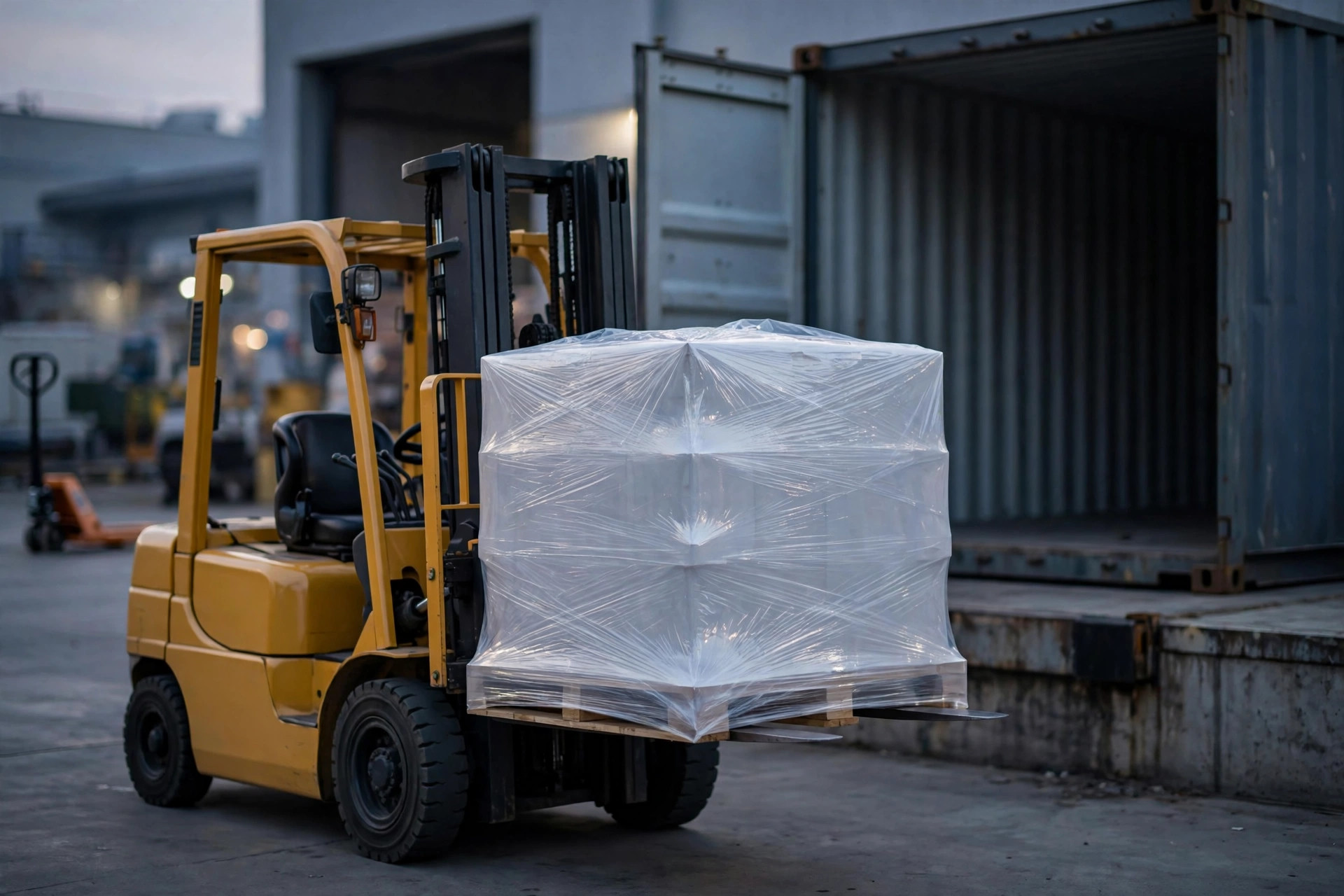
One automation-specific wrinkle: this equipment is bulky, crated in wood, and frequently oversize. Under DDP the seller owns packing and container loading, so damage claims have a short chain. Under EXW you supervise the loading yourself, and crating damage becomes the easiest dispute in the shipment to lose. Factor that into the framework, not just the freight math.
So here is the open question I would leave you with, rather than a verdict: the next time you source automation equipment from China, ask every supplier for all three quotes — EXW, FOB, and DDP on the same machine — and build your own total-landed-cost sheet, leg by leg. It takes an afternoon the first time. After that, every purchase reuses it, and you will never again have to guess where the 4% went.
By Dr. Chen, Supply Chain Researcher