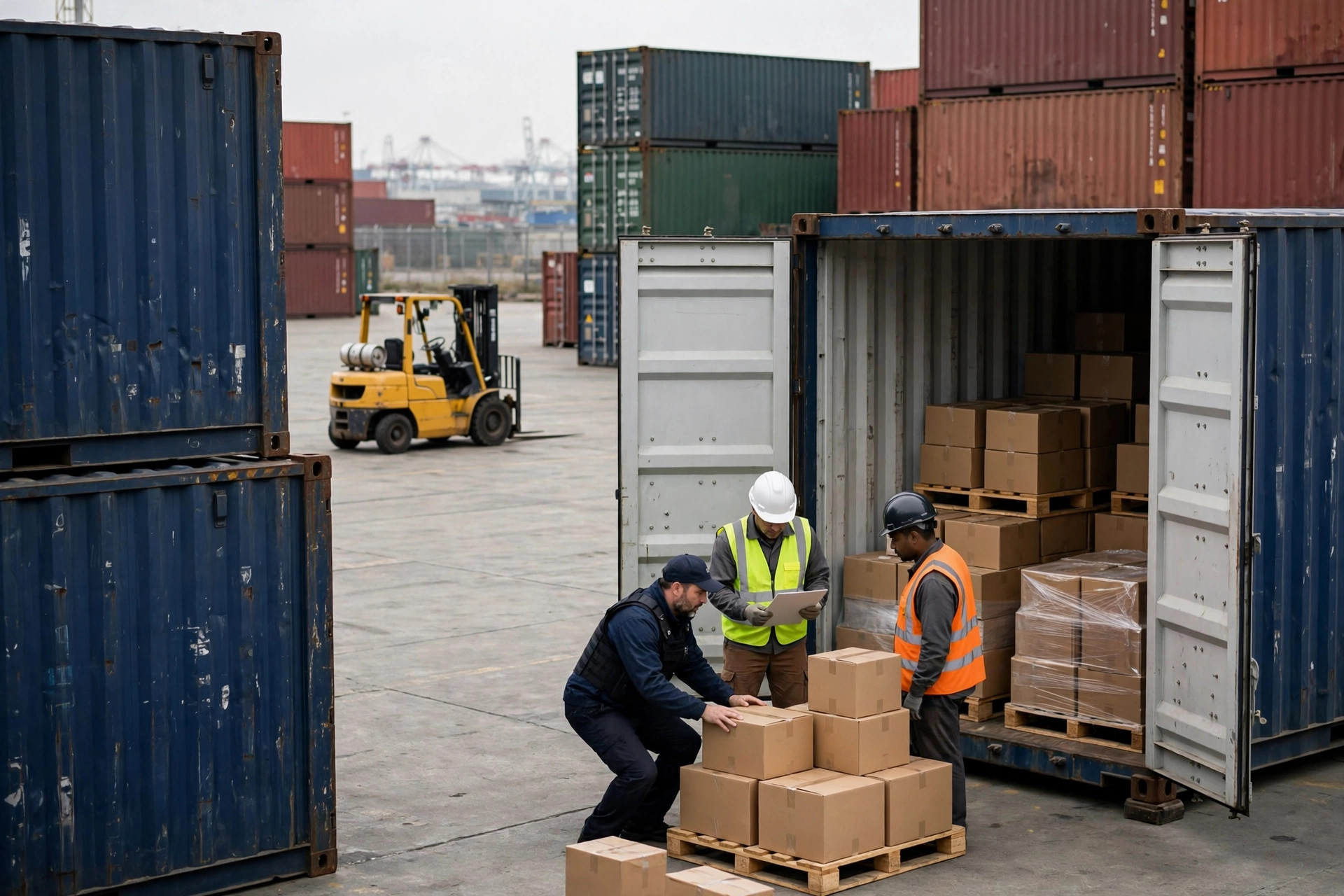
When the FDA detains a shipment, the importer isn't the one losing sleep. The warehouse is. The freight sits in your building, you can't touch it, and the importer calls every day demanding a release. Here's my conclusion up front: once a detention lands, the warehouse can only do four things — lock the freight down, get the paperwork ready, cooperate with sampling, and recondition exactly as approved. Bluntly put, your job isn't to get the freight out. Your job is to keep the door open for it to get out.
After an FDA detention, the warehouse can really only do four things
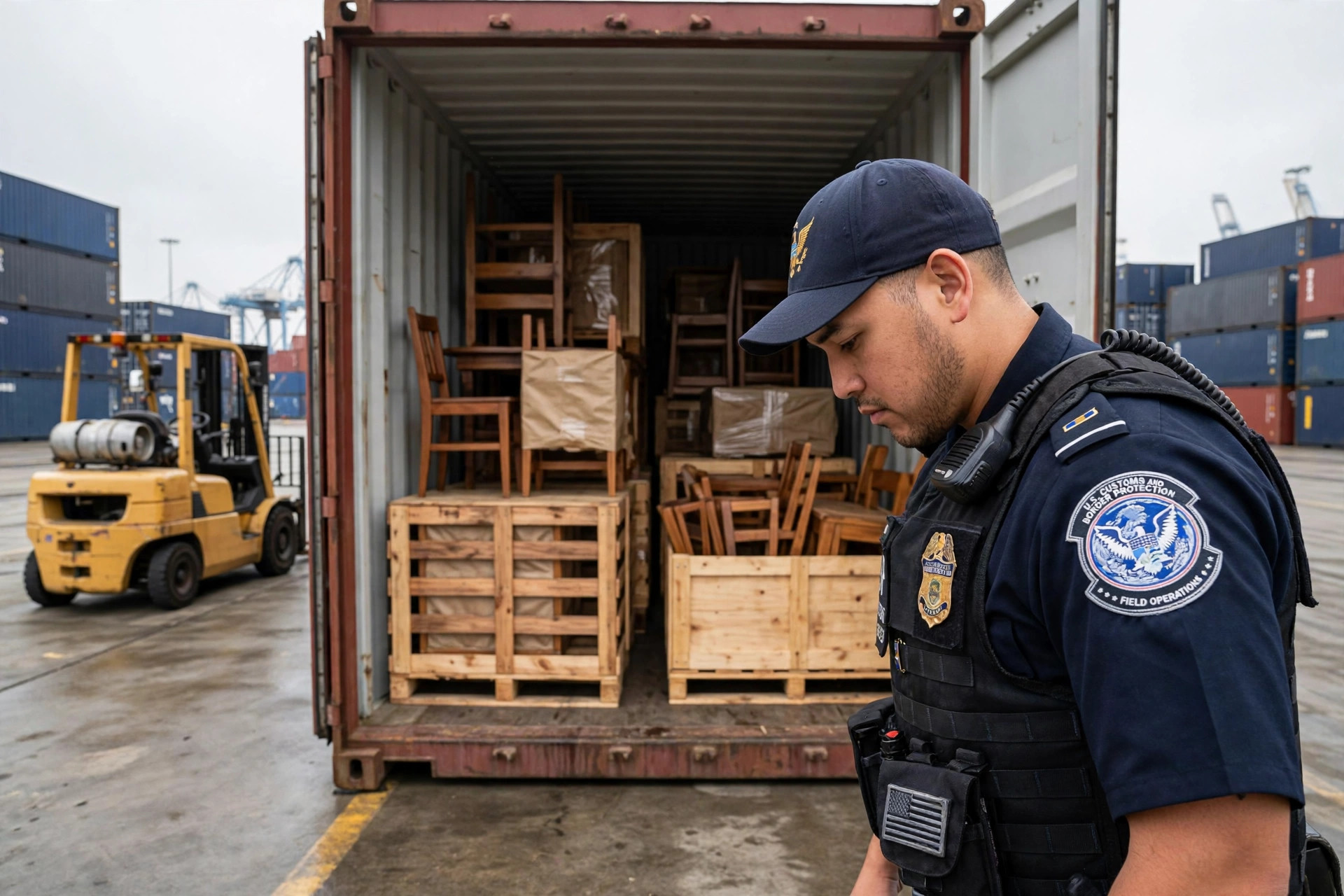
Let me lay out the process so nobody wastes motion. An FDA detention starts with a Notice of FDA Action — a detention-and-hearing notice that names the suspected violation and gives you a contact. The importer gets 10 days to respond with evidence or request a hearing. That 10-day window is statutory. Miss it, and the shipment is effectively dead.
After that, three paths: one, the evidence is solid and FDA releases the goods; two, the problem is fixable, the importer files Form FDA-766 requesting authorization to recondition, and the warehouse does the work under FDA's approved plan, then FDA re-examines and releases; three, the importer gives up and the goods are exported or destroyed. And path three isn't as simple as walking away — refused goods trigger a redelivery notice from CBP, and failing to export or destroy on time can mean liquidated damages of up to three times the declared value.
Two sides to this, as always. The importer fights the paperwork battle with FDA. The warehouse fights the freight battle on the floor. Different fights, but every move the warehouse makes decides whether the importer has any cards left to play.
The worst one I ever saw: a label off by a few words, freight parked in quarantine for weeks
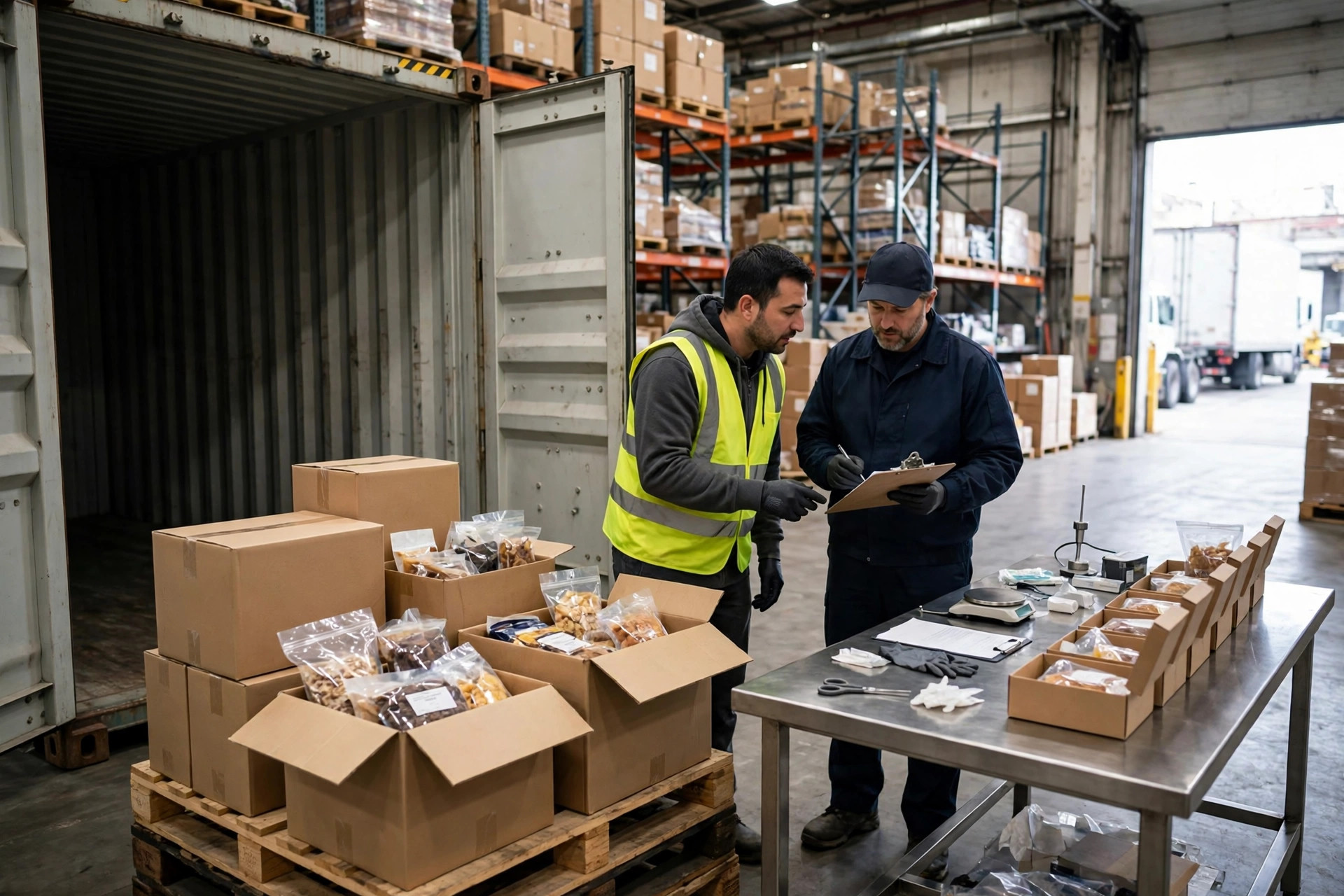
A few autumns back, at a 3PL warehouse near Ontario, California, a shipment of imported nut gift boxes got detained. The reason was almost embarrassingly small: the nutrition facts panel didn't match the actual product. Misbranding. A labeling violation. The importer's first reaction was to blame the customs broker — "but the entry filing was clean!" I told him a clean filing doesn't mean a clean label. FDA samples the physical product, not your paperwork.
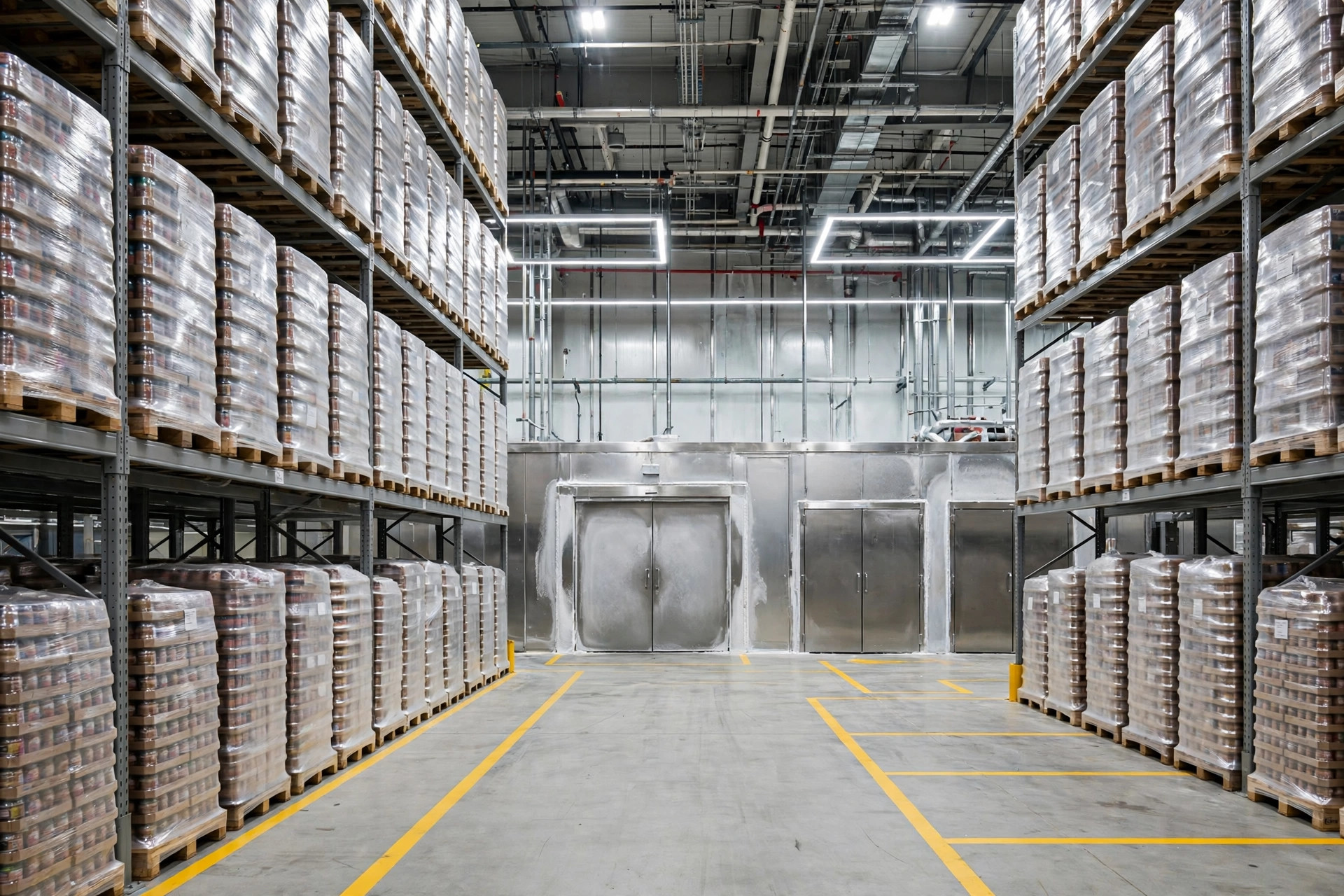
That shipment got released because the warehouse did three things right. First, the freight went into quarantine the day the notice arrived — WMS status locked, locations frozen, nobody shipping it "by accident." Second, receiving records, batch docs, carton-opening photos, and temperature logs went to the importer complete — the only ammunition the appeal had. Third, once FDA approved the FD-766 reconditioning plan (full relabeling), the warehouse executed it piece by piece, photographed everything, and passed FDA's visual re-examination on the first try.
Here's the counterintuitive part: after an FDA detention, the warehouse's greatest value isn't "getting the freight out fast" — it's "don't touch the freight." Detained goods that get moved, opened, or relocated without authorization can be treated as a violation of the detention order. I've seen too many warehouses do the well-meaning wrong thing — the importer calls, "just shift it to the other aisle," the forklift driver shifts it, and then FDA shows up to sample and the freight doesn't match the records. Credibility: zero. Remember: once detained, the freight's stillness is itself evidence.
The other one: the supplier was on the Red List before the freight ever reached us
Another case: a seasoning importer near the Port of Long Beach — freight detained at arrival, never saw the warehouse door. The supplier was on an FDA Import Alert, which means DWPE: detention without physical examination. The cruelest and fairest kind. Cruel because this shipment might have been fine. Fair because the supplier had a track record.
In that situation, the warehouse could only help with one thing: building the importer's self-defense chain. The importer commissioned a private lab report proving this lot was free of the violation named in the Import Alert, and submitted it through ITACS — FDA's preferred document channel, usable by the importer or the broker. The evidence held. The freight was released.
The trade-off, honestly: private lab testing costs money and time. Win the bet, you save the whole shipment. Lose it, the testing money is gone and the freight still has to be exported or destroyed. How do you decide whether the bet is worth it? Two questions: does the supplier have a clean history — a one-off problem and a systemic problem are different animals; and is the issue a paperwork/labeling problem or a real contamination problem — the first has a path, the second usually doesn't. Low cargo value plus weak evidence? Cut your losses, export or destroy, and stop burning money on hope.
Before chasing the release, count the money: what a detention actually costs
My rule: do the math before you pick a strategy. A detention burns money by the day. Here's where it goes:
| Cost item | Paid by | How it's charged |
|---|---|---|
| Port demurrage | Importer | Daily; rates per each port's published schedule |
| FDA examination-related costs | Importer | Includes inspector time, travel, and administrative support |
| Warehouse quarantine storage | Importer | Daily, usually at a special quarantine rate |
| Lab testing | Importer | Per test scope |
| Reconditioning labor and materials | Importer | Relabeling, repacking, etc., per actual work |
| Broker and legal fees | Importer | Per service provider's quote |
And here's the trade-off: the daily burn screams "decide fast," but deciding fast usually means thin evidence and a lower chance of release. My advice: pick one of the three paths within 72 hours, then execute it hard. The worst move is "let's wait and see" — wait a month and demurrage alone eats the entire margin.
The three-path decision framework:
| Option | When it fits | Timeline | Risk |
|---|---|---|---|
| Appeal with compliance evidence | Strong evidence: clean private lab report, complete documents | Days to weeks | Weak evidence gets rejected outright |
| Reconditioning (Form FDA-766) | Fixable problems like labeling violations | FDA approval plus reconditioning and re-examination time | FDA can simply deny the application |
| Walk away: export or destroy | Low cargo value, weak evidence, reconditioning not worth it | Fastest | Ignoring redelivery risks penalties up to 3x declared value |
The warehouse playbook for a release: documents, sampling, reconditioning
Documents come first. After a detention, the importer is always starving for documents, and the warehouse should hand over everything: commercial invoice, packing list, ingredient sheets, the manufacturer's FDA registration, batch production records, the bill of lading. How carefully you received the freight on a normal day gets fully exposed on a day like this. And quarantine locking, batch traceability, and photo archiving should run through the WMS as automated workflows — status locks, location freezes, batch lineage recorded by the system, not someone's spreadsheet. A manual logbook is the first thing to go missing when it matters. That's why this piece carries the "automation" tag: automation isn't for show, it's so you have evidence when things go wrong.
Sampling comes second. When FDA investigators come to sample, make the cartons accessible, record exactly which cartons and batch numbers were taken, photograph everything, and reseal per instructions. The sampling record has to match the WMS batch data — if it doesn't, that's a real problem.
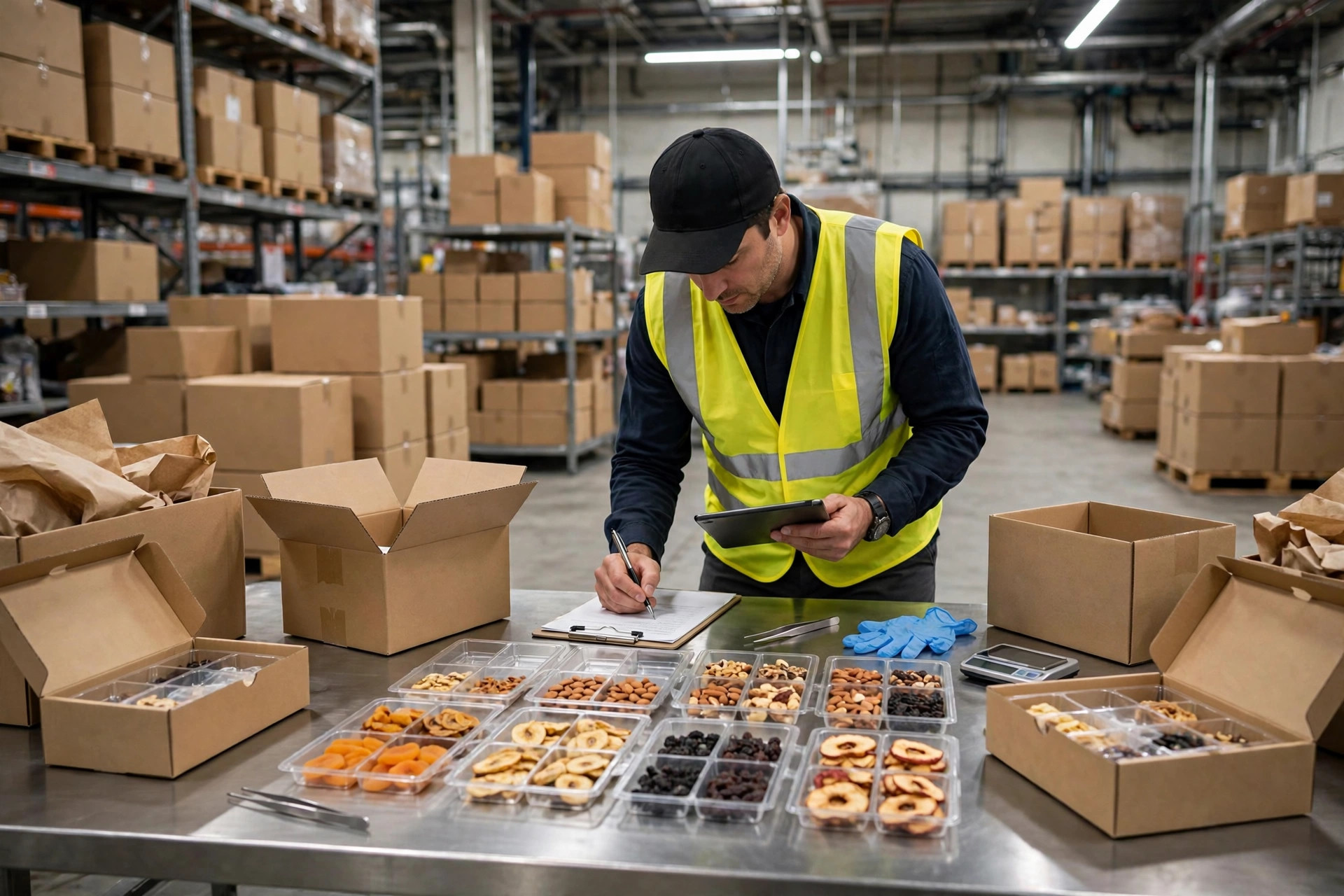
Reconditioning comes third — where most people step on a landmine. Iron rule: without FDA's written approval, you don't change a single label. After the FD-766 is approved, execute the approved plan piece by piece, photograph the work, and wait for FDA's re-examination. "Close enough" doesn't count — FDA's visual check is piece by piece, and one missed unit sends the whole lot back.
The 72-hour action checklist after a detention
Day one: confirm the shipment and batch numbers on the Notice of FDA Action. Quarantine the freight, lock the status and freeze the locations in the WMS, photograph everything. Notify the importer and the broker, and pin down exactly when the 10-day response window closes.
Day two: assemble the document package — invoice, packing list, ingredient sheets, manufacturer registration, batch records. Pick your path: if appealing, engage a qualified lab for testing; if reconditioning, start drafting the FD-766 proposal; if walking away, get quotes for export or destruction.
Day three: submit the documents through ITACS to the FDA contact on the notice. Keep the reconditioning plan moving in parallel. And give the importer a cost estimate and timeline, so they know exactly how much money burns every day.
An FDA detention was never a test of who you know. It's a test of what you recorded. The photos you took today, the locations you locked, the batch numbers you kept — that's the entire case the importer will have months from now when they try to get their freight back. So one last question: does your warehouse have a process that triggers automatically the moment a detention hits? If not, build one now, while nothing's on fire.
By Lao Mi, Supply Chain Veteran (20 yrs)