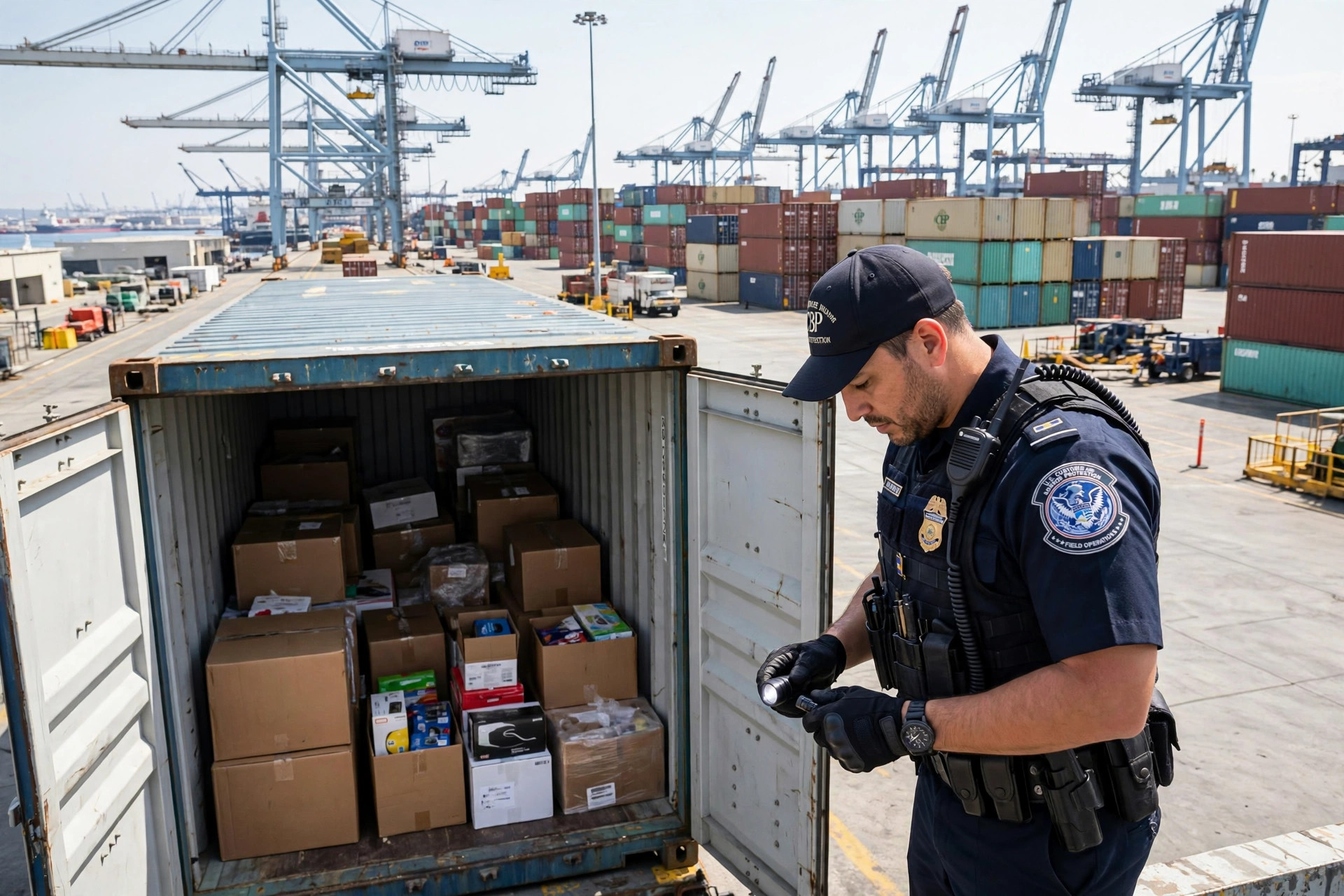
A notable pattern has been spreading through U.S. importer circles in recent years: more importers are coming under customs scrutiny, but the form of that scrutiny has changed. The old fear was the single-shipment exam — a container pulled for inspection, two weeks of delay, an exam fee. Today, a growing number of importers receive a politely worded letter instead: U.S. Customs and Border Protection (CBP) is placing your company into a Focused Assessment program. According to CBP's published enforcement posture, this type of audit does not test whether one entry was declared correctly. It tests whether the importer's entire internal compliance system is sound. Once you are in, they are not auditing your cargo. They are auditing your company.
What a Focused Assessment Actually Examines
To understand the program, it helps to separate it from the familiar single-shipment exam. A shipment exam answers "was this entry correct?" A Focused Assessment answers "is this importer capable of staying compliant?" The audit team looks at five dimensions of the importer's systems: classification, valuation, origin, applicability of trade remedy measures, and — most importantly — whether internal control procedures exist in writing, are actually followed, and leave a traceable record.
In other words, the auditors are not asking "did you get this one right?" They are asking "what guarantees the next one will be right?" Is there a written classification review process? Are valuation adjustments documented? When CBP sends an inquiry, who owns the response? For many small and mid-size importers, none of this exists — the owner assumes that hiring a reliable customs broker equals compliance. This audit's logic runs in the opposite direction: the broker is only your agent. The legal duty of reasonable care sits with you, the importer, and it cannot be outsourced.
Five Signals That Trigger a Focused Assessment
CBP does not publish its case-selection algorithm, but industry discussion and audit practice point to several recurring signals.
First, inconsistency in declaration data. The same class of merchandise valued under one method this year and a different one next year; classification bouncing between adjacent tariff numbers with no written rationale. What a system can flag, a human reviewer can too.
Second, a pattern of post-entry corrections. If your broker has filed multiple post-summary corrections over the past two years, it tells the auditor that your first-time filing quality is unstable — direct evidence of weak internal controls.
Third, merchandise covered by trade remedy orders. Imports subject to antidumping or countervailing duty orders already sit at a higher review priority; applicable orders and rates should always be verified against CBP's and the Commerce Department's latest announcements.
Fourth, a visible mismatch between import volume and compliance investment.
Fifth, guilt by association. Your supplier, your broker, or even your competitors get caught in a systemic problem, and the audit scope widens along the chain. This is the most unfair trigger, and the one importers can do least about.
From Questionnaire to Fieldwork: The Three-Stage Process
The standard Focused Assessment runs in roughly three stages, typically spanning months — exact timelines follow the CBP notice. Stage one is the pre-assessment survey: CBP sends a written questionnaire about your organizational structure, internal control procedures, and entry processes, with a deadline for response. This stage matters most and is most often underestimated — vague answers in the survey only expand the scope of the fieldwork that follows.
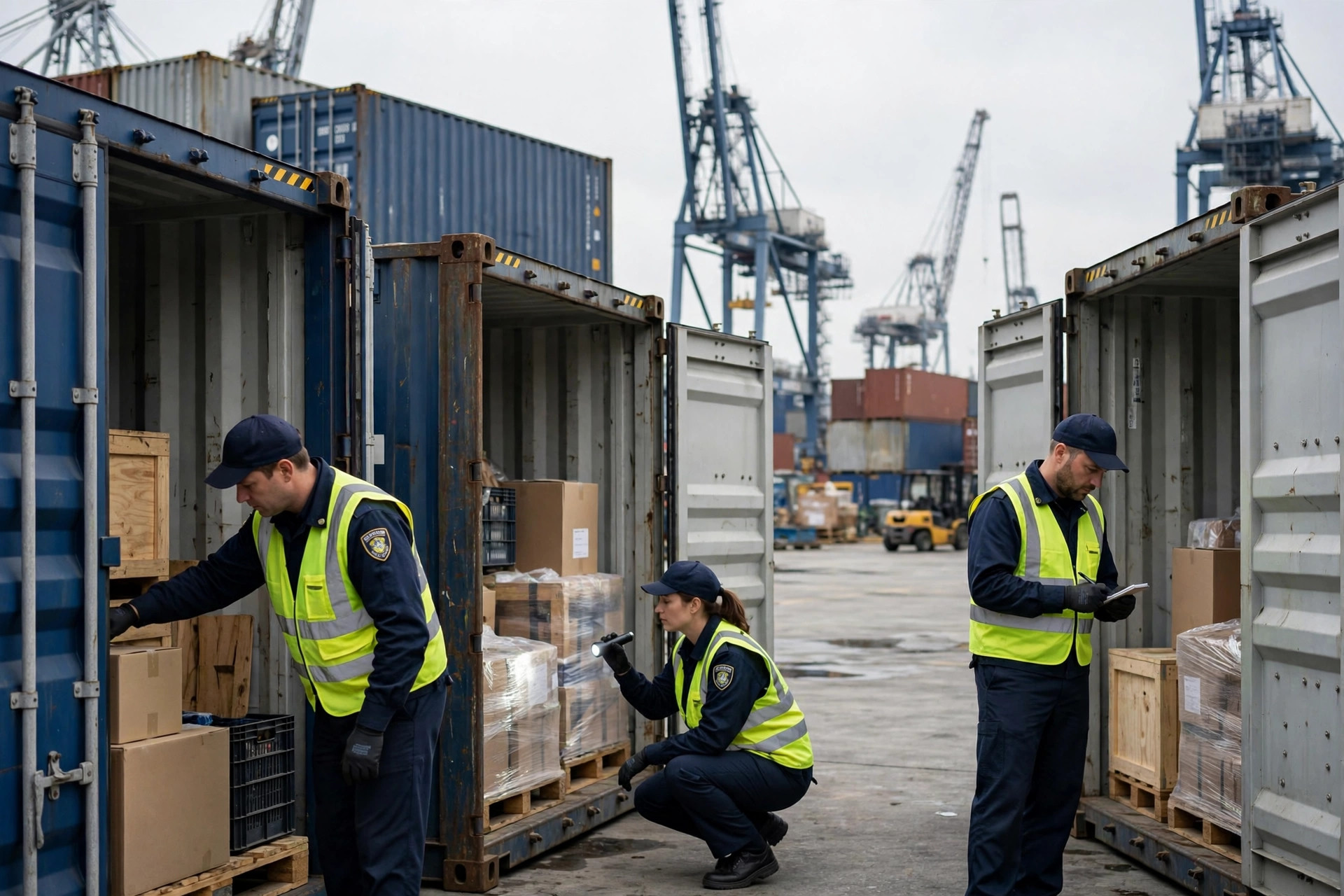
Stage two is the on-site audit. The team arrives for anywhere from a few days to a couple of weeks, pulling documents, interviewing staff, and testing whether your control procedures actually run. A classic failure point: the survey claimed "we have a classification review process," but on-site it turns out the person responsible left six months ago and the process exists only on paper.
Stage three is the report and remediation. CBP issues findings and corrective requirements. Note that the audit itself does not directly issue penalties, but systemic violations documented in the report become the basis for subsequent enforcement and duty recovery. Penalty standards should be checked against CBP's current published policy — but one point is safe to state: the cost scale of systemic violations is in a different league from a single-shipment exam.
In early 2024, a mid-size importer of smart lighting products in California, sourcing from Shenzhen with roughly $9 million in annual imports, went through all three stages. The company had always assumed "the broker handles it." The direct trigger was two consecutive years of classification corrections combined with inconsistent valuation methods. Fieldwork took only four days; the conclusion stung. The company had no written internal control procedures at all. Classification decisions rested on a broker employee's "experience," and valuation adjustments left no paper trail. From notice to remediation sign-off, the whole cycle dragged on for seven months, consuming roughly half of management's attention. The owner's retrospective was blunt: those seven months were the real bill — far more expensive than any fine.
The Importer's Three Ways Out
Importers facing this kind of audit really have three ways out, corresponding to before, during, and after.
The first way out comes before: self-assess your internal controls. While no audit notice has arrived, put five things in writing: how classification decisions are made and who reviews them; how valuation methods are chosen and adjustments documented; where the evidence chain for origin claims lives; who responds to CBP inquiries and within how many days; and one internal compliance health check per year. None of this needs to be elaborate — it needs to be written, executable, and owned. The common trap is treating "compliance" as something outsourced to the broker. The broker can file your entries, but the burden of proving reasonable care always stays with you.
The second way out comes during: cooperate, but strategically. Answer the questionnaire truthfully and on time — neither delay nor over-disclose. Designate a single point of contact for fieldwork; let every question go through that person. When auditors share preliminary findings, take notes and do not argue on the spot; go back, study, and respond in writing. An audit is not a courtroom, but your attitude and professionalism shape the auditor's judgment of your "willingness to comply," and that judgment goes into the report.
The third way out comes after: remediate, and consider voluntary disclosure. If the audit — or your own self-assessment — surfaces historical violations, U.S. law offers an important tool called prior disclosure: coming forward and paying back duties before CBP opens a formal investigation can substantially reduce penalty exposure. Work with qualified trade counsel on this; nothing here is legal advice. In late 2023, an auto parts importer in Michigan walked this path to a clean exit: a pre-audit self-check found a gap in its origin-declaration evidence chain, the company made a prior disclosure, and the matter closed with only the duty difference paid. A peer company that chose to "wait and see" had the same issue unearthed by auditors, and paid on a completely different scale.
For importers not yet audited, here is an audit-readiness checklist worth printing and pinning above the compliance lead's desk:
| Module | Check item | Documented? |
|---|---|---|
| Classification | Decision process for new products, reviewer, change log for tariff shifts | ☐ |
| Valuation | Basis for method selection, related-party pricing, adjustment records | ☐ |
| Origin | Evidence chain for origin claims, supplier declarations on file | ☐ |
| Recordkeeping | Retention periods and retrieval timelines per regulatory requirements | ☐ |
| Inquiry response | Internal routing for CBP inquiries, response deadlines, owner | ☐ |
| Annual health check | Yearly internal compliance self-assessment, issue log | ☐ |
The Trend: Compliance Is Shifting from Cost to Capacity
Zooming out, the expansion of Focused Assessments is not an isolated event. Judging by where CBP has been directing enforcement resources, the direction is clear: enforcement is shifting from examining single shipments to assessing systems. The attribution is straightforward — in a cycle of high-frequency tariff policy changes, policing trade order one container at a time is too expensive. The only way to bring enforcement costs down is to force importers to build internal controls themselves.
That implies two things. First, importers with documented internal controls will hold a materially stronger position in future trade-remedy investigations and classification disputes — the compliance system itself is becoming a bargaining chip. Second, for mid-size importers still without one, the window is narrowing: building the system now costs far less than building it under audit pressure later, and far less than the cost of systemic violations being assessed retroactively.
One open question to close with: as tariff policy becomes a routine instrument and compliance review grows ever more systemic, should an importer's compliance budget sit in the "cost" ledger — or the "insurance" ledger? Your answer may decide whether your company's name appears on the next audit list.
By Dr. Chen, Supply Chain Researcher