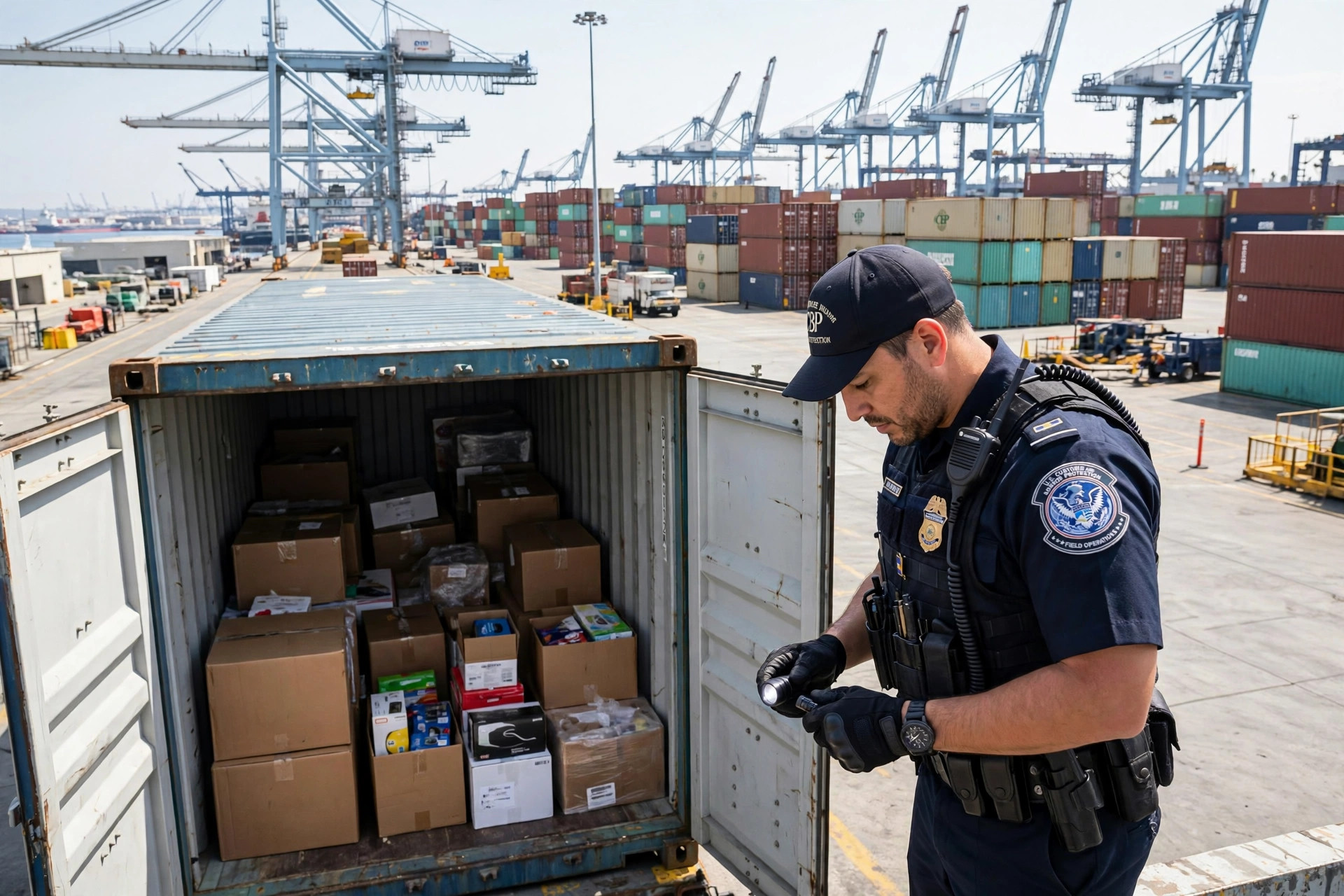
In the summer of 2023, I was watching a quarterly count at a third-party warehouse in Riverside. Zone C held a supplier's consigned small appliances — the supplier owned the goods, the warehouse just stored and shipped them, settling up unit by unit as they sold. When the count results came out, the conference room went quiet. Physical count: 1,286 units. The warehouse's consignment ledger: 1,340. The supplier's own books: 1,291. Three parties, three numbers, 54 units apart — worth just under twenty grand at factory cost. The supplier's logistics manager said it flat out: "Your warehouse lost my product." The warehouse manager turned red: "Your shipped quantities never tied out in the first place." I sat between them thinking: nobody's really at fault here. The fault is that from day one, this consignment accounting was never set up properly. The count just ripped the bandage off.
That scene replays itself in 3PL warehouses constantly, because consignment breaks the mental model most warehouse people run on. Your WMS, your SOPs, your cycle count program — all of it assumes the inventory in the building belongs to the tenant. Consignment inventory doesn't. And if you run it through the same processes as owned inventory, every count becomes a negotiation.
Start at receiving: this is somebody else's product
The difference between consignment and ordinary fulfillment comes down to one sentence: the goods are in your building, but the title isn't yours. That sentence has to become system behavior, or everything downstream turns to mush. At receiving, consigned goods must never touch your own inventory ledger — give them a separate owner dimension in the WMS, a separate zone, a separate ledger account, and physically keep them apart from owned stock. I watched one warehouse commingle consignment and owned goods on the same rack rows; a picker grabbed two wrong cartons, they shipped before anyone noticed, and both sides' books were wrecked at settlement.
Receiving granularity decides your reconciliation fate. My rule: log every inbound shipment line by line — ticket, SKU, lot — against the supplier's packing list, verify the received quantity against the shipped quantity on the dock, note any variance on the delivery receipt with photos, and confirm by email the same day. Plenty of operations wave the whole shipment through as "close enough." Then, months later, one missing unit becomes an unsolvable argument about whose fault it is. Receiving is the only moment you get to align numbers with the supplier face to face. Once that door closes, reconciliation is just arguing.
For serialized goods like small appliances, I push hard for scanning every serial number at receiving. Serial numbers are the ultimate evidence in consignment disputes: which unit shipped when, whether it settled, whether it came back — all traceable unit by unit. The Riverside warehouse adopted this rule afterward; receiving took ten extra minutes per shipment, and reconciliation time dropped from two weeks to two days. For non-serialized product, at minimum manage by lot and carton — never log "one pallet" as a quantity. "One pallet" is not a unit of measure, and it proves nothing at count time.

When three numbers disagree, calculate first and argue later
Nine out of ten consignment fights happen because the three parties are speaking different languages. The physical count is the physical count, the warehouse ledger is the warehouse ledger, the supplier's books are the supplier's books. Before anyone argues about who's right, translate them into one formula:
Consignment ledger balance = cumulative receipts − cumulative settled shipments − cumulative returns to supplier
Physical variance = physical count − ledger balance
Supplier reconciliation variance = ledger balance − supplier book balance
Take the Riverside case: physical 1,286, ledger 1,340, so the physical variance was −54 — the books showed 54 more units than the floor held, meaning either unrecorded shipments, overstated receipts, or genuine loss. Meanwhile the supplier's 1,291 versus the ledger's 1,340 — a 49-unit gap — meant the two sides disagreed on the underlying "how much shipped, how much returned" records themselves. The moment the formula went on the whiteboard, the conversation shifted from "you lost my product" to "let's align the cumulative receipts line first." One is a fight; the other is arithmetic. Working down the formula, 30 units turned out to be in transit — the supplier had recorded a second shipment the warehouse hadn't received yet. Another twenty-some were returns with warehouse records the supplier had never posted. Nothing was actually lost. Not one unit.
Where the fights really happen: variance ownership, settlement timing, in-transit
Variance ownership is the first powder keg. Product gets damaged or goes missing in your building — whose loss is it? Most consignment contracts just say "the warehouse shall store goods with due care," with no definition of due care, no shrinkage allowance, no threshold for what counts as a loss. My floor requirement: the contract must state a tolerance for normal shrinkage and count variance, with the warehouse compensating at settlement cost for anything above the line and both sides accepting anything below it. Without that clause, every count is a fresh negotiation.
Settlement timing is the second. "Settle as each unit sells" sounds clean and does nothing cleanly in practice: does the sale count at outbound scan or at end-customer delivery? Do customer returns reverse the settlement? Do promo samples and warranty swaps settle? I saw one warehouse settle on outbound scan; a shipment got lost by the carrier, and the supplier argued nothing counts as sold until it reaches the consumer while the warehouse argued the goods had left the building. The contract said nothing. Two months of arguing. Settlement timing has to be pinned to a specific event — WMS outbound scan, carrier proof of delivery, whatever you choose — in writing.
Third is in-transit. Supplier books and warehouse books always carry a timing gap: shipped-not-received, returns in transit, settlement invoices cut before the goods move. Reconciliation has to list in-transit as its own line, confirmed by both sides, or every month's variance is just in-transit noise. My standing rule for any warehouse doing consignment: circulate the in-transit list before the count. No list, no reconciliation discussion.
Three contract clauses I'd put in tomorrow if I were you. First: both sides exchange reconciliation statements by the 5th of each month, reconciled line by line against the formula above; variances within 0.3% are accepted by both sides, and anything above the line must be evidenced by the warehouse — unexplained units get compensated at settlement cost. Second: settlement triggers on the WMS outbound scan; returns and warranty swaps reverse settlement on the return-receipt document. Third: the supplier may send a representative to observe the physical count; absence counts as acceptance of the warehouse's numbers, and the warehouse provides the in-transit list three days before the count. Put these three in the contract, and you'll cut those conference-room fights in half.