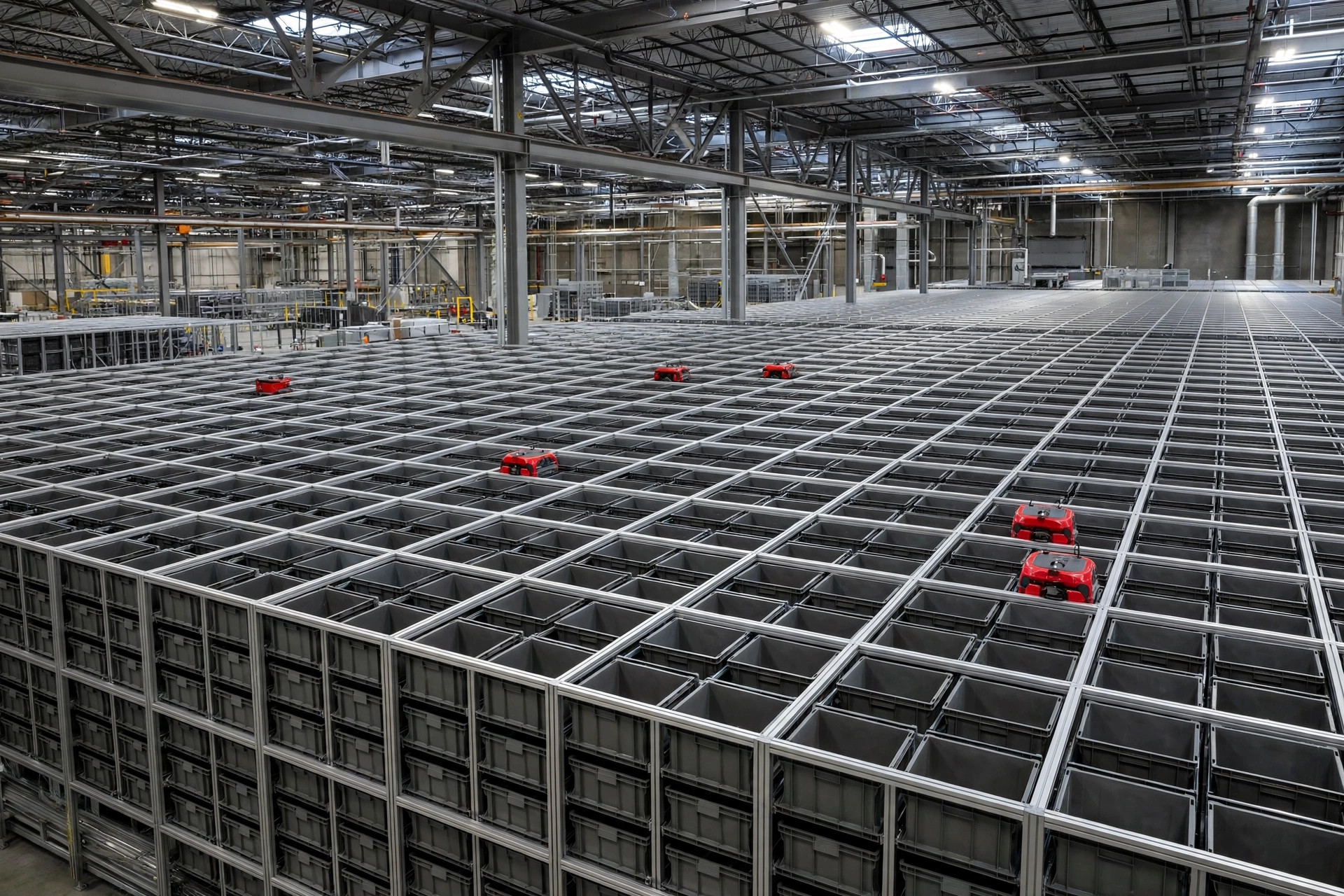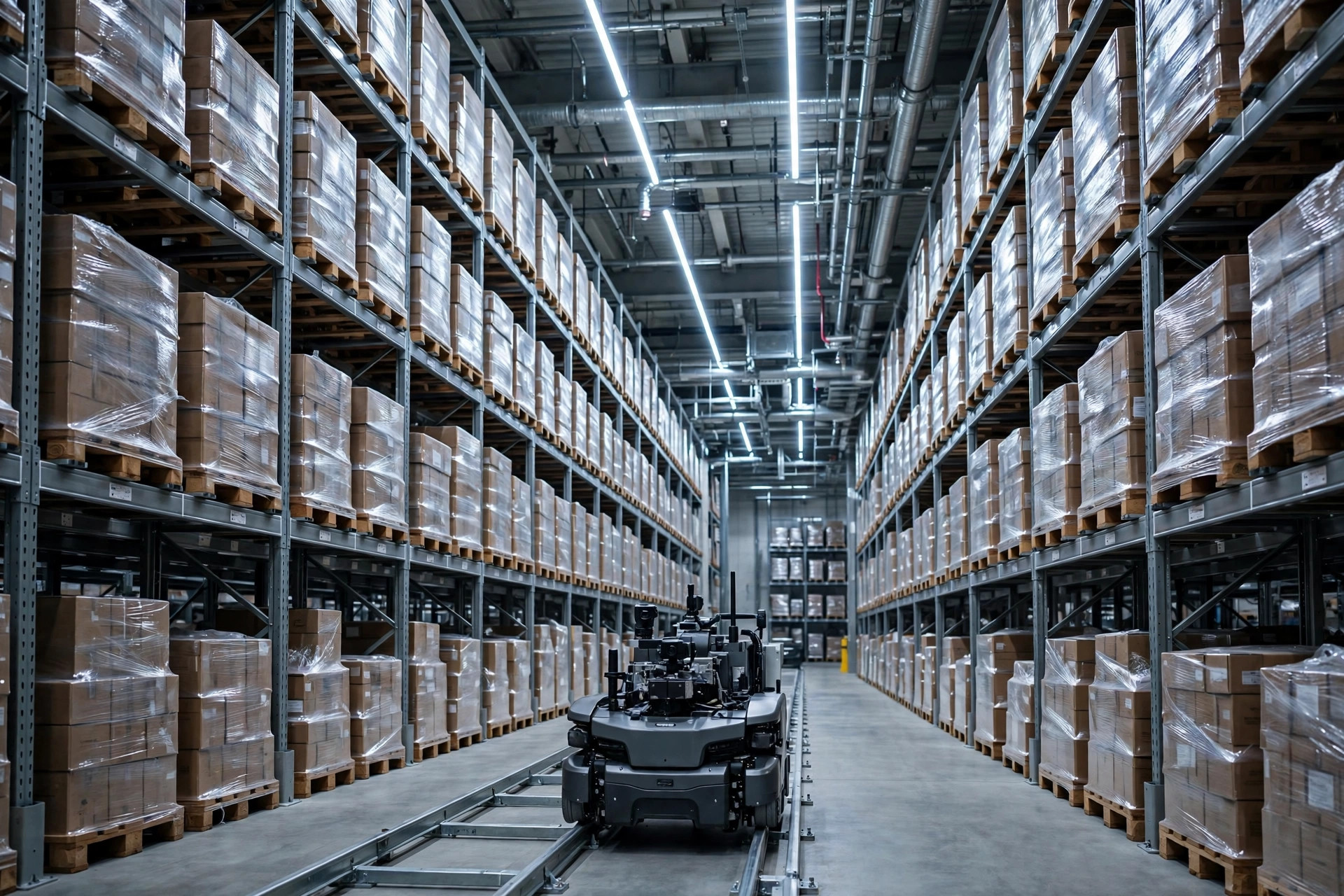
An AS/RS project: millions sunk into shuttles, three months of commissioning, and availability wouldn't come up — a textbook case of what happens when ASRS pallet specification standardization gets skipped. The integrator swapped sensors, tuned control parameters, even replaced a shuttle. The alarms kept coming, day after day. The root cause, when they finally found it, left everyone speechless: the pallets.
This isn't a war story I'm embellishing. I've watched this script play out more than once. So let me break down exactly why pallets decide whether your automation lives or dies.
Why Your Shuttles Keep Faulting: Check the Pallets, Not the Shuttle
First, the principle. A shuttle running in an aisle locates itself off the pallet's underside structure: the forks have to slide into the gaps between the pallet's bottom boards, and the sensors have to read the pallet's edges and stringers. Think of the shuttle and the pallet as a mortise-and-tenon joint — if the dimensions don't match, the fork can't even get in.
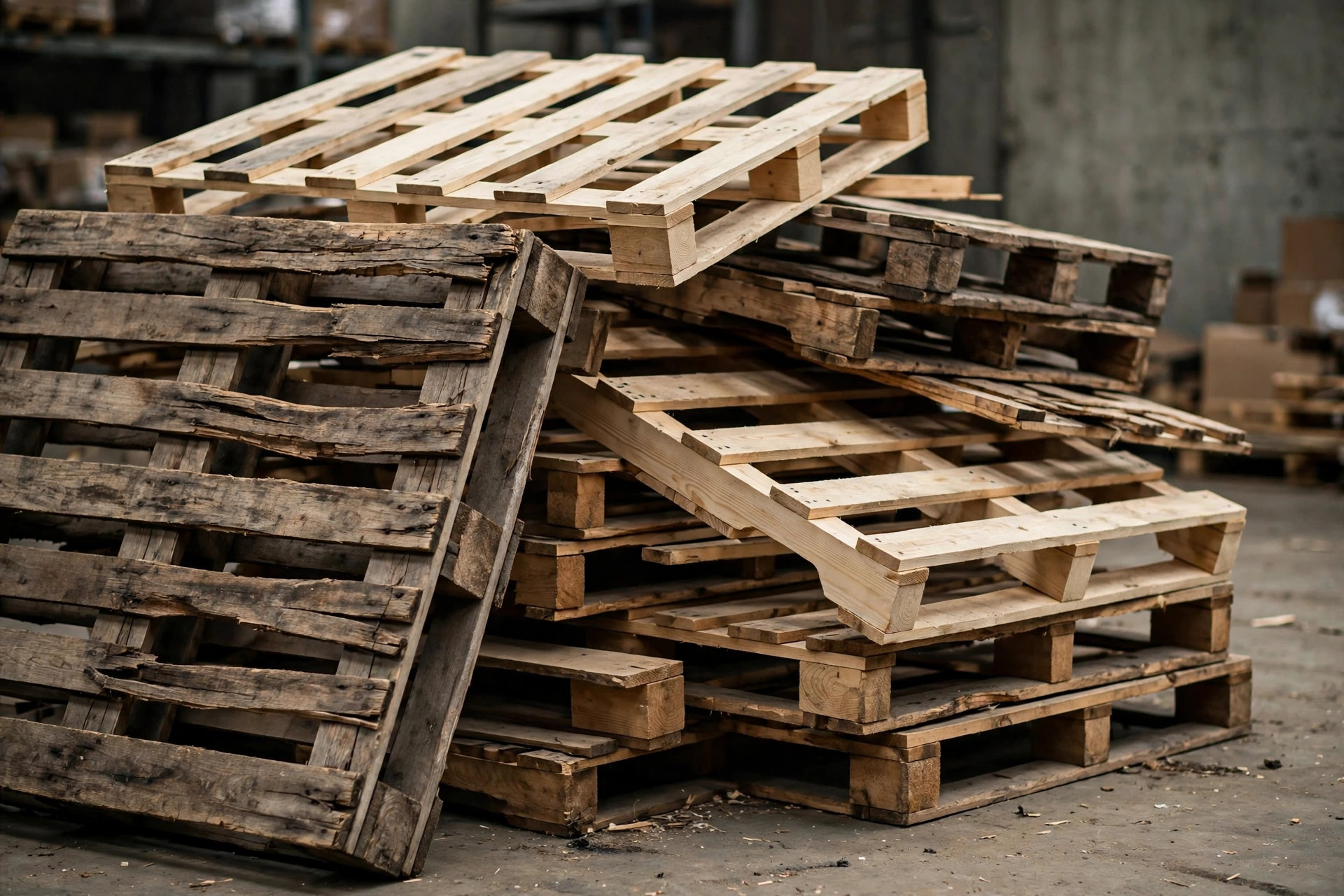
What happens when pallet specs drift? One supplier's pallets sit a little taller, another's a little shorter; a batch that's been in service for two years has warped a few millimeters. The shuttle extends its forks — jam. The sensor scans the edge, the position doesn't match the preset — localization fault. One stuck shuttle, and the whole aisle queues up behind it. From field experience on a project I worked: one shuttle jam blocks the aisle for tens of minutes. A few of those a day, and your availability numbers are done.
The infuriating part is how hard these faults are to chase. The alarm says "localization error" or "fork timeout," so the engineer's first instinct is the shuttle, the sensor, the software. Pallets are "consumables" — nobody suspects them. On one project, the team chased it for two months before lining up pallets from three suppliers side by side and measuring: bottom-board heights differed by tens of millimeters. The project manager's face that day — I'll never forget it.
Mixed pallets come from three usual suspects: the warehouse's own aging pallets, warped after years of service and never retired; pallets that ride in on supplier deliveries and go straight into the AS/RS; and cheap secondhand pallets bought on the open market. Mix all three in one system and the shuttles don't stand a chance.
The 5-Point Pallet Receiving Inspection
Before any pallet enters an AS/RS, it goes through receiving inspection. Don't skip it out of impatience — the time these five checks take is nothing next to one aisle stoppage. This is what ASRS pallet specification standardization looks like in practice: five checks, no exceptions.
| Check | What to look at | What failure causes |
|---|---|---|
| Outer dimensions | Length/width within the equipment vendor's technical agreement | Forks can't enter — or can't pull out |
| Bottom-board / stringer height | Height consistency; critical when mixing suppliers | Sensor misreads, constant alarms |
| Fork-entry clearance | Enough clear space on the fork-insertion face | Fork grinds against the pallet, jams harder over time |
| Warp and damage | Twisting, broken boards, protruding nails | Debris, jams, even sensor damage in motion |
| Moisture and material | Matches the agreed spec, no mold | Accelerating warp — dimensions drift further in service |
Set your pass/fail lines per the equipment vendor's technical agreement — every project's shuttle geometry is different, and someone else's tolerances don't apply to yours.
How to run it: sample at least 10% of incoming new pallets — 20% when you're mixing suppliers. Three tools: tape measure, caliper, feeler gauge. Focus on bottom-board height and fork-entry clearance — those two dimensions are what the shuttle cares about most. Log every measurement; you'll want the paper trail when something goes wrong.
I've seen it done right: one project rejected 200-plus non-conforming pallets at receiving, no exceptions, no face-saving. After go-live, pallet-related shuttle alarms dropped from several a day to one every few weeks. Play the villain at receiving, and you get to be the hero after launch. Fair trade.
Where's the Line? When Pallet Standardization Is Mandatory
Not every operation needs to obsess over pallets. Here's my dividing line: shuttles or stacker cranes running in aisles — mandatory, no discussion. Plain floor storage with forklifts — use whatever's cheap. Semi-automated lines with conveyors — it depends on the conveyor; anything that auto-handles pallets wants consistent specs.
The pseudo-need I keep hearing: "we'll buy smarter shuttles and the problem goes away." It won't. A smarter shuttle meeting a warped pallet just reports the jam with a prettier error code. Spending hardware money to fix a spec problem is the wrong direction.
Two conveyor types, two different sensitivities: roller conveyors hate uneven pallet bottoms; chain conveyors hate wrong stringer spacing. On a semi-automated line, inspect for whatever your conveyor can't tolerate. That's the whole point of ASRS pallet specification standardization: match the discipline to the equipment.
Is the Money Worth It? Watch This One Number
Now the counterintuitive call: in an AS/RS budget, the first money you should spend isn't on a fancier shuttle — it's on pallet standardization.
Most people think: pallets cost next to nothing, so put the budget into the equipment and "good enough" pallets will do. That's like buying a precision machining center and clamping parts with a rusty vise. The more precise the machine, the more demanding the fixture. The shuttle is the precision machine; the pallet is its fixture.
Rough math: standardizing pallets means one supplier, one spec, and a real receiving inspection — a rounding error next to the whole AS/RS. One aisle stoppage, tens of minutes of backed-up tasks, overtime to catch outbound cutoffs, customer complaints — which of those is cheap? Never mind the two months of engineering hours burned chasing the fault.
So my advice is blunt: ASRS pallet specification standardization belongs in the technical agreement on day one of the project; run the receiving inspection before the equipment arrives. The order can't be reversed — fixing pallets after the shuttles start jamming daily costs multiples of doing it right, and the yelling comes free.
Is the money worth it? Watch this one number: in the first month after go-live, how many times did the shuttles alarm on pallets. When that number comes down, the pallet money was well spent.
By Da Liu, Automation Engineer