Late 2023, a friend who sells camping lanterns called me, voice half gone. His best-selling lantern had been live on Amazon US for over two years, moving a few thousand units a month, when a seller account less than three months old latched onto his listing. The hijacker undercut him by twenty percent and held the Buy Box half the time. My friend filed an appeal that same night — a few product photos, a couple of sentences about "this is my brand" — and heard nothing back. By the time he assembled a complete evidence package and won on the second attempt, nearly two months had passed. Tens of thousands of dollars in margin, gone. He told me his morning routine had become refreshing the Buy Box ownership page before coffee.
That episode settled something for me: an Amazon appeal is not a place to argue your case. It is a place to submit evidence. A reviewer handles hundreds of cases a day and has no time for your brand story — they check one thing, whether your evidence chain closes. My friend's first attempt failed because he treated an appeal like a complaint.
The first 48 hours after losing the Buy Box matter most. A hijacker who just attached to your listing hasn't built up sales weight in Amazon's system yet, and a complete, fast-filed appeal gets handled noticeably quicker. Once it drags into a two-month standoff, the other side has accumulated sales history and reviews, and reviewers turn cautious. So the evidence kit can't be something you start assembling after the hijacking happens.
What actually goes into the evidence kit
Let me be blunt first: without Brand Registry enrollment, a hijacker appeal is essentially dead on arrival. Amazon only recognizes infringement claims from enrolled brand owners — a pending or registered trademark generally qualifies, subject to Amazon's current policy on their official site. Skip this step and everything after it is wasted effort. Plenty of sellers only think about trademark registration after getting hijacked, and the filing timeline stretches for months while they watch helplessly.
With enrollment in place, build the kit in this order.
First, the record of discovery. Screenshots of the hijacked ASIN, the competing seller's name and storefront link, and the time windows when you lost the Buy Box. This page matters more than people think — it shows you monitor and enforce, rather than filing on a whim. I tell sellers to check Buy Box ownership twice a day, morning and night, or set up alerts through a third-party monitoring tool. If you carry a big catalog, at least put monitoring on your hero SKUs — hijackers go after listings with steady volume, not the long tail.
Second, the test buy — the single hardest piece of evidence in the whole chain. Order the hijacker's product yourself and keep everything: the order number, the tracking number, an unboxing video. The operational details are where people slip: the buyer account must have no link whatsoever to your seller account, and don't ship to your company's registered address. The unboxing video should be one continuous take — start with a close-up of the tracking number on the shipping label and keep rolling until the product is in your hands, no cuts. Before you tear into anything, photograph the label and the outside of the box. A lot of appeals die right here: the seller bought the product but can't produce a complete record proving it actually shipped from the other seller's store, so to the reviewer it's just hearsay.
Third, the side-by-side comparison. Photograph your genuine product next to the purchased item: outer packaging, print details, manual, accessories, build quality. Build a comparison table and list every difference. Hijackers usually ship white-label or counterfeit goods, and the details never hold up — off-color box printing, thinner manual paper, a missing screw in the accessories, a shorter charging cable. None of it survives a photograph. One practical trick: flag each difference with a sticky note on the physical item before shooting, so the reviewer gets it at a glance without guessing.
Fourth, proof of rights. The trademark certificate or filing receipt, your brand website, the product page on your own site. If your authorization chain runs through distributors, attach the authorization letters. If you're the brand owner but production is outsourced, the brand-ownership clause in your manufacturing agreement works as supporting evidence.
What the reviewer is really looking for
The reviewer confirms exactly three things: you are the rights owner, the other party is selling, and what they're selling isn't yours or isn't authorized. Each of the three needs at least one piece of evidence. Miss one link and the case gets kicked back. My friend's first appeal proved only the first item and hand-waved the other two — no surprise it failed.
The appeal letter itself deserves care. Write it in English, short sentences, one point per paragraph, and reference exhibits by number so the reviewer can match the letter to the attachments. Never send a three-page grievance essay — no reviewer has the patience to hunt for your exhibit numbers in a wall of text.
The three most common reasons appeals fail, from what I've seen over the years, are depressingly consistent. One: the evidence chain doesn't close. There's proof of "I'm the brand owner" but nothing proving "what they're selling is fake," so the reviewer can't reach a conclusion. Two: a sloppy test buy — the order went through but there's no unboxing record, or the buyer account got flagged as linked to the seller account, voiding the evidence. Three: the emotional appeal. Long essays, threats, resubmitting the same package over and over. Resubmitting doesn't speed anything up; it just rejoins the queue. Pure self-sabotage.
There's a real trade-off worth naming. Some sellers skip the appeal entirely and just cut prices to win back the Buy Box. It stops the bleeding short-term, but it concedes the hijacker's permanent presence — and once a price war starts, margin erosion is only a matter of time. There's also a parallel track: having a lawyer send a cease-and-desist letter. It typically costs a few hundred dollars and carries some weight with professional hijackers, though it's less effective against accounts that simply reappear under a new name. My take is straightforward: if you're enrolled in Brand Registry, the appeal is the right path, and you submit the full package once instead of dribbling it in over three rounds. If you're not enrolled, don't waste time writing appeals — get the trademark filing queued first. And if the budget allows, run the lawyer letter and the appeal in parallel.
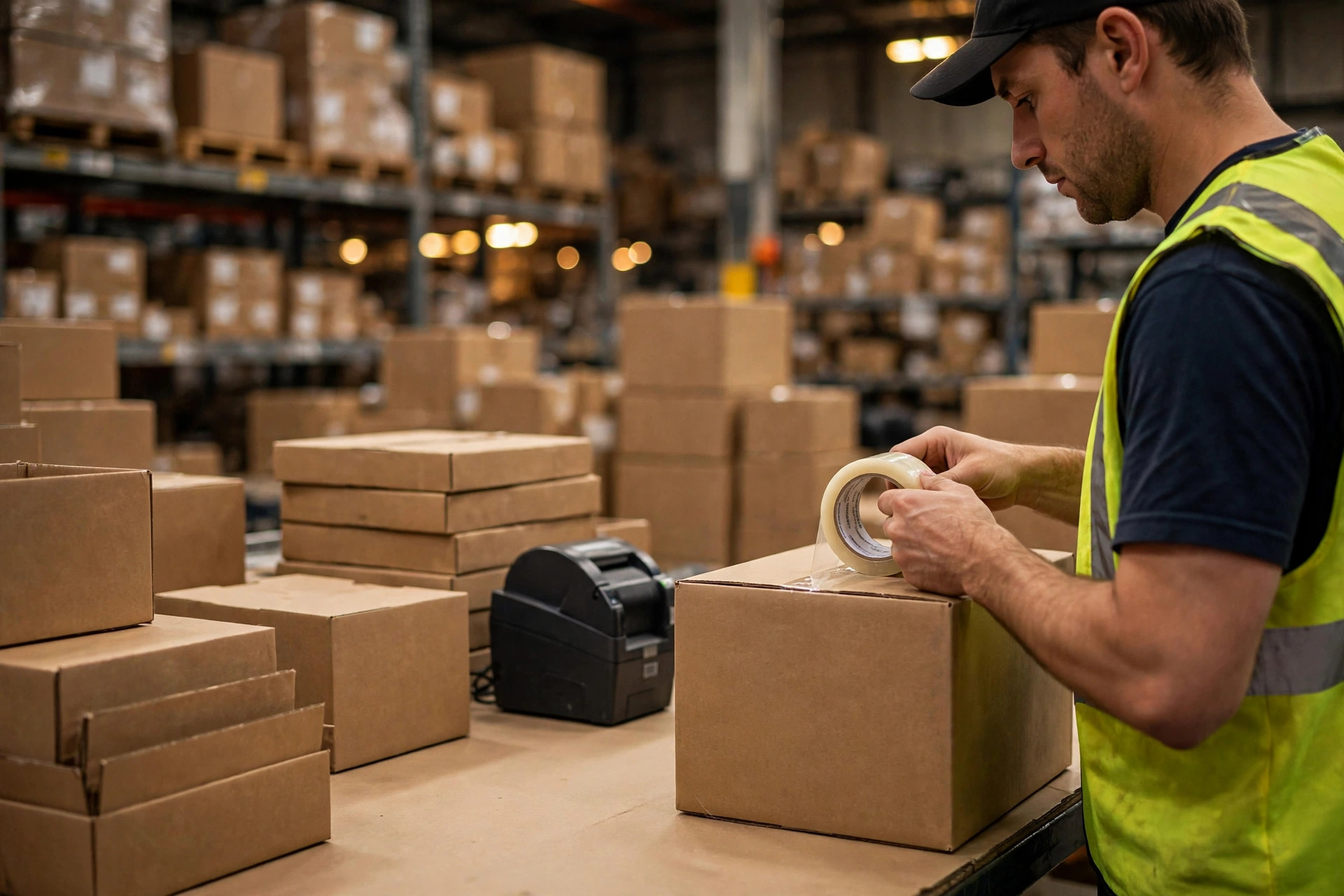
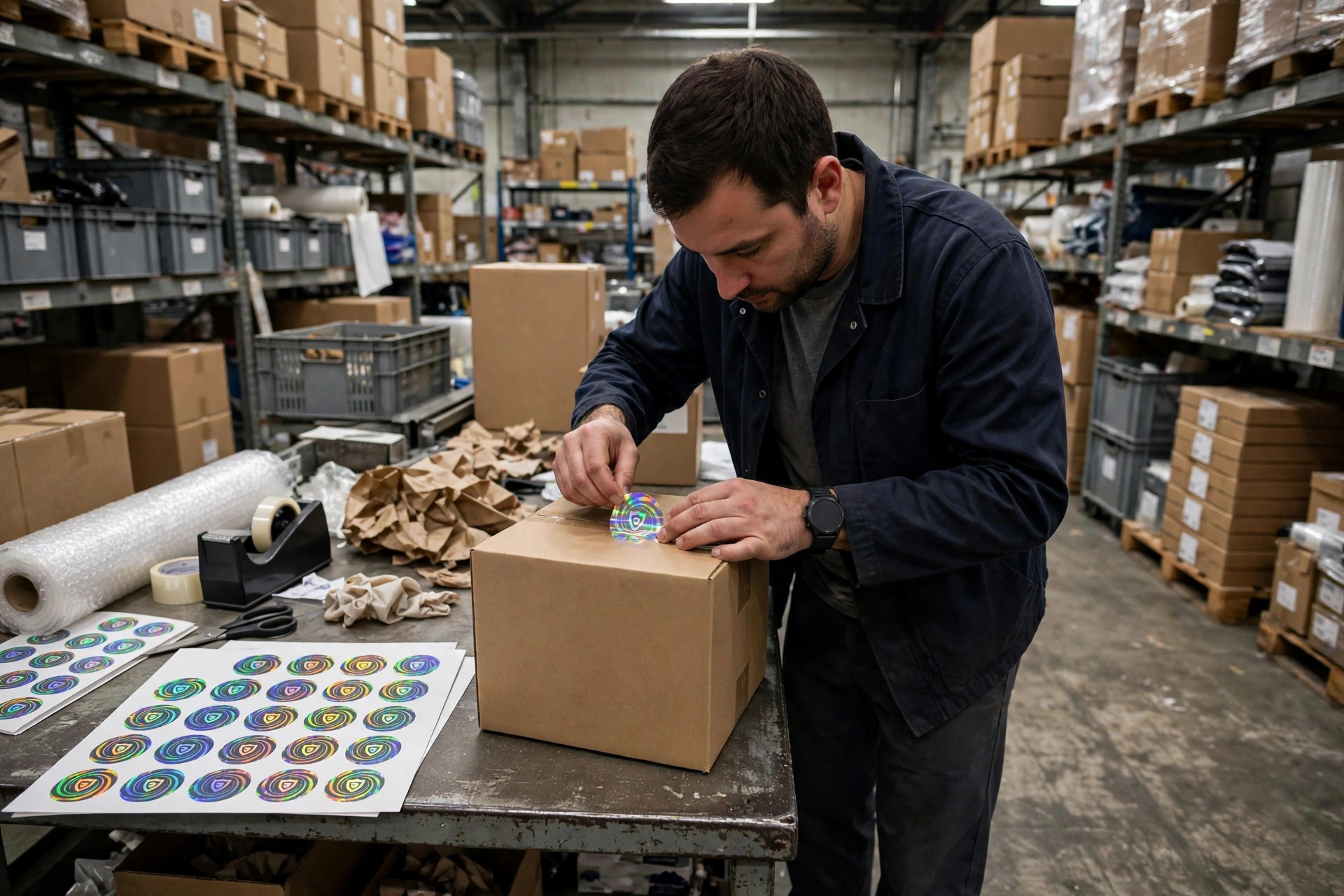
And here's the part that's my home turf: what you can do on the warehouse side before any of this happens. A hijacker's biggest weakness is packaging they can't replicate. Custom-printed color boxes — they can't justify the cost of short-run custom printing. Tamper-evident seals, batch codes on the carton, a warranty registration page for your brand site printed inside the manual. When your goods ship from your own warehouse, the packaging carries three identifiable markers; the hijacker's goods carry none. When the test buy comes back, the comparison speaks for itself. This costs very little — a few extra cents per SKU — but it upgrades your evidence from "they're selling fakes" to "you can tell it's fake at a glance."
Two more things you can do without extra effort. Tie your batch codes to batches in your ERP — if a dispute ever goes offline, batch records become your traceability proof. And don't waste the returns process: when returned units come back, inspect them. If a unit traces back to the hijacker's supply, photograph it and file it away — sometimes it hands you a direct lead on their sourcing.
So here's the question: if your bestseller got hijacked tomorrow morning, would your appeal kit be ready to go, or would you be starting from zero?