Tuesday morning, an auto-parts seller messaged me in a panic. His Amazon account had failed verification twice. Dozens of listings were down, and his inventory was sitting in a Los Angeles 3PL warehouse, burning storage fees every single day. "Lao Mi," he said, "every document I submitted is real. Nothing is faked. Why can't I get through?"
He sent me the rejection notices and everything he'd uploaded. One look and I understood. The company name on his business license was spelled out in full. The bank statement abbreviated one word. The utility bill was missing a suite suffix. Three documents, three versions of the same company. Nothing was faked — nothing matched, either.
Here's the thing most sellers get wrong about Amazon's second review: it's not checking whether you have a real company. It's checking whether all the paper you submitted describes the same company at the same address. Once that clicks, preparing your document kit becomes straightforward.
Let me give you my verdict up front: a second review is not a punishment. Most of the time it's risk control doing its routine job. Changed your deposit method, updated company registration details, went quiet for months then suddenly scaled up, or got picked in a pre-peak-season sweep — any of these can trigger it. Don't panic. What Amazon wants is missing paperwork, not a guilty verdict.
But here's the painful reality: if your submission gets rejected, the appeal cycle is measured in weeks. Listings stay down, ads stay off, and your warehouse inventory doesn't move. For a small or mid-size seller, that stretch is the part that actually hurts. So your document kit has exactly one job: pass on the first try.
Mismatched Addresses Kill More Accounts Than Fraud Does
Of all the second-review rejections I've seen, the number one cause is always the same: one company written three different ways across three documents.
The first-time-pass standard is brutally specific. Your business license, bank statement, and proof of address — a utility bill or bank bill — must show the company name and address character for character. "Inc." versus "Incorporated" fails. "Suite 200" versus "Ste 200" fails. An extra "#B" after the street number fails. The first pass is done by machines, and machines don't understand "close enough."
Warehouse sellers walk into a particular trap here: the 3PL address. Plenty of sellers casually put their overseas warehouse's receiving address into some registration field, or submit a utility bill for the warehouse address. Remember this: the review wants proof of your company's registered address, not your warehouse address. You rent the warehouse; you didn't register there. Two different things. Don't mix them up.
Before you upload anything, put the company name and address from all three documents side by side on one sheet and compare them word by word. Don't skim with your eyes — point with your finger, one character at a time. Ten minutes here can save you weeks of appeals later.
An Expired Bill Is a Wasted Upload
Proof of address and bank statements both have a shelf life. Amazon generally wants bills issued within the last 180 days — go by whatever your official notification email says, because that email spells out exactly what's needed and how recent it must be. Follow the email, not your memory.
Three hard requirements for a first-time pass. First, the bill has to be inside the validity window. Second, it must be a scan of the original or an official electronic download. Phone photos of paper bills and stitched-together screenshots get bounced more often than not. Third, the name on the bill has to be the company or the legal representative. If your landlord pays the utilities and the bill is in the landlord's name, submitting it just burns one of your chances.
My standing advice: the day you get the review notice, download the latest bills from your bank and utility provider's websites. Don't dig through a drawer for one from three months ago. A fresh bill is always safer than an old one.
If the Invoice Chain Doesn't Close, No Appeal Will Save You
This is the part I want to spend time on, because half the traps are buried on the warehousing and logistics side.
What Amazon calls supply-chain documentation really comes down to three things lining up: supplier invoices, payment proof, and freight documents. The invoice says 5,000 units came in. The payment slip shows money for 5,000 units. The forwarder's bill of lading shows 5,000 units loaded. Quantities, amounts, dates — a closed logical loop. If any link breaks, the reviewer has a reason to doubt your sourcing.
Sellers usually trip in three places. First, payment went through a personal card while the invoice is made out to the company — payer and buyer don't match. Second, the forwarder only issued a lump-sum freight invoice with no line items, so there's no way to tie that shipment to a specific supplier. Third, the 3PL's receiving confirmations got tossed in the trash, so there's nothing on record proving the goods actually entered your warehouse.
Branded goods add one more link: brand authorization. Every level of the distribution chain needs its letter, from the brand owner down to you. One broken link and the chain fails. Get those letters early — once the review lands, your upstream supplier may not feel like cooperating on short notice.
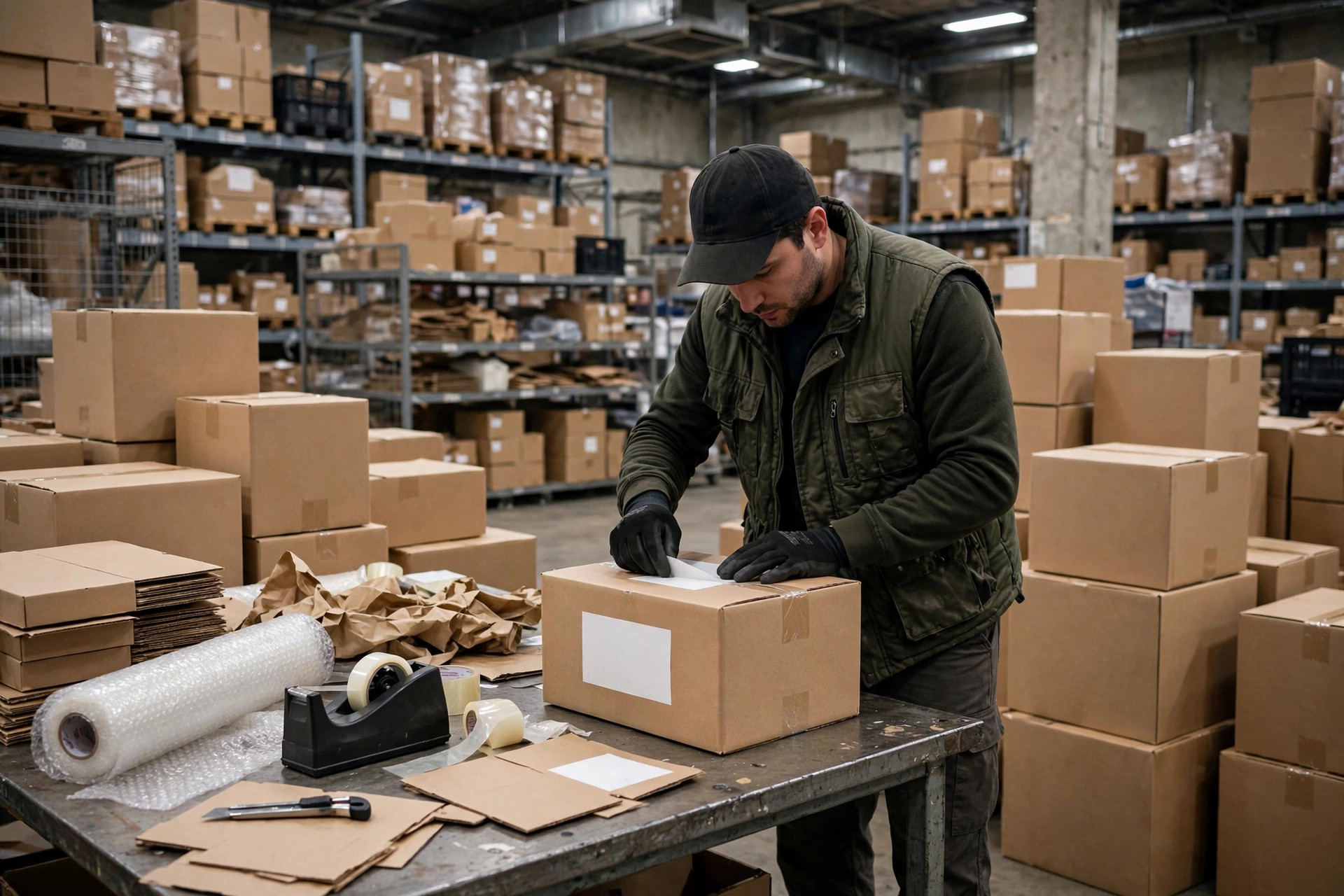
I do it the other way around: maintain the paper chain as a habit. Ask your forwarder for itemized invoices made out to your company. Pay from the business account whenever possible; if a personal card was used, keep the transfer record and note the purpose. For every shipment that lands at the 3PL, scan the receiving and putaway confirmations and file them by bill-of-lading number. When the review comes, those files are already sitting there. Nobody has to beg anyone for paperwork at the last minute.
A word on appeal rhythm. If your first submission gets rejected, don't hit resubmit in a panic. Read the rejection letter word by word — Amazon usually states exactly which category is missing or which document has a problem. Build your checklist against that letter and fix everything in one round.
Organize the files into clearly named folders, each filename stating which requirement it answers. Add a short cover letter: who we are, which documents we're supplementing, which requirement each one maps to. A reviewer reads hundreds of cases a day. Save them time and they'll save you time.
As for deadlines, go by the official notification email. Don't wait until the last day — once the deadline in the system passes, the appeal portal can close outright, and then it's a much bigger problem.
Something you can do tonight: create a folder called "verification kit," with subfolders for business license, legal-rep ID, proof of address, bank statements, supply-chain invoices, and brand authorization. File what you already have, list what's missing as to-dos, and set a calendar reminder to refresh the bills every 150 days. When the review notice lands, you'll be submitting a ready-made kit instead of a pile of last-minute screenshots.