Full disclosure up front: my little warehouse could never afford a WES. The software plus implementation would cost me several years of rent. So this is not a sales pitch — it is a "can't afford the pork, but can still watch the pig run" story. Last month I toured a friend's new facility in Phoenix, stood in front of their WES dashboard for two hours, and came home having reverse-engineered their WES wave release algorithm into human language. Spoiler: it is less mysterious than it sounds. The core logic is what my warehouse does every day — except theirs is written in code, and ours is written on a whiteboard.
How My Warehouse Releases Waves: By Shouting. Literally.
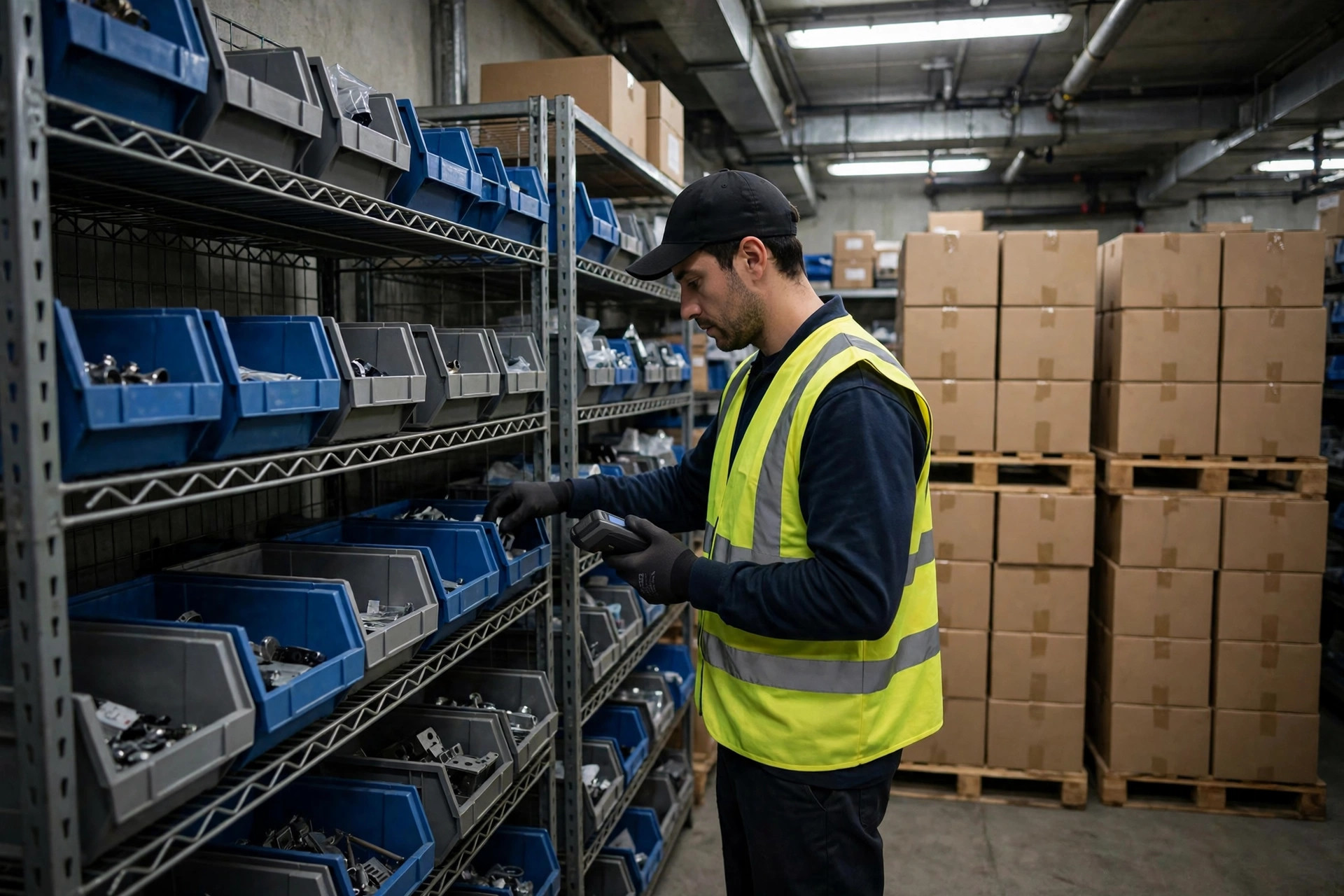
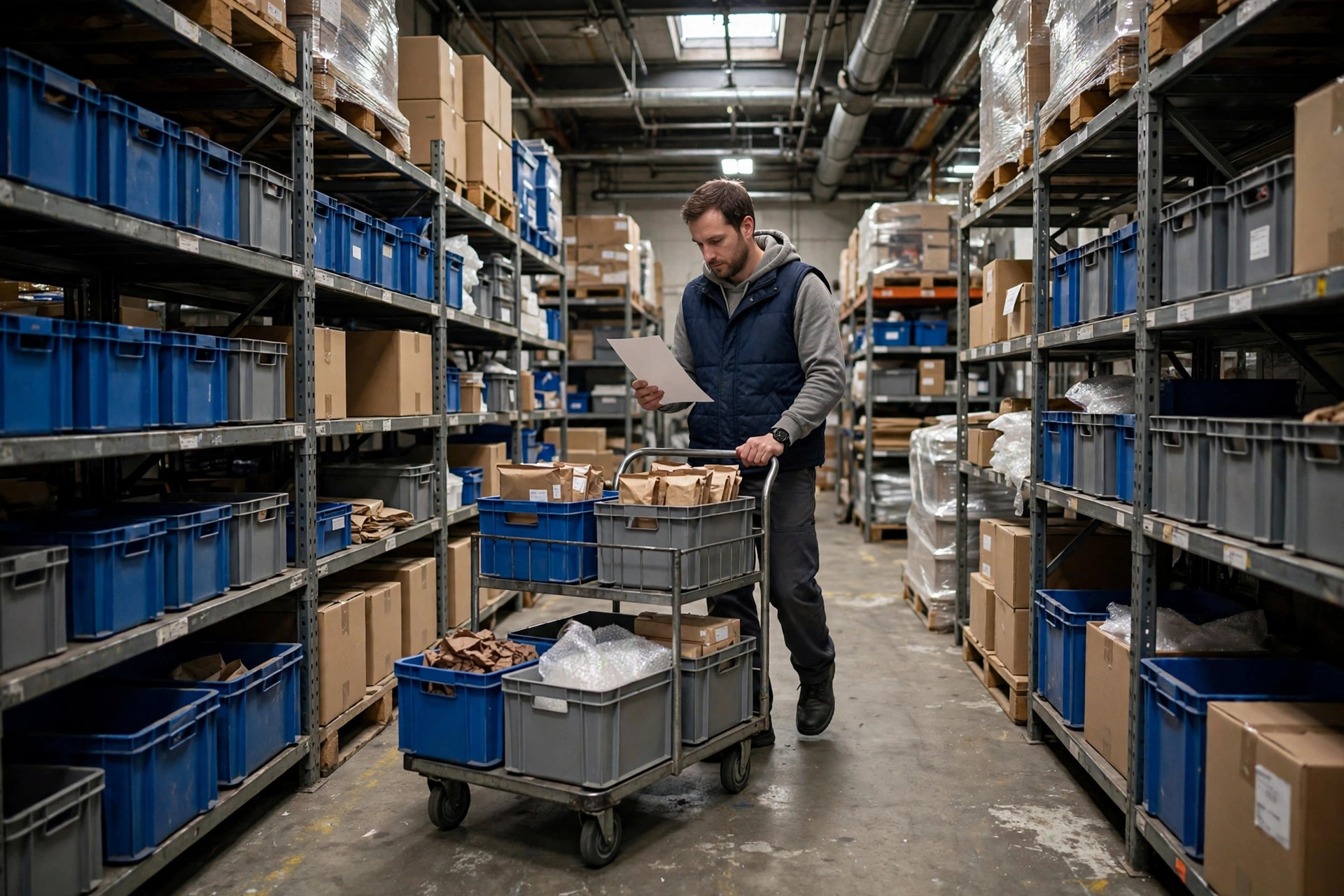
First, our predicament, for context. Three thousand square meters, twelve people, a basic WMS whose wave feature is basically decorative. Our daily wave release ritual: at 8 AM I stand in front of the whiteboard, write carrier cutoff times on the left, yesterday's backlog on the right, draw a circle in the middle — "UPS first, FedEx waits for the 10 o'clock batch, Amazon goes this afternoon." Then I grab the radio: "Folks, wave's open!"
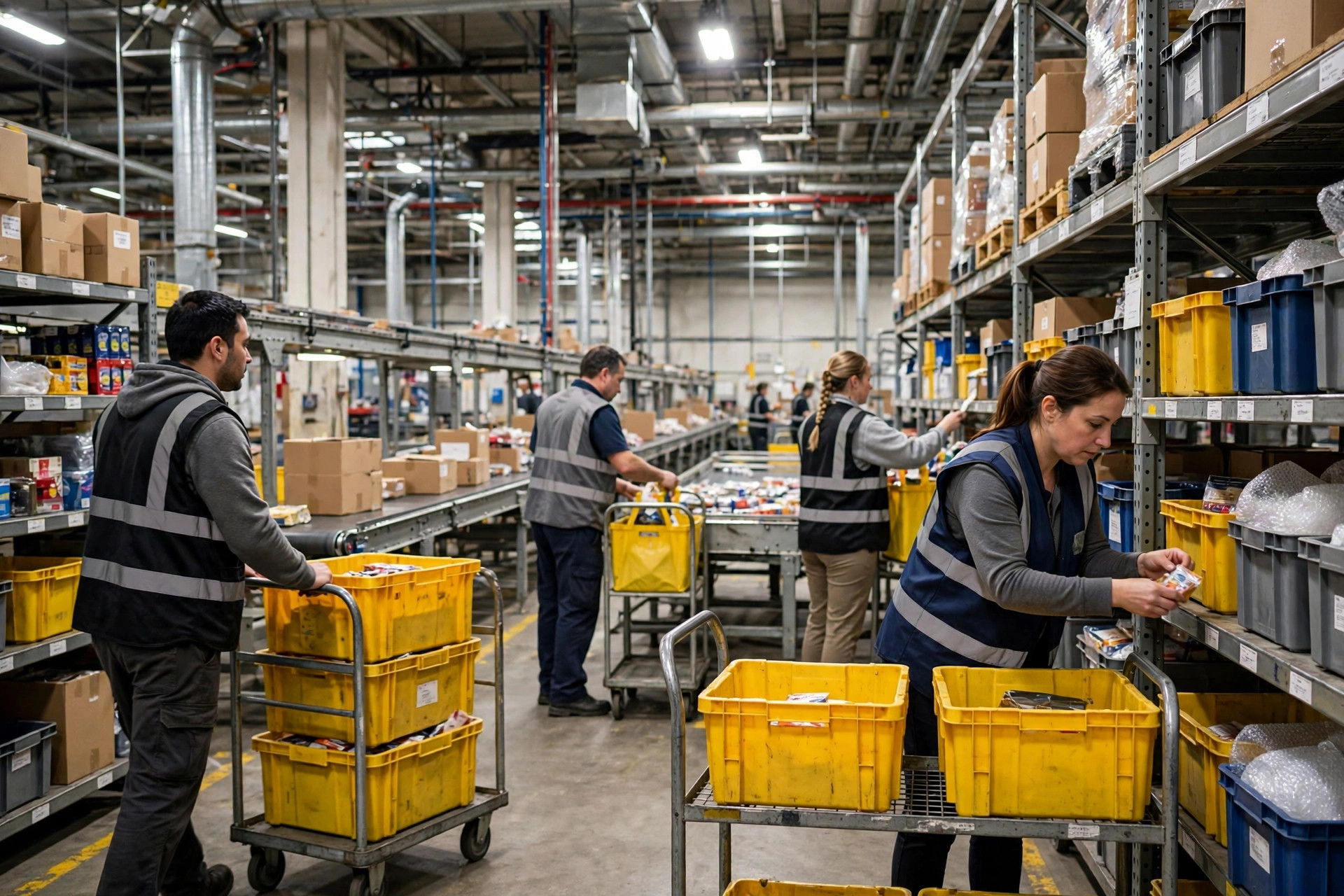
This "human WES" has run for three years, and the blooper reel is long. The classic: one peak-season day, seeing a fat backlog, I released 400 orders in one shot. The pack stations jammed like a holiday train station — not enough packers, the QA queue spilled into the aisles, and the UPS driver waited 40 minutes at the dock with a face redder than his taillights. Lesson learned the hard way: wave release is not about releasing more. It is about releasing exactly what you can swallow. That principle is written all over the WES algorithm.
What a WES Actually Is: The Floor Manager
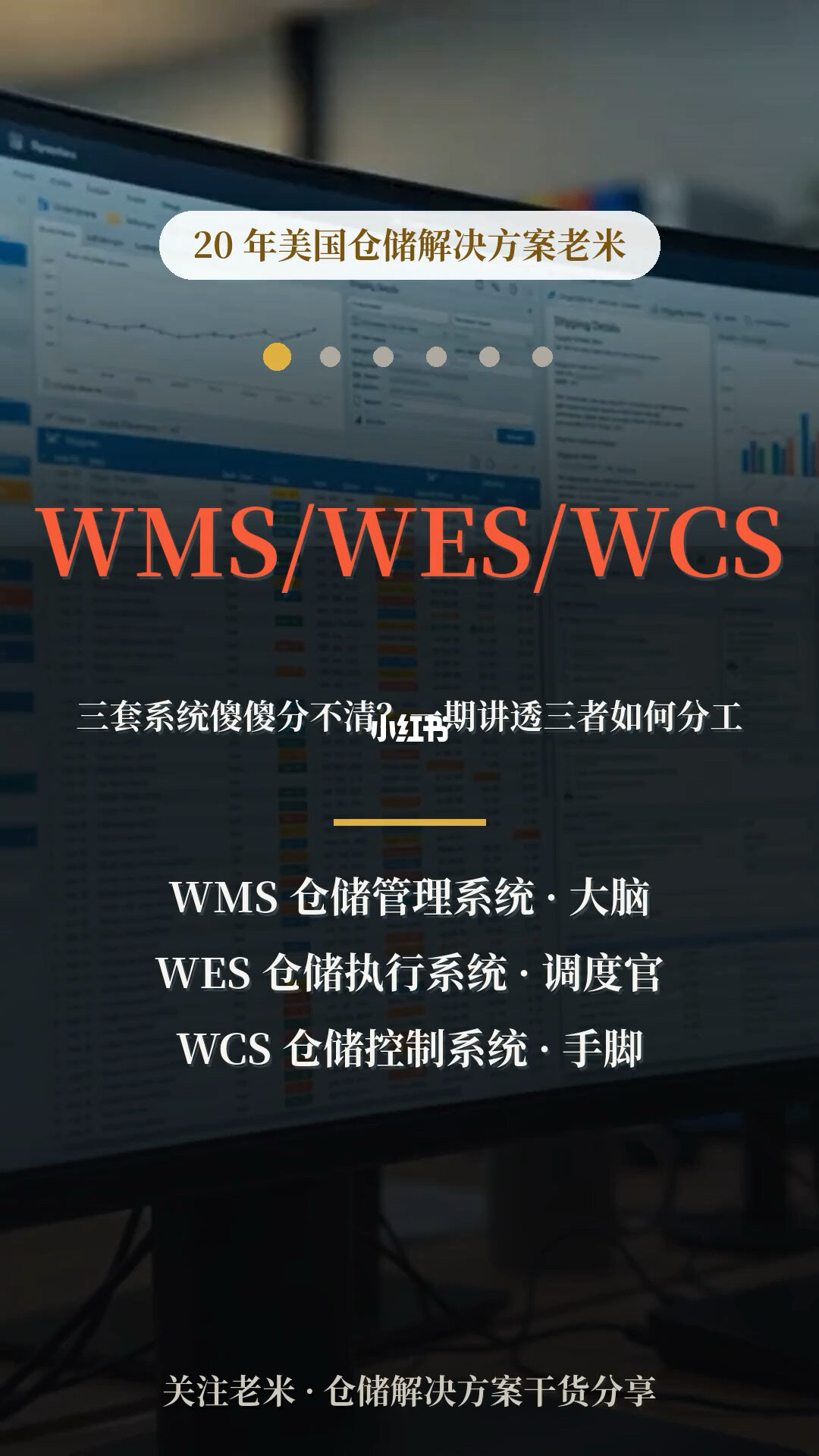
Before the algorithm, a plain-language definition. The WMS owns the "books" (inventory, orders, locations). The automation (sorters, AMRs, conveyors) owns the "hands and feet." The WES is the floor manager in between: upstairs the WMS says "5,000 orders today," downstairs the equipment says "I can spit out 800 units an hour," and the floor manager makes the schedule — which batch goes first, how big each batch is, how to split work so nothing fights.
Wave release is the floor manager's most important job: dripping orders from the pool in batches. Release too early and inventory hasn't arrived; too late and you miss carrier cutoff; too much and downstream chokes; too little and people stand around burning money. The WES wave release algorithm boils down to four questions.
The Four Questions the WES Wave Release Algorithm Answers
Question one: what's hitting cutoff? (cutoff clustering). The algorithm scans the order pool and groups by carrier cutoff. UPS cuts at 3 PM, FedEx at 4, the linehaul at 5 — orders nearing cutoff jump to the front of the line. My warehouse does this too: it is the left column of my whiteboard. Where the WES gets ruthless is counting short orders: one unit missing, arriving in 10 minutes? Hold it for the next wave. Arriving tomorrow? Split the order and ship what's here.
Question two: what do the orders look like? (order profiling). The algorithm sorts orders by shape: single-unit orders (one SKU, one piece — perfect for batch sort), multi-line orders (picking across zones), oversized orders (special handling). Mixing shapes in one wave drives pickers insane — fifty easy singles, then suddenly a 20-line monster, rhythm destroyed. The WES batches similar shapes together so each line does "one kind of work." We do this too: singles go in their own wave for the newbies, multi-line waves go to the veterans.
Question three: how much can we swallow? (capacity back-calculation). This is where the algorithm earns its keep. It calculates backwards: sorter throughput per hour, pack stations staffed, conveyor choke points, trucks waiting at the dock — and derives "this wave can hold at most N orders." My friend told me their WES releases 40-plus waves a day, roughly one every 15 minutes, each wave's size computed, not guessed. Compare my 400-order disaster: we released forward (however many we had), they calculate backward (only what fits). That single reversal is the whole game.
Question four: will zones finish evenly? (workload balancing). Big warehouses pick by zone. If Zone A finishes in 10 minutes and Zone B needs 40, the whole wave waits on B. The algorithm tweaks each wave's composition — more lines to the fast zone, fewer to the slow one — so zones land together. My warehouse barely feels this one (the place is too small to zone), but the principle is identical: when I schedule shifts, I split fast and slow pickers apart. Same idea.
| What the algorithm reads | Our low-budget equivalent |
|---|---|
| Carrier cutoff times | Left column of the whiteboard, handwritten |
| Order shape (single/multi/oversize) | Excel pivot table, checked weekly |
| Equipment capacity (sort/pack/convey) | How many packers showed up, in my head |
| Inventory availability | Morning walk-through of hot SKUs |
| Labor distribution by zone | Who's fast, who's slow — I know them all |
See? We have every input. We are only missing the "compute" step — theirs runs in code in real time, ours runs on gut feel.
Counterintuitive: Three Things Algorithms Fear Most
Back from the tour, I spent an afternoon grilling my friend's implementation consultant and dug up three counterintuitive truths:
First, algorithms fear black boxes most. Some WES wave logic is a black box — ask why this wave got these orders and it cannot tell you. When peak season throws a curveball, nobody dares touch the parameters, because nobody knows what touching them does. My friend's team required "every release rule must be explainable" during selection. I agree 100%: a system you cannot understand is a system you do not have.
Second, smaller waves are not always better. Some folks think tinier waves mean more flexibility — one order per wave, why not? Wrong. Every release carries switchover cost: task dispatch, people repositioning, equipment clearing. Waves too small, and switchover overhead eats every efficiency gain. Optimal wave size sits at the bottom of a U-curve; the WES computes that point, my warehouse finds it by "let's try three waves and see" — crude, but the direction is right.
Third, labor fluctuation is the algorithm's Achilles' heel. Equipment capacity is fixed; people are not. Twelve people today, two call in sick tomorrow, and every wave sized for twelve is wrong. My friend's warehouse built a "labor decay factor" — one person down, wave size auto-discounted 10%. I laughed out loud: my warehouse has done "staff to the crew you actually have" for three years. The enterprise name for it just costs more.
The Poor Man's Wave Release Algorithm: Our Checklist
Can't buy a WES, but the thinking is free to copy. Here is the poor man's wave release checklist I adapted from those four questions. It hangs on our office wall:
- Three fixed release times daily (9 AM, 1 PM, 4 PM). No random releases — fixed rhythm keeps people sane.
- Before each release, check cutoffs: any carrier cutting within 2 hours gets its orders prioritized.
- Single-unit orders get their own wave for newbies and temps; multi-line waves go to veterans.
- Wave size = packers on shift × orders each can clear per hour × 1.5 hours. Over that number? Don't release. Full stop.
- The week before peak, pivot-table the single/multi ratio in Excel. If it shifted, adjust rule 3's grouping.
Since adopting this, our pack stations have never jammed in peak again. Sure, it cannot match the precision of 40-plus computed waves a day — but our cost was zero. Zero cost, zero jams. What more do you want?
The honest truth: a WES wave release algorithm is just veteran know-how written in code. It will not think for you; it only computes faster than you. So neither worship it nor fear it. Understand the four questions, and you become your warehouse's human WES — with no implementation fee. Small warehouses have their own way of surviving.
By Xiao Ma, Small Warehouse Owner