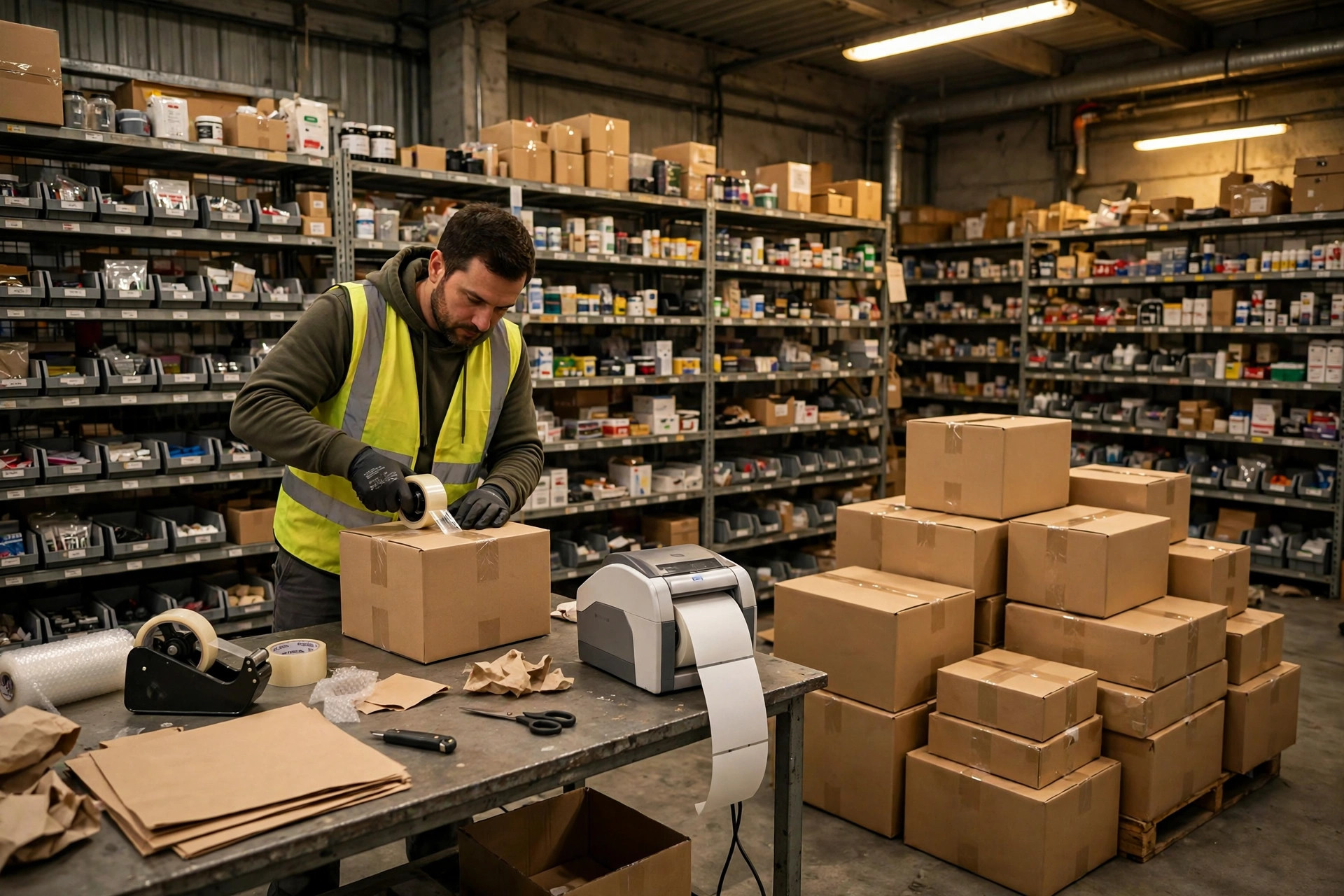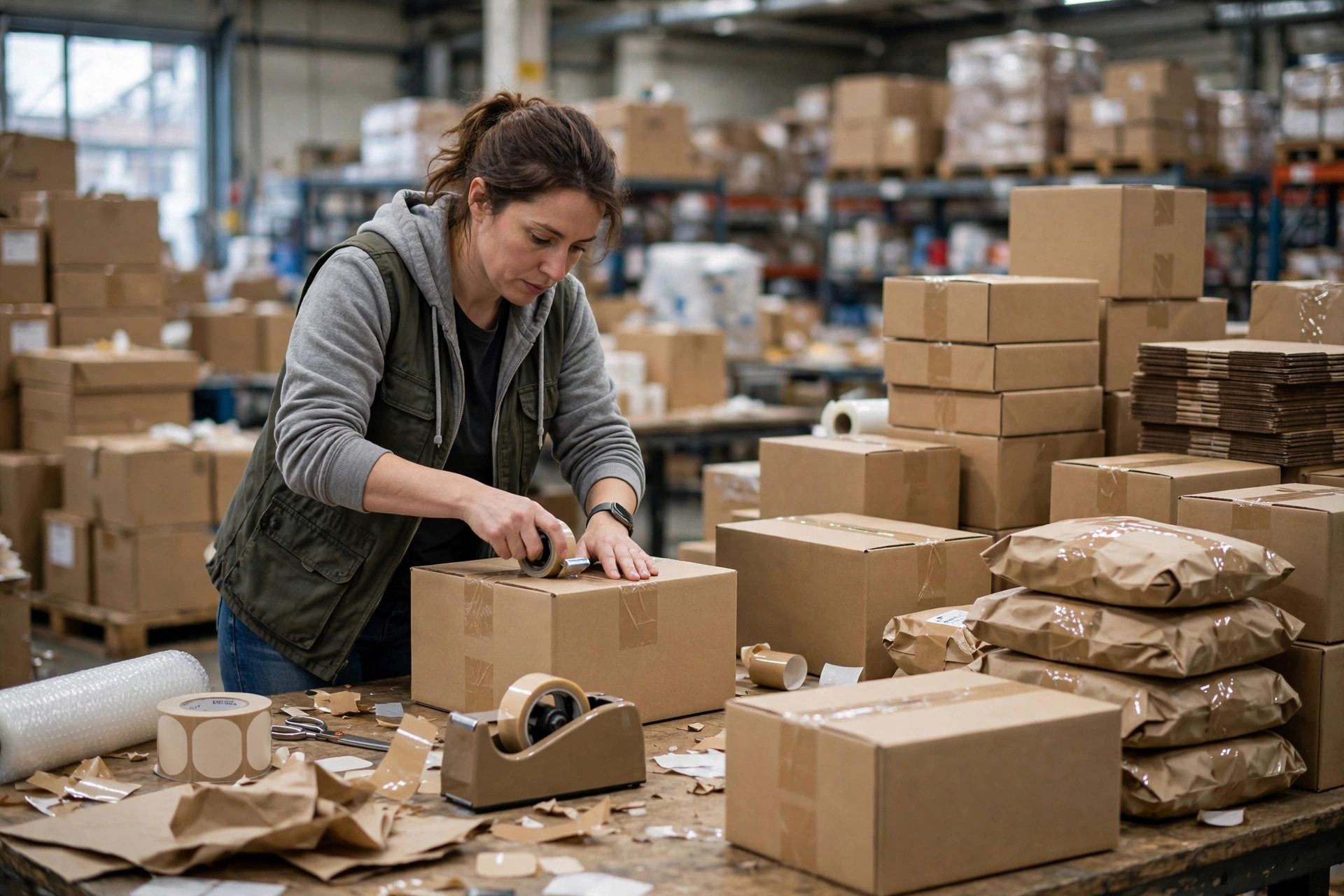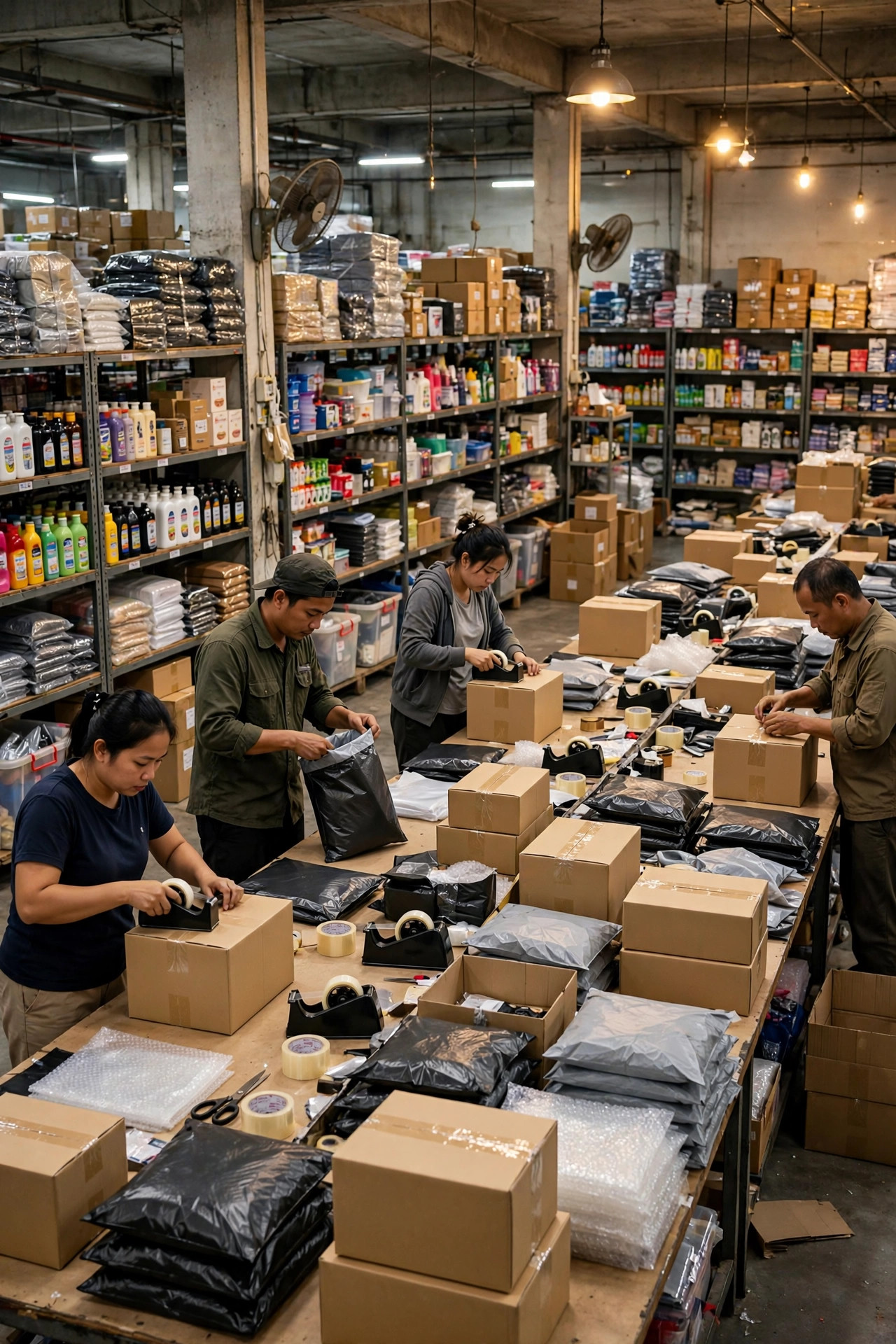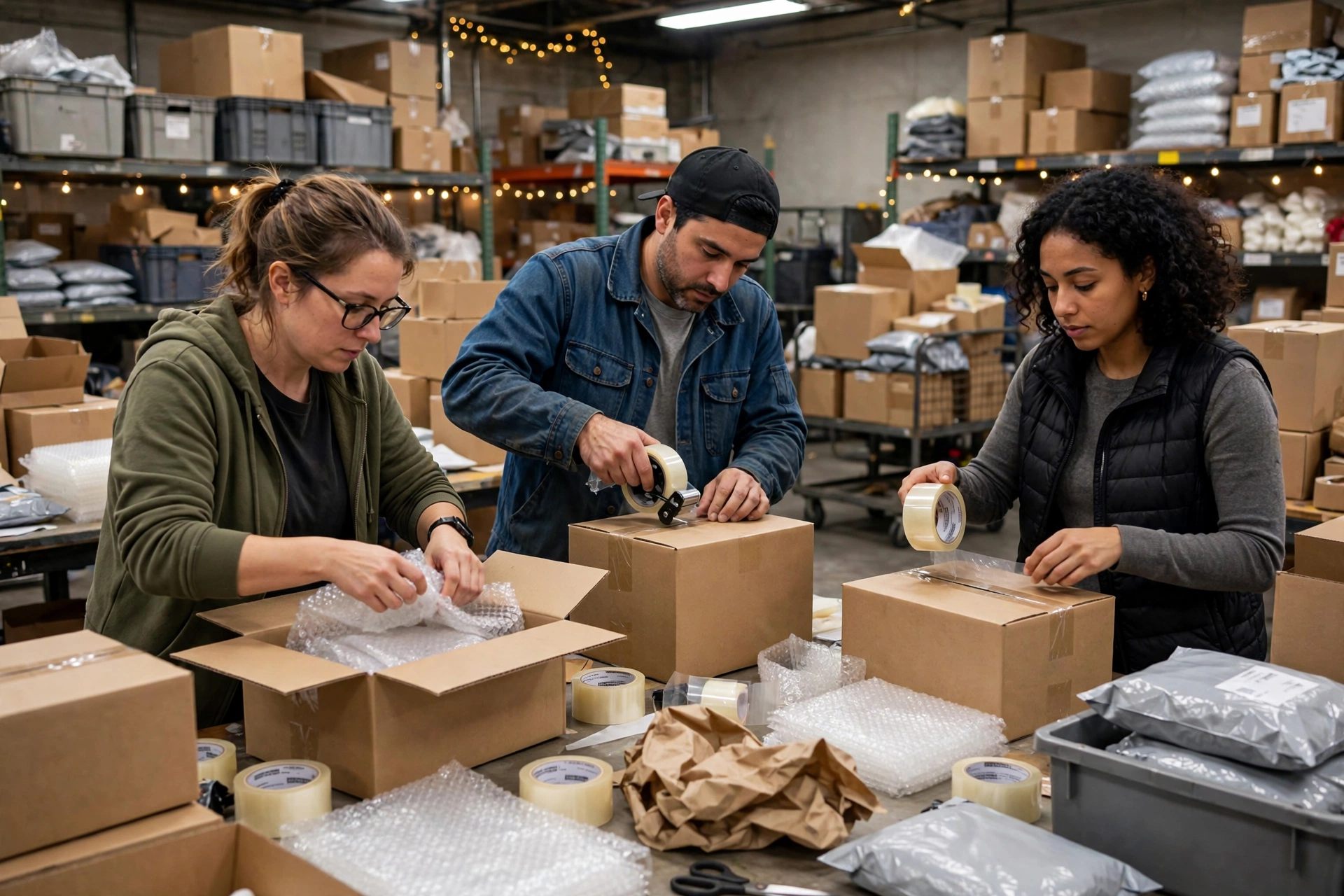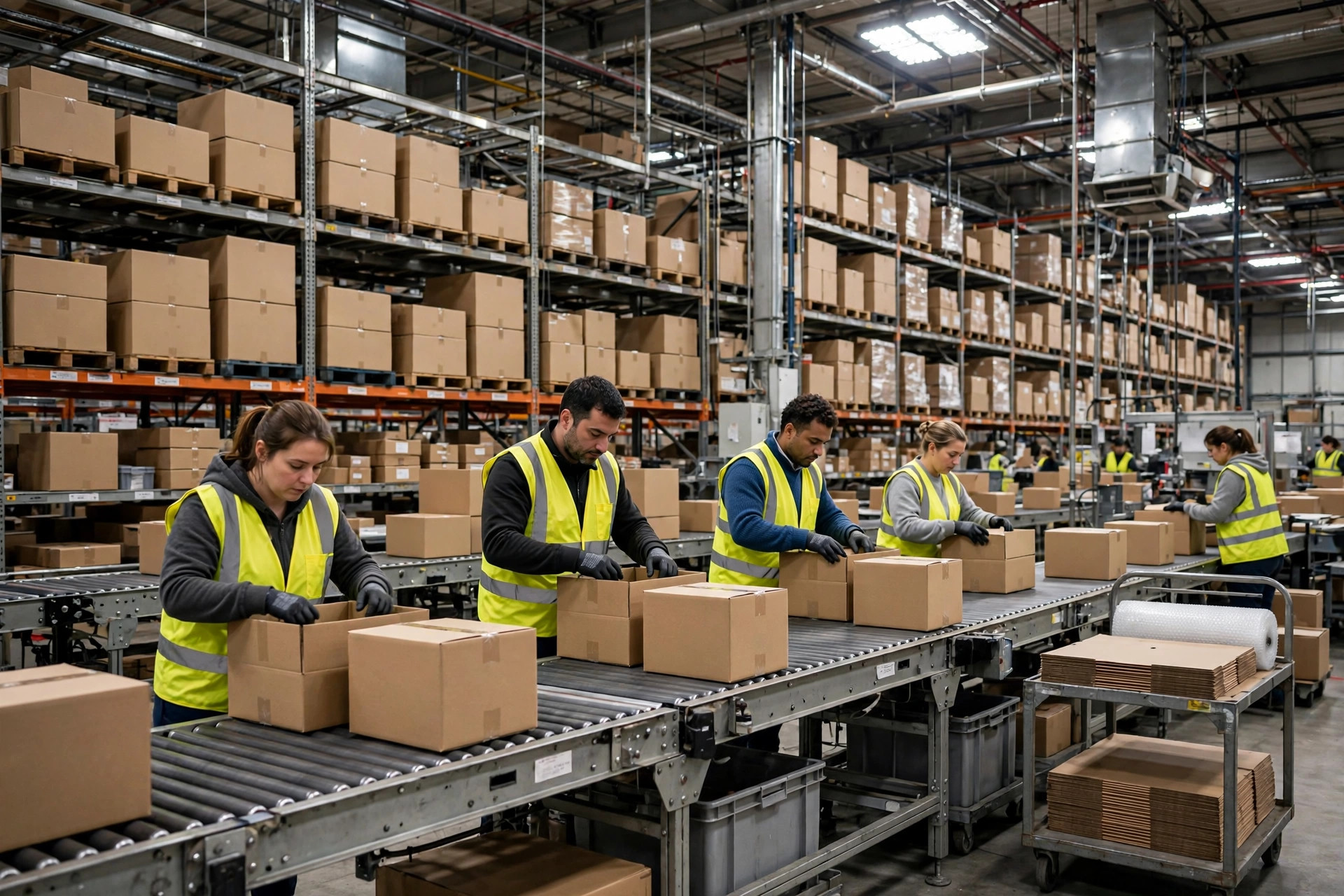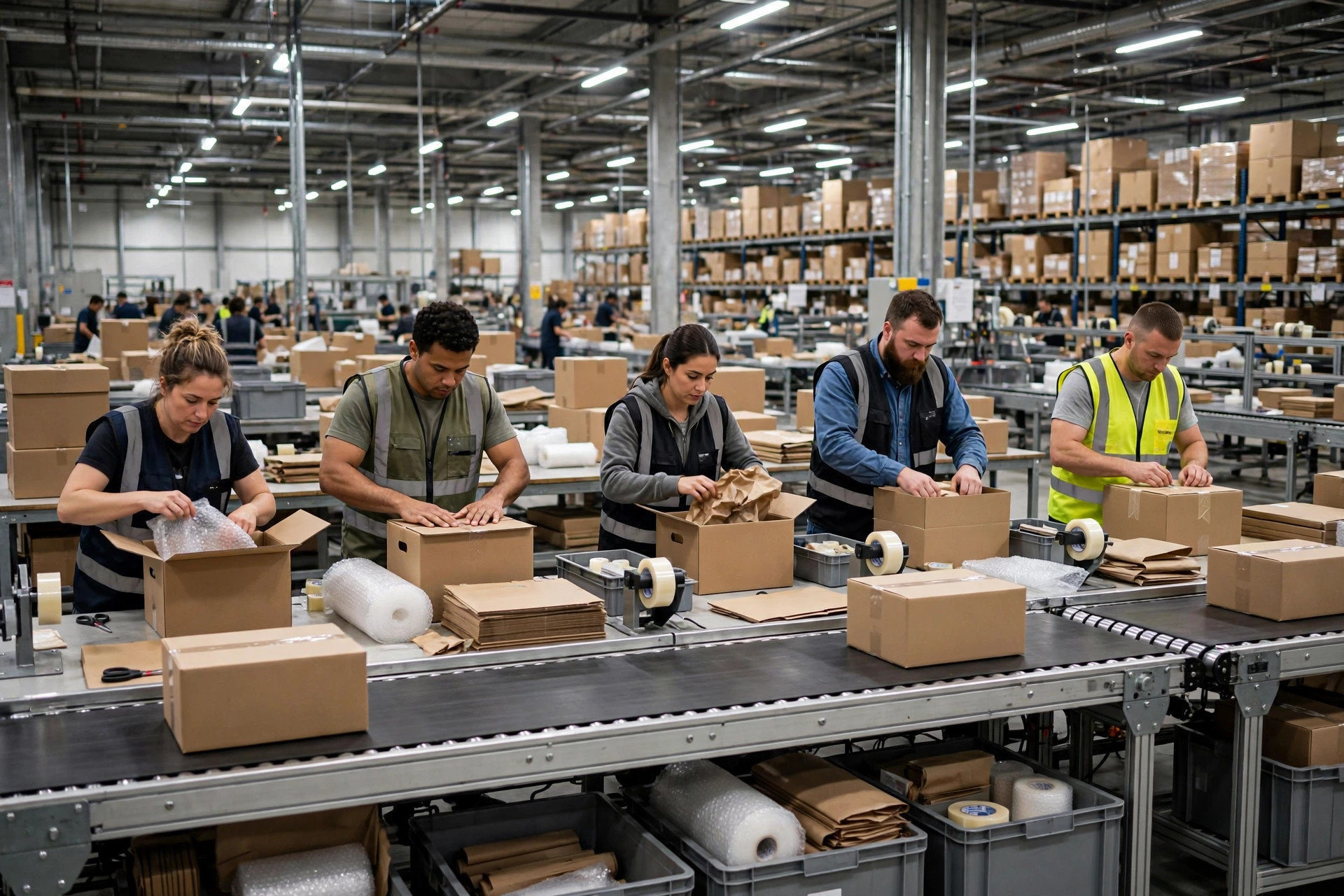
We have a client — a budget beauty brand out of Los Angeles — who did a livestream with a top creator late last year. Three hours, over ten thousand orders. The founder called me at 2 a.m., voice shaking: "Susan, our warehouse says they can't get it out. TikTok is going to penalize us." I laughed — not out of cruelty, but because I watch this exact movie a dozen times a year. In TikTok Shop fulfillment, shipping is never the hard part. The hard part is that you had no idea it would be this hard.
So let me flip over some 3PL cards: where TikTok Shop's US fulfillment requirements actually bite, how to survive a livestream spike, how to lay out a returns operation that doesn't bleed you dry — and what we're really calculating on our side of the table before we take on a seller like you.
TikTok Shop Fulfillment SLAs: How Tight Are They Really?
Bottom line up front: TikTok Shop's shipping requirements in the US are more "emotional" than Amazon's. Amazon's rules are carved in stone; TikTok's breathe — during big promos and livestream pushes, the system's tolerance for late shipment visibly drops, your shop experience score dips, traffic follows it down, and you're in a death spiral.
The platform has revised its shipping windows and penalty rules several times in recent years, so I won't quote you a fixed number here — check the TikTok Shop Seller Center for the current policy before you sign anything.
First, it's the carrier scan that counts, not your "marked as shipped" click. Plenty of sellers think clicking "ship" in the backend settles it. Wrong. The platform recognizes the first carrier scan. That dead zone between "packed and waiting at your dock" and "the driver actually scanned it" — 90% of small sellers never factor it into their SLA math. We had a client in Houston whose warehouse sat in the suburbs; UPS did one daily pickup with a 3 p.m. cutoff, and his livestreams ran at 8 p.m. Every spike's orders sat unscanned until the next day — a full day gone, every time.
Second, it's the defect rate, not the average. TikTok's shop score penalizes late-shipment rate and stockout-cancellation rate separately. Shipping 95% of orders fast doesn't save you — the 5% that missed during the spike drags your whole store's traffic weight down.
So when you negotiate a 3PL contract, don't let the SLA say only "ship within X days." Pin down three things: the daily order cutoff time, whether there's a written surge-staffing plan for spike periods, and how late-shipment compensation works. Any promise that isn't in the contract is just something a sales rep said over coffee.
Inventory Rhythm: The Sweet Disaster of a Viral Livestream
In 2024 we took on a small-appliance seller out of Phoenix. Normal days: 200 to 300 orders. We staffed him with two pickers. One livestream later — 8,000 orders in six hours. The warehouse flatlined: not enough bin space, not enough cartons, not enough hands. It took four days to clear the backlog, his shop score dropped nearly a point, and organic traffic got cut in half for the following month.
Here's the fundamental difference between TikTok Shop fulfillment and traditional ecommerce fulfillment: the demand curve isn't a slope, it's a cliff. Amazon volume climbs gradually; TikTok goes 10x, 20x the moment a creator goes live, then falls right back off. You can't staff your way through that kind of spike — hire for the peak and you're paying idle hands the rest of the month, and yes, that labor cost lands on your invoice.
We ran the numbers internally. Say a livestream drops 5,000 orders and you need them out in two days — your realistic options:
| Option | What it means | The cost |
|---|---|---|
| Temp labor | Staffing agency, rates 30%–50% above normal | Flexible but pricey; quality wobbles, mis-ships climb |
| Scheduled overtime | Existing 3PL crew works extra, 1.5x pay | Cheaper, but capped at about 4 extra hours a day |
| Pre-packed bestsellers | Pre-pack predicted hero SKUs so spikes just need a label slapped on | Cheapest option — but you're betting on your forecast being right |
| Split inventory | Stage hero SKUs across 2–3 warehouses, ship from closest | Best transit times, but fragmented inventory is harder to manage |
And here's the counterintuitive take: for TikTok sellers, overstocking hurts less than understocking — but the "over" belongs on predicted winners, not spread evenly. Too many sellers fear dead stock, so they carry 30 days across every SKU. Then the one SKU that pops sells out in three days while 28 sleepers sit in the warehouse collecting storage fees. The right play: use your livestream history (yours and your creators') to identify the top 20% of SKUs, carry 45–60 days on those, 15–20 on the rest. You'll pay a bit more in storage. One stockout's lost traffic and penalties will cost you half a year of rent.
One more insider card: the storage line on a 3PL quote has deep water under it. Lots of quotes read "$X per pallet month one, $Y month two" — looks transparent. The real margin sits in the long-term storage surcharge: past 90 days the rate doubles, past 180 it doubles again. TikTok SKUs turn over fast; last year's hero is this year's nobody, and the boxes rot in the rack while the meter runs.
The Returns Warehouse: TikTok Shop Fulfillment's Most Underrated Piece
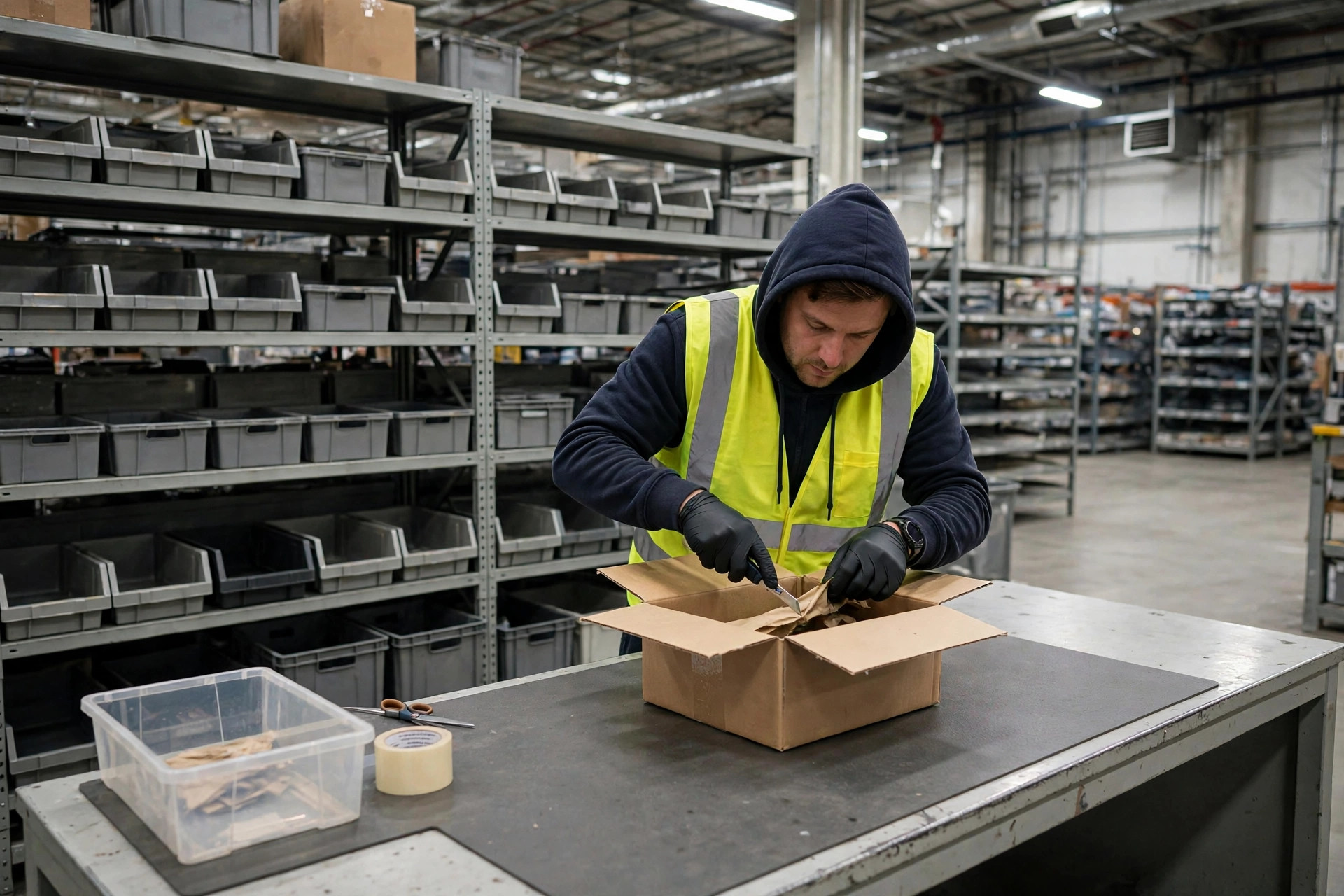
If outbound is the face, returns are the foundation of TikTok Shop fulfillment — and it's a drafty one.
We have a women's apparel client in Dallas running an about-30% return rate year-round. Before you gasp: for TikTok fashion, that's not outrageous. Impulse buying plus size roulette puts 25%–35% squarely in normal range. She figured "returns just come back and we resell them." First year-end close told a different story: returned goods filled half her warehouse, nobody was grading them, resellable units sat mixed with write-offs, and eventually the whole pile went to a liquidator at a loss on every piece.
For returns layout, my advice to every TikTok seller is the same "three-zone split" we run inside our own 3PL returns operation:
First, the inbound triage zone. Every return gets scanned against the original order the day it arrives; packaging gets a glance. Intact box, tags still on? Straight to the resellable zone. This has to happen within 24 hours — TikTok pushes refund timing too, and if the platform refunds before your goods are even received, you've lost both the money and the merchandise.
Second, the grading zone. Open, inspect, grade. Grade A (like-new, resellable), Grade B (damaged packaging, product fine — rebox and resell), Grade C (signs of use — discount or scrap). Get the grading standard into your 3PL contract as an appendix with photo examples. This is billing-fight ground zero: what counts as "light signs of use" means very different things to you and to your 3PL.
Third, the relist/clearance zone. Grade A and B stock must flip back to sellable inventory within 48 hours. Most sellers don't realize that reselling returns cuts return losses roughly in half — on a $20 garment, return freight plus grading runs about $4–5. Resell it and you've lost the freight; scrap it and you've lost the $20 of product plus the freight. Even a cost analyst would nod at that math.
The three returns line items that always start fights on the invoice: receiving fees (per unit or per carton?), grading fees (same price for A, B, and C?), and restocking fees (does re-labeling and re-boxing count extra?). Plenty of 3PL sales quotes show a single "returns processing fee $X per unit" — you assume it's all-inclusive, then month-end reveals grading, sorting, and re-boxing as separate charges.
One: "Walk me through every returns step from receiving to resellable, with a price on each." Get the itemized breakdown into the contract appendix. Don't trust the bundled price.
Two: "Is the surge staffing plan written into the SLA — and if not, what's the compensation standard for late shipment?" An SLA without a penalty clause is scrap paper. I've told brand owners that eight hundred times.
Three: "What are the storage rates for stagnant inventory at 90 and 180 days — and how much notice do I need to give for a clearance?" TikTok products rise fast and die fast. Skip this question and you'll be crying at year-end close.
One honest word to close. We 3PLs take on TikTok sellers every day. I can see clearly which ones thrive and which ones flame out. The survivors aren't the ones with the best products — they're the ones who treat shipping SLAs, inventory rhythm, and returns as the business itself. Traffic brings the orders. Fulfillment keeps the business.
By Susan, 3PL Sales Director