So you want to learn how to become a Jumia seller in Nigeria? Cool. Just know this going in: Jumia became Africa's first unicorn in 2016 with a valuation over $1 billion (TechCrunch) — the traffic is real. But in Nigeria, cash on delivery still rules. A huge chunk of your orders won't pay you at checkout; they pay when the rider shows up and the customer hands over cash. Then Jumia settles with you weekly. You front the inventory, the freight, and the commissions the entire time. Get the cash-flow math wrong and your first shipment will bleed you dry. Here's the full playbook — onboarding to payout — with the actual numbers.
(Quick boundary note: I wrote a separate piece on the "own warehouse vs. self-ship" decision for Jumia Africa. This one is pure seller operations — listing to payout. No overlap.)
How to Become a Jumia Seller in Nigeria: Three Documents, No Shortcuts
Jumia changes its rules the way Amazon does — constantly. But the onboarding bar hasn't moved in years. Three things, non-negotiable: a Nigerian bank account, CAC business registration, and a TIN tax number (tchelete). And here's the trap in item one — the bank account name must match your seller registration name exactly. Mismatch it and your payouts get stuck. The money sits there. You can see it. You can't touch it.
If you're selling from China, you've got two routes: register a Nigerian entity through a local agent and get your CAC sorted, or partner with a qualified local entity and sign a proper revenue-share agreement. Ignore anyone selling you the "just open an individual account" shortcut — when the payout name doesn't match, there's no appeal button that fixes it.
The slow part is never Jumia's review. It's you gathering the paperwork. CAC certificate, TIN, bank letter, account details — make a checklist and tick it off before you start. With complete documents, approval usually lands in 1–2 weeks. The sellers who get burned are the ones who open the store first and "sort out the documents later" — store's live, nothing's listed, peak season passes them by.
Commissions Run 5%–15% by Category — Price It Before You List It
Know this before you pick products. Jumia's commission depends on category. Per entrepreneurs.ng: fashion, beauty, and personal care sit at 15%; home, living, books, and general merchandise around 10%; electronics the lowest — phones and computers at 5%–10%. It gets deducted automatically before your weekly payout. You don't even get the chance to "forget" it.
Memorize the pricing formula (tchelete): Selling price = product cost + Jumia commission + packaging + transport to hub + target net profit, with a target net margin of at least 20%–25%. That buffer is what absorbs returns and price wars.
Cautionary tale: a friend of mine in Shenzhen sells cosmetics — a 15% commission category. He priced on product cost plus commission and forgot two things: Jumia's mandatory branded packaging (you must use theirs, yours doesn't count) and the per-trip cost of dropping parcels at the hub. Three months in, his net margin was under 5%. He was basically working for the platform. Lesson: packaging and hub transport go in the formula. Skip one line and you lose money.
Take a Bluetooth earbud with a landed cost of ₦8,000 (electronics, 8% commission). The math:
| Cost item | Amount (₦) |
|---|---|
| Product cost | 8,000 |
| Jumia commission (8%) | 1,000 |
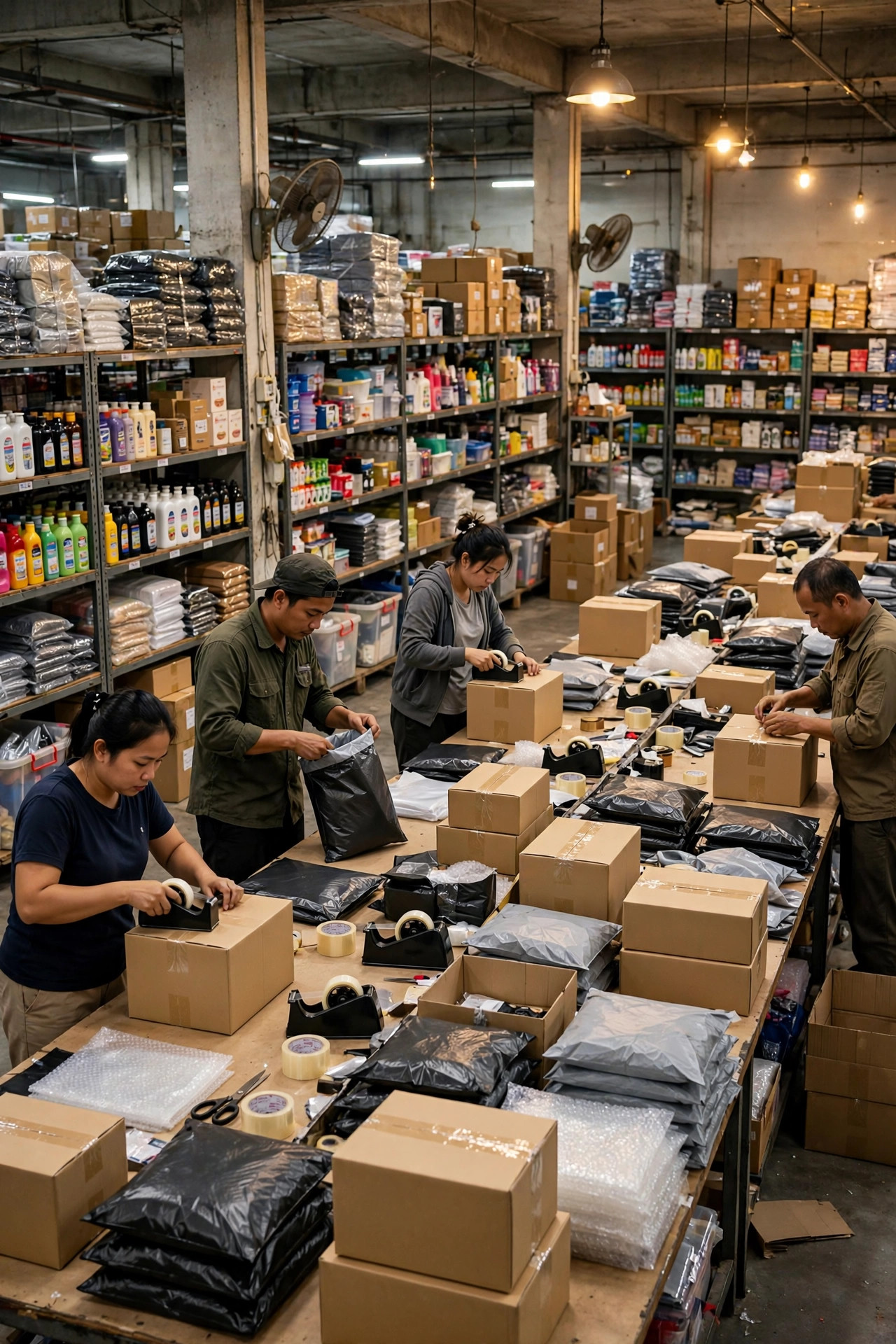
| Official packaging bag | 300 |
| Hub drop-off transport (allocated) | 400 |
| Target net profit (~20%) | 2,500 |
| Suggested selling price | ~12,500 |
At ₦12,500 against ₦9,700 in total costs, you're at ~22% net margin — enough to survive returns and still run promos. That's what "price it before you list it" means. Run the formula; kill any SKU that doesn't clear it. Don't list first and regret later.
COD Payouts: The Weekly Settlement Every Jumia Seller in Nigeria Must Survive
Here's the main event — and the section most guides on how to become a Jumia seller in Nigeria gloss over. Jumia sellers get paid weekly (entrepreneurs.ng), commissions auto-deducted. But a COD order's journey is longer than you think: customer orders (pays nothing) → you drop the parcel at a Jumia hub within 24–48 hours → Jumia delivers → the rider collects cash → delivery confirmed → settlement cycle → money hits your linked bank account.
Reality check: 7–14 days from confirmed delivery to cash in hand is normal. Now work backwards: 7 days production in Guangzhou, 5–6 weeks ocean freight, 1–2 weeks customs clearance, then listing and selling. From your first payment to the factory to your first payout landing, you're looking at 60–75 days. That's why I say nine out of ten sellers die on cash flow, not on traffic — it's not that there's no profit, it's that the money is stuck in transit.
So the iron rule: keep at least 3 months of working capital in reserve. Between stocking out on a winner and overstocking a dud, my rule is this — first order 30% lighter than your gut says, test sell-through with self-ship, then chase with a second order. Nigeria moves fast; burying cash in the wrong SKU in a Lagos warehouse is how you go broke slowly.
Then there's the COD signature move: rejection rates. Cash on delivery means the customer committed zero money at checkout, so rejection and return rates run structurally higher than prepaid orders — and you eat the return freight. Two defenses: first, don't oversell in your listing — honest descriptions, un-photoshopped pictures, manage expectations upfront; second, bake 3%–5% return loss into your pricing from day one instead of crying about it later.
Now the contrarian take: COD isn't a bug, it's a filter. Because payouts are slow and rejections are high, plenty of Chinese sellers won't touch it — which means less competition. Price the rejection rate in honestly, and COD orders frequently end up more profitable than prepaid ones. Sellers who can't handle the hassle don't get this money.
Stocking Lagos from China: Five to Six Weeks on the Water, Don't Gamble on Customs
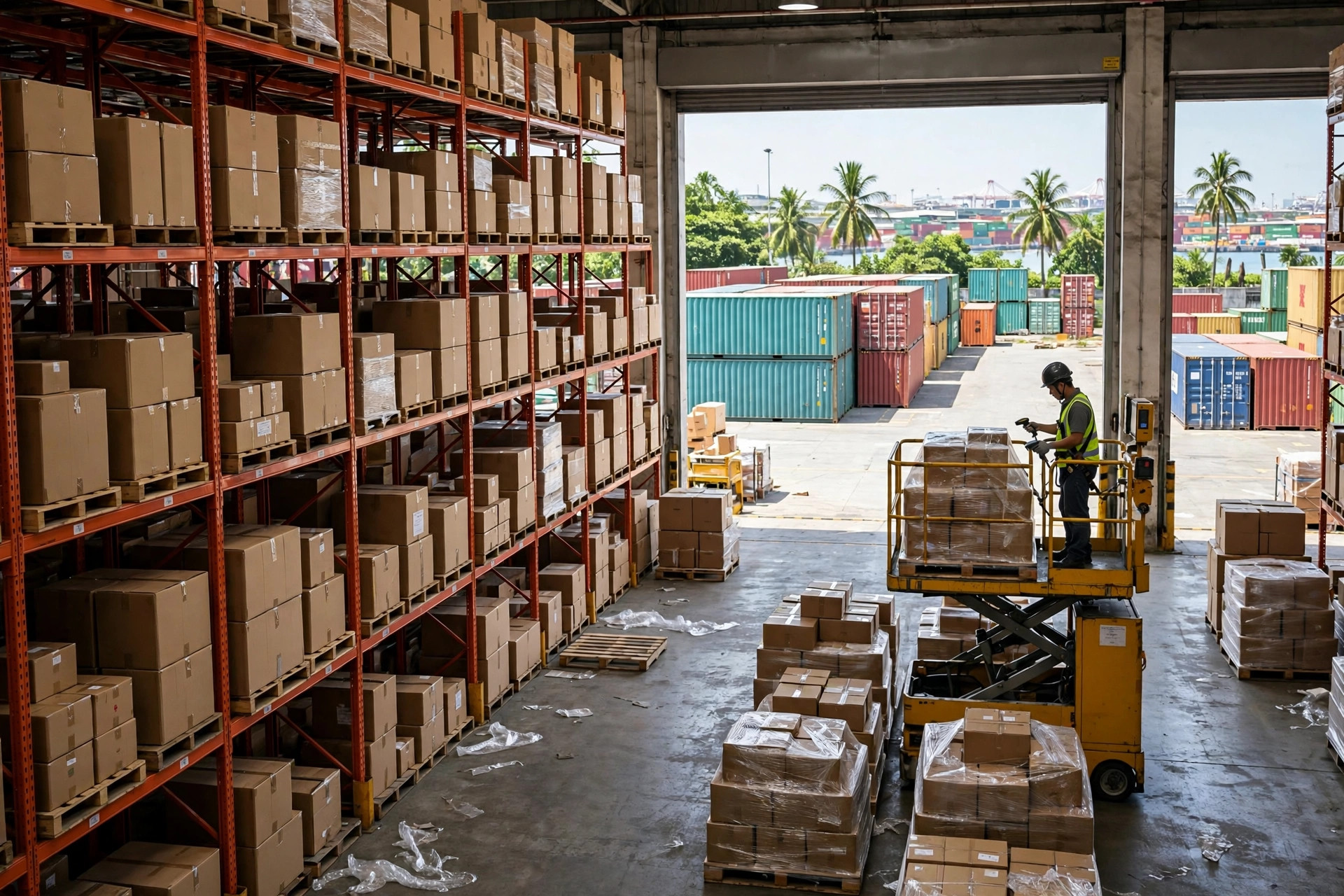
Consolidated container from Guangzhou or Shenzhen to Apapa or Tincan port in Lagos: 5–6 weeks ocean, that's the plan value. Nigerian customs inspection rates are famously high. Your Form M and import documents must be complete, and you need a reliable local clearing agent — do not go find one after the vessel berths, because by then you have zero negotiating power. Budget 1–2 weeks of port dwell into both your timeline and your costs; it's the norm, not bad luck.
In 2024 my first batch — 2,000 Bluetooth earbuds — sat at the port for 11 days before the agent got it released with an expedited fee. The extra money was nothing; the lost launch window was everything. That batch was supposed to ride the Black Friday warm-up and ended up as an everyday listing. Lesson: lock in your clearing agent before you ship, documents ready, don't gamble.
Once the goods are in Lagos, how do you fulfill? Two models, side by side:
| Jumia Express (platform fulfillment) | Self-ship drop-off | |
|---|---|---|
| Upfront commitment | Pre-stock into their warehouse, cash tied up | Zero inventory, ship per order |
| Fulfillment speed | Platform ships directly, faster | Drop at hub within 24–48h of order |
| Fees | Warehousing + handling fees | Per-trip hub transport cost |
| Returns | Handled by platform | Handled by you |
| Best for | Proven winners with steady daily sales | New product tests, long-tail SKUs |
And the contrarian call: Jumia Express is not for everyone. Slow-moving SKUs sitting in their warehouse are just monthly rent on your own cash, occupying capital that could be working. My playbook: everything new starts on self-ship for 30 days; only SKUs with steady daily sales and under-30-day turnover graduate to Express. Fulfillment amplifies winners — it doesn't store losers.
The pre-launch checklist (tick every box):
- Bank account name must match your seller registration exactly, or payouts freeze.
- Check the commission category before picking products — 15% beauty and 5% electronics are different pricing games.
- Use Jumia's official packaging bags. Don't save pennies and get delisted.
- Don't oversell in listings, don't over-edit photos — COD returns are expensive, manage expectations upfront.
- Keep 3 months of working capital; make the first order 30% lighter than your gut says.
- Lock in your clearing agent before shipping; have Form M and documents ready early.
I've run this full cycle twice. The day the first payout landed, my cash-flow sheet finally turned green. Tested by me, works in the wild — run the pricing formula and the 60–75 day cash timeline before you order a single unit, and Nigeria won't eat you alive.
By Ah K, E-commerce Seller (5 yrs)