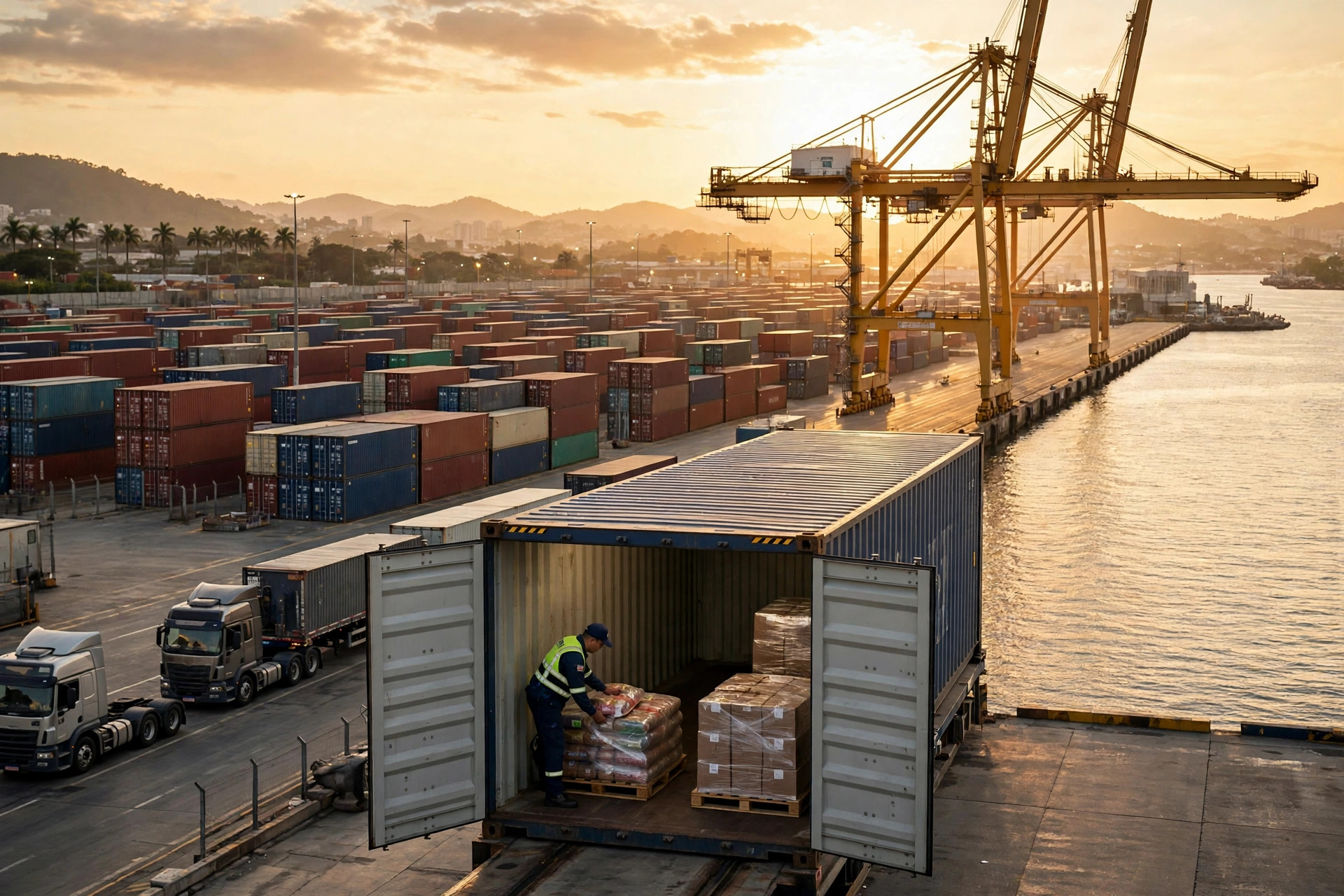
One of our clients — a mid-sized outdoor furniture factory in Guangdong — shipped its first container to Brazil last fall. A 40-foot high cube, headed for the Port of Santos, cargo worth over eighty thousand dollars. Before the vessel sailed, the boss told me: "Susan, I've run the numbers. Ocean freight plus duties, about twenty-some thousand. The margin still works." I didn't spoil his mood. I just said: get your RADAR registration sorted before we talk margins. Two months later he called me: "Susan, our container has been sitting at the port for three weeks. The broker says we're in the gray channel."
That container taught him the first lesson of the Brazil import customs clearance process: what costs you money in Brazil is never the tax. It's everything you forgot to put in the spreadsheet.
RADAR: Your Ticket Into Brazil
Brazil has something called RADAR, managed by Receita Federal — the federal tax authority. Without it, you can't even file an import declaration. It's tiered by how much you import every six months: Express tier caps at US$50,000, Limited at US$150,000, and Unlimited has no ceiling but requires a full financial capacity review.
That furniture factory tripped right here. Their forwarder had promised "we handle everything," but after the container landed, they discovered the importer's RADAR was Express-tier — and the cargo in that single container alone exceeded US$50,000. Over the limit, the system simply rejects the filing. What did they do? Upgrade the registration and wait for re-review, while port demurrage burned several hundred dollars a day. The boss told me later those three weeks cost him ten times what he'd saved by picking the cheapest broker.
So rule number one: before the container sails, ask which RADAR tier your Brazilian importing entity holds. Get this wrong and nothing downstream matters.
The Four Channels of Brazilian Customs Clearance: Your Schedule Lives and Dies by Color
Once cargo arrives, the importer files the import declaration (DI — Brazil is transitioning to the newer DUIMP, and both run in parallel during the switchover) through Siscomex, the integrated foreign trade system. The system then auto-assigns — "parameterizes" — the shipment into one of four channels:
Green: automatic release. No document review, no inspection. Usually cleared in one to two days. This is where you want to be.
Yellow: document review only, no physical inspection. One small inconsistency — the gross weight on your invoice off by a fraction of a kilo from the declaration — can drop you in here. Costs you a few days.
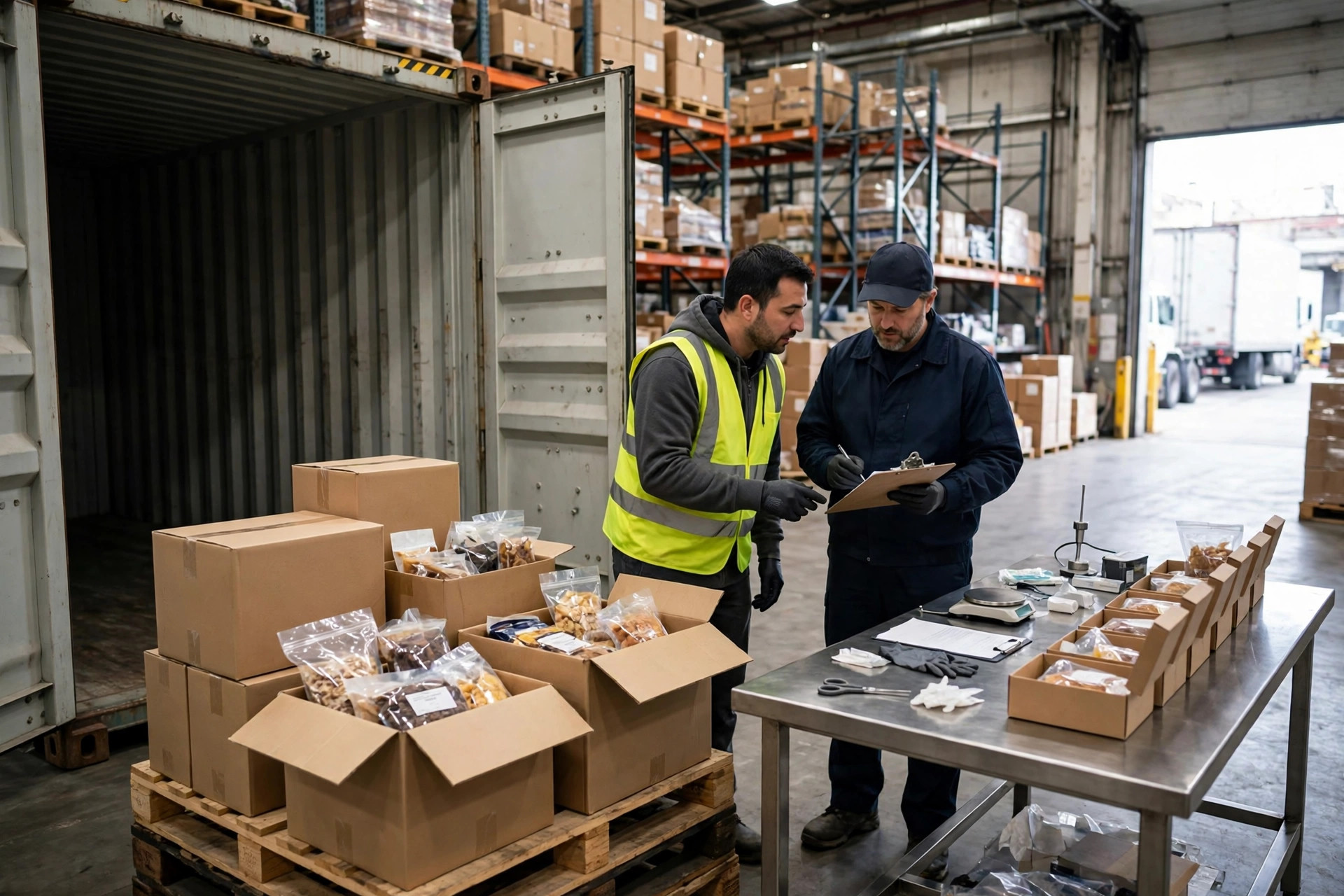
Red: document review plus physical inspection, averaging seven to ten days. Unloading, tallying, inspection fees — all on you.
Gray: the scary one. On top of everything in red, customs audits your declared value. Suspected undervaluation goes to gray. In extreme cases it can stretch to 120 days, and if fraud is established, the cargo can be held up to 180 days for investigation. This is the hidden cost most first-timers never model when they plan a Brazil import customs clearance process around tax rates alone.
Here's the counterintuitive part: people assume gray is an "upgraded" red. Wrong. Gray is about your price. Whatever you saved by under-declaring, one gray-channel audit can claw back with interest — plus the demurrage bill. Another client, an auto parts importer, declares at real value and cruises through green channel year after year. A competitor under-declared by 20%, landed in gray twice in one year, and the demurrage plus penalties ended up costing triple the duty they'd tried to save. Brazil's customs algorithm is sharper than you are. Play games with it and you pay in time.
Want more green? No magic. Three things: consistent documents, honest valuation, clean history. A clean compliance track record is a major plus in Siscomex parameterization — which is why established importers clear faster than newcomers, every time.
Doing the Math: The Four-Tax Stack
Brazil's taxes have a reputation, but the logic is straightforward — they stack. The big four:
| Tax | Applies to | Rate range |
|---|---|---|
| II (import duty) | all imports | 0–35%, by NCM code |
| IPI (federal excise) | manufactured goods | 0–30% |
| PIS/COFINS (social taxes) | all imports | about 11.75% combined |
| ICMS (state VAT) | state-level | 17–25%, varies by state |
And these are cascading — each subsequent tax is calculated on a base that includes the previous ones. The World Bank puts Brazil's weighted mean applied tariff at 7.26%. That sounds low, but stack IPI and a 17–25% ICMS on top and doubling your landed cost is normal. When quoting, never stop at II. Price ICMS by the destination state — São Paulo and Rio don't charge the same rate.
Also, regulated categories need advance licensing (MAPA for food, ANVISA for pharma), and non-automatic licenses expire 90 days after issuance. Miss that window and you start over. Don't wait until the cargo is at port to remember this.
Broker Coordination: The Contract Clauses That Actually Matter
Back to the furniture factory. They eventually switched to a broker that cost 30% more — and the boss said it was worth every cent after reading four clauses in the contract:
- Who files and who double-checks the DI: the broker commits to dual review of declaration data by licensed brokers, and eats any fines caused by filing errors.
- SLA for off-green outcomes: if the cargo drops into yellow, red, or gray, the broker must deliver a written action plan with an estimated delay within 24 hours.
- Escalation contacts: for inspection scheduling, duty disputes, and gray-channel audits — who's responsible, and what's their phone number.
- Cost cap on pass-throughs: demurrage and inspection charges exceeding budget by 20% need prior written approval. No surprises.
Shippers love asking "how much is the brokerage fee?" Insiders ask "who covers me when we hit gray?" The brokerage fee spread is a few hundred dollars at most; one inspection's demurrage bill runs into the thousands. Anyone who's signed a hundred warehouse contracts knows this math by heart.
One more cautionary tale — also our client. A Shenzhen LED lighting company picked its broker purely on the quote sheet, US$200 cheaper per container, and signed for six months. Then a container hit red channel for physical inspection, and their broker's inspection booking took nine days — because the cheap broker had no inspection staff of its own in São Paulo and outsourced everything. Nine days of demurrage plus unloading fees cost a few thousand extra dollars on that one container. The boss did the math: "Half a year of savings, gone in one container." Cheap brokers aren't off-limits. You just need to know where they cut — usually headcount, which means nobody runs for you when things go wrong.
One honest observation to close: the Brazil import customs clearance process is actually quite automated — Siscomex is fully electronic, and channel assignment is algorithmic. But automation only rewards clean importers: clean documents, clean pricing, clean history. Do those three well and green becomes your default. Try to game the system and the system has plenty of ways to slow you down.
Next time you're negotiating, ask these three questions: which RADAR tier are we on? What's your playbook when we hit gray? Who approves cost overruns? If they can answer, they've actually done Brazil.
By Susan, 3PL Sales Director