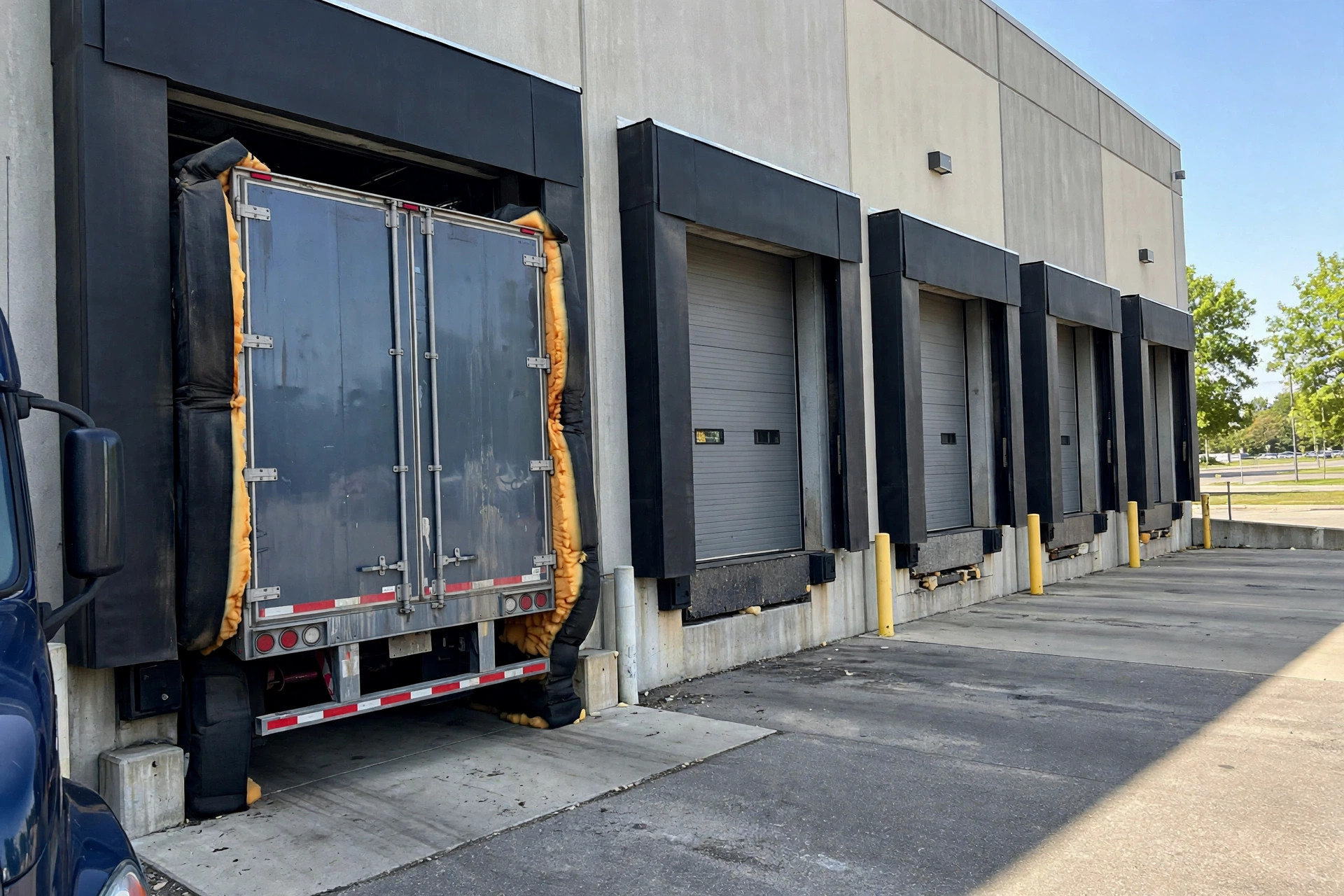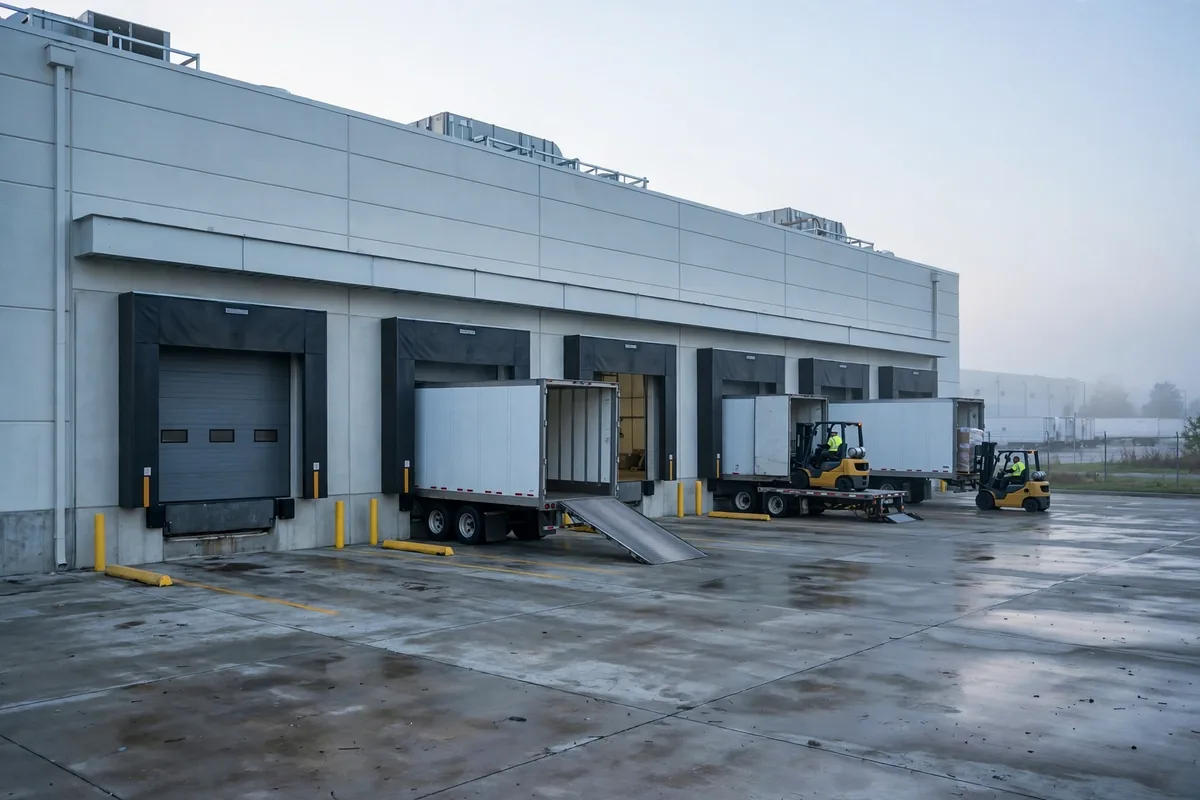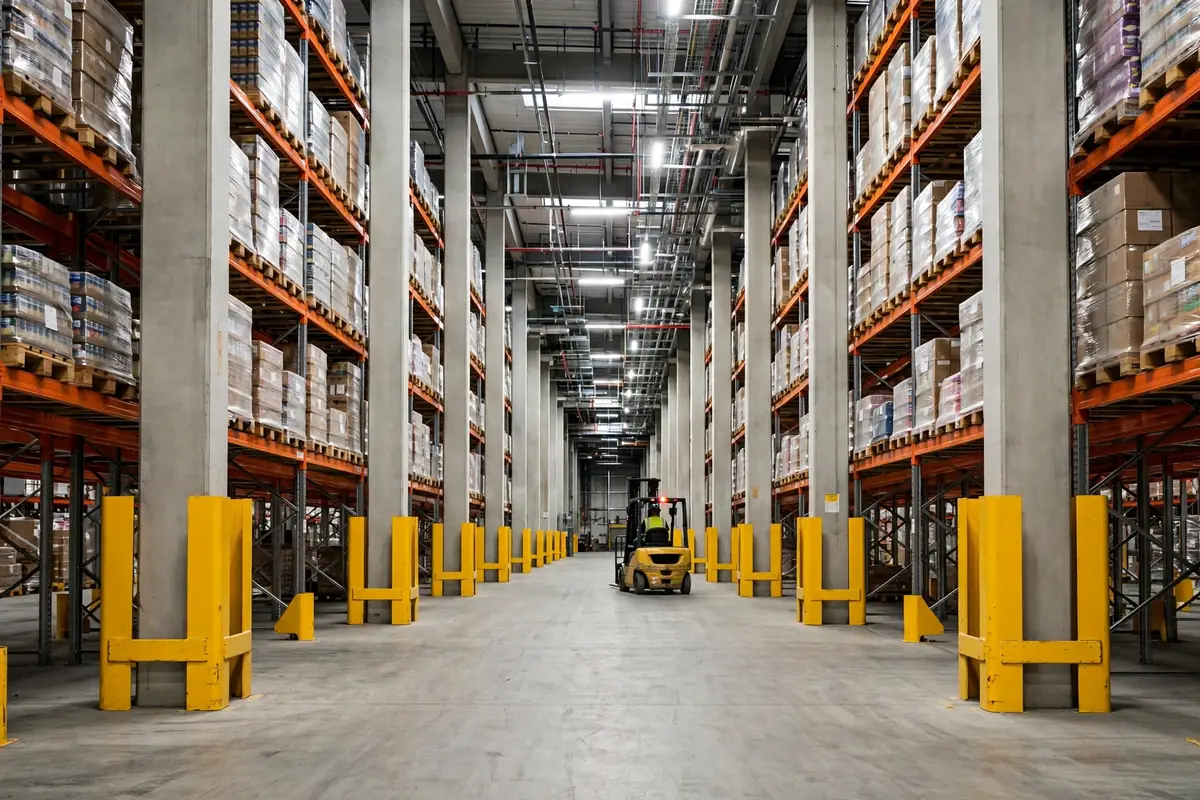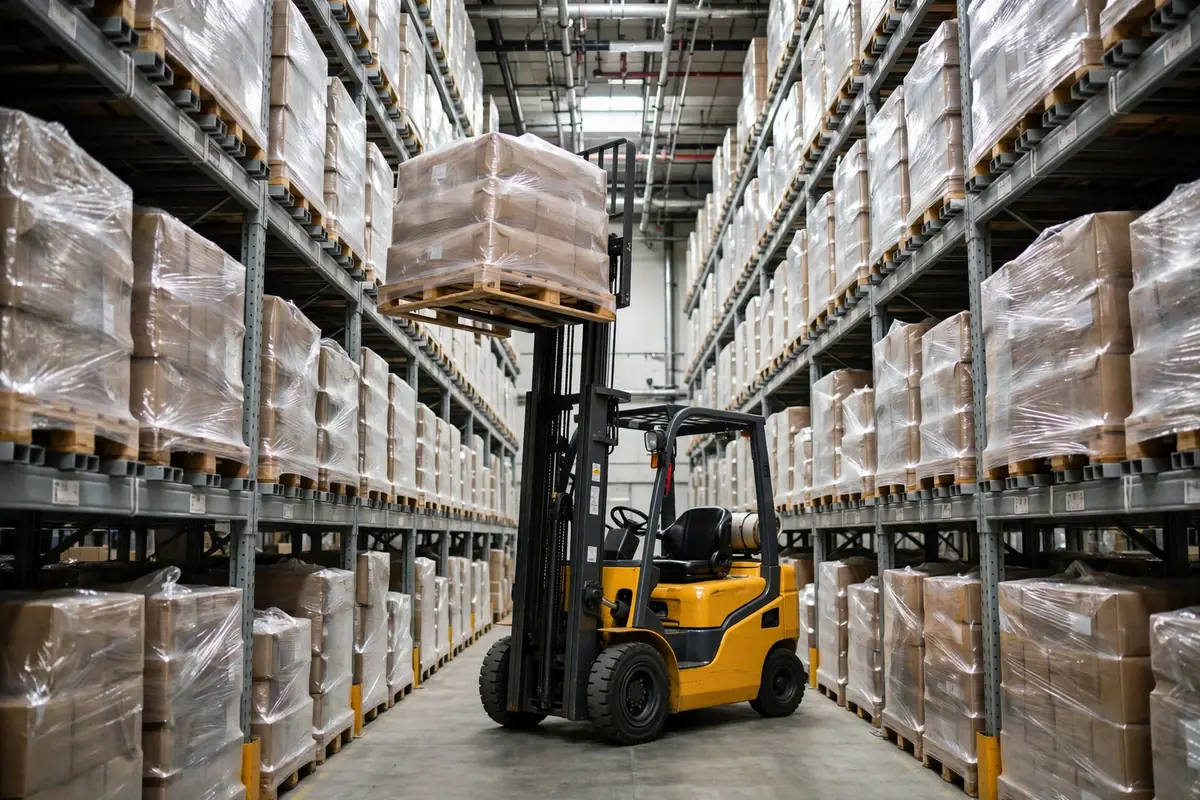
Let me tell you something about dock plate maintenance: after fifteen years behind the wheel, I care about that plate more than most people in the building. When a plate goes wrong, the first person in trouble is not sitting in an office. It is the forklift driver on the plate, or the truck driver standing in the trailer. That sheet of steel between the dock and the trailer looks simple. When it slides, lifts, or gives way, people and freight pay together.
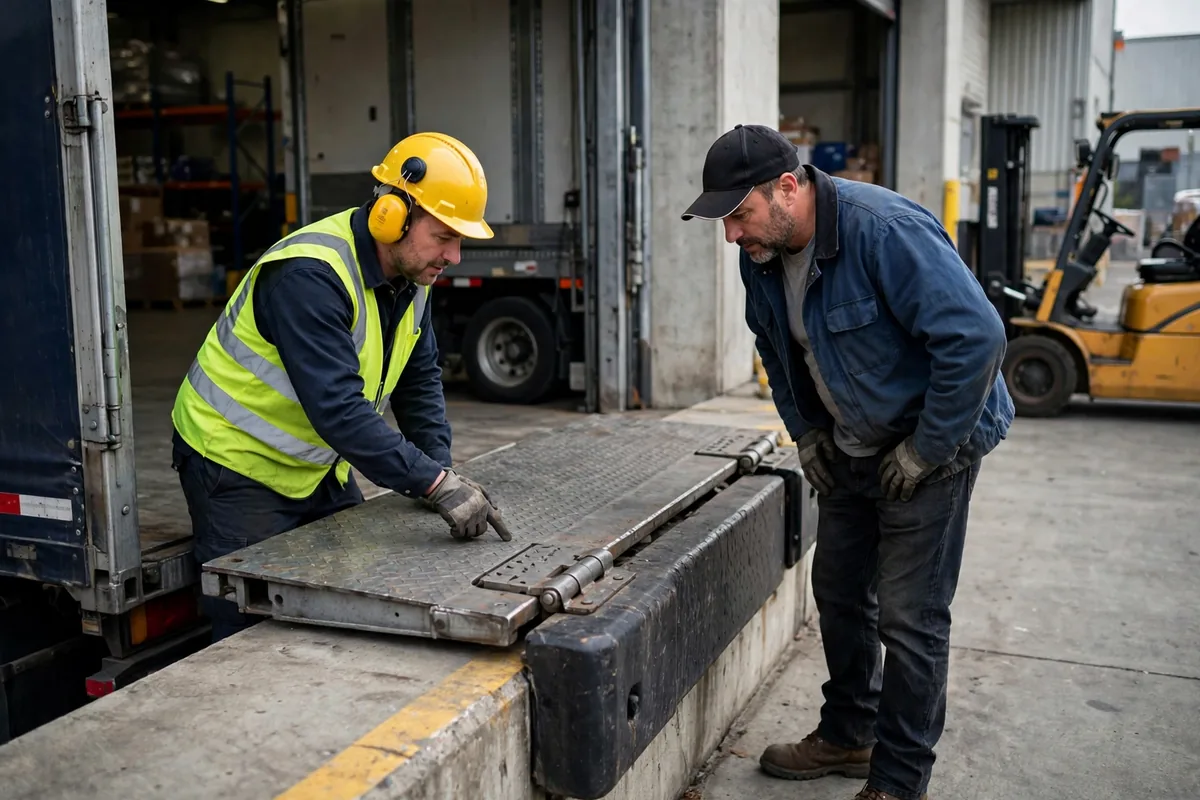
My habit never changes. I back in, set the brake, and before anyone opens the doors I walk around back and look at the plate myself. No tools needed. Two minutes, eyes and one boot. Is there oil or water on the surface? Is an edge curled up? Is the lip sitting solid on the trailer floor? Those two minutes have saved me more trouble than I can count.
Dock plate maintenance starts with a two-minute walk-around
One winter morning outside Chicago, I watched what happens when nobody looks. Snow had drifted onto the dock, melted, and refrozen in a thin skin. The forklift operator was behind schedule and dropped the plate without a glance. First trip in, fine. Second trip out, carrying a pallet of bottled drinks, the front wheels broke loose on that plate and the truck slewed sideways. He was moving slow, thank God, and the mast caught the door frame and stopped him. Nobody got hurt. Half the pallet did not survive. When we crouched down for a look, the plate's grip surface was worn smooth as a skating rink, and it had probably been that way for months. The plate did not fail that morning. It failed on all the mornings nobody checked it.
So here is what those two minutes cover. First, the surface: worn-smooth tread, oil, water, or ice all mean stop and deal with it before a loaded forklift tries it. Second, the edges: plates get their edges bent by forklift strikes, and a bent edge trips wheels and tears trailer floors. Third, the seating: the plate's end has to rest firmly and fully on the trailer floor. Set it too shallow and the weight of a forklift can kick it loose. Fourth, listen: send the forklift across empty and slow, once. Creaking, bouncing, or a soft sag in the middle means that plate is done for the day.
Here is the part people get backwards. A heavier, thicker plate is not automatically a safer plate. Old heavy steel plates take two people to move, so crews hate moving them, so they stop setting them square. The plate ends up crooked or shallow, trip after trip. A lighter plate with handles that one person can set properly often ends up safer in daily use. Half of safety is the equipment. The other half is whether a tired human being will actually set it right at six in the evening.
Fixed dock levelers are a different animal — hydraulics, springs, service intervals. Our guide to dock leveler maintenance takes that machinery apart properly. This piece stays on the driver's side of the dock: portable plates and transition plates, and what eyes and boots can catch before the first load moves. Big repairs belong to the maintenance crew. The daily check belongs to whoever is about to cross the plate. Neither side should wait on the other.
Dock plate problems: portable and fixed plates fail in different ways
One summer in Texas, I was picking up furniture at a warehouse using a portable aluminum plate. Light and handy — but one of its side curbs had been smashed flat in a forklift hit, and every crossing pulled the forklift toward that side. The dock hand waved at it and said it would do, only a few pallets. I told him no. We swapped the plate before loading a single box. Out on the road you learn that "it will do" is the most expensive sentence in freight. Flip a load at the dock door and the driver, the warehouse, and the shipper argue for a day, and nobody loads anything.
The two kinds of plate have different tempers. This comparison is plain enough to tape to a dock office wall:
| Point | Portable dock plate | Fixed dock plate |
|---|---|---|
| Who sets it | Carried and positioned by hand | Mounted in the pit, raised by button or chain |
| Most common trouble | Shallow seating, smashed curbs, plate wandered off to the wrong door | Bent lip, debris in the pit, stiff or jerky motion |
| Daily check | Seating depth, curbs, grip surface, safety chain or locking leg in place | Run it up and down once, lip sits flush, pit clear of freight scraps |
| When it fails the check | Swap it for another plate; do not nurse it along | Tag it out and wait for repair; do not cover a busy door with a portable plate for weeks |
Now the money side, because owners listen to money. A decent portable plate is not expensive — check the supplier's latest quote for current pricing. One slip that breaks half a pallet, parks a forklift for half a day, and leaves a driver waiting out a delayed load costs more than the plate before lunch. I knew a small warehouse that lost the safety chain off a plate and never replaced it for the better part of a year. Eventually a forklift rode that plate straight down with a load. The truck repairs and the freight claim bought several new plates over. Good dock plate maintenance is not spending. It is not paying.
When the plate says stop, do not argue with it
Fifteen years of this work leaves you with a short list of stop lines, and mine has three. One: the middle of the plate sags or feels soft under your boot. The plate itself is tired, whatever its surface looks like. Two: a curb or edge is cracked or curled up where a tire can catch it and wrench the steering. Three: the plate will not sit steady on the trailer no matter how you set it — maybe the trailer floor is soft or the height gap is too big. That last one is not the plate's fault, but the answer is the same. Do not load across it. Change doors or fix the setup first.
Warehouses sometimes think a driver pushing back on the check is just a driver in a hurry. Friend, let me set that straight. What a driver fears is not two minutes. It is getting hurt at your dock and explaining it to his fleet. Keep your plates honest and loading runs smooth, and that driver asks for your lane again. Capacity is not loose these days, and word about a dock travels through driver break rooms faster than any sales pitch.
So the old rule stands: check before the first truck of the day, check again whenever the plate or the door changes, and write problems in the handoff log instead of just mentioning them out loud. Words disappear at shift change. Ink does not. Most dock accidents I have seen were not surprises. They were warnings somebody walked past. The plate is a small piece of steel. Two minutes. Do not save them.
By Shifu Zhao, Trucking Veteran (15 yrs)