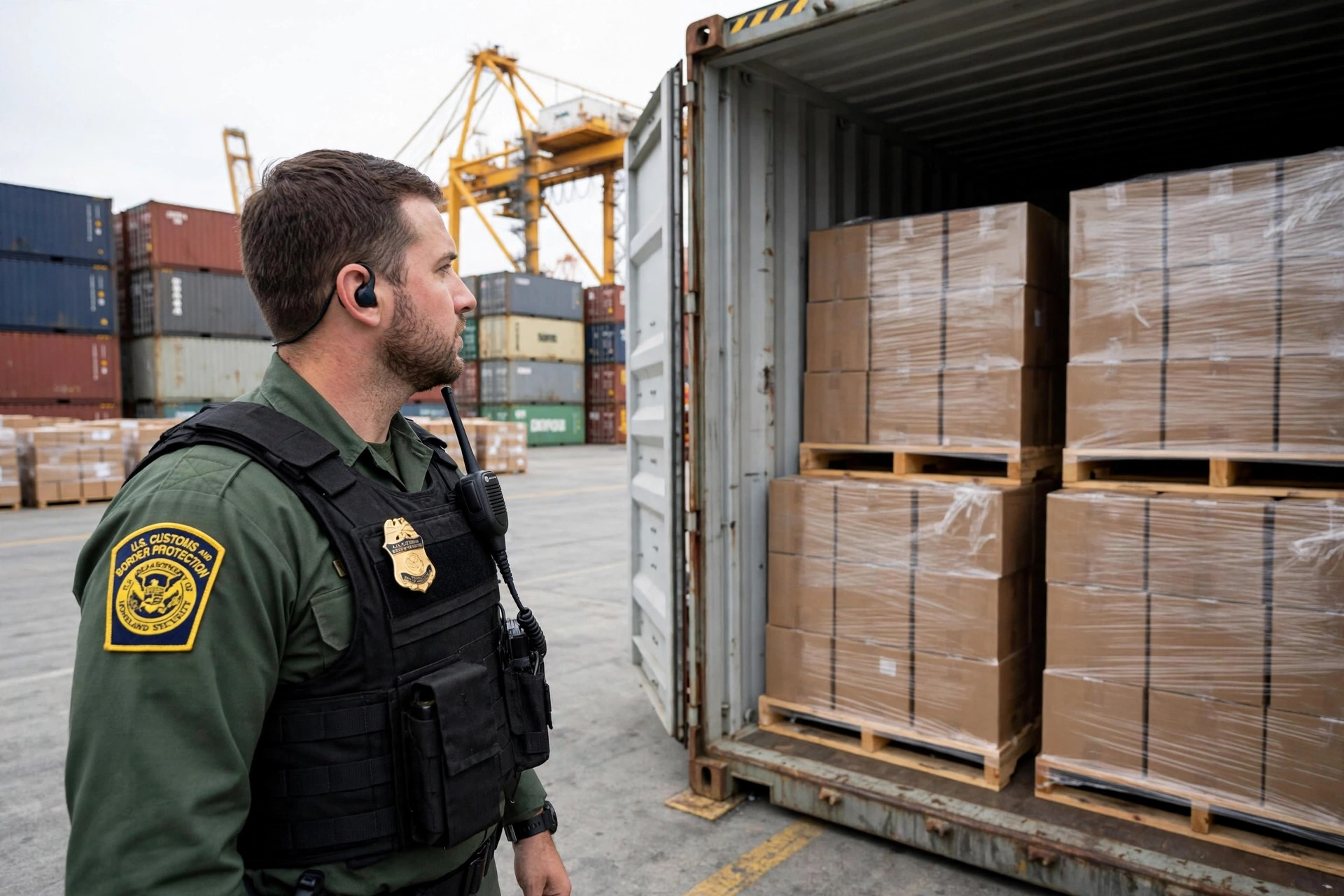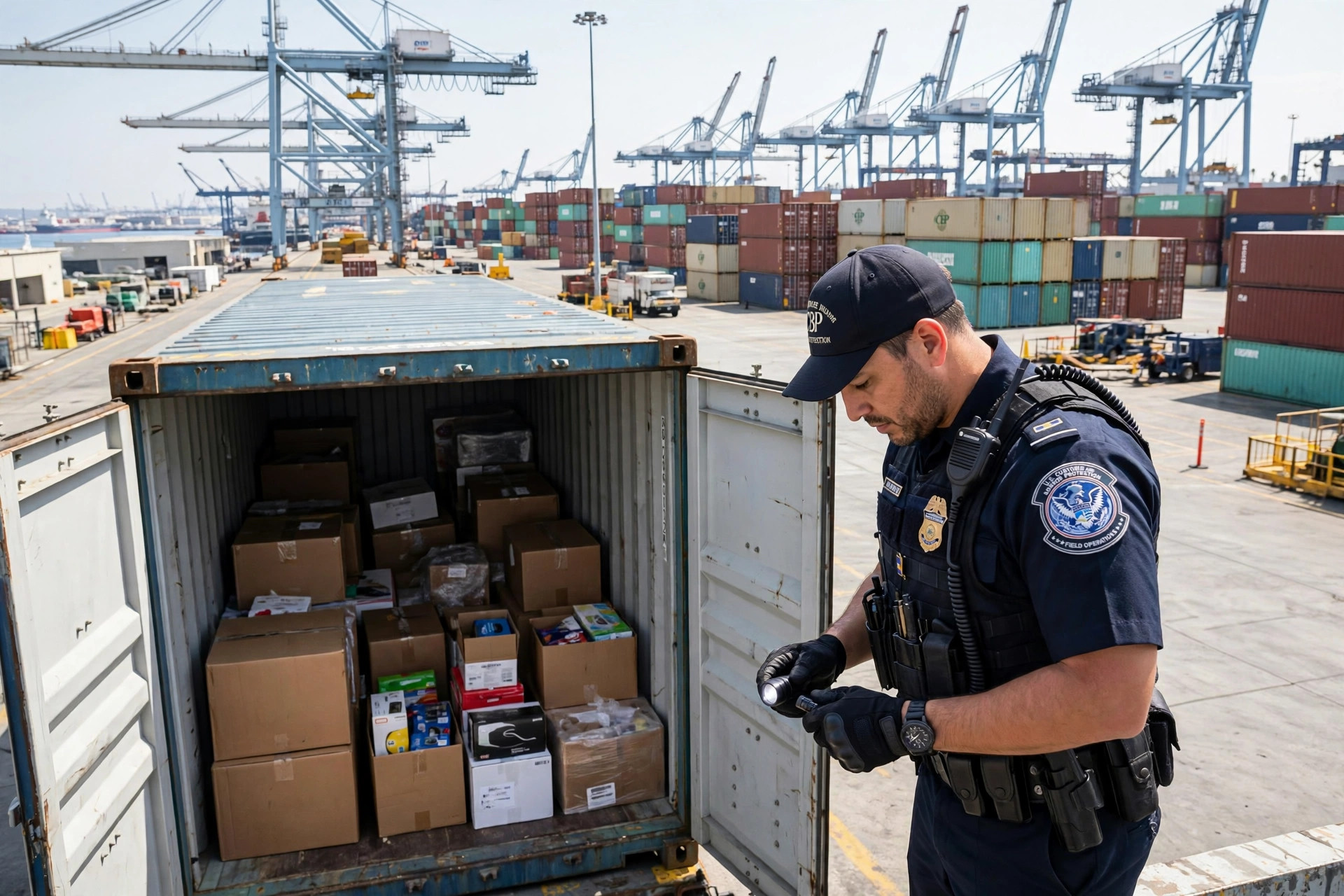
We have a client who imports outdoor furniture through Long Beach — three hundred-plus entries a year. Early last year their CFO called me, voice shaking. Their broker had flagged a problem: the entered values on a year's worth of shipments might be wrong. Tooling and mold costs hadn't been folded into the dutiable value — exactly the kind of mess a CBP reconciliation entry importer guide exists to untangle. If CBP found it first, they'd be looking at back duties, interest, and possibly penalties, with hundreds of containers sitting in our warehouse under the spotlight.
My first thought was: where was the broker a year ago? Turns out the broker was calm about the whole thing. "Relax," they said. "We flagged every entry at filing. We'll file a reconciliation entry — that's exactly what the 21-month window is for. We have until the deadline to true up the numbers."
It worked. They paid the additional duties plus interest, no penalties. The CFO took me to dinner and said if he'd known this channel existed, he'd have slept better for three months.
Full disclosure: I'm not a customs broker. I sell warehousing. But this mechanism is something my clients forced me to learn inside out — because every back-duty bill eventually lands in my inbox as an email that starts: "Susan, who's paying for this?"
What a CBP reconciliation entry actually is: one flag at filing buys you 21 months
A reconciliation entry (entry type 09) is CBP's "file now, fix later" channel. The logic is simple: some facts genuinely can't be known when the goods arrive — how tooling costs amortize across shipments, what royalties will be owed, which duty rate ultimately applies. CBP lets you file on your best information at the time, while your broker plants a flag in the entry summary through ABI that says: we may come back to revise these elements.
That flag is the ticket. Flagged entries don't liquidate on the normal schedule — liquidation waits until your reconciliation entry settles the account. The statute is 19 USC 1484(b): for value, classification, and 9802 issues, the reconciliation entry must be filed no later than 21 months from the entry summary date (the flag date). For FTA preference claims, it's 12 months from the date of importation. No extensions. Miss the window and it's gone.
Only four categories of issues qualify: value, classification (with a catch — you need a pending administrative ruling, protest, or court action), 9802 (U.S. goods returned), and FTA issues. Anything else — say, a botched country of origin — doesn't get in through this door.
Two hard requirements to participate: your customs bond needs a reconciliation rider, and your broker has to do the flagging — entry by entry, or blanket-flagged across the board. One reconciliation entry can cover up to 9,999 underlying entries, which is why serious importers file on a monthly or quarterly rhythm. And this isn't some obscure loophole: CBP has disclosed that in 2012, roughly 4,300 importers flagged more than 2.5 million entry summaries. This is a highway, not a back alley.

Reconciliation vs. post-entry amendment vs. protest: picking your road
We have another client — small appliances, the classic "my way or the highway"甲方 — the demanding-client — type. They switched to a cheaper broker two years ago, and the new broker skipped flagging to save effort. Last year they discovered a product line had been misclassified for a year, at a meaningfully higher duty rate. The owner wanted to use reconciliation to claw the money back. I had to tell him: no ticket, no ride. Without the flag, this channel doesn't exist for you.
So what are the options? Three roads:
| Reconciliation entry | Post-entry amendment (PEA) | Protest | |
|---|---|---|---|
| Timing | Flagged at filing; filed within 21 months (12 for FTA) | Before liquidation | Within 180 days after liquidation |
| Advance flag needed? | Yes — that's the ticket | No | No (but you need a liquidation to protest) |
| Covers | Value / classification / 9802 / FTA only | Entry errors caught before liquidation | Disagreement with CBP's liquidation decision |
| Cost | Back duties + interest running from the deposit date; refunds possible | Free to fix, but dies at liquidation | Lawyer fees from day one; lose and you're off to the Court of International Trade |
| Classic scenario | Tooling amortization, royalties, rate TBD | Typos in quantity or value, document errors | CBP classified or appraised it and you say they're wrong |
A PEA is your free correction window before liquidation — but once the entry liquidates, that door slams shut. A protest under 19 USC 1514 is the post-liquidation appeal: 180 days from liquidation, aimed at "CBP got the decision wrong," and it usually means hiring counsel. There's also prior disclosure — if you find a systemic error and come forward before CBP starts investigating, you can protect yourself from penalties — but that's a different conversation.
See the real value of reconciliation? It's not that you can fix things. It's that you bought the right to fix them in advance. Flagging costs nothing — it's a field in the broker's system. Skip it, and every alternative road costs more.
The interest math: this channel is not a free lunch
Here's the counterintuitive part. A lot of importers treat reconciliation as a way to buy time — the longer the delay, the better. Wrong. Interest on any underpayment runs from the date you were supposed to deposit the duties (the entry summary date) all the way to liquidation, at the IRS quarterly rate published under 19 CFR 24.3a. Drag it out the full 21 months and you pay 21 months of interest.
A rough illustration (assume 8% annualized; the real rate resets quarterly): on $100,000 of additional duties, filing at month 6 costs you about $4,000 in interest. Filing at month 21 costs about $14,000. Ten grand of difference, decided by nothing but timing.
So my verdict is blunt: flag early, file early. This channel is insurance, not an investment strategy. Insurance exists so you can sleep at night, not so you can make money.
One more thing most people miss: reconciliation cuts both ways. Overpaid? You can get money back through the same filing. I've seen a client who'd over-allocated tooling costs into entered value file a reconciliation and get a refund check from CBP. Everyone stares at the penalty risk and walks right past the refund they're owed.
Put it in the contract: with your broker and with your client
Now the insider part — the 3PL sales-desk view. In practice, reconciliation has three potholes, and all three are about money and contracts:
First, the broker's fee. Flagging is free, but preparing and filing a reconciliation entry is billable — some brokers charge per entry, some do a quarterly retainer. Ask about it when you sign the brokerage agreement. Half the quotes I see don't mention it at all, and the "additional fee" shows up exactly when you need the filing.
Second, who pays the back duties and interest. If it's the importer's own valuation issue, obviously the importer pays. But if the broker gave bad classification advice, does your agreement say anything about splitting the damage? I recommend one line in every 3PL or brokerage contract: back duties, interest, and penalties arising from entry errors are borne by the at-fault party. Don't wait for the bill to start arguing.
Third, the written procedure. Customs advisors harp on this for a reason: document your reconciliation process in writing — which value elements are open, who computes them, when filings go out. In a CBP audit, that document is your reasonable-care evidence. With a procedure, you're running a compliance program. Without one, you're rolling dice, and auditors can tell the difference.
And here's the honest truth most brokers won't volunteer: CBP likes it when you use this channel. Trade compliance folks have noted for years that the agency would much rather see an importer declare "we may adjust this later" on the front end than get buried in PEAs, protests, and disclosures after the fact. A pile of post-entry filings is also what gets you audited. The flag itself signals: I'm a serious compliance actor.
Next time you're negotiating a contract, ask these three questions: one, are our entries blanket-flagged for reconciliation? Two, how is the reconciliation filing service priced? Three, does the contract spell out who eats the back duties, interest, and penalties?
Ask those three, and you'll never have to take a shaking-voice call from a CFO at 9pm.
By Susan, 3PL Sales Director