Let me be blunt: on Amazon you're working for the platform, on Walmart you're working for the Buy Box. Target Plus is one of the last places where a seller actually gets to sell.
I moved my home-storage product line onto Target Plus in 2024. Three months from application to invitation, first batch of 40 SKUs. Worth the wait — but only if you understand the fulfillment rules first. Otherwise that invitation letter is just a beautifully worded death sentence.
The Invite-Only Gate: What Actually Gets You In
Target Plus launched in 2019 as Target's third-party marketplace, and it runs on invitations. Target's own pitch is the "un-marketplace" — in plain English, their buyers hand-pick sellers and categories to build a curated shelf that doesn't feel like a flea market.
The bar, straight from Target Plus's official requirements doc:
- US business entity with a W-9. Overseas sellers, sort out your US entity first.
- Category fit. Target's buying team recruits by category need. Wrong category, great brand, still a no.
- A 120-day onboarding timeline from approval to go-live — catalog setup, systems integration, training. No shortcuts.
For scale: Target's June 2024 press release put the platform at 1,200+ partners and 2 million+ products. Read that again — twelve hundred partners, not millions of sellers. This is a different species from Amazon.
The pleasant surprise is fees: no setup fee, no monthly fee (Amazon charges $39.99/month for a Professional account; Walmart also skips the monthly fee). There's just a per-category referral rate, generally 5% to 15%. Your exact rate depends on your category — check Target's latest published policy, don't treat my numbers as a rate card.
The Fulfillment Gauntlet: Ship in 24 Hours, Deliver in 5 Days
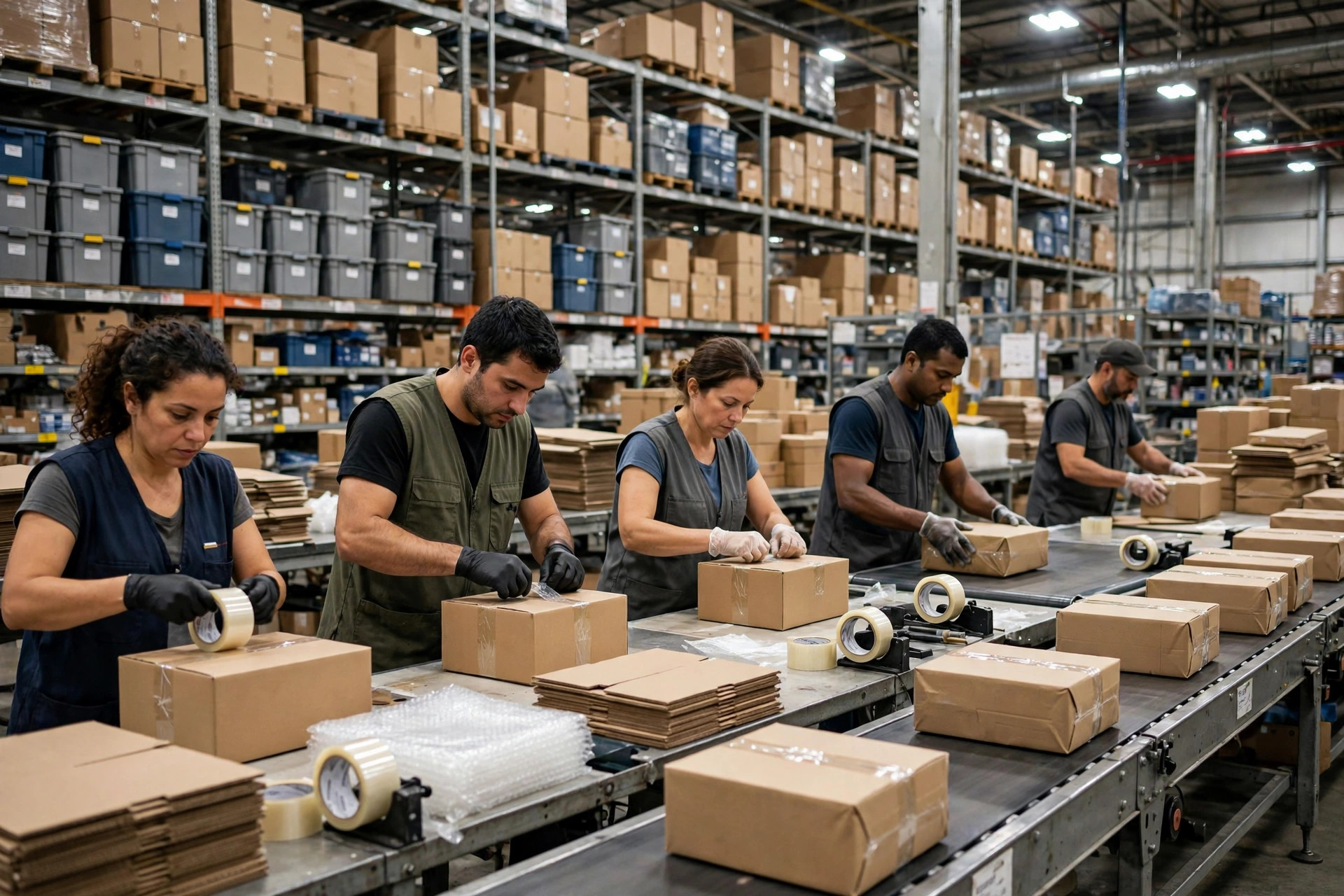
Here's the part that matters. Target Plus has no first-party fulfillment service. Amazon has FBA, Walmart has WFS — on Target Plus, every order is on you. Target pushes the order to you; picking, packing, shipping, and after-sales are all yours.
The hard rules, translated into human language:
- Ship within 24 business hours of the order landing.
- Deliver within 5 business days, door to door.
- Only UPS, USPS, or FedEx. Fulfilling through Amazon or Walmart logistics gets you disqualified.
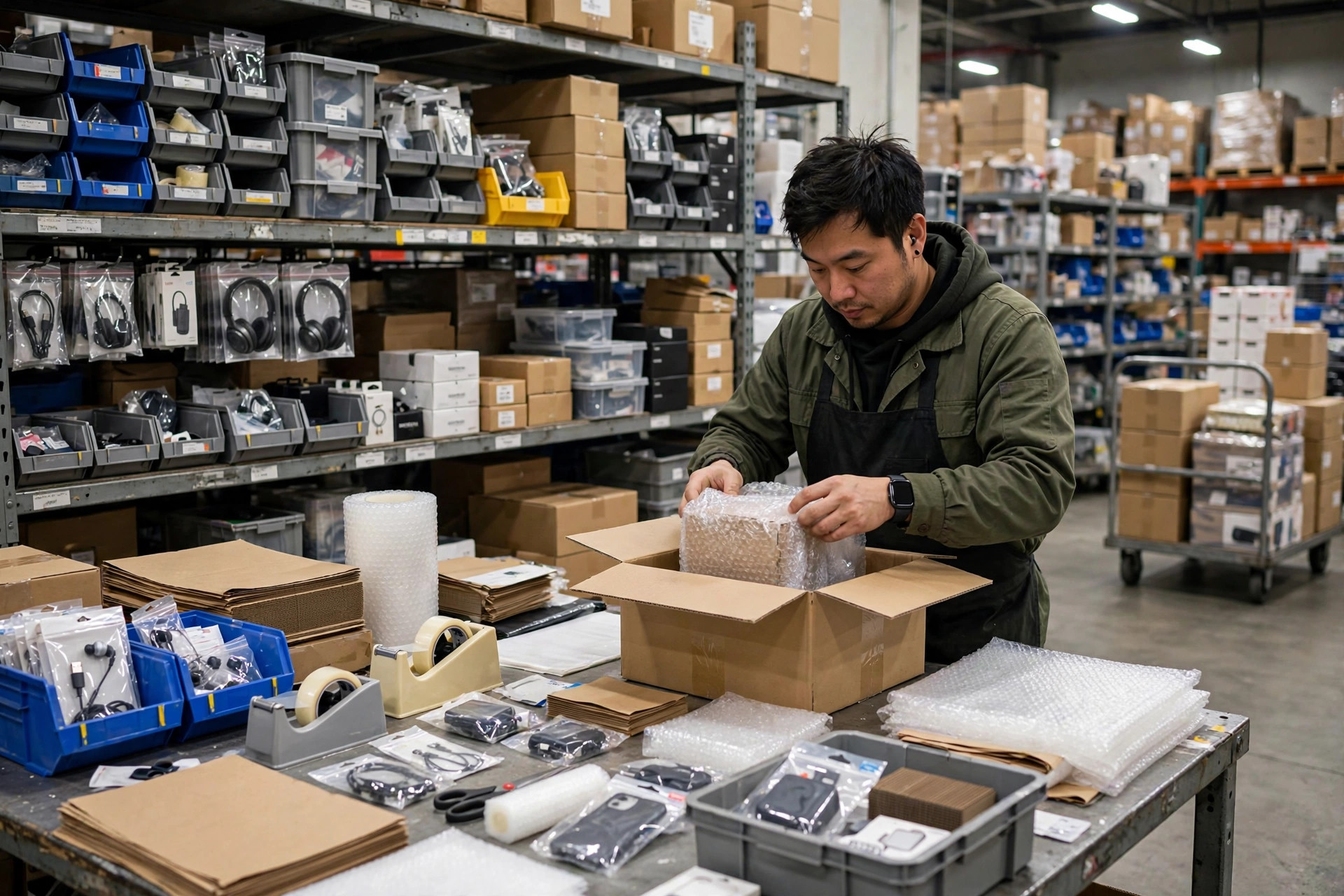
- Plain, unbranded packaging. No logos, no inserts, no marketing materials — the guest's experience is "this came from Target."
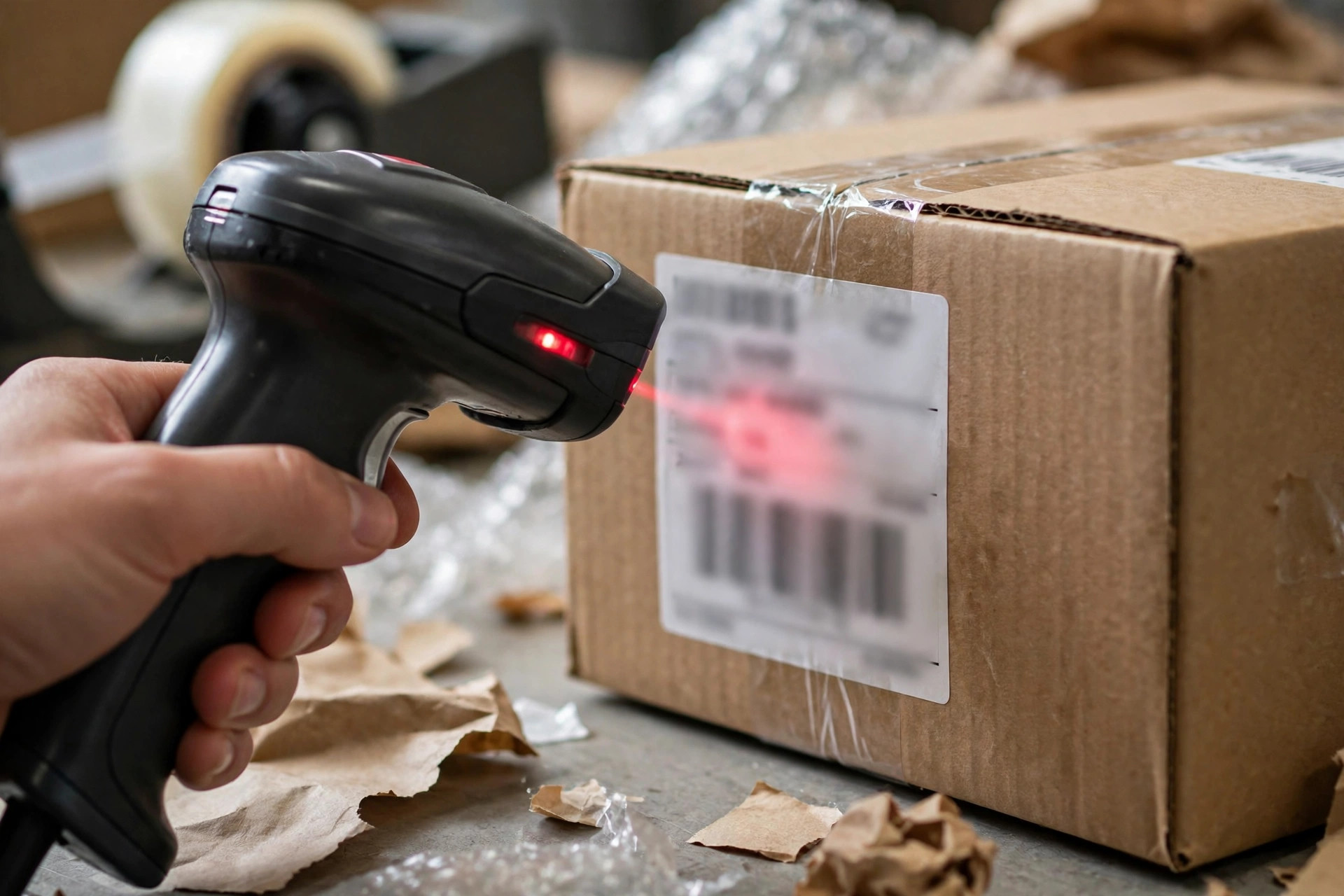
I put my warehouse in Ontario, California for exactly this math: 2–3 days to the West Coast, right at the 5-day line to the East Coast. I carry 45 days of stock and my on-time ship rate sits above 98%. There's no speed arms race on Target Plus since everyone self-fulfills — the game is consistency, not shaving off one more day.
One operational trick that saved me: set the warehouse cutoff at 2 PM Pacific. Orders in before that ship same-day, which buys a full buffer day on the East Coast leg. My late-ship rate dropped to near zero after I moved the cutoff earlier.
Do the Math: The Commission Is Only the Visible Part
Take my best-selling storage box at $45, in a home category at a 12% referral rate.
First cut, the RedCard: Target's own cardholders get 5% off, and that 5% comes off before the commission is calculated. $45 becomes $42.75, the commission is $5.13, and you're at $37.62 before you've paid a cent of shipping.
Stack the three platforms side by side:
| Target Plus | Amazon (self-fulfilled) | Walmart | |
|---|---|---|---|
| Setup / monthly fee | $0 | $39.99/mo (Professional) | $0 |
| Referral fee | 5%–15% by category | 15% in most categories | 15% most categories, 8% electronics, $0.30/item minimum |
| Fulfillment | Self-fulfill only, no first-party service | FBA optional | WFS optional |
| Ship SLA | Ship in 24 hrs, deliver in 5 days | Up to the seller | Up to the seller |
| Returns | Free returns for guests, seller eats the cost | FBA returns go to Amazon | WFS or self-fulfilled |
| Buy Box | None — one seller per SKU | Yes, fight for it | Yes, fight for it |
That last row is the whole story. No Buy Box means no price war for the cart — but it also means your Amazon listing playbook is dead on arrival here. Traffic comes from inside Target's ecosystem, so your energy shifts to assortment and promo cadence.
Returns and Landmines: Where It Really Hurts
Returns are the most underestimated cost on Target Plus. Guests get free returns; the bill lands on you:
- Mail-in returns: you pay the return shipping.
- Guests can also return to any Target store. Target consolidates store returns onto pallets and trucks them to your US warehouse — or you can have them destroyed, which saves freight but the goods are gone.
A friend selling pet supplies learned this the hard way: nearly 30% of his first month's returns came back through stores, a full pallet rolled into his California warehouse, and a third of the units had crushed packaging fit only for the dumpster. He now bakes a 2-point return-loss buffer into every Target Plus price.
The landmine list, each one paid for in real money:
- Never fulfill Target Plus orders through Amazon Multi-Channel Fulfillment. It's explicitly banned — get caught and your account health takes the hit.
- De-brand everything: cartons, labels, thank-you cards. One stray logo can earn you a warning.
- Model the RedCard 5% and the $35 free-shipping threshold into your pricing. Free shipping is Target's promise to the guest; the freight bill is yours. Sellers around the $40 price point feel this the most.
- Payouts land every Tuesday. Plan your cash flow and don't let peak season stock run dry.
One counterintuitive take to close: people say "no FBA, no business." Wrong. Precisely because there's no first-party fulfillment, there's no speed arms race on Target Plus. On-time rate beats raw speed here. A small seller who ships in 24 hours and delivers in 5 days, every time, beats a big seller whose delivery times wobble.
This playbook worked for me — tested with my own money.
By Ah K, E-commerce Seller (5 yrs)