Let me complain first: most sellers work out their mercado libre full fulfillment seller cost only after the stock is already sitting in the platform's warehouse. Full sounds like freedom. Send it in, the platform stores it, picks it, ships it, and you just pick products and run ads. Then the first statement and the inventory report land, and you learn that hands-off does not mean cost-free. You saved your own labor. You are now paying for every day and every cubic centimeter your stock occupies.
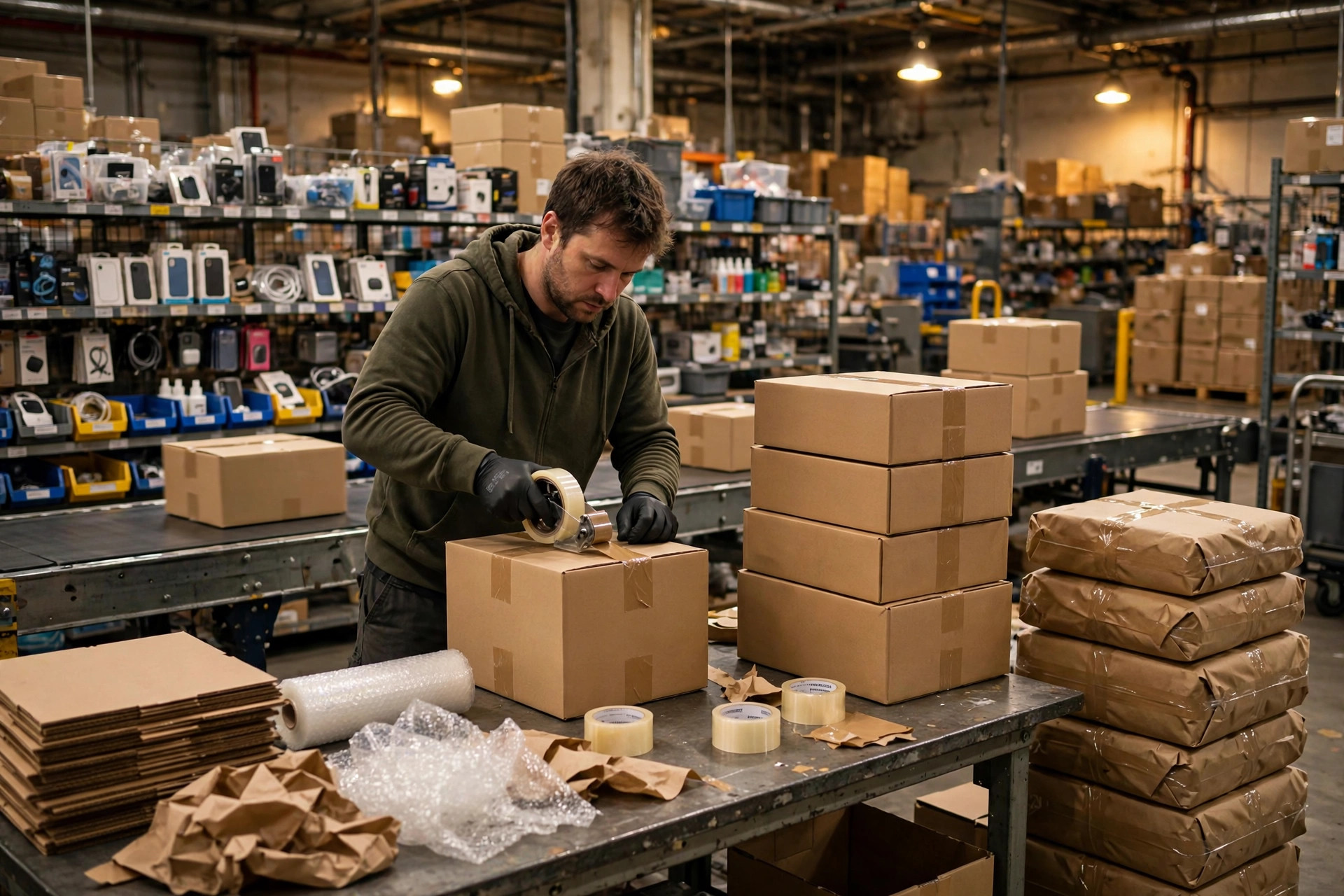
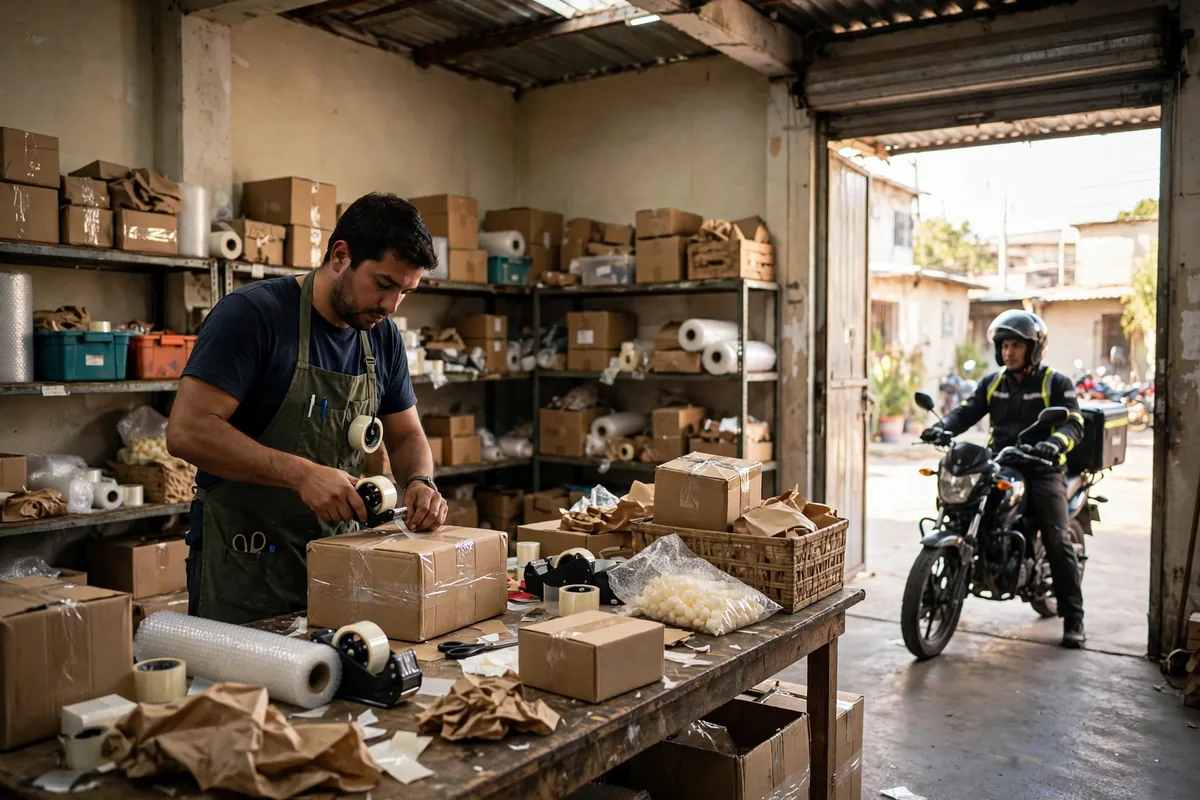
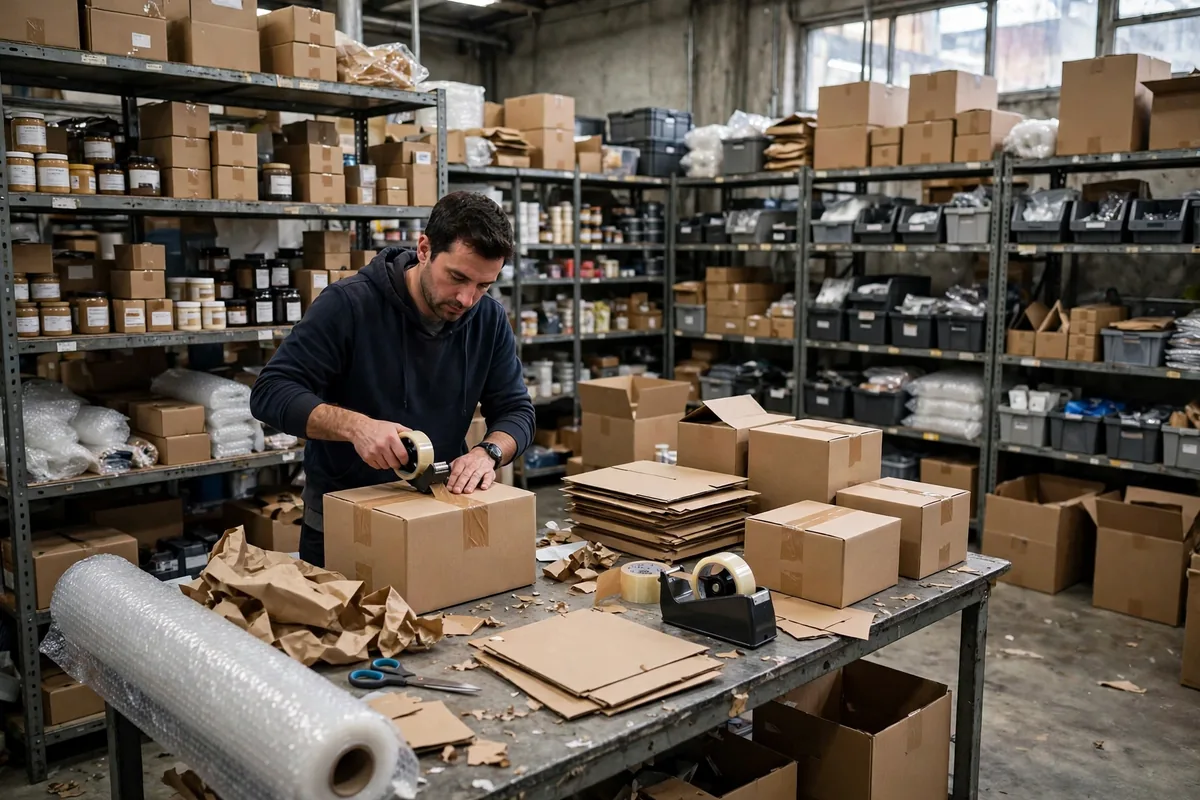
I run a small warehouse east of Sao Paulo with two packers, kept for self-fulfilled orders and another channel. In August 2024 I sent a kitchen gadget into Full for the first time, mostly to test conversion. That one shipment taught me more than any course. Everything below is structure and method; for any specific fee, threshold, or deadline, check the current policy on the official site, because the rules change faster than Sao Paulo weather.
What mercado libre full fulfillment seller cost actually charges for
Strip the statement down and Full charges in four blocks, whatever each site calls them locally.
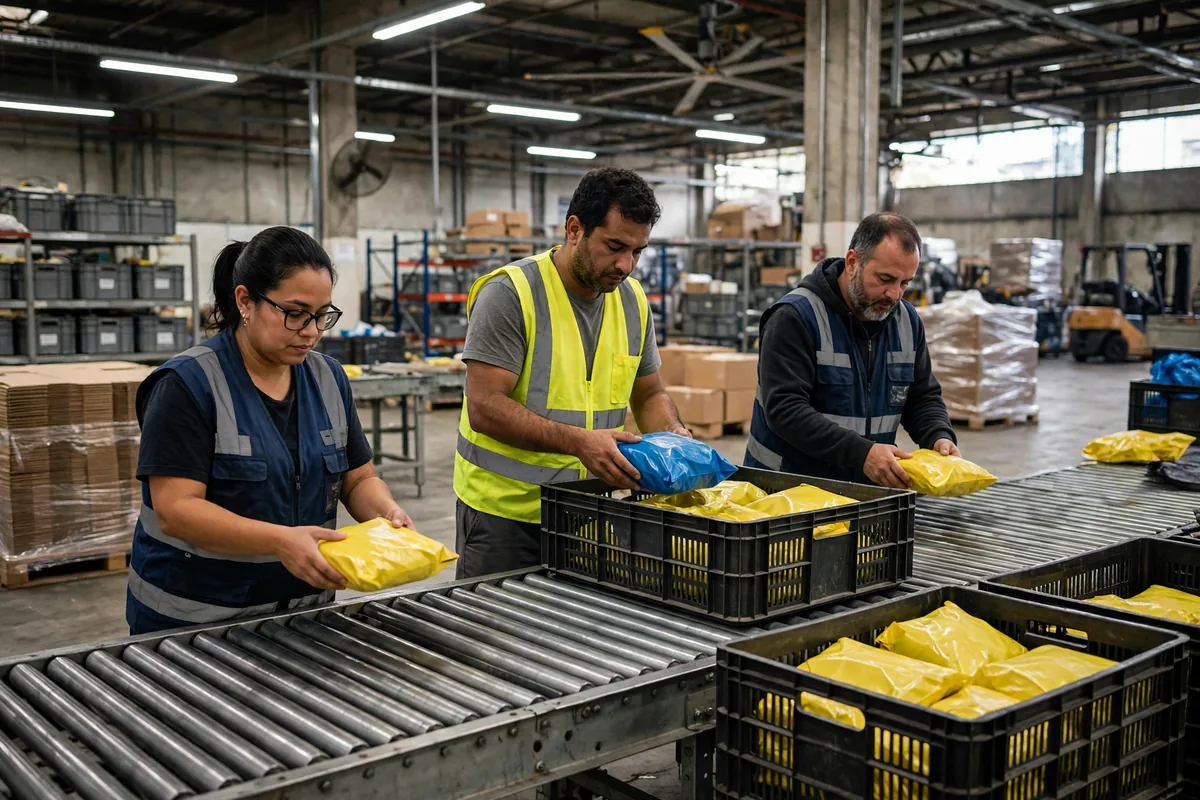
Storage is block one. While your goods sit in their building, you pay by volume and time. Slow stock is rent ticking daily. Block two is picking and dispatch handling: an order drops, someone picks, packs, and hands it to the carrier, charged per unit or per order. It is the same cost as your own packer's wages plus materials, just invoiced by someone else. Block three is delivery-related handling, which shifts with distance and promise — selling inside Sao Paulo state is a different cost shape from shipping to the Northeast. Block four is the one sellers forget: returns. A returned unit must be received, inspected, and either restocked or judged unsellable. Each step can carry a charge, and even when it does not, the unit earns nothing while it travels back.
Then there is the quiet block: unsellable stock and disposal. If a unit is judged unsellable, you pay to ship it back, pay to destroy it, or keep paying storage while you decide. Three roads, all tolled.
Here is an example calculation with invented numbers, purely to show the method. Say a product has 20 units of margin room. Self-fulfilling, your labor, materials, and local delivery subsidy come to an assumed 7 units per order. On Full, assume pick-and-dispatch at 5, average storage allocation at 1.5, and returns allocation at 0.8 — total 7.3. Full looks slightly worse. But if the Full badge and delivery promise lift that product from an assumed 300 orders a month to 420, the extra volume spreads your buying and advertising costs, and the answer flips. So stop asking whether Full is expensive. Ask whether your category, turnover, and conversion lift justify it.
When a small Sao Paulo warehouse beats mercado libre full fulfillment seller cost
Counter-intuitive, but true: self-fulfilling from a small warehouse is not the budget version of Full. For three kinds of stock it is simply the right answer.
Bulky, cheap goods come first. Storage and handling both punish volume, and Full charges you for it twice, while your own small warehouse rent is fixed whether the corner is full or empty. Slow but steady long-tail goods come second. In Full, slow turnover is a storage meter running every day; in your own warehouse it is a quiet shelf. Third is anything needing your own inspection, assembly, or labeling. Nobody does that work for you before inbound, and if it is wrong, the whole shipment stalls.
When does Full clearly win? In March 2025 a seasonal small appliance of mine went from a dozen orders a day to over a hundred a day during a promotion week. My two packers worked three straight long days, mis-picks and missed dispatches crept in, and my rating started sliding. I routed the next batch into Full and let it absorb the spike while the warehouse kept the steady lines. That week taught me what Full really sells: elasticity. With flat demand, elasticity is worth little. With spiky demand, hiring, training, and error costs are all real money too.
Do not decide by gut. Fill this table in with your own numbers and the answer shows itself:
| Factor | Leans Full | Leans self-fulfill |
|---|---|---|
| Daily order pattern | Promotion spikes, multiples of normal | Flat all year |
| Size versus price | Small, price carries the fees | Bulky, low ticket |
| Stock turnover | Sells through in a month or two | Slow long tail |
| Return rate | Low, simple to restock | High, needs refurbishment |
| Your team | No hands, hard to hire | Experienced packers in place |
Inbound rejections and aging stock: the two traps inside mercado libre full fulfillment seller cost
Money on the statement is not the scary part. Stock that cannot get in, or cannot get out, is.
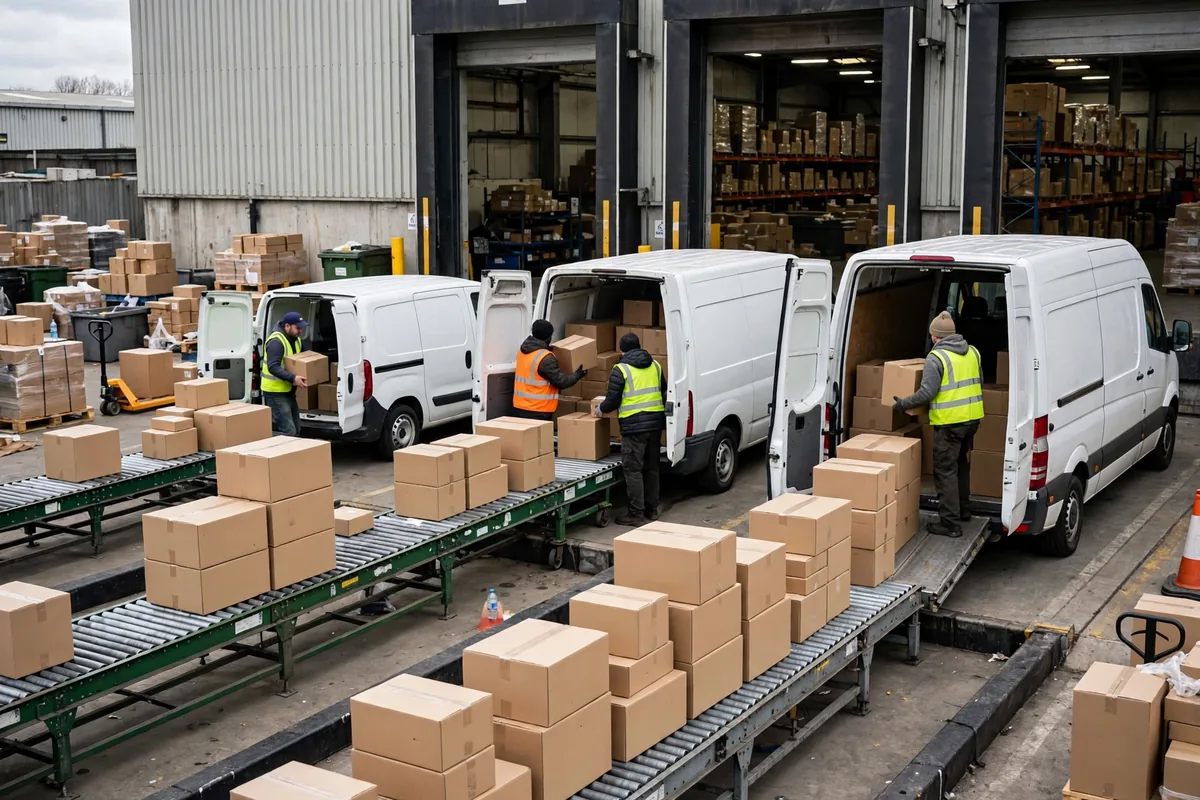
I have been burned twice on inbound. The kitchen gadgets in 2024 arrived with outer-carton identification that did not match the shipment created in the system. The load waited at receiving, the appointment window passed, and the cartons rode back to my Sao Paulo warehouse. New appointment, new labels, double freight and labor, all burned. The second time it was barcodes: the factory-applied codes would not scan reliably, and I sat in my own warehouse re-labeling several hundred units one by one. Since then my rule is fixed. Before anything leaves, simulate receiving at home — carton identification, unit barcodes, quantities, packaging condition — checked item by item against the current inbound requirements, with photos kept as proof. Re-read the current checklist every shipment; last month's version is not a reference, it is a trap.
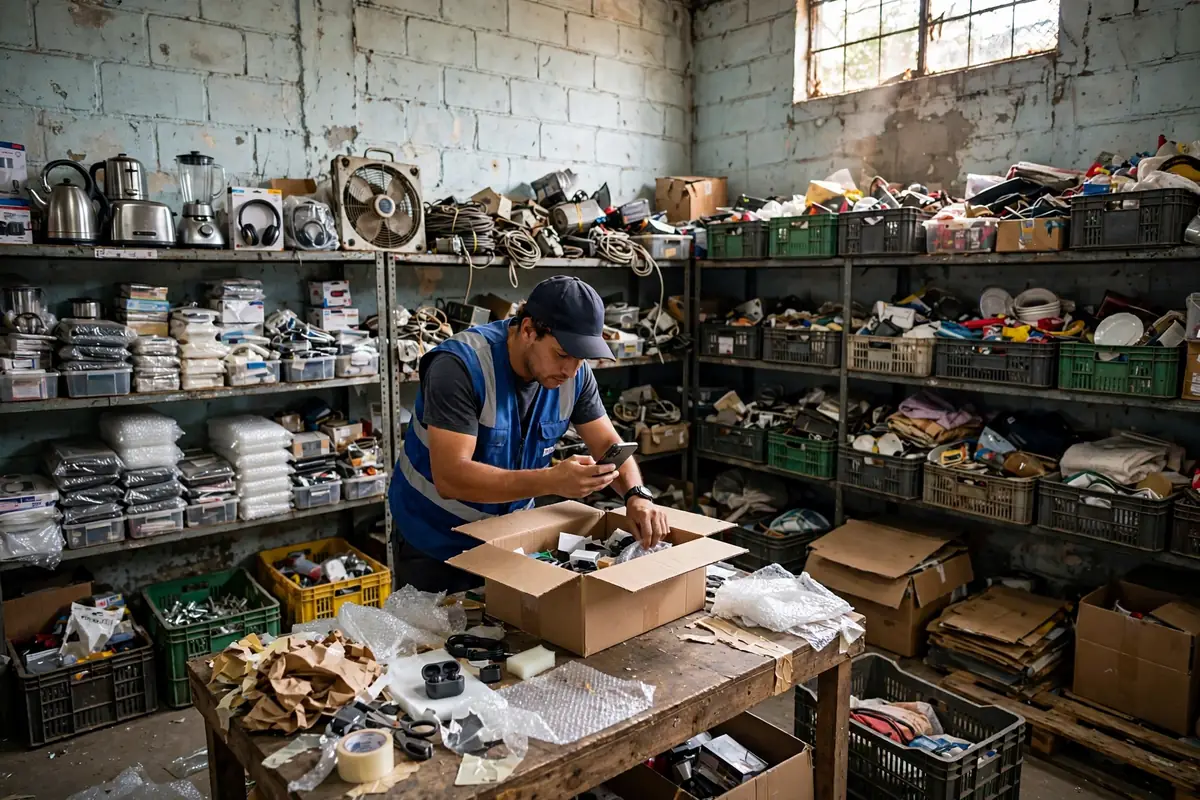
Aging stock is the slow knife. Units sitting in Full rack up storage, then age-related pressure arrives, and eventually you discount, pay to withdraw, or pay to destroy. In June 2025 I had a phone case in the wrong color sitting in Full for months. Advertising it just bought traffic for a color nobody wanted. I ended up discounting, withdrawing part of it, and clearing the rest as a self-fulfilled freebie bundle — worse than halving the first order would have been. So size Full shipments by what you can afford to clearance, not by the sales you dream about. For a new product, send less, sell out, and replenish. A stockout you can fix beats aged stock you cannot.
One more detail: how fast returns get restocked decides how confidently you can keep advertising. If your unsellable rate on returns suddenly jumps, do not start by blaming the platform. Check your packaging. I had a small glass item where a thicker inner liner cut the damage complaints noticeably. A few cents of packaging is cheaper than a month of arguing.
My current rhythm: fast-turning hero products go to Full for conversion and delivery speed; long-tail, slow, and bulky stock stays in the Sao Paulo warehouse; seasonal lines go into Full only for the promotion wave, and replenishment stops when the wave ends. Use both sides and pick no team. Mercado libre full fulfillment seller cost was never about which side is cheaper — it is about which home earns more for each unit. This split has worked for me in practice.
By Ah K, E-commerce Seller (5 yrs)