We had a client — a beauty brand in Ontario, California — who demanded no-shutdown cycle counting across a 40,000-square-foot warehouse with about 12,000 bin locations. At last year's contract renewal, their side slapped down the requirement: "Susan, this year we want cycle counting with zero shutdown. Not one day of downtime."
I smiled and said yes. In my head I was already thinking: the counting clause in this contract needs repricing this year.
Why? Because a shutdown-free cycle count sounds like a service upgrade from the client side. From the 3PL side, it drags the hardest part of warehouse operations — flow isolation and zone-based work — straight onto the negotiation table. The client thinks it's "a different way of counting." We know every meter of barrier tape, every one-way gate, every system freeze is money. If you're negotiating a 3PL contract next quarter, there are three questions you need to ask — I'll get to them at the end.
The Client Who Demanded Zero Downtime
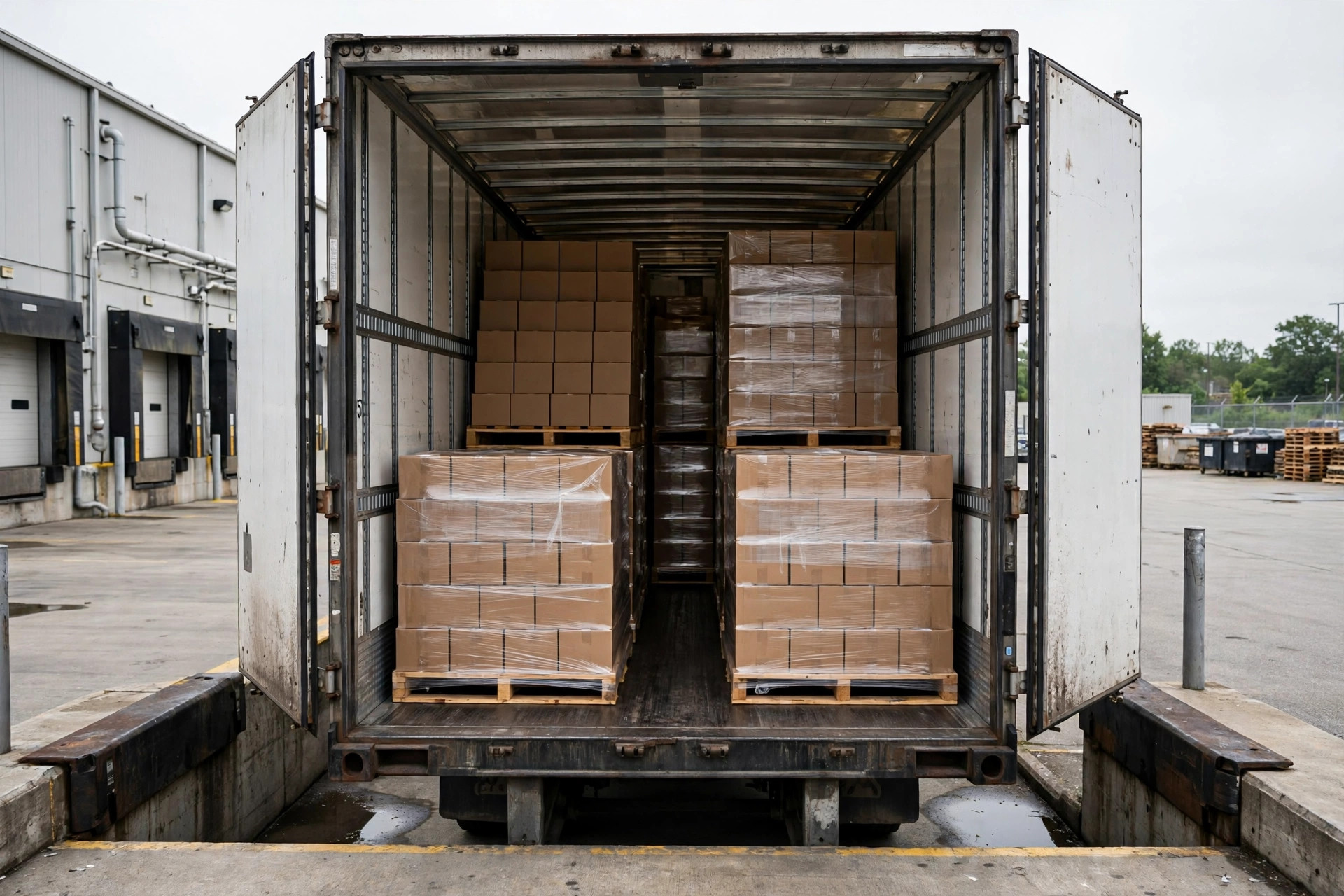
Back to that beauty client. Before 2025 they did one big wall-to-wall count a year: lock the doors Friday at 6 PM, count all weekend, resume shipping Monday. The 3PL billed 40 people over two days; the client ate two days of delayed orders and SLA penalties. Both sides hurt, but the bill was easy to read.
Then early in 2026 their US e-commerce director changed. The new one announced: "Our stores and e-commerce run seven days a week now. The warehouse doesn't get to close. You're a professional 3PL — surely you can count without shutting down?"
We could. But I told him straight: a wall-to-wall count is hard the blunt way; a no-shutdown count is hard the surgical way. Zero downtime means the warehouse gets sliced into count zones and work zones, counters and pickers sharing the same aisles without touching each other. Sounds easy. The details are all money.
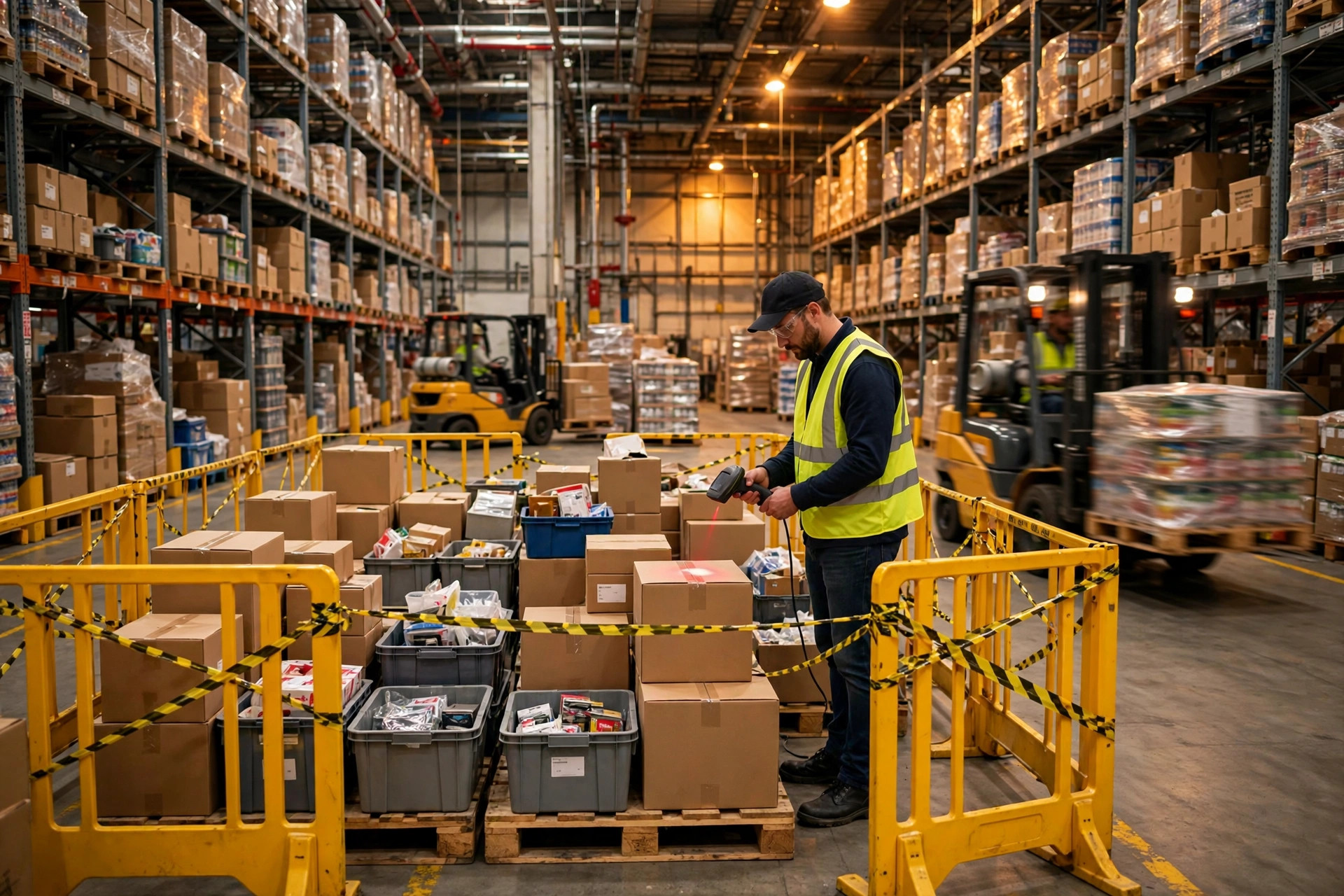
Our proposal was zone cycle counting: 12 zones by ABC classification and physical flow, one zone counted per week, every location counted at least four times a year. Isolation ran three layers deep: physical isolation (mobile barriers sealing the zone's aisle mouths, one single-direction entry left open), system freeze (zone locations locked in the WMS, pick waves auto-rerouted), and a spotter at the boundary turning away shortcut-seeking pick carts.
The result? After the first full rotation of 12 zones, book inventory accuracy rose from 94.7% to 98.3% — their own finance team's number, from the quarterly count review. The client side was happy, and the contract renewed for three years.
Here's the counterintuitive part: a full shutdown count usually produces a prettier accuracy number — and a faker one. Lock down for two days, count, hit 99% on Monday morning; then receiving, putaway, and moves flood back in, and within a month you're back where you started. This client's 2024 shutdown count showed 99.2% on count day and slid to 95.1% three months later. A cycle count keeps accuracy "alive" — refreshed every month, no grace period. Pretty number or true number? I've asked that question across the negotiation table more than once.
Flow Isolation: The Three Layers Only the 3PL Side Knows
The real technical content of no-shutdown counting isn't "counting fast" — it's "isolating well." What the 3PL side fears most isn't a counter miscounting. It's this: inventory "walking" across the zone boundary. Your counter is working row five of Zone A; a picker pushes a cart in from the aisle mouth, grabs two cartons off row six on the way; the system books that pick against Zone A. The book is wrong forever.
So internally we run isolation in three layers, and every layer costs money:
Layer one: physical isolation — barriers and one-way gates. The count zone keeps a single entry point, everything passing through a scan point. Mobile barrier sets are 3PL capital — for a 40,000-square-foot warehouse, a full zone set runs roughly $10K–$20K depending on brand and spec, check supplier quotes for current pricing. Who pays? We amortize it into the management fee, but smaller 3PLs often write "client funds count equipment" into the contract. Read the fine print.
Layer two: system freeze — lock locations in the WMS. Before the count starts, every location in the zone flips to "count locked," pick waves skip those bins automatically, and replenishment can't drop freight in. The catch is in the WMS configuration: some systems lock by whole zone, some lock bin by bin. Bin-level locking is more flexible but far more setup work. When we quote implementation, this shows up as its own line item — "cycle count zone configuration," priced per zone. Clients always ask, "Isn't that a standard system feature?" I just smile. The feature is standard. The people doing the configuration are mine.
Layer three: people — boundary spotters. The most expensive layer, because it's pure labor. One zone typically needs one to two spotters at the boundary mouth, stopping shortcut-seeking pick carts and verifying scans in and out. For an 8-hour count shift, spotters add a couple hundred dollars a day — and the contract must say whether that's bundled into the count fee or billed separately.
All three, or nothing. Physical isolation without a system freeze means pick waves keep dispatching into the count zone and pickers climb over barriers. A system freeze without physical isolation means a forklift driver "borrows" two pallets from the next zone over. Either way, the books go wrong.

Running the Numbers: Shutdown Count vs. No-Shutdown Cycle Count
The client side always asks: is cycle counting with zero shutdown more expensive or cheaper? Here's the table — steal it for your next meeting:
| Item | Wall-to-wall (annual) | Zone cycle count (no shutdown) |
|---|---|---|
| Downtime cost | 2 days closed: delayed orders + SLA penalties (client eats it) | Zero — the client feels nothing |
| Count labor | 40 people × 2 days, concentrated | 6–8 people weekly, steady state |
| Isolation cost | Near zero (doors are locked, what is there to isolate) | Barrier amortization + spotter labor + system config |
| Accuracy trend | 99% on count day, back to about 95% in three months | Holds around 98% year-round |
| Exception discovery | Found once a year, long expired | Found the same week, fixed the same week |
| Contract pricing | One-off count fee, easy to negotiate | Standing service fee, complex terms |
See it? The shutdown count dumps cost on the client as downtime losses in one shot; the cycle count spreads it as the 3PL's standing operating investment. The 3PL's quote will be higher — but the client's total cost falls, because SLA penalties and the working capital tied up in inaccurate inventory disappear.
One trade-off most clients miss: the zero-shutdown program saves the downtime, but you never get a 100% whole-warehouse snapshot. Cycle counting produces "rolling accuracy by zone" — we had a publicly listed client whose auditors rejected that report in year one, and it took two months before they accepted it. Before signing anything, ask your finance team: do the auditors accept rolling counts? If not, the best cycle-count program in the world is wasted effort.
Next Time You Negotiate a Contract, Ask These Three Questions
Done with the insider part. Whether you're a client choosing a 3PL or a 3PL quoting a client, when the counting clause comes up, ask these three questions:
Question one: who pays for the count labor and the isolation cost? Too many contracts just say "the 3PL is responsible for inventory accuracy" without saying how counting works or who funds it. At execution time the 3PL says "the contract never said I'd staff spotters," the client says "didn't you promise no shutdown" — and the argument begins. The good version: counting method, frequency, and each side's investment, all written into the SLA appendix.
Question two: who owns flow isolation, and who pays when it fails? Our standard clause: the 3PL owns executing all three isolation layers; the client owns providing accurate inbound/outbound forecasts — tell us three days ahead about a promo surge so we can reshuffle the count plan. Balanced responsibility, fewer arguments.
Question three: how is the accuracy SLA measured — and does rolling count? "Accuracy of each counted zone," or "quarterly whole-warehouse sample"? What's the allowed error band? Do auditors accept rolling reports? None of these can be vague. I've seen SLAs at 99.5% — measured "on count day." A 3PL can sign that with eyes closed, because that's where the water is deepest.
One honest word from the 3PL side: the no-shutdown count looks like a "service upgrade" to the client and a "cost transfer" to us. But good 3PLs welcome the request — once isolation and zone work run smoothly, the whole warehouse's discipline levels up: pick errors drop, returns drop. The wool comes off the sheep's back, sure — but the sheep grows fatter too.
By Susan, 3PL Sales Director