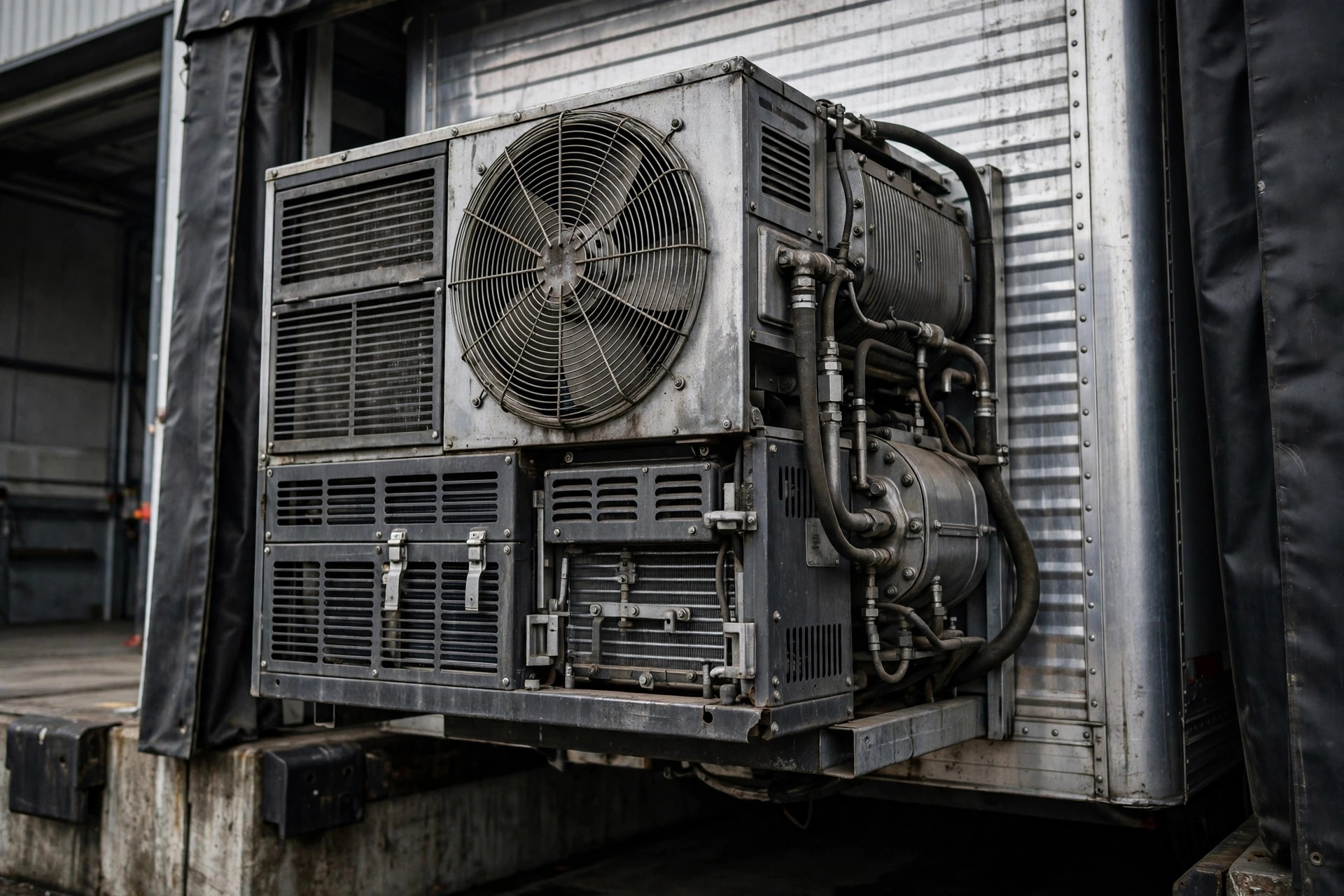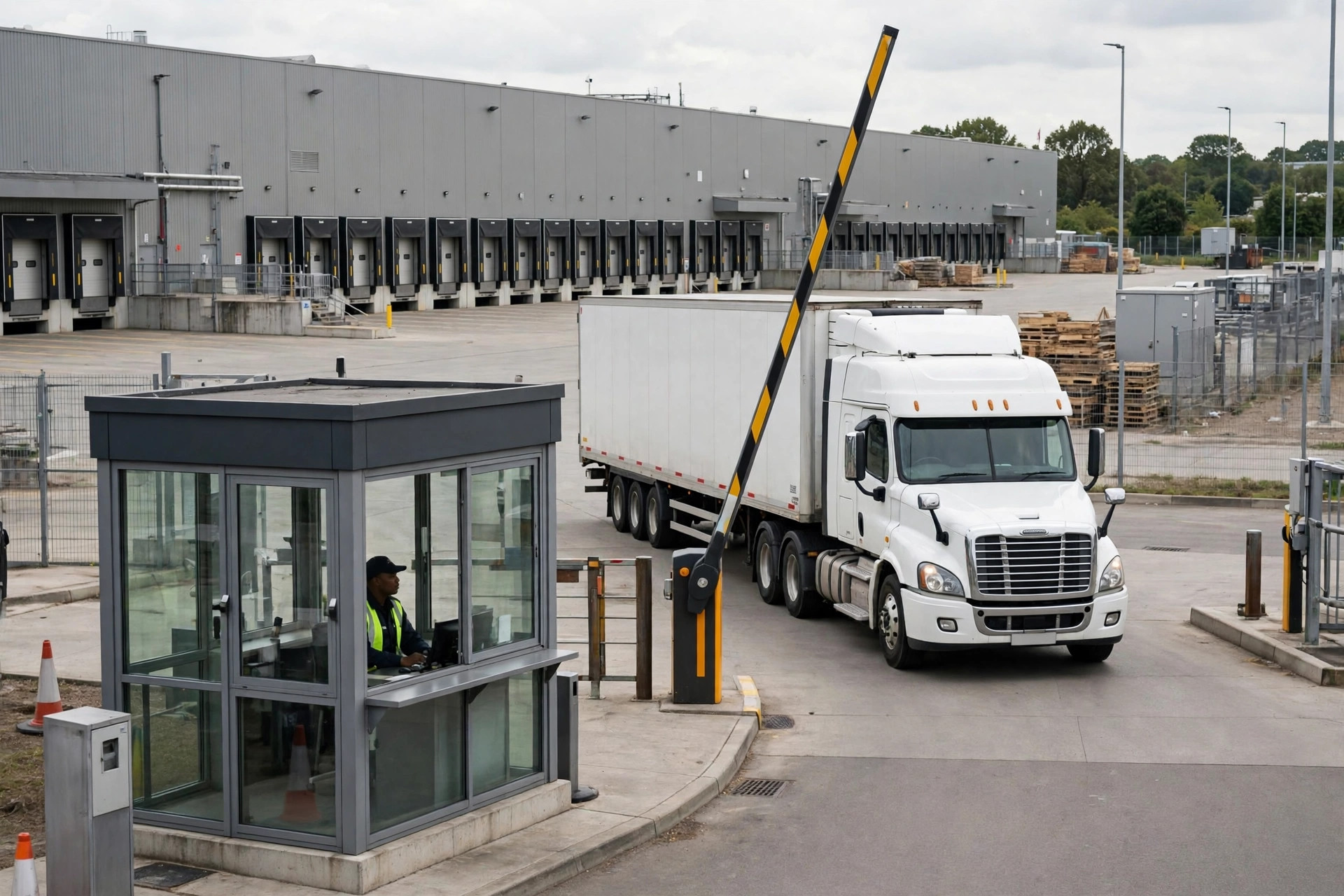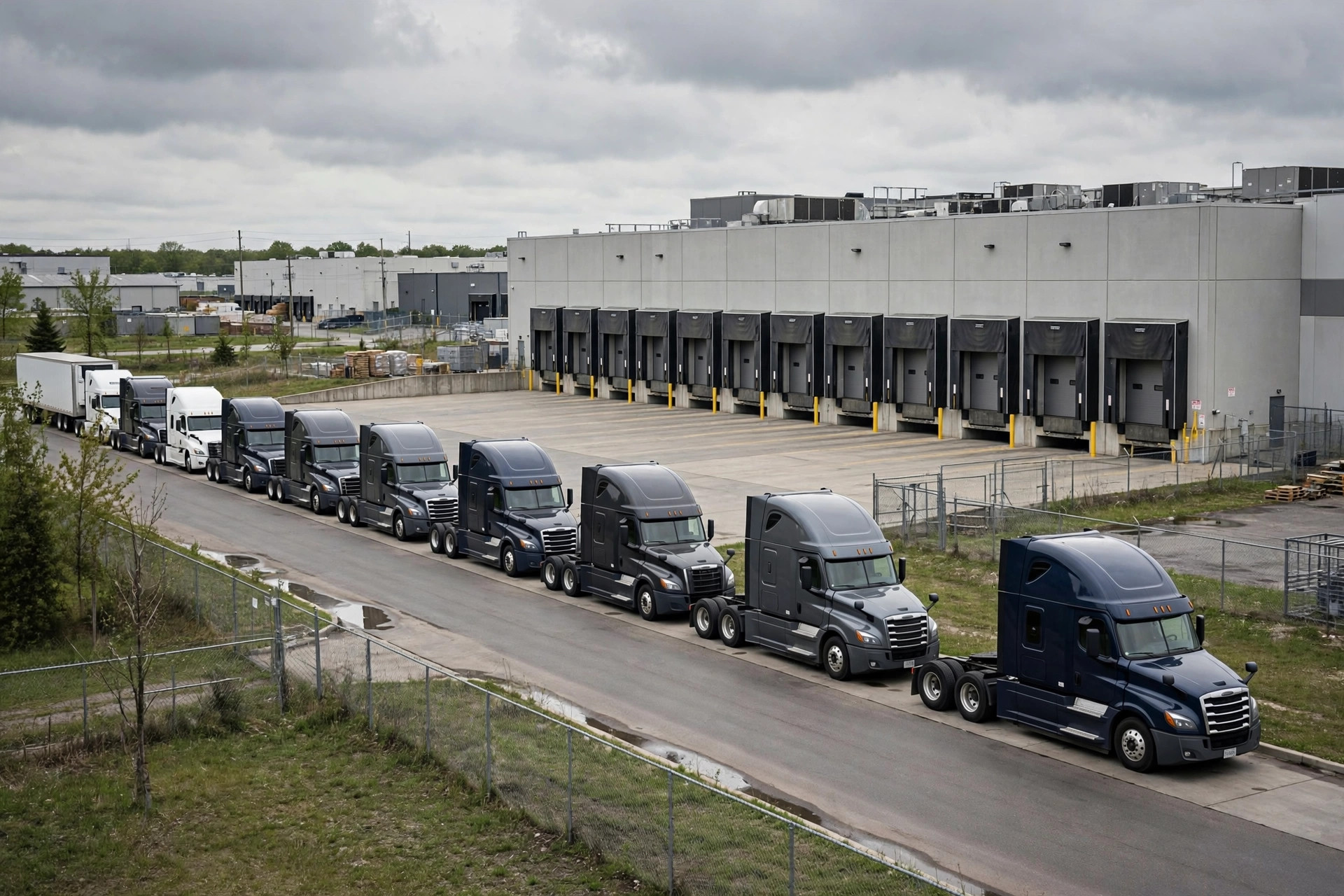
Summer, two years back. I'm sitting outside a cold storage facility in Ontario, California, reefer running, watching diesel tick down on the gauge. My appointment in the yard management system said 10 AM. I rolled in at 9:40 with a load of strawberries. The guard waved me to the side lot: "Wait here. The dock will call you." Turns out the freezer side was pushing out a load of frozen chicken legs, every freezer door tied up, and my chilled load couldn't go through a frozen door — one temperature excursion and the shipper rejects the whole trailer.
Let me tell you something. I've been driving trucks for 15 years, and I've watched plenty of warehouses run an appointment book that knows when a truck arrives but has no clue what temperature it needs. A dry van can sit in the lot all day, no harm done. A reefer can't. That trailer is a rolling refrigerator. The reefer unit burns fuel every minute it idles, and every hour your produce sits in the sun is money evaporating off the load. If YMS reefer appointment scheduling only schedules the clock and not the temperature window, reefers end up dying slow deaths in the staging lot.
Here's what that tells me: most yard systems are still stuck at "schedule the time." They haven't gotten to "schedule the temperature." Freezer doors and chiller doors aren't interchangeable. A freezer door opens less often and cycles slower — you don't want to bleed cold air. A chiller dock turns faster, but even within chilled, the setpoints differ: dairy wants 2–4°C, flowers want 8–10°C, chocolate hates heat and humidity both. When the appointment system just hands a driver "be here at 10" without telling the yard which temperature zone and which door this truck needs, everything gets re-coordinated at the gatehouse. All that time burns at the dock door.
Schedule the Temperature Window First, Then the Clock
Let me tell you, the cold storages that run this well do their YMS reefer appointment scheduling in layers. Layer one asks: frozen, chilled, or controlled atmosphere? Layer two asks: what exact temperature band? Layer three — only then — asks: what time, which door? The driver enters the commodity at booking, and the system drops the truck into the right temperature window automatically. Say 8–10 AM is the frozen outbound block; chilled inbound trucks don't get slots until after 10. The two temperature groups never pile up at the gate together.
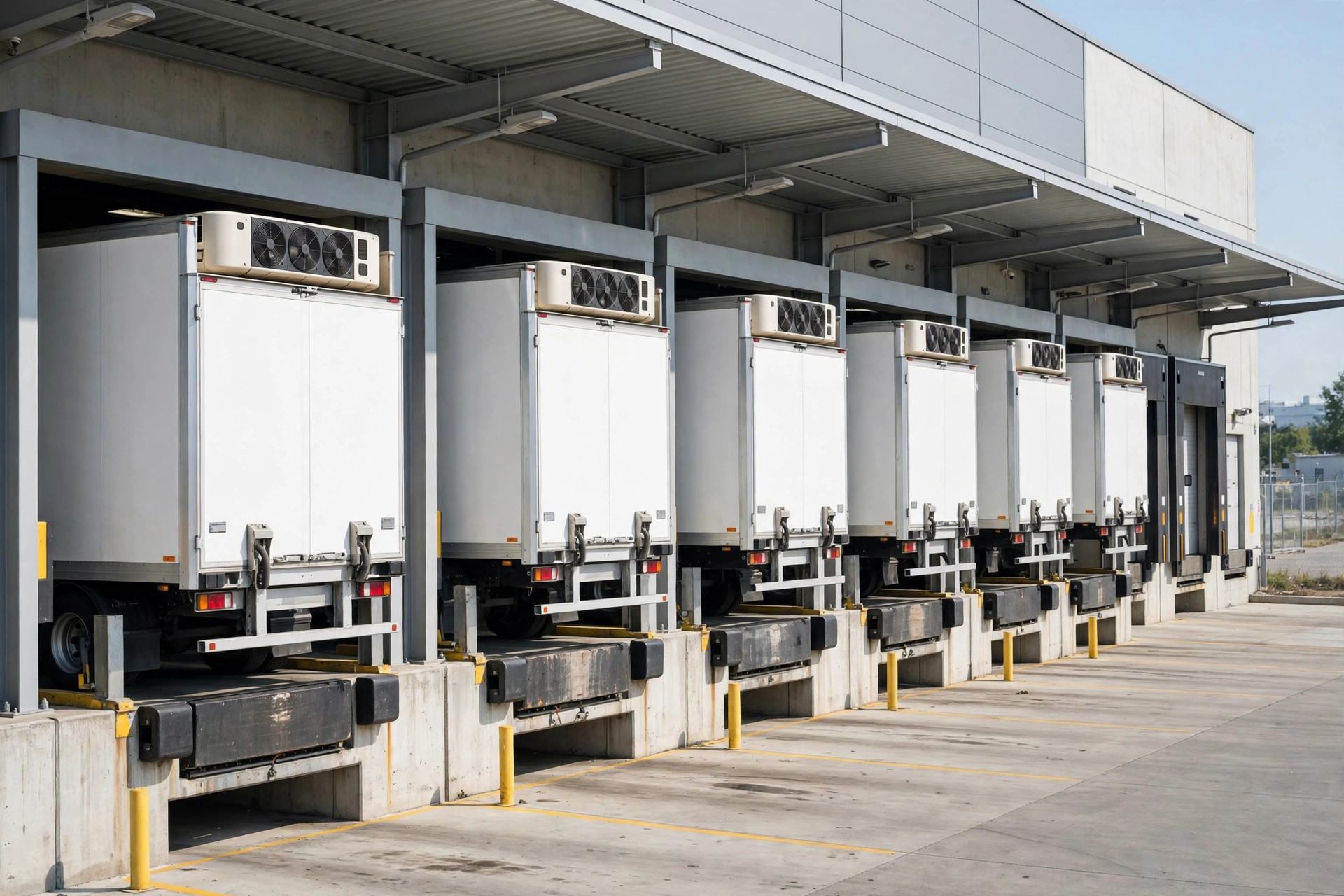
Why cut by temperature window? Because cold storage dock doors are the scarcest asset in the building. A freezer door — open, load, close, plus pre-cooling the dock and letting the temperature recover — takes far longer per turn than a dry door. Stack a frozen truck and a chilled truck on adjacent doors in the same window, the freezer door runs long, and the reefer sits outside idling. Cut the schedule by temperature windows and each group gets its own lane. Nobody trips over anybody.
One more detail: pre-cooling. Before a reefer arrives, the dock and its staging buffer need to be pulled down to temperature. If the YMS knows this truck lands at 10 AM needing a 2–4°C door, it fires the instruction to the warehouse crew half an hour early — door pre-cools, truck backs in, zero wait. Plenty of smaller cold stores still do this over the radio: "Hey, cool down door 3, truck's coming at 10!" Somebody gets busy, forgets, the truck arrives to a warm door, and everybody waits anyway.
Early, On Time, Late: The Three Realities of a Reefer at the Gate
Fifteen years on the road taught me there are exactly three situations when a reefer meets a warehouse, and each one needs its own rule in the system:
Showing up early. Most people think earlier is better. Wrong. A reefer two hours early usually gets no door — the previous window hasn't cleared, and your temperature-zone door isn't pre-cooled. The driver sits outside with the reefer screaming, burning fuel, burning the shipper's money. A well-run YMS sets one honest rule: arrive early if you want, but more than an hour early and we can't promise you a door. Sounds harsh. It actually protects the driver — better to time your arrival than to idle away two hours in the lot.
Showing up on time. The dream scenario, but "on time" has fine print at a cold storage gate. You arrive at 10:00 sharp; gate check-in, security, sometimes a temperature log review; you're at the assigned door by 10:20 if you're lucky. So appointment windows need buffer built in — a one-hour slot should really hold about 40 minutes of work, with 20 minutes reserved for check-in and temperature handoff. I once watched a facility that booked windows back-to-back with zero buffer. The 10 AM truck still wasn't at a door by 10:30, the 11 AM trucks were already stacking up, and the dispatcher was losing his mind.
Showing up late. This is the killer for reefers. You're 20 minutes late, your temperature-zone door may already be reassigned to the next truck — possibly a different temperature zone. Flip a door from one zone to another and back, and you're pre-cooling all over again; the whole afternoon's schedule slides. Let me tell you, reefer drivers don't fear traffic because of the ticket. They fear it because one late truck scrambles the yard's whole temperature rhythm and every truck behind it pays. A good YMS needs a late-arrival breaker: more than 30 minutes late, the system auto-moves you to the last same-zone window of the day or rebooks you tomorrow, and texts both driver and shipper. Nobody should be left guessing at the gate.
| Situation | What the driver loses | What the warehouse loses | What the YMS should do |
|---|---|---|---|
| 2 hours early | 2 extra hours of reefer fuel, dead waiting time | Gate congestion, distracted dispatch | No guaranteed door beyond 1 hr early; advise timed arrival |
| On time | Nothing | Nothing | 20-min buffer per window for check-in + temp handoff |
| 30+ min late | Possible rebook, whole trip wrecked | Temperature rhythm broken, everything cascades | Auto-rebook + text notification, no silent waiting |
Straight Talk for Shippers and Warehouses
To shippers first. You're paying the bill, so you get a say in the appointment rules. When you negotiate the warehouse contract, add one clause: reefer dwell past one hour at the gate bills by the hour — the industry calls it detention, and the rate varies by market, so pin it down in writing. With that clause in place, the warehouse suddenly has real motivation to get its YMS reefer appointment scheduling right. Otherwise it's your diesel burning out there, not theirs. Let me tell you, money is the best dispatcher there is.
To warehouses: don't try to boil the ocean on day one. Get three things right first. One, make temperature zone a required field at booking, and split the schedule into temperature windows. Two, leave buffer in every window — never book them full. Three, late arrivals auto-rebook with notifications. Nail those three and average reefer wait time at your gate drops hard. Pre-cooling automation, temperature-curve integration, all the fancy stuff — that's dessert. Eat dinner first.
And one for the dispatchers. A reefer driver waiting at your gate is the angriest person in the yard — the load is his responsibility, the temperature is his responsibility, and if the product goes out of range, the claim comes out of his pocket. So give drivers a simple app view: "2 trucks ahead of you, about 40 minutes." A driver who can see the line doesn't climb out to argue with the guard. Transparency calms people down better than any apology.
Fifteen years of this taught me one thing: a cold storage doesn't manage temperature. It manages time. The temperature is fixed — 2–4°C, printed on the spec sheet. Time is the living part: when the truck arrives, when the door opens, when the handoff happens. Get the temperature windows and the dock handoff right in the YMS, and reefers stop burning diesel in your parking lot. Driver, shipper, warehouse — everybody breathes easier.
There's an old saying back home: sharpen the axe before you chop the wood. Get the appointment schedule sharp, and the dock work cuts clean.
By Shifu Zhao, Trucking Veteran (15 yrs)