No seaport? Then how do you run regional distribution?
A buddy of mine who sells auto parts asked me last month: he wants to put his South America distribution warehouse in Paraguay. My first reaction was — buddy, the place doesn't even have a coastline, how does freight get in and out? He laughed and told me to look up Paraguay's warehouses before judging. So I did. And I had to admit I was wrong: this landlocked country might be the most underrated transshipment platform in the entire Southern Cone.
Our little warehouse could never afford to burn that kind of money building our own facility in Paraguay. But "borrowing" somebody else's transshipment muscle? That's a different story.
That River Is Paraguay's "Ocean": The Geography Behind Its Transshipment Warehouses
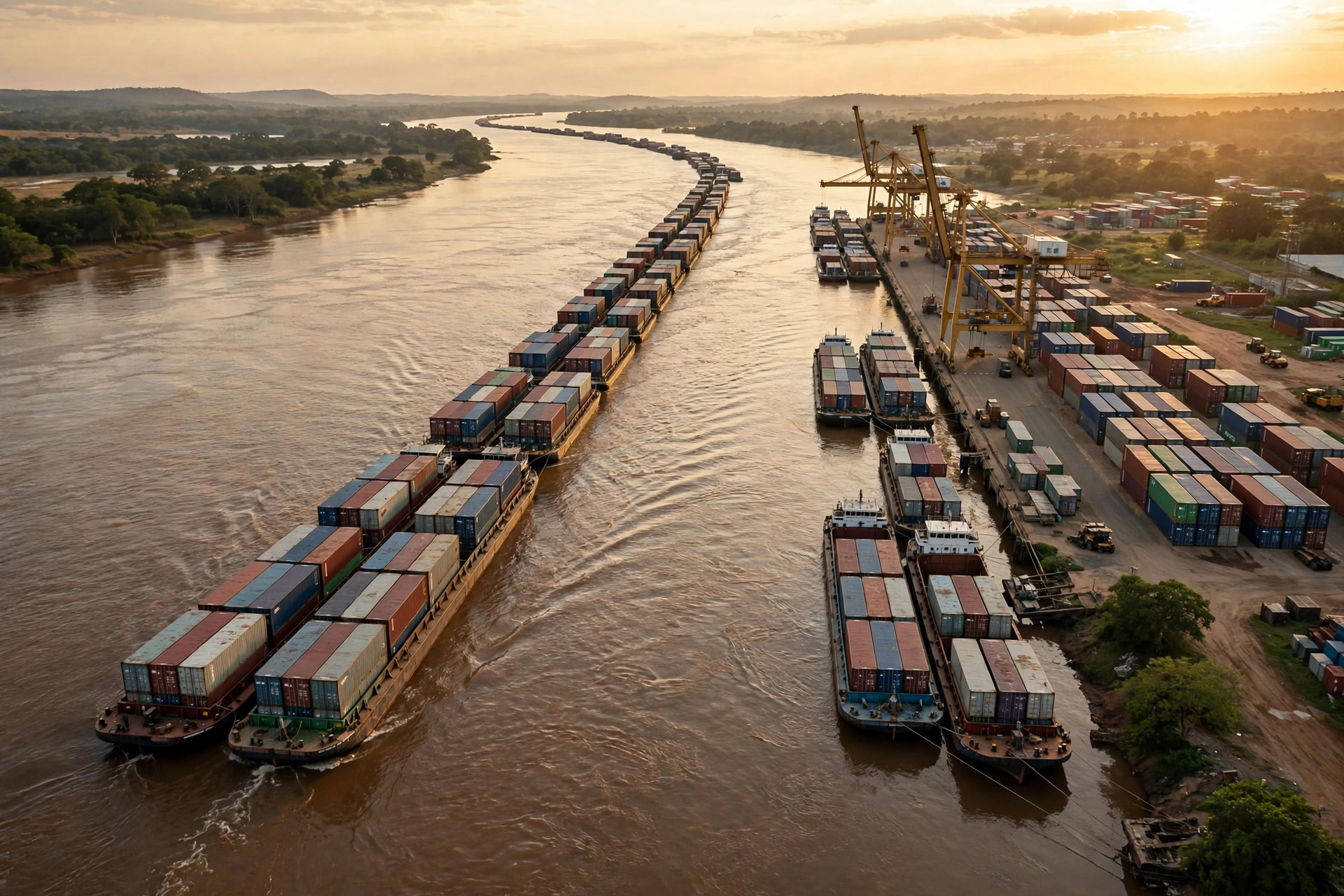
Paraguay's weakness and its superpower are the same river: the Paraguay–Paraná waterway. This inland artery runs from Paraguay all the way down to the Río de la Plata estuary at Buenos Aires. No seaport? Fine. Barge convoys float downstream and the cargo still reaches the ocean. Imports work the same way in reverse: transship onto barges at Buenos Aires or Montevideo and ride upstream to the river ports near Asunción.
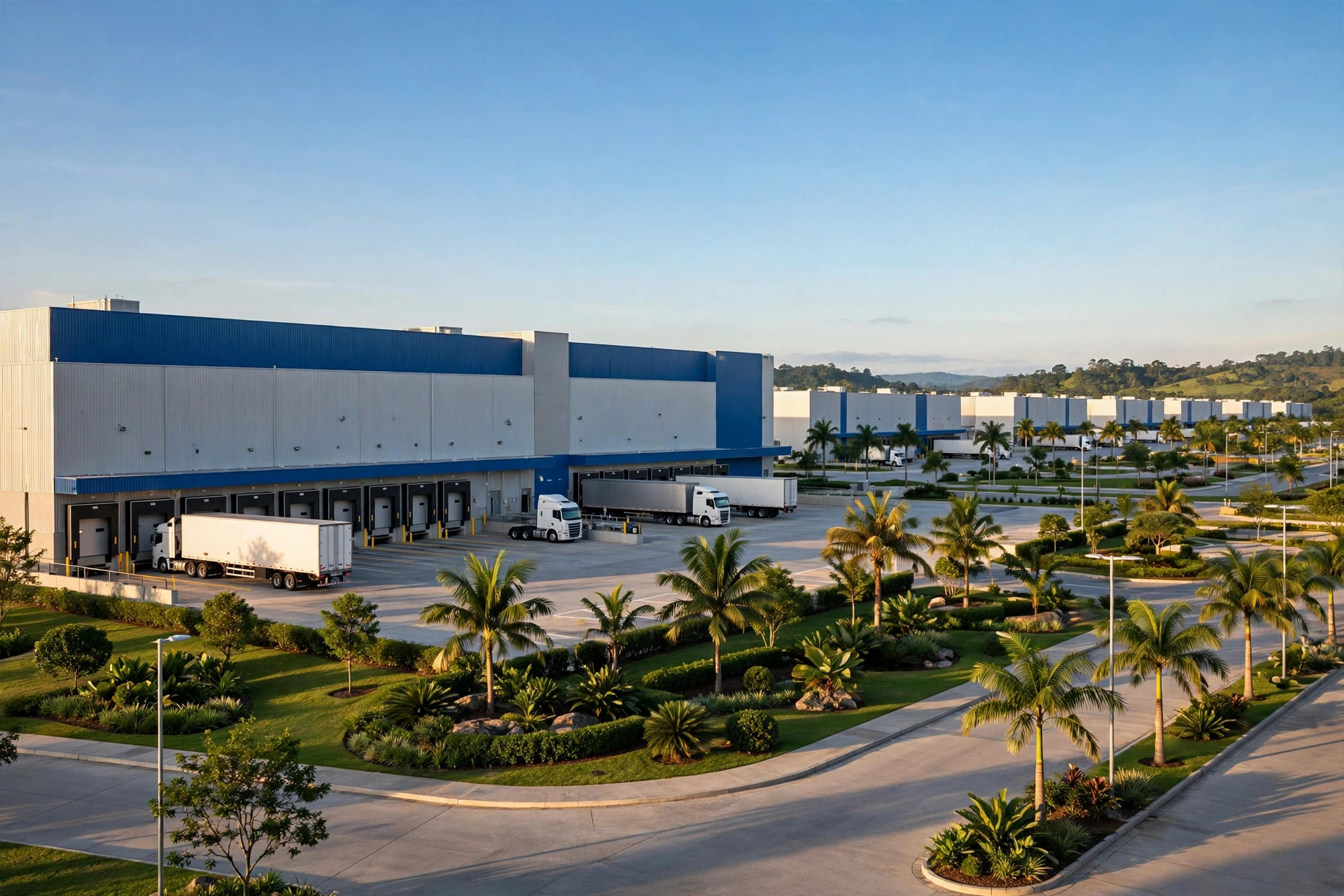
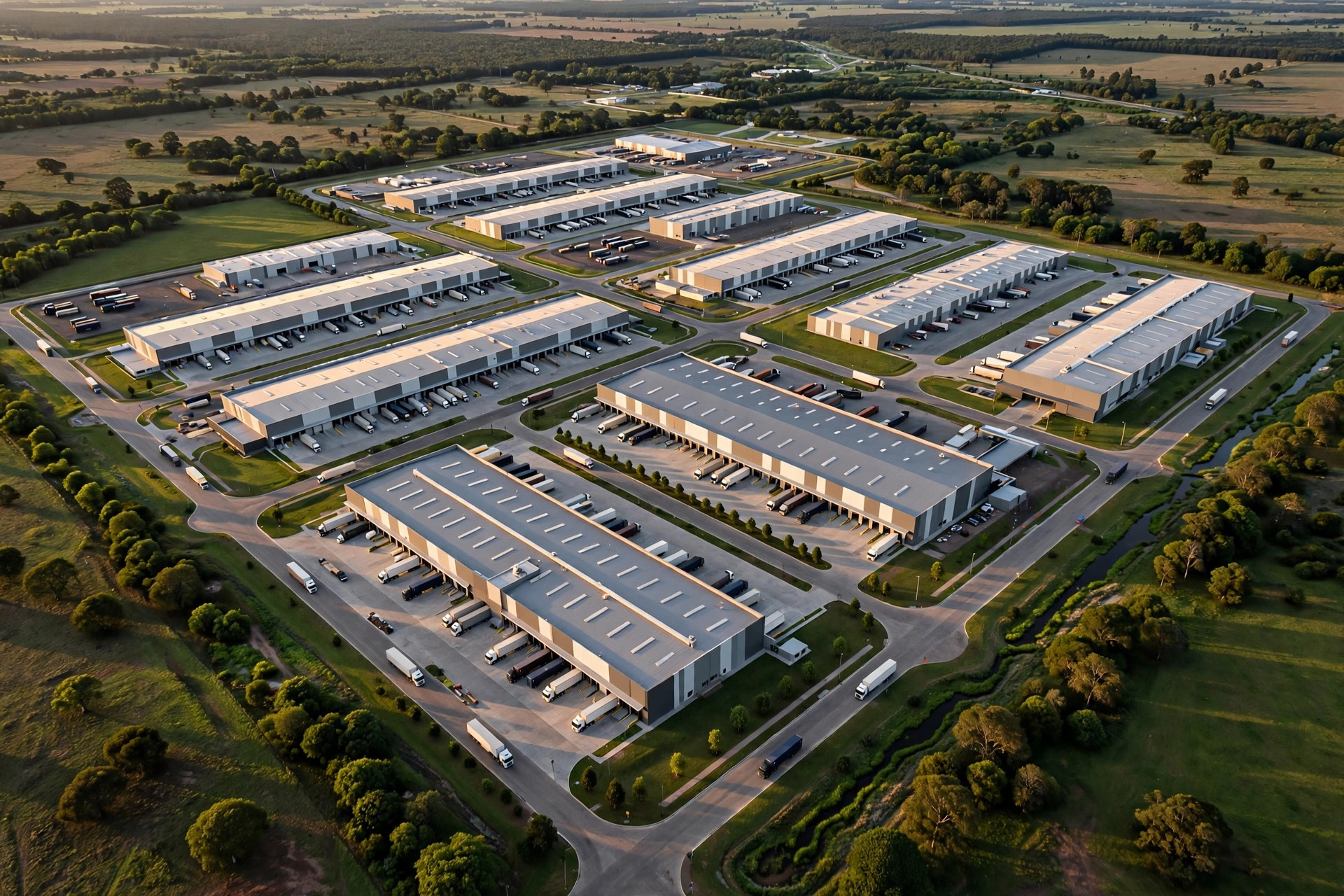
A Paraguayan port operator once gave a set of figures in an interview with worldports, and I'll quote them with the source labeled: one river-port logistics park has 250,000 square meters of built warehousing plus another 100,000 under construction, 24 warehouse buildings on site, a 140-hectare park, roughly 2 kilometers of river frontage; on the bulk side, 105,000 tons of grain storage and 100,000 tons of fertilizer storage. One honest caveat: these are the operator's own claims from a media interview, and I couldn't find an independent third-party source to cross-check them. Treat them as one side of the story and verify before making decisions.
Here's the counterintuitive part: precisely because it has no seaport, Paraguay was forced to become world-class at transshipment. A country with a seaport treats the port as a resource. A country without one treats transshipment as survival. Paraguay's river ports, bonded warehouses, and cross-border trucking grew up around one question — "how do we move freight efficiently into the neighbors' backyards?" — not "how do we serve our own imports?" That DNA is born for regional distribution.
One more geography refresher: Paraguay borders Argentina, Brazil, and Bolivia. From a Paraguayan warehouse, trucking north into northern Argentina, east into southern Brazil, and further on to Uruguay and Bolivia are all reasonable distances. If you're selling into multiple Southern Cone markets, Paraguay sits like a natural distribution bullseye.
Doing the Transshipment Math: Three Routes, Side by Side
Geography without math is just storytelling. Say your freight starts in Houston, USA, and needs to cover northern Argentina and southern Brazil. Three options:
| Route | Path | Time reference | Cost profile | Best for |
|---|---|---|---|---|
| A: Via Paraguay | Houston ocean → barge at Buenos Aires/Montevideo → Asunción river port → deconsolidate at a Paraguayan warehouse → truck into northern Argentina / southern Brazil | ~53 days door to door (per a Americas forwarder's route blog, including transshipment dwell) | River leg is cheap, trucking leg is flexible; usually the lowest total | Multi-SKU, multi-country small batches |
| B: Via Santos, Brazil | Ocean to Port of Santos, clear customs → cross-border trucking into Paraguay or straight to southern Brazil | Ocean leg is faster, but Brazilian port clearance and trucking are wildcards | Brazilian taxes and trucking costs run high | Freight whose main market is Brazil |
| C: Direct to each country | Houston straight to each destination port, separate clearance each | Fastest single leg | Separate clearance and separate inventory per country; highest working capital | Large single-market volumes |
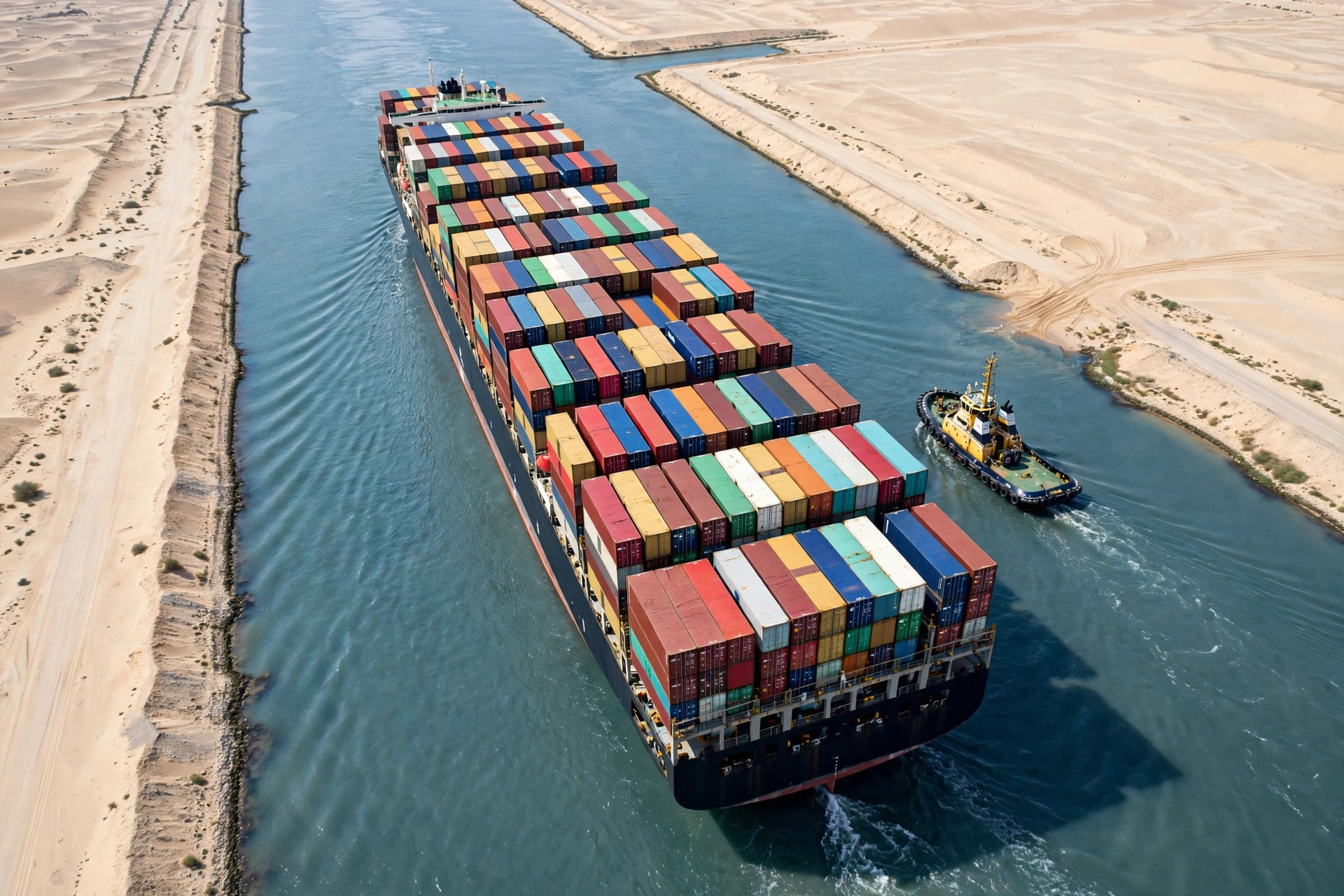
See the point? Route A's trick is "clear once, stock once, distribute to many." Fifty-three days from Houston to Asunción sounds scary, but that's the honest door-to-door rhythm, dwell time included. A planner who writes those 53 days into the safety-stock formula keeps everything else as savings: one big ocean shipment rides the cheap river leg at a fraction of trucking cost per container; then the Paraguayan warehouse breaks bulk and ships to order, with only one pool of inventory.
The trade-offs, stated plainly: water is cheap but slow, and when low-water season hits, barges have to lighten their loads and the schedule slips further. Trucking is flexible but expensive, and every border crossing has its own temperament. So Paraguay transshipment fits freight with strong planning discipline that isn't chasing a one-to-two-week window — stocked SKUs, seasonal goods, long-tail auto parts. Fast fashion on a tight vessel schedule? Don't bother.
A Small Operator's Entry Checklist: What Freight Belongs in Paraguay
One clarification first: this is not the same story as our earlier Uruguay piece. That one was about free-trade-zone policy — register inside the zone, enjoy the regime, set up a regional HQ warehouse. Policy-driven. This piece is about geography plus a transshipment network — borrow somebody else's river and roads to do distribution. Location-driven. Two different plays; don't mix them up.
What kind of freight deserves a look at a Paraguayan transshipment warehouse? Run down my self-check list — if three or more apply, keep reading:
- Your market spans two or more Southern Cone countries (northern Argentina plus southern Brazil plus Uruguay/Bolivia, any combo);
- Lots of SKUs, small batches per SKU — direct shipping to each country doesn't pencil out;
- You can live with a 45–60 day planning lead time (the 53-day Houston–Asunción run is the benchmark);
- You can work the maquila playbook: semi-finished goods enter Paraguay, get light processing or assembly, and re-export at a light tax load — right for freight whose "last step" should happen in South America;
- You have access to reliable cross-border trucking in Paraguay or at the border (plenty of Brazil-bound fleets around Ciudad del Este — vet their reputation yourself).
Two stories I've heard firsthand. The first is that auto-parts buddy from the opening: in 2024 he tried one shipment — Houston origin, barge to Asunción, deconsolidated at a local warehouse, trucked out against Argentine and Brazilian orders. His math: about 20% cheaper on logistics than his old "ship direct from the US to both countries" setup, at the cost of three extra weeks of stocking lead time. His exact words: "The savings cover an extra month of inventory. Worth it."
The second is a friend in small appliances who went for maquila: semi-finished goods come in by ocean from Asia, get final assembly at a border plant in Paraguay, and finished units truck into Brazil. He says Paraguay's tax setup is simple and labor is cheap, so assembly runs meaningfully below doing it inside Brazil. This route suits freight with a genuine "last-mile processing" need — pure trading transshipment shouldn't bother with maquila; the paperwork cost eats the margin.
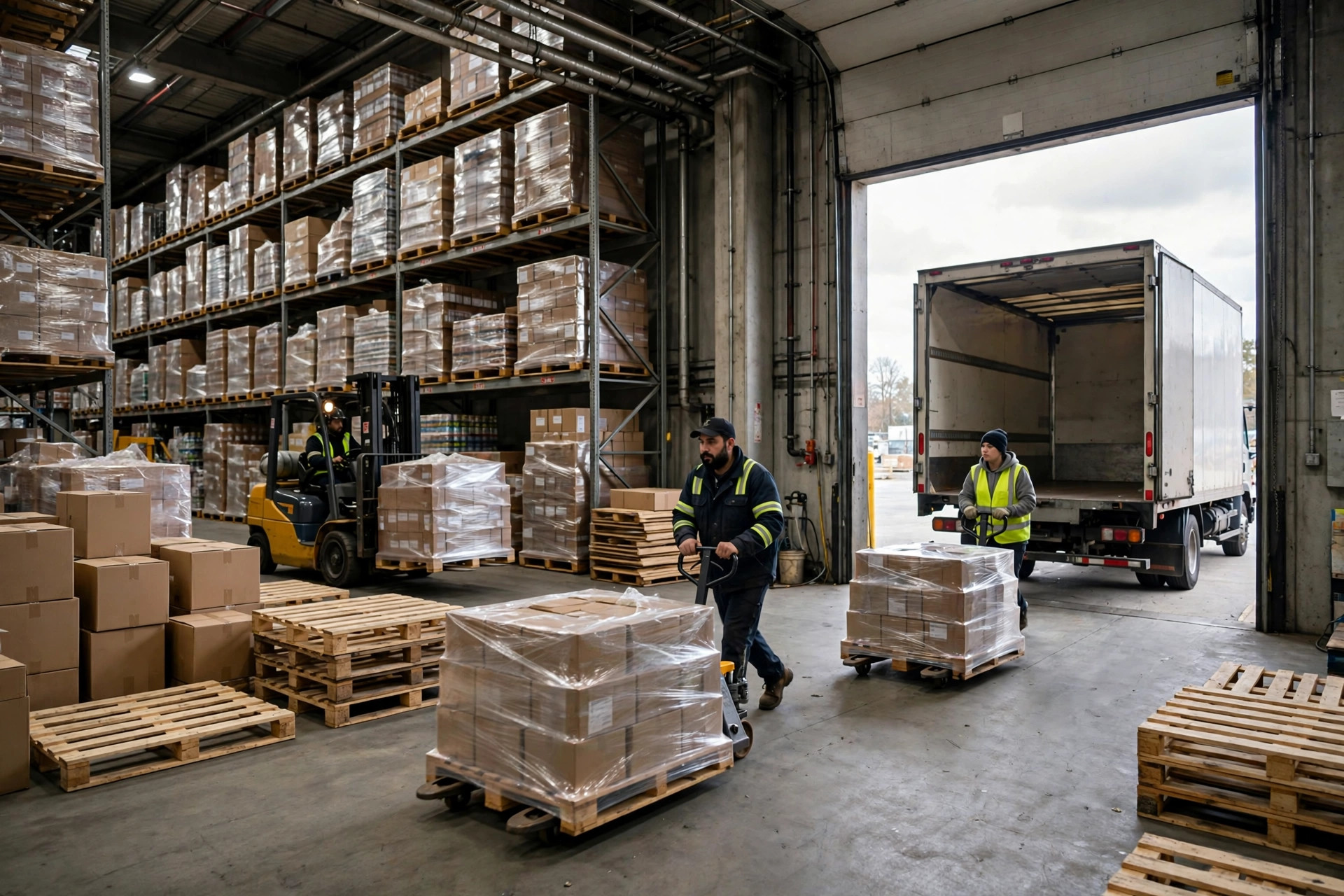
My dirt-cheap advice for fellow small operators: don't lease a whole warehouse on day one. Some Paraguayan transshipment warehouses sell shared cross-dock space — take one or two pallet positions for a trial run, walk the full chain (clearance, deconsolidation, distribution, trucking), get the true landed cost, then decide on volume. Our little warehouses can't afford to gamble that kind of money; treat the first shipment as tuition, and keep the tuition small.
Small warehouses have their own way to survive: the big guys build their own distribution centers in Brazil and Argentina; we borrow Paraguay's river and do multi-country distribution on a small budget.
By Xiao Ma, Small Warehouse Owner