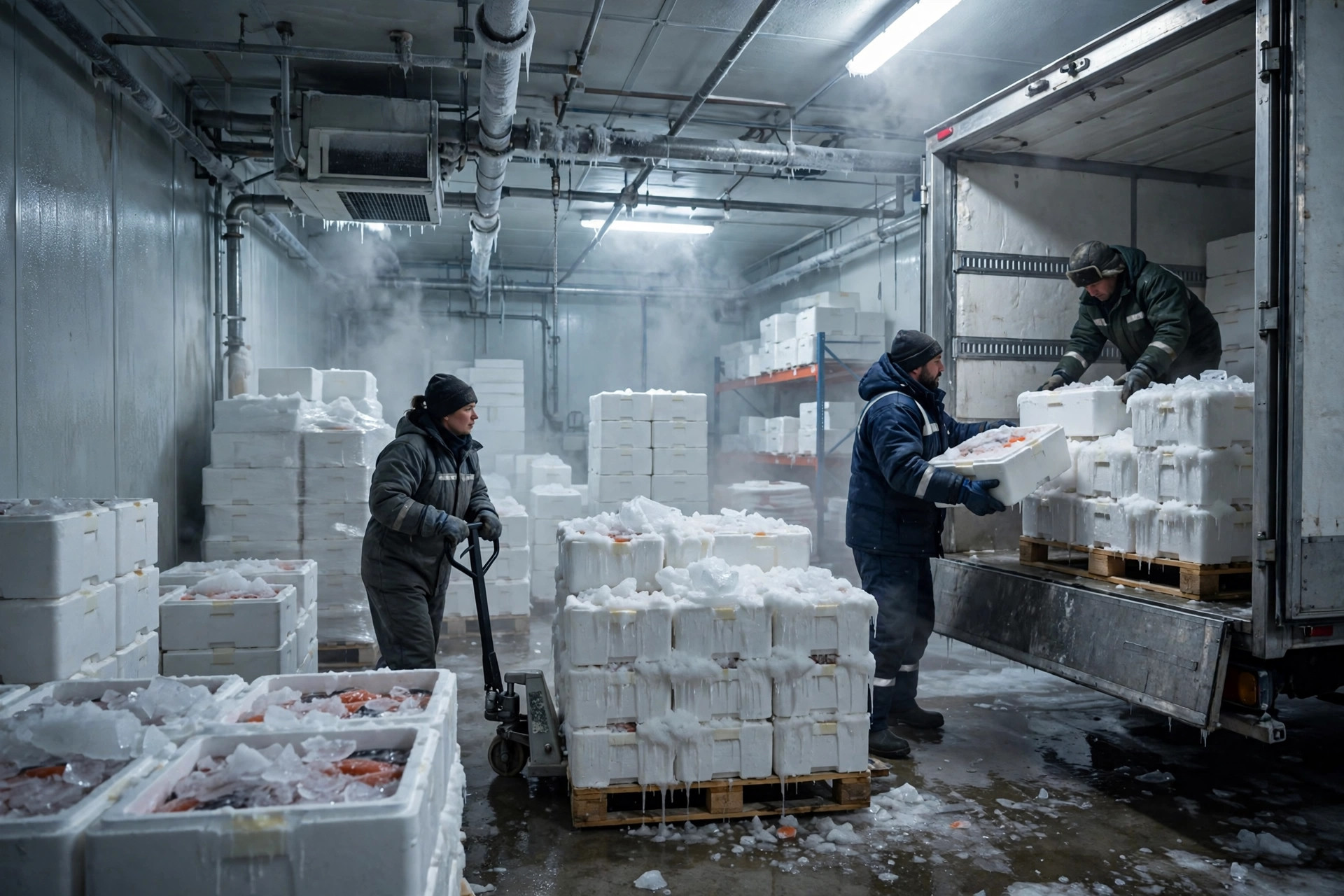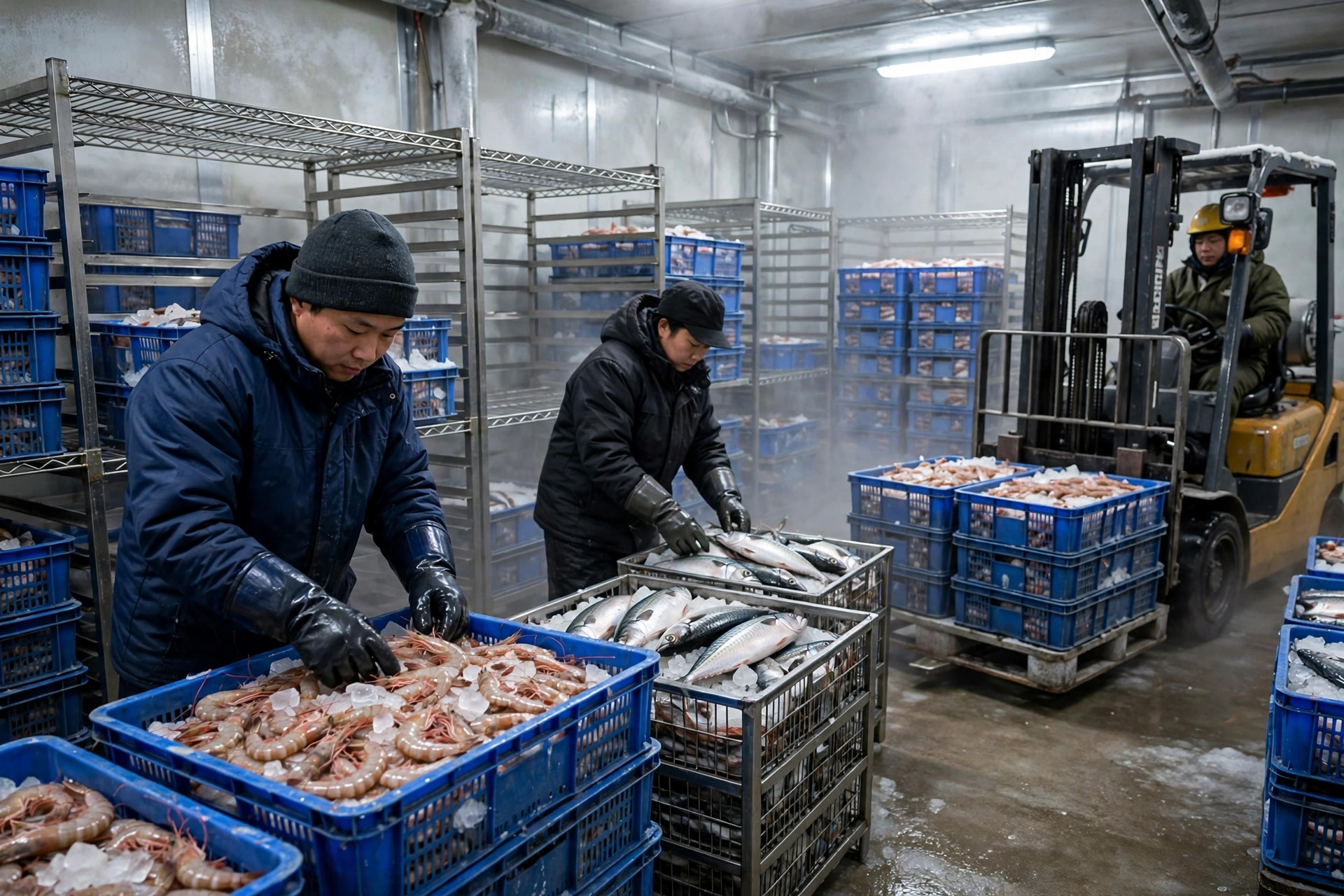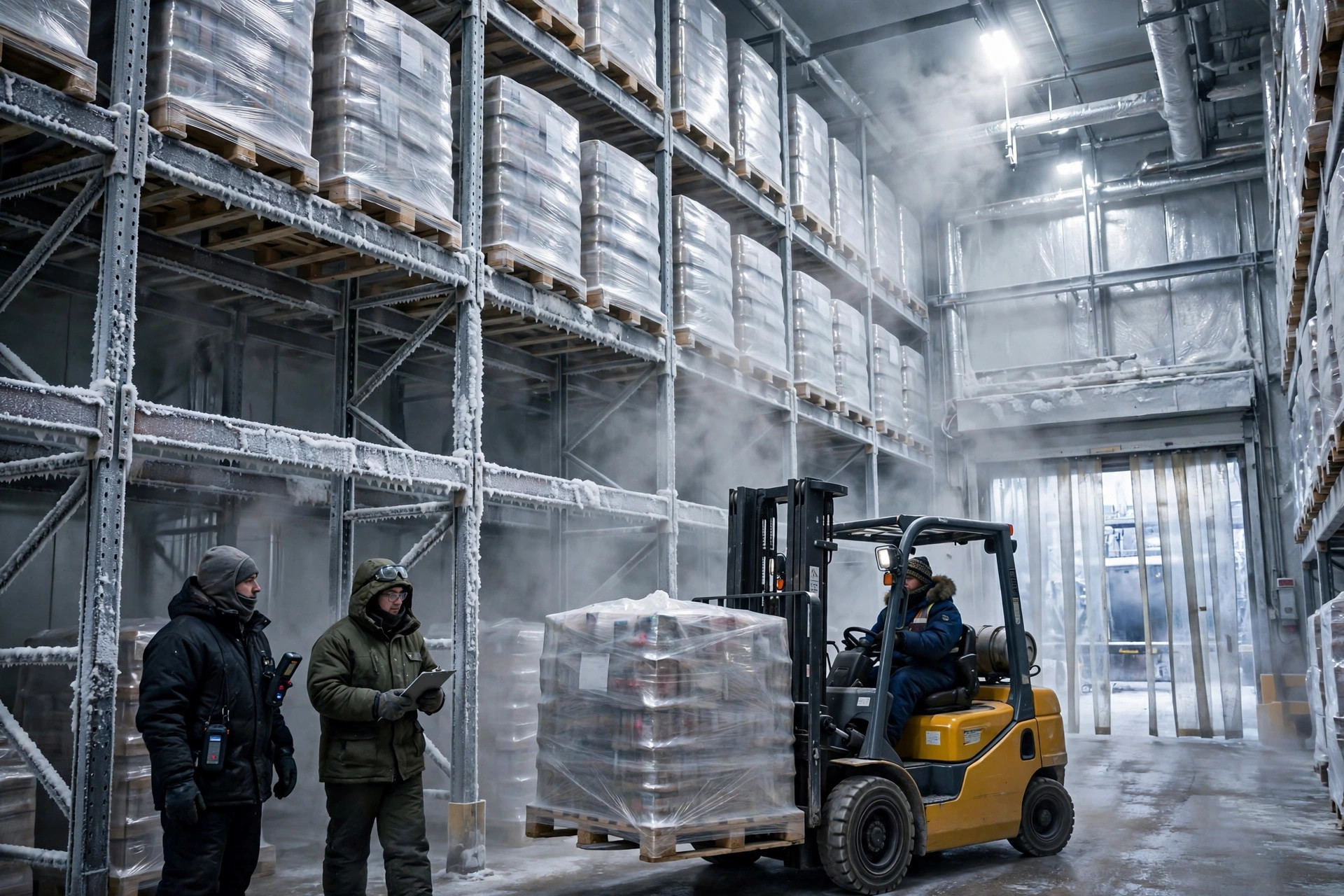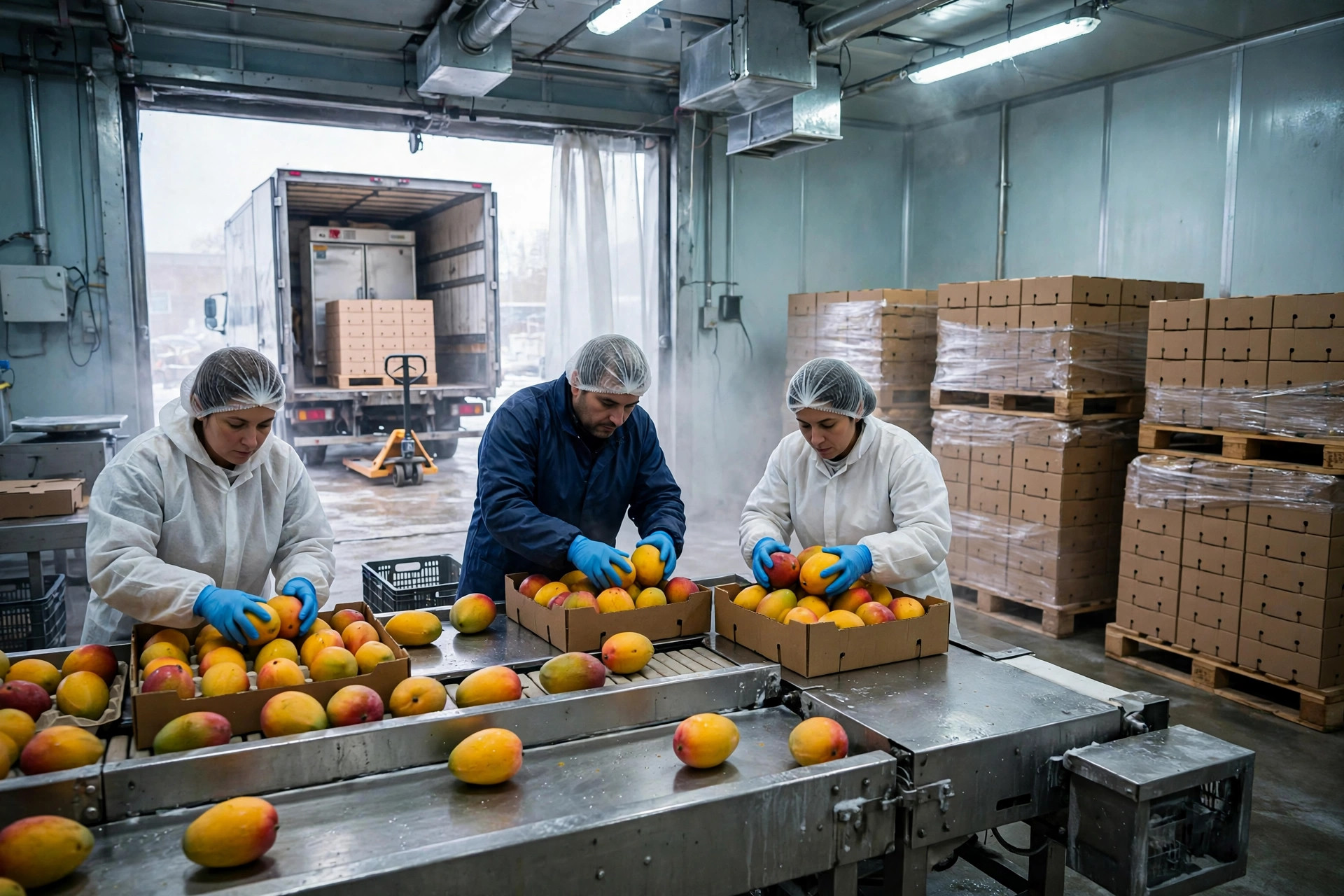
At three in the morning, the cold store door opens and the chill hits your face. The forklift is already waiting outside. Brothers, this is peak season. That is what the work looks like night after night. Mangoes come in from the field still carrying field heat. If you do not pull that heat out fast, it does not matter how quickly the truck drives afterward. Let me be straight: after years running this packing house, I am not most afraid of a late truck. I am afraid of the moment people relax and the chain breaks.
One night shift taught the whole crew that lesson. Grading and boxing had gone smoothly, and the workers wanted to save time by stacking the cartons on the dock while they waited for the truck. I stopped them on the spot. The dock holds almost no cold. Cartons stacked there warm up again from the inside out. After that night we made a rule that has never changed since: cartons leave the grading line and go straight into pre-cooling. They do not spend the night on the dock. It sounds simple. Keeping it is entirely about the shift leader watching, every night, without exception.
Mexico Mango Export Cold Chain, First Gate: Pre-Cooling Is a Race Against Time
A lot of people think pre-cooling just means putting fruit in a cold room and chilling it. It is not that. A mango keeps breathing after it is picked. While its heat stays in, it ripens faster. Pre-cooling before dispatch means the fruit leaves our plant in a stable state, so the road trip has a fighting chance. Our method is unglamorous. Grading, boxing, and pre-cooling run on staggered shifts. The heaviest work happens at night, when the crew is fullest. Daytime is for finishing and checking, not for rushing the main flow.
Pulp temperature spot checks are the second gate. We do not test every carton. Nobody can, and nobody needs to. The shift leader samples by pallet, testing whatever pallet comes up and writing the result on the sheet right there. A bad reading sends the whole pallet back for re-checking. Let me be straight: a spot check done as paperwork is worse than no check at all, because it gives everyone false confidence. We would rather spend an extra half hour in the plant than gamble on the road.
Hot water treatment follows the USDA approach, and the exact requirements are subject to the latest official policy, so check the official source before you ship. What the plant can control is alignment: which lot was treated, who handled it, and where the paperwork sits. When someone asks, we should be able to find it in a minute, not spend an hour searching the plant for a missing sheet.
Another night shift gave me a second story I still tell new crew leaders. A new night leader, worried about delaying a departure, wanted to load before pre-cooling had finished. His argument was that the reefer truck would keep cooling on the road, so it amounted to the same thing. I did not let him load. The lot stayed in the plant until the checks were done. Brothers, a reefer truck holds a condition. It does not fix pre-cooling that was never completed. People only really learn that after they have felt it once, but I would rather they learn it in our plant than explain it at a border warehouse.
Mexico Mango Export Cold Chain at the Border: One Night at Pharr and McAllen
Mexico is one of the world's major mango exporters, and the United States is its largest market. That means the Texas border warehouses at Pharr and McAllen run fast and full during the season. The worst night I remember was not about spoiled fruit. The truck arrived, but the warehouse had not held a slot. The doors stood open while the crew hunted for paperwork, and the fruit sat in the truck getting warmer. The driver, the warehouse staff, and the broker were all on the phone arguing. Nothing was ruined, but everybody went home exhausted.
Since then, we send the border warehouse the contact name, the arrival time, and the paperwork list before the truck leaves our plant. Before the truck arrives, they already know how many pallets are coming and which zone they go to. That advance notice is how the Mexico mango export cold chain actually holds together across two crews who never meet in person. Brothers, a cold chain is not won by expensive equipment. It is won by two crews saying things clearly to each other. Doors open, unloading starts, pallets go into storage. That is what a joined-up chain looks like.
Loading order is a detail that gets ignored too often. The first truck to arrive is not always the first to unload. The border warehouse works by slot availability and outbound plans. Our paperwork marks which pallets move first, so the driver does not need to call and ask, and the warehouse crew can just follow the sheet. Every phone call you avoid is waiting time you do not spend.
The Unbroken-Chain Roster: People, Trucks, and Storage on One Page
In the end, keeping the chain unbroken comes down to one roster. This is the routine we settled on, and it has stuck because it is simple enough to follow at three in the morning:
| Stage | What the leader watches | What a break looks like |
|---|---|---|
| Packing house pre-cooling | Cartons go to pre-cooling right after grading; spot checks are genuinely done | Cartons sit on the dock overnight and warm up again |
| Loading and dispatch | Paperwork, pallet count, and loading order are complete | The truck arrives and a sheet is missing |
| Border warehouse handover | Slot, time, and contact agreed in advance | Doors open while the truck waits for a slot |
We pin that table on the shift leader's office wall. New hires read it before they start. In peak season, when we add hands, we would rather add one person to watch paperwork than ask the shift leader to watch people and paperwork at the same time. Let me be straight: chains rarely break because equipment fails. They break because staffing is thin and information never reached the next person.
Here is the counter-intuitive part, and it trips up a lot of newcomers: colder is not automatically better. If pre-cooling was never done properly, no amount of cold on the road makes up for it. And if the handover between the plant and the border warehouse is sloppy, the biggest cold store in Texas is just a building. A chain is only as strong as its loosest link, not as cold as its coldest link. That sounds wrong until you have watched it happen on night shift after night shift.
Peak-season rostering has one more homegrown trick. The shift leader keeps a backup list, decided a day ahead, for who covers whom. Nobody scrambles for a replacement at midnight. The cold store door is the worst place for a last-minute swap, because a new person who does not know the flow can misread one line on a sheet and send a whole pallet the wrong way. A settled roster steadies people, and steady people steady the freight.
My reminder to fellow managers is short, and it is the same lesson the Mexico mango export cold chain teaches every season. Before dispatch, confirm three things: pre-cooling was done, spot checks were genuinely taken, and the border warehouse is expecting you. If all three are in place, you can sleep while the freight is on the road. If any one of them is vague, do not dispatch yet. Ask the question first.
By Chen Feng, Warehouse Operations Manager