Let's start with the bill. Last month, a medical device distributor asked me: for a 2,000-square-meter medical device warehouse, what does a year actually cost? I broke it down for him, and he went quiet — the compliance portion costs more than the rent itself.
To outsiders, medical device warehousing looks like "rent a warehouse and store goods." To insiders, it's "maintain an entire compliance system." Today I'll open up the books: what GSP compliance costs, what UDI traceability requires, and what non-compliance costs you. The figures below are real project ranges from jobs I've worked on — labor and equipment prices vary by region, so treat them as reference only. For the actual regulatory text, always check the latest policies on the National Medical Products Administration (NMPA) official website.
GSP Compliance in Medical Device Warehousing: The Money Goes to Four Places
A medical device distributor's warehouse must meet Good Supply Practice (GSP) requirements for medical device operations. Translated into physical warehouse terms, the money goes to four places:
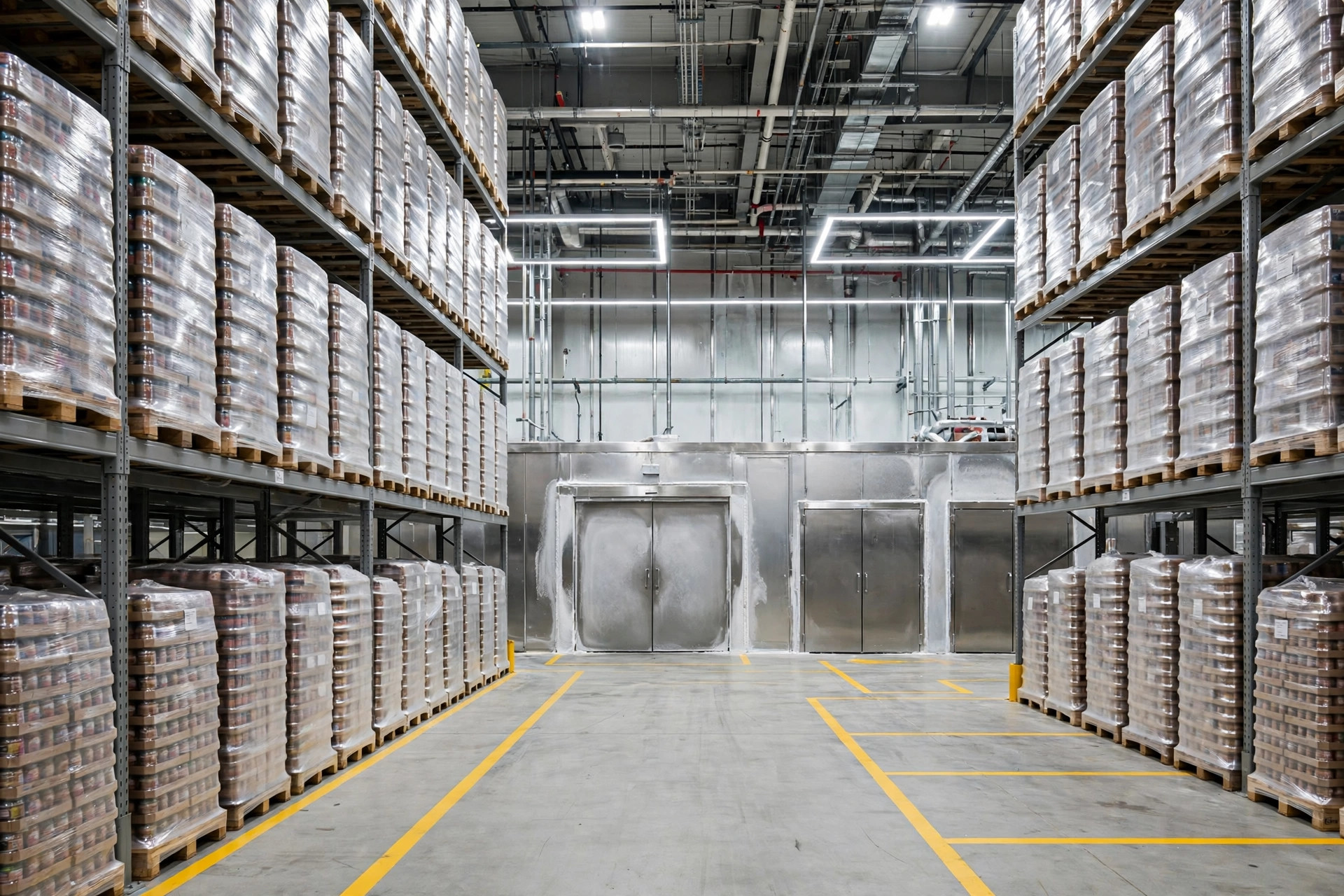
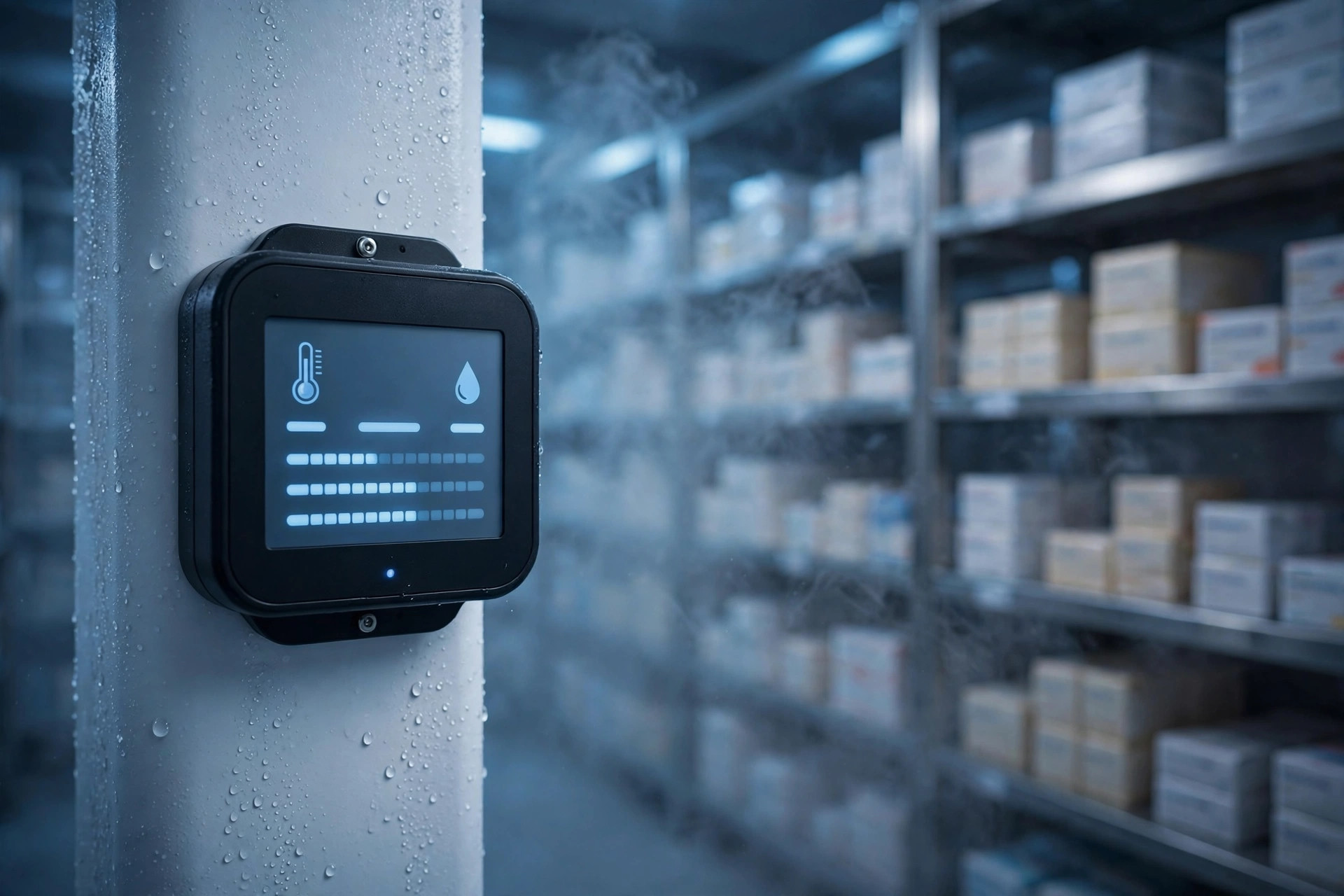
First, temperature and humidity zoning and monitoring. This is the biggest line item. Different device categories have different storage requirements: refrigerated goods typically need 2–8°C, cool storage below 20°C, and even ambient storage has temperature and humidity ceilings. A 2,000-square-meter facility usually needs three zones — ambient, cool, and refrigerated — each with automated monitoring probes, real-time data uploads, and automatic alarms on excursions. The monitoring system alone (probes, software, validation) runs from tens of thousands into the low hundreds of thousands in one-time spend; annual probe calibration and system maintenance is extra.
Second, facility retrofit. Converting an ordinary warehouse into a medical device warehouse means upgrading floors, walls, lighting, and ventilation, building cold rooms or installing medical refrigerators for the refrigerated zone, and adding insulation and HVAC for the cool zone. For a 2,000-square-meter site, retrofit starts in the hundreds of thousands and climbs with cold-chain capacity. And that money is sunk — your landlord won't pay you for the cold room when the lease ends.
Third, people. GSP requires quality management personnel commensurate with the scale of operations — a quality manager, receiving inspectors, and maintenance staff, all with the right qualifications and ongoing training. A full-time quality manager's annual salary starts in the low hundreds of thousands of yuan even in second-tier cities. This is the line item everyone underestimates: bosses budget for equipment and forget that people are a yearly subscription.
Fourth, validation and records. Temperature and humidity systems need validation, cold rooms need validation, and the reports must be archived for inspection. Daily temperature logs, maintenance records, and inbound/outbound records — none can be missing. That's either third-party validation fees or internal staff hours. Both are money.
Here's the breakdown from a real third-party medical device warehouse project in central China (2,000 sqm):
| Cost item | One-time investment (reference range) | Annual upkeep (reference range) |
|---|---|---|
| Automated temp/humidity monitoring | Tens of thousands to low hundreds of thousands (CNY) | Probe calibration + system maintenance, thousands to tens of thousands/year |
| Facility retrofit (incl. cold/cool zones) | Hundreds of thousands and up | Equipment maintenance, tens of thousands/year |
| Quality staff (2–3 people) | — | Combined salaries in the low hundreds of thousands/year |
| Validation, audits, record systems | Tens of thousands | Tens of thousands/year |
| Total | High hundreds of thousands and up | 300,000–400,000+/year |
See it now? High hundreds of thousands up front, plus 300,000–400,000 yuan a year in fixed costs — before rent and operations labor. That's why I say the compliance bill exceeds the rent.
UDI Traceability in Medical Device Warehousing: The Scanner Is Just the Beginning
Now UDI — the Unique Device Identifier. Many people think UDI traceability means "buy a few barcode scanners." Whether that money is well spent depends entirely on how you understand the job.
Real UDI traceability investment has three layers:
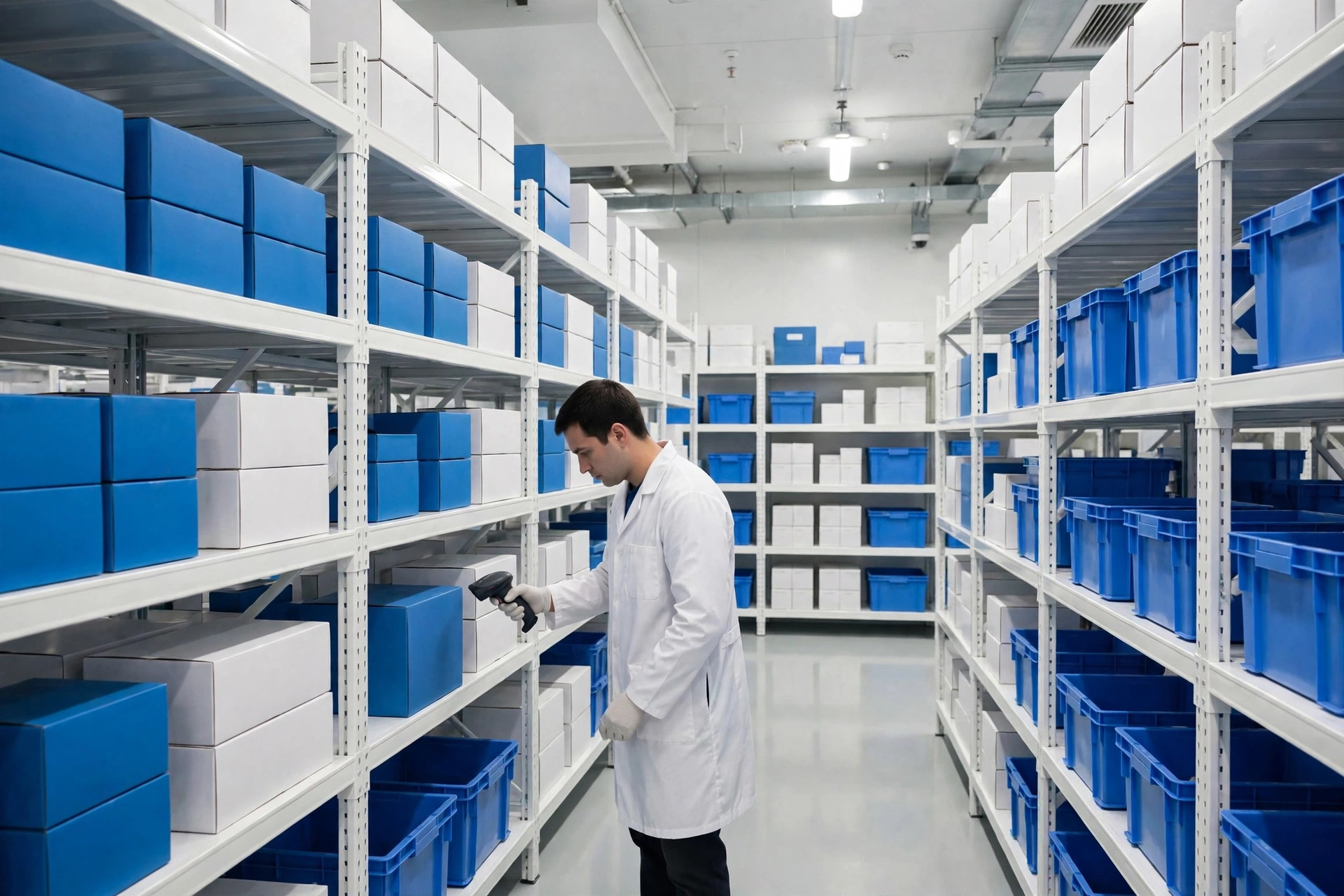
Layer one: capture devices. PDAs, scanners, label printers. The hardware itself is cheap — thousands to tens of thousands of yuan — but compatibility is the trap. UDI carriers come as QR codes, barcodes, and RFID; a cheap scanner can't read high-density laser-etched codes. Buy wrong and you've bought nothing.
Layer two: system integration. Your warehouse management system has to parse UDIs, link batch and serial numbers, and auto-verify at inbound and outbound. Integration fees for retrofitting an old system often run 3–5x the hardware cost. The most painful case I saw: 20,000 yuan on hardware, 120,000 on system work — because the legacy WMS had no serial-number module at all. They rebuilt half the system.
Layer three: data reporting and maintenance. UDI data must be uploaded to the regulatory platform, failed uploads investigated, and master data (products, packaging hierarchies) maintained continuously. That's steady, year-after-year labor cost.
Two Real Cases: Skimp on Compliance, Pay Double Later
Case one: failed on temperature records during an unannounced inspection. In 2024, an in-vitro diagnostics distributor in central China rented its warehouse and had installed a monitoring system — but the probe calibration had lapsed for three months. Inspectors pulled a summer day's records and found a four-hour excursion in the refrigerated zone with no deviation handling on file. Result: ordered rectification, two weeks of suspended operations for part of the business scope. Two weeks of no shipments, in peak season. In the boss's own words, the lost orders "would have paid for five years of probe calibration."
Case two: the UDI system detour. An orthopedic consumables distributor, working toward UDI implementation requirements in 2024, bought the cheapest scanners first — then discovered they couldn't read suppliers' laser-etched codes and had to replace them. Then hired the cheapest integrator, whose delivered system couldn't match serial numbers to batches, and had to redo it. Eight months of rework, nearly double the direct cost, plus a regulatory talking-to for late UDI reporting. The boss told me afterward: "That money was wasted — if we'd hired a competent solution provider and done it right the first time, it would have been the cheapest option."
Both cases teach the same lesson: in compliance spending, the most expensive items aren't equipment — they're rework and shutdowns.
The Counterintuitive Part: "Do It Right the First Time" Is Usually the Cheapest
Medical devices have a counterintuitive rule: every yuan "saved" on compliance gets spent double somewhere else.
A cheap monitoring system drifts and you never know — until an inspection finds it and you're shut down for rectification. A cheap UDI setup with poor scan rates costs your operators five extra minutes per order; over a year, the wasted labor dwarfs the price difference. And understaffed quality management means one quality incident can trigger recall costs dozens of times the compliance investment.
UDI traceability has one more underrated payoff: when a real quality issue forces a recall, a company with complete UDI traceability can pinpoint the exact batches and their destinations and recall only what's affected. Without traceability, you're recalling entire batches — or everything. One precise recall can pay back the whole UDI system investment.
The Bottom Line: A Conclusion You Can Calculate
Medical device warehousing comes down to one question: build your own GSP-compliant warehouse, or rent space in a qualified third-party one?
The math is simple:
Annualized self-build cost = one-time investment ÷ amortization years (use 5) + annual compliance upkeep + rent + operations labor Third-party annual fee = per-pallet or per-order management fee (compliance cost baked in)
Using the reference ranges above, a 2,000-square-meter site's annualized compliance cost (excluding rent and labor) lands around 500,000–700,000 yuan. An equivalent third-party warehouse folds compliance into a premium of tens of yuan per pallet per month. When monthly pallet throughput × third-party per-pallet premium < annualized self-build compliance cost, renting wins. Past a certain volume, building your own pays off.
My conclusion for that distributor: at under 800 pallets a month outbound, self-building would burn 400,000+ yuan a year extra — wasted money. Rent qualified third-party GSP space, and put the savings into sales. Much faster payback.
Three things to remember: first, in compliance costs, people are more expensive than equipment, and ongoing spend beats one-time spend. Second, for UDI traceability, don't just buy scanners — system integration is the real bill. Third, regulations keep evolving; check the NMPA's official website for the latest text, and write "who bears what when regulations change" into your contracts.
Get this math right, and medical device warehousing becomes a business that lasts.
By Lao Zhou, Logistics Cost Analyst