Let me give you my conclusion up front: in Houston, do not start with rent. Start with your freight route. Ask where the cargo comes in, how port logistics moves it, and which states it serves. The Houston warehouse market gives you three very different answers: space near the port, big space in the northwest, and industry-clustered space in the southeast energy corridor. None of them is the best in the abstract. Each one only makes sense if it matches your freight route. A warehouse that does not match your route is expensive at any rent. The hard part of this market is that its advantage and its risk ride on the same line. When port logistics runs smoothly, everything is fast. When that line congests or shuts down, port-side warehouses take the hit first, while an inland warehouse with more road options can still move. Draw the freight route before you talk rent. Skipping that step is how good operators sign bad leases. I have seen too many clients walk in with a rent sheet, circle the lowest line, and call it decided. To put it bluntly, a rent sheet only prices the warehouse. It does not price the trucks, the waiting time at the gate, or the days lost when peak-season traffic jams the roads. Money saved on rent often comes straight back out on the road, with a customer complaint attached. A resin exporter I worked with learned this the hard way. He leased a small warehouse close to the port for one reason: proximity meant fast outbound loading. For two months it worked. Then peak season hit. Trucks queued for hours at the port gates, drivers waited two or three hours as a matter of routine, and a missed cut-off pushed a sailing back a week. Then a hurricane-season evacuation warning shut the port area down first, and his cargo sat while overseas buyers chased bills of lading. After he ran the full bill, he understood: being close to the port meant putting everything on the line most likely to stop. This cuts both ways. Space hugging the port suits one kind of cargo: high-frequency, small-batch freight that lives or dies by cut-off times, such as consolidations and tight sailing schedules. That cargo is worth a premium, because what you buy is certainty at the gate. But if your freight moves in large, infrequent batches to several inland states, paying port-side rent buys proximity you never use. The cargo still has to travel north and west by truck, and by the time you add truck cost and driver time, the port-side rent advantage is gone.
Houston Warehouse Market in Three Pieces: Port, Northwest, and Southeast Energy Corridor
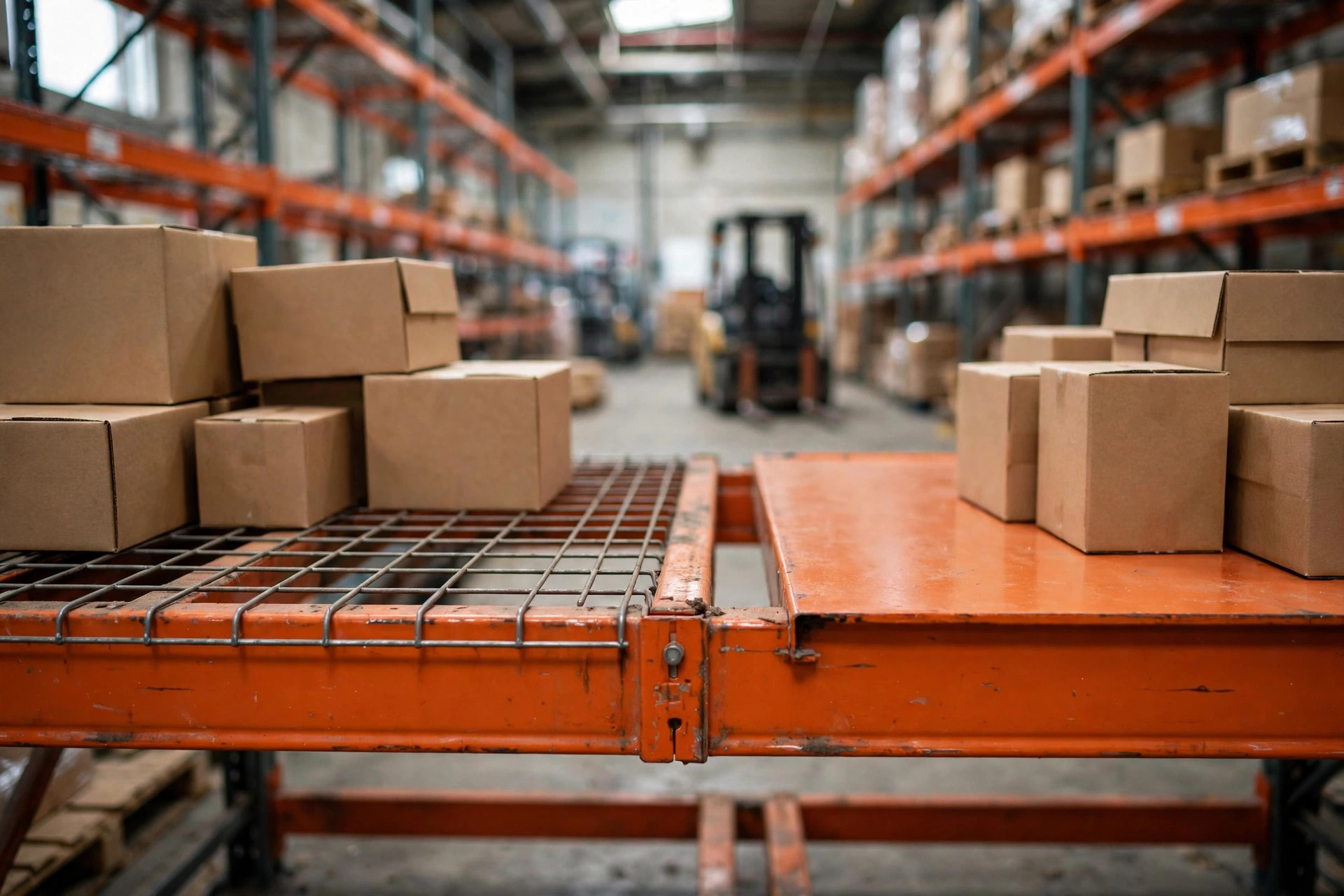
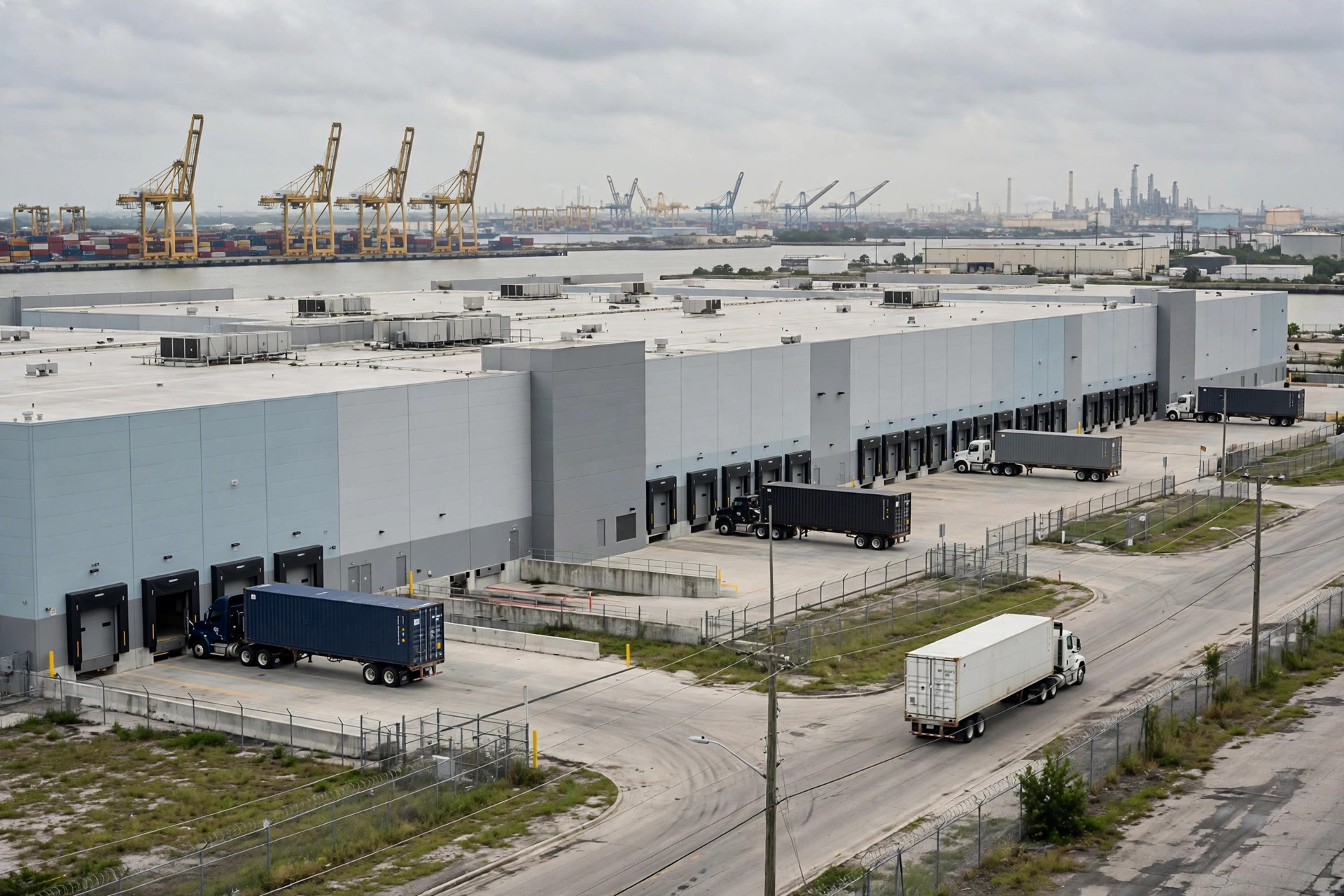
The port submarket sells speed, speed that comes from sitting near the boxes. Its costs are plain to see: smaller footprints, hard expansion, peak congestion, and first exposure when hurricane season bites. It works as a front warehouse or export staging site, poorly as a bulk storage hub. The northwest submarket serves a different freight story. Warehouses there are bigger, land is easier to find, and the road network reaches inland well, a natural regional distribution center: cargo drops in the northwest and fans out across Texas and neighboring states. The trade-off is distance from the port. Import freight travels an extra leg, and an urgent outbound shipment reacts half a beat slower. The southeast energy corridor runs on industry clustering. Chemical, resin, and energy tenants concentrate there, and warehouse specs follow: yards, handling setups, and storage arrangements built for that kind of cargo. If your freight belongs to that chain, the neighbors, drivers, labor pool, and support services all fit. If it does not, forcing your way in just adds cost for no benefit.
Port Logistics Trade-off: Hug the Port or Step Back Inland
My usual fix is to split the footprint in two instead of betting on one site. Keep a small front warehouse near the port for inbound handling, consolidation, and making sailings. Put the big warehouse inland, in the northwest or a similar direction, for inventory and distribution. That resin exporter ended up doing exactly this: a small port-side site for export staging, bulk stock in the northwest, and during peak the port site only had to load boxes while the northwest site absorbed the inventory pressure. After the change, sailing certainty held, and the total warehouse bill fell, because the big warehouse cost less per foot and offered room to grow without hunting for emergency short-term space in peak season. Here is the counterintuitive part: closer to the port does not always mean faster outbound. Port-area roads are few, and when they jam in peak season, a warehouse next door can still miss a sailing. An inland warehouse with more route choices can be more reliable. Judge a site by whether its roads still work in peak season and bad weather, and whether a second route exists.
Lease Terms and Hurricane Season: Two Bills to Settle First
Short and long leases charge you in different currencies. A short lease buys flexibility, which suits a seller still testing the market: volumes unproven, routes untested, a six-to-twelve-month term caps the downside. The price is a higher rate and renewal uncertainty, and a landlord can raise the rent when peak demand arrives. A long lease locks price and holds the location, which suits stable volume on a proven route. The price is being stuck: if the market or your route changes, a long lease turns into a burden. My rule: core space can go long, front and trial space should stay short. | Choice | Best for | Cost | Payoff | | Small port-side warehouse | Frequent exports, cut-off-sensitive freight | High rent, peak congestion, first hurricane shutdown | Sailing certainty | | Large northwest warehouse | Regional distribution, bulk stock | Far from port, slower emergency response | Big space, lower rate, wide road network | | Southeast energy corridor warehouse | Chemical and resin chain tenants | Only pays for chain insiders | Matched services, close neighbors | | Mixed lease terms | Most site-selection cases | One more set of books to manage | Flexibility plus locked price | Hurricane season deserves its own line in the budget. Read the insurance terms before you sign: what water, wind, and business interruption each cover, and where the deductible sits. Do not discover a gap after a claim. Inside the warehouse, plan ahead: raise high-value stock, back up documents and systems off site, and agree on evacuation routes and backup space in advance. Leave slack for the recovery window too, when port and road recovery run on different clocks and truck prices and waiting times move. Rates and vacancy change every quarter, so check the current quarter's broker reports. Before signing, I make clients run one more checklist: freight route, volume, peak-season spike, hurricane-season slack, and lease mix. If any one of those is unclear, do not sign yet. A signed lease sets costs for several quarters, so one extra question now saves a costly lesson later. A second client, an inland-distribution seller, made the opposite mistake at the start. He took a large, cheap port-side warehouse thinking import freight could distribute straight from there. After two months, trucking distance and fuel had eaten the rent advantage, and congestion had cost him two on-time deliveries. He moved distribution to the northwest and kept only a receiving point near the port. On-time performance recovered, and total cost fell. Both stories point the same way: warehouse location must follow the freight route, and when the route changes, the warehouse plan has to move with it. So before you commit in the Houston warehouse market, write down three things: which route your freight takes in, which states it serves, and how much slack you hold for peak season and hurricane season. When those three line up, the rent numbers start to mean something. When they do not, walk away from the cheap warehouse. Price the freight route first, and the rent second. Reverse that order, and the rest of the lease pays for the lesson. By Lao Mi, Supply Chain Veteran (20 yrs)