We have a client selling small home appliances who wanted into South America last year. Amazon Brazil's bar was high, Mercado Libre was a bloodbath, so they picked a platform most people haven't heard of: Falabella Chile.
A year later he told me: "In South America, Falabella is the online department store. Chile's middle class opens it first." Today I'm spilling everything that client stepped in and calculated.
Meet Falabella
Falabella is Chile's largest retail group, with department stores, home improvement (Sodimac), and supermarkets; its online platform covers Chile, Peru, and Colombia. Think of it as South America's JD.com: first-party retail + marketplace + physical stores, with enormous consumer trust.
For cross-border sellers, the draw is one thing: Chilean middle-class purchasing power. Chile is among South America's wealthiest countries, with average order values well above Brazil and Mexico. Small appliances, home goods, and baby products can hold their prices here.
Onboarding: Three Gates
Gate one: entity paperwork. Falabella accepts foreign companies, but bring the full file: incorporation documents, tax information, brand authorization if you sell branded goods. Official review time is measured in weeks; reality is often one to two months. South American pace, you know how it is.
Gate two: category approval. Not every category is open to cross-border sellers. 3C, small appliances, and home goods are relatively friendly; food and beauty face higher bars. Email and confirm before you ship a single carton, or your goods may land in Chile with nowhere to list.
Gate three: the logistics setup. The critical one, with two paths:
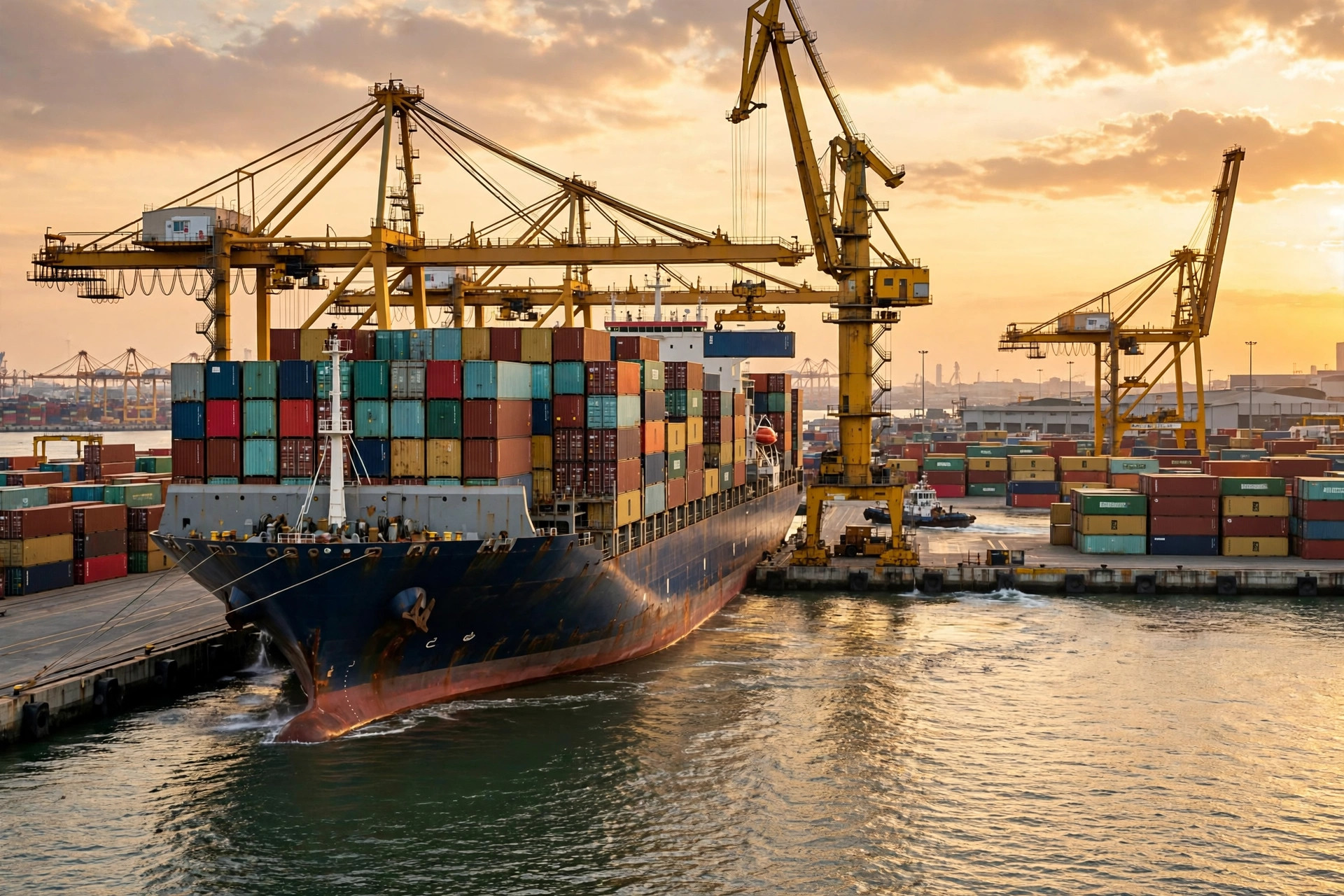
- Self-ship (cross-border direct): ship from China or a US warehouse straight to Chile. Zero inventory pressure, but 15–25 day transit, and returns are effectively write-offs.
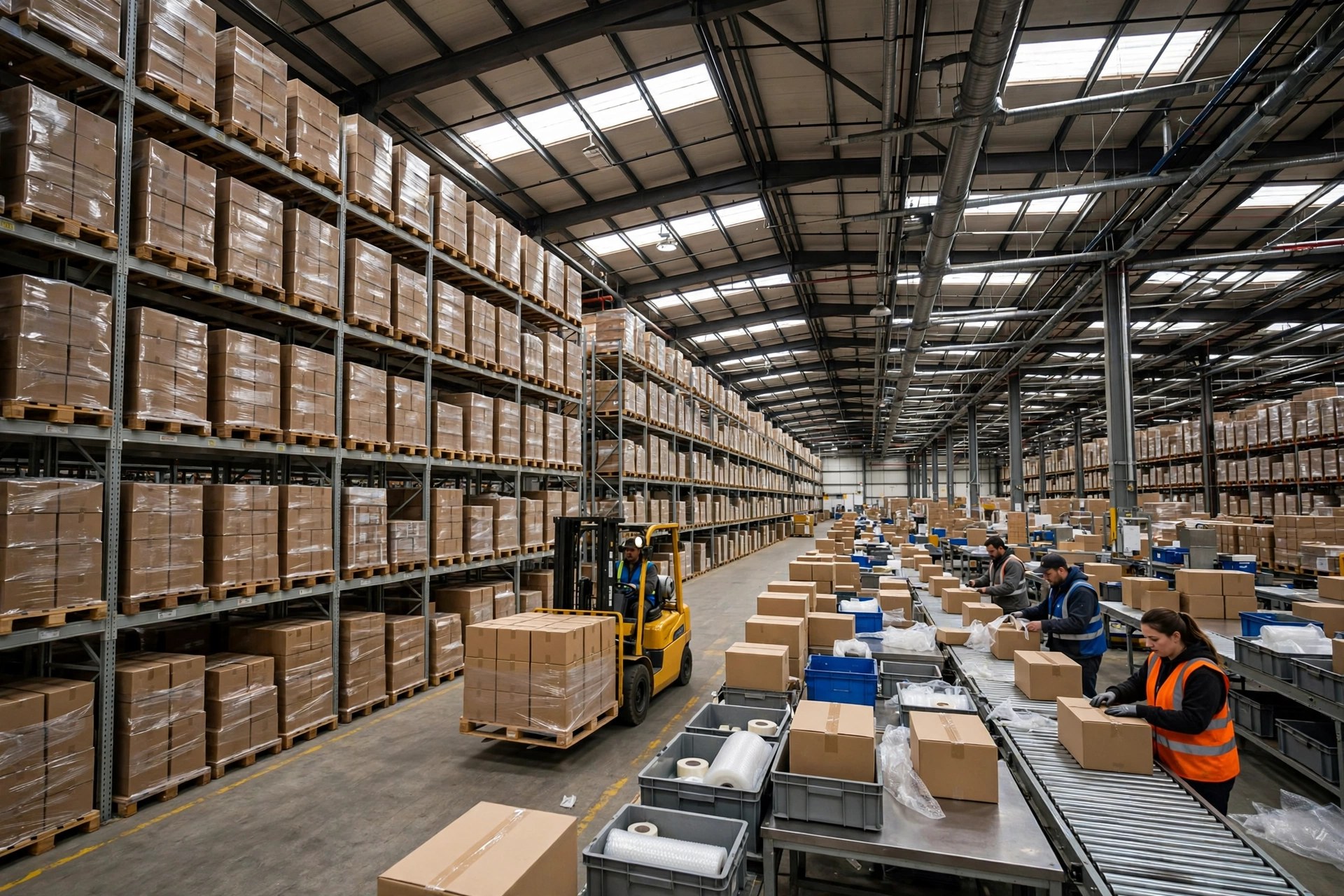
- Local warehouse: stock in a Chilean warehouse first (your own or 3PL). Transit drops to 3–7 days and conversion jumps, but you're tying up inventory and cash.
Our client started with self-ship; three months of miserable conversion. Then they gritted their teeth, signed a 3PL in Santiago, stocked two months of inventory, and conversion doubled. The math: in South America, self-ship is the toe in the water; local stock is the real meal.
Fulfillment Reality: Three Numbers
Number one: 15 days. Chilean customs inspects a meaningful share of cross-border parcels; 10–15 days stuck in clearance is normal. Documentation (invoice, product name, material) must be clean. One wrong product description and the whole shipment is held.
Number two: 19%. Chile's VAT (IVA) is 19%, due at import. Build it into pricing from day one; plenty of new sellers price first and discover they've worked for free.
Number three: 30 days. Falabella's payout cycle runs two to four weeks per current platform policy. Model cash flow at 30 days, not 7.
Commission rates, fee schedules, and payout terms change; verify everything against the platform's current published policy before you commit.
Returns: The Most Painful Part of LatAm E-commerce
Honestly, returns in South America are just expensive. Domestic Chilean returns cost 1.5–2x the outbound leg; for cross-border direct, return shipping routinely exceeds the item's value.
Our client's fix: local warehouse + a return threshold. Below a certain order value, refund without return; the math beats receiving, inspecting, and restocking. Only high-value items ride the reverse leg back. Every category should test its own threshold rather than guessing.
Three Questions Before You List
One: is my category open to cross-border sellers, and do I need a local entity?
Two: what's the commission and transit gap between platform logistics and self-ship? (Check current policy.)
Three: where do returns go, and who pays?
Get straight answers to those three, and you've tested the water at Falabella. South America isn't easy, which is exactly why the sellers who crack it eat well.
By Susan, 3PL Sales Director