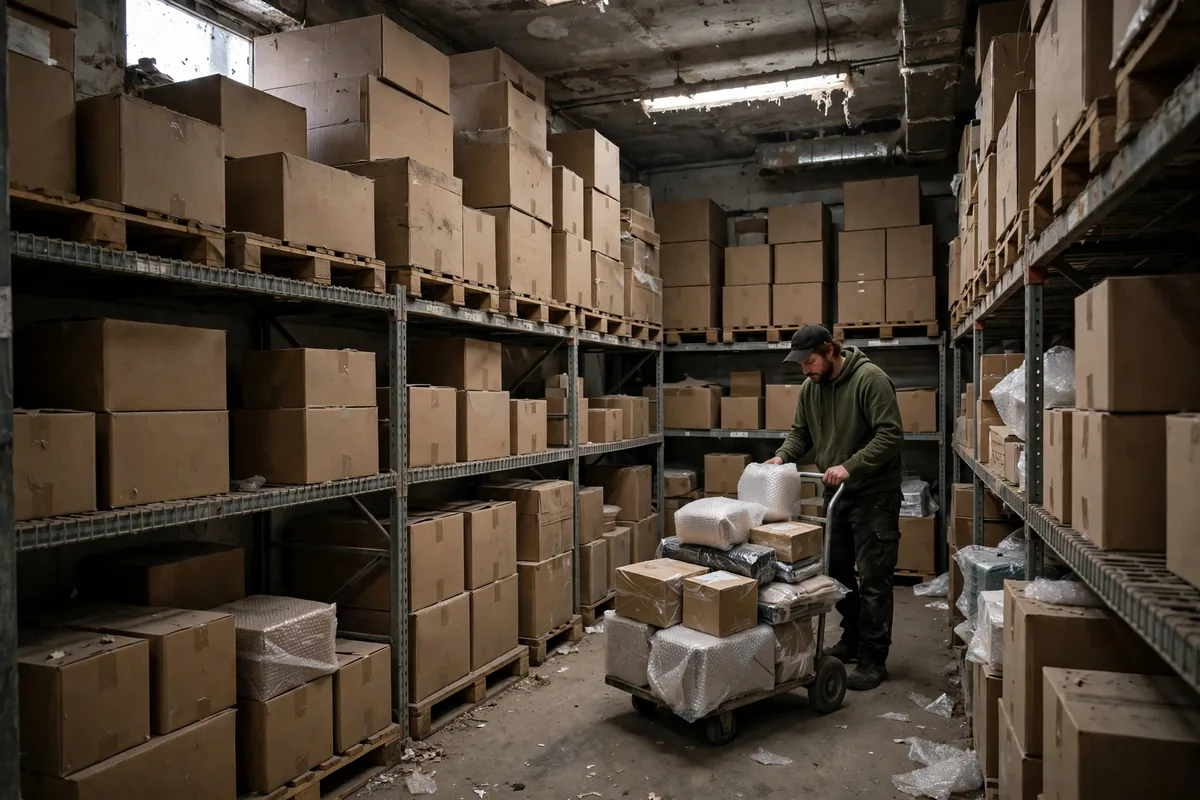
A small warehouse cannot afford to store regrets, and that is exactly what a weak dead stock disposal warehouse routine forces you to do. Big operators can hide a dead aisle behind scale. I run about three thousand square feet. When a hundred-odd cartons sit unsold in the back corner, they are not background noise. They are rent, they are blocked picking space, and they are cash I cannot use to buy products that actually move.
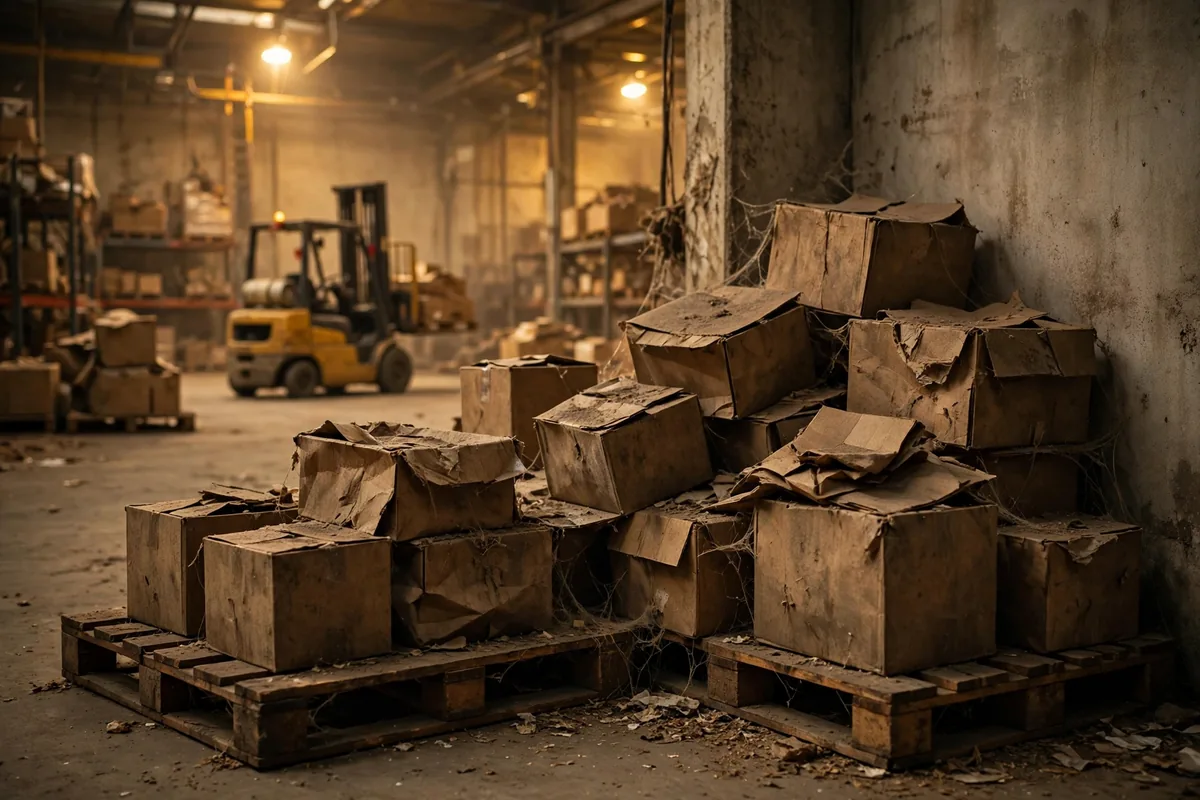
Here is my embarrassment, with numbers stated as my case only. In the winter of 2023 I bought deep on a holiday storage line because the unit price looked great. I told myself it would keep selling into January. It did not. The cartons sat in Zone C through spring while I kept saying I would promote them next month. By the summer of 2024, when I finally added up the occupied space cost and the cost of the tied-up cash, the holding bill was closing in on the value of the goods themselves. That is the small warehouse trap: dead stock does not scream. It just quietly bills you every month.
Grade Before You Discount: The First Step in Any Dead Stock Disposal Warehouse Plan
The rookie move is to slap one big discount on everything slow and call it clearance. That buries good stock with bad. My cheap, reliable method is to pull the full aged list and grade every SKU into four buckets before anyone talks price.
Grade one is still sellable. The product is fine, it is just seasonal, poorly listed, or in tired packaging. Give it one honest selling chance before you slash it. Grade two is refurbishable. Light damage, missing inserts, or decent customer returns that need a new box or a spare part before they can go back on the shelf. Grade three is clearance only. The style is dated or a newer model replaced it, but the item still works. Your job now is recovery, not pride. Grade four is destroy or recycle only. Expired, damaged, or safety and compliance risk stock lives here. Do not negotiate with this bucket. Keeping it is the expensive option.
I grade with two people, one calling condition and one writing it down, so nobody grades on vibes. In the autumn of 2024 we were grading small appliance accessories and had dumped a batch straight into clearance. Our part-time picker asked whether a fresh outer box would let us use them as bundle gifts instead. That one question moved that batch from pennies-on-the-dollar clearance into bundled sales. Half a day of careful grading saved real money.
Here is the counterintuitive bit. Dead does not always mean worthless. Sometimes the product is fine and your channel or offer is wrong. Before you discount everything, ask whether the stock failed or your way of selling it failed. If you cannot tell the difference, your clearance sale is just an expensive confession.
Four Exits, One Table: Which Dead Stock Disposal Warehouse Route Loses Least?
Once graded, match each bucket to an exit and do the math in the open. The figures below are a framework, not universal rates. Plug in your own product value, labor, freight, and rent.
| Exit | Best for | Main costs | Recovery profile | Watch out for |
|---|---|---|---|---|
| Promo and bundling | Still sellable, refurbishable | Margin give-up, bundling labor | Highest recovery, can lift hero SKUs | Do not wreck your normal price ladder |
| Wholesale clearance | Clearance only | Deep batch discount, time to find a buyer | Fast one-time cash, low unit price | Vet the buyer, protect payment |
| Donation or recycling | Clearance tails, light damage | Haulage and handover labor | Near-zero cash, saves rent fast | Keep full paperwork, tax treatment varies |
| Destruction | Destroy-only grade | Compliant disposal fees | No recovery, pure loss-cutting | Document everything, follow local rules |
Exit one, promo and bundling, always goes first. We broke down those slow storage boxes and bundled them with a fast-selling laundry organizer. The bundle price per unit looked lower, but basket size rose and most of the pile cleared within two months. For a small warehouse this is the best math there is: you borrow traffic from a winner instead of buying new traffic.
Exit two, wholesale clearance, is about speed. In the autumn of 2024 I sold a batch of off-season outdoor accessories in one lot to a wholesale buyer. The unit price hurt to look at. The cash came back in days, two rack bays freed up immediately, and the replacement fast movers earned more in the following two months than the extra pennies I might have squeezed from slow retail. Clearance is not a unit-price contest. It is a cash and space velocity contest.
Exit three, donation or recycling, gives low-value tails a clean exit. If it will not sell for more than the rent it is burning, moving it out for free can still be profit once you count saved space. One caution on tax: how donations are treated differs by place and situation, so do not rely on a blog post, including this one. Follow the latest local tax rules that apply to you and keep every donation receipt and handover record. You cannot recreate that paper trail later.
Exit four, destruction, is the one nobody enjoys and everybody delays. Expired or risky stock gets more dangerous and more expensive the longer it sits. Use a compliant disposal route, photograph the process, and file the certificates. Never quietly mix problem stock into a clearance lot to make it someone else's headache. That saves pennies and buys real trouble.
My decision order fits on a sticky note. First, holding cost: what will three more months of rent and tied-up cash cost? Second, net recovery per exit: sale price minus labor, freight, and disposal. If net recovery is negative and holding cost keeps climbing, donate, recycle, or destroy now and stop waiting for a miracle buyer.
Stop Making the Next Pile While You Clear This One
Clearing is not the finish line. If your buying habits stay the same, you will host the same sale again next year. I keep three deliberately unglamorous rules now. First, at receiving, ask how this product exits if it flops. If nobody can answer, I automatically halve the order. Second, seasonal and trend buys start as small test orders. Reorder winners, do not pre-buy your own hype. That holiday storage pile was a greed-quantity mistake, and I own it. Third, I spend half a day every month on the aging report. Anything untouched for ninety days goes on a watch list. Anything past one hundred eighty days needs a written disposal decision. No more next-month promises.
One more tiny habit helps more than it should. Every new product gets a review date in the system. When the date hits, someone looks at sell-through whether the launch felt good or not. Most dead stock is born in those unreviewed months when everyone is busy shipping the winners.
A solid dead stock disposal warehouse routine is not shameful. Every buyer misreads a product sometimes. The shameful version is watching rent burn and pretending the pile is an asset. Grade early, price the exits honestly, move fast, and the freed racks become your next good buy.
Small warehouses survive by keeping every bay earning its keep.
By Xiao Ma, Small Warehouse Owner