We had a client — bathroom hardware, first time shipping to South America — who sent a 40-footer into the Port of Cartagena. The shipper told him, "biggest Caribbean port in Colombia, it'll be efficient." The container sat in the port for 11 days: customs, pickup appointments, drayage queues — every link in the chain missed. By the time the goods reached his distributor in Bogota, he was three full weeks late, and the selling season was nearly over. The client called me to walk through the bill: demurrage, storage, expedited trucking — enough to have shipped another container.
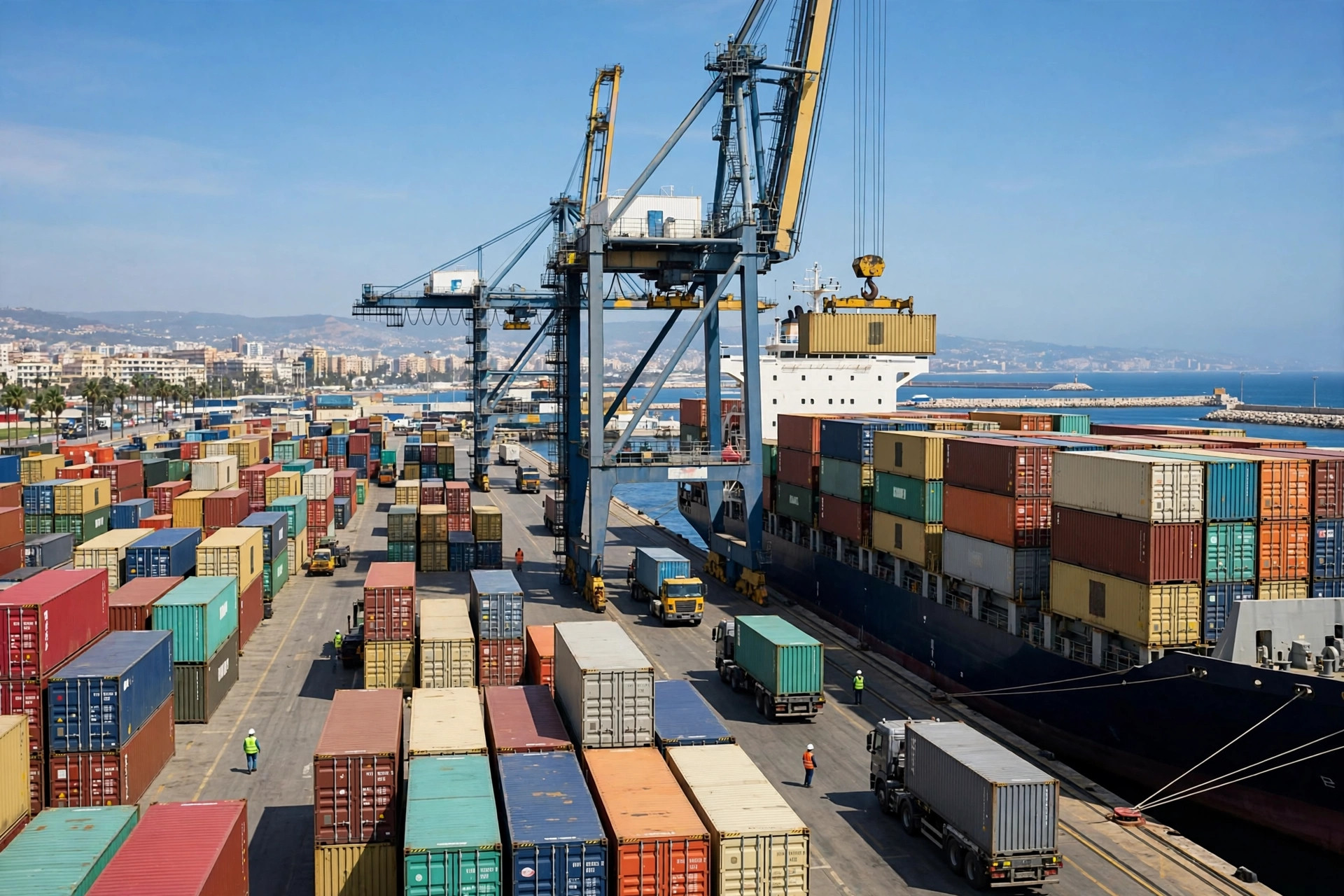
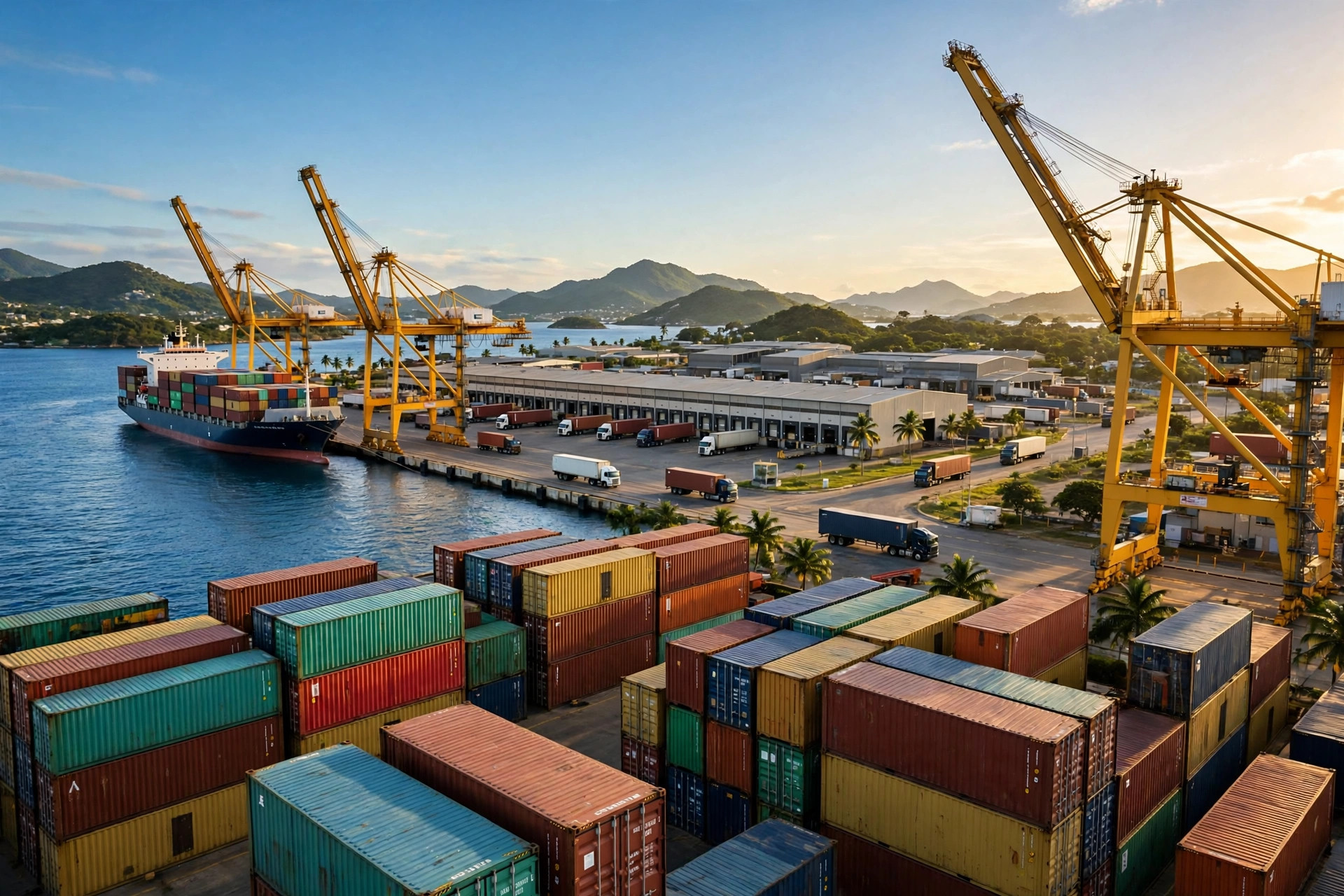
Let me set the scale first. Cartagena is the largest container port on Colombia's Caribbean coast and one of the most important transshipment hubs in the entire Caribbean. Public reports put its transshipment share at roughly seventy percent — out of ten boxes, seven are just passing through, and only three actually enter Colombia. Big names like Pirelli and Bayer put their regional distribution centers in Cartagena precisely because of that "passing through" value.
After Your Cargo Lands in Cartagena, Don't Rent a Warehouse First
Most shippers think in straight lines: cargo lands here, so I rent warehouse space here. In Cartagena, you have to answer a different question first — where is this cargo actually going?
Out of Cartagena, your freight has three paths:
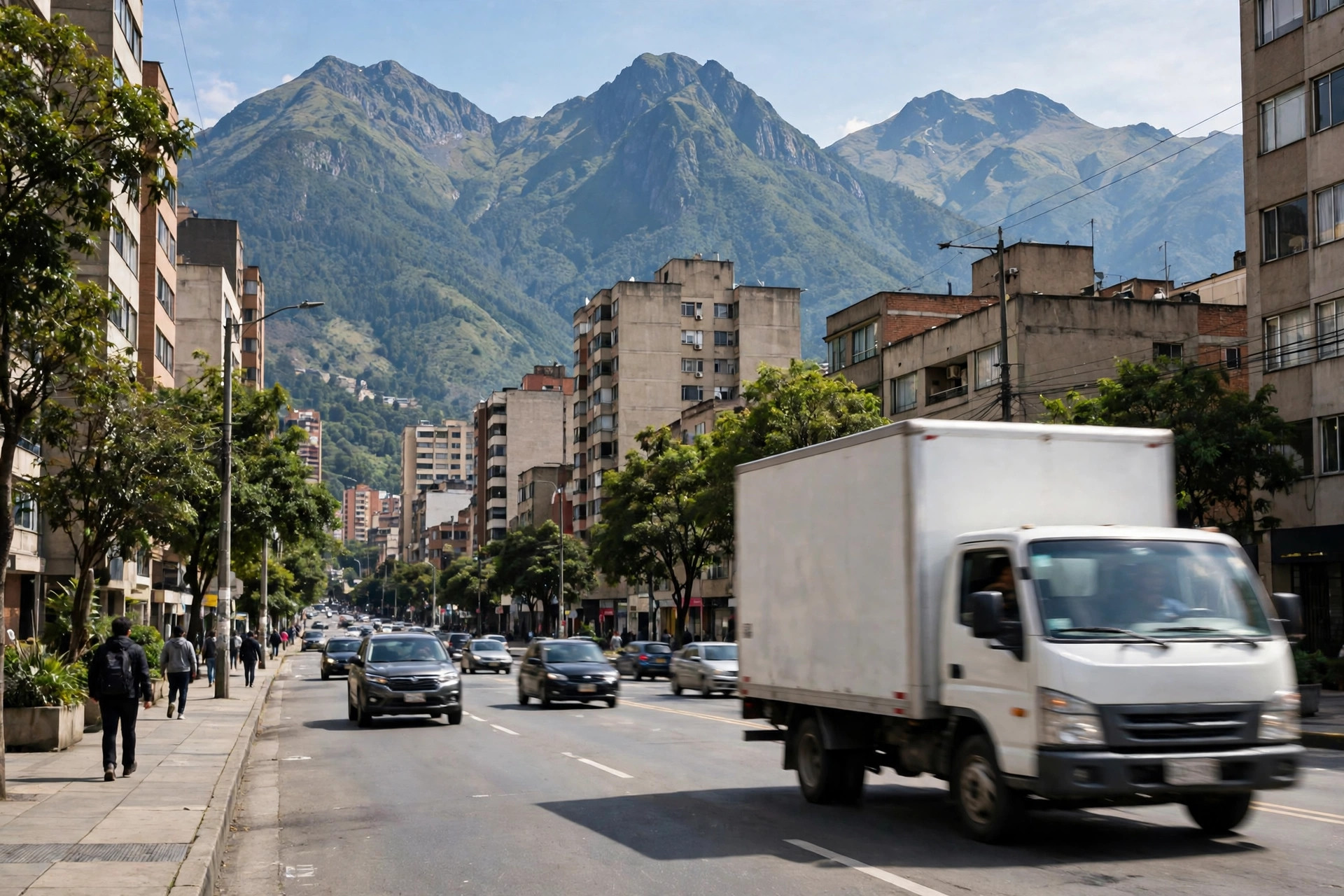
First, clear customs and go inland by truck to consumption centers like Bogota and Medellin. Cartagena to Bogota is over a thousand kilometers of mountain highway across the Andes — discount your transit time and your damage assumptions accordingly.
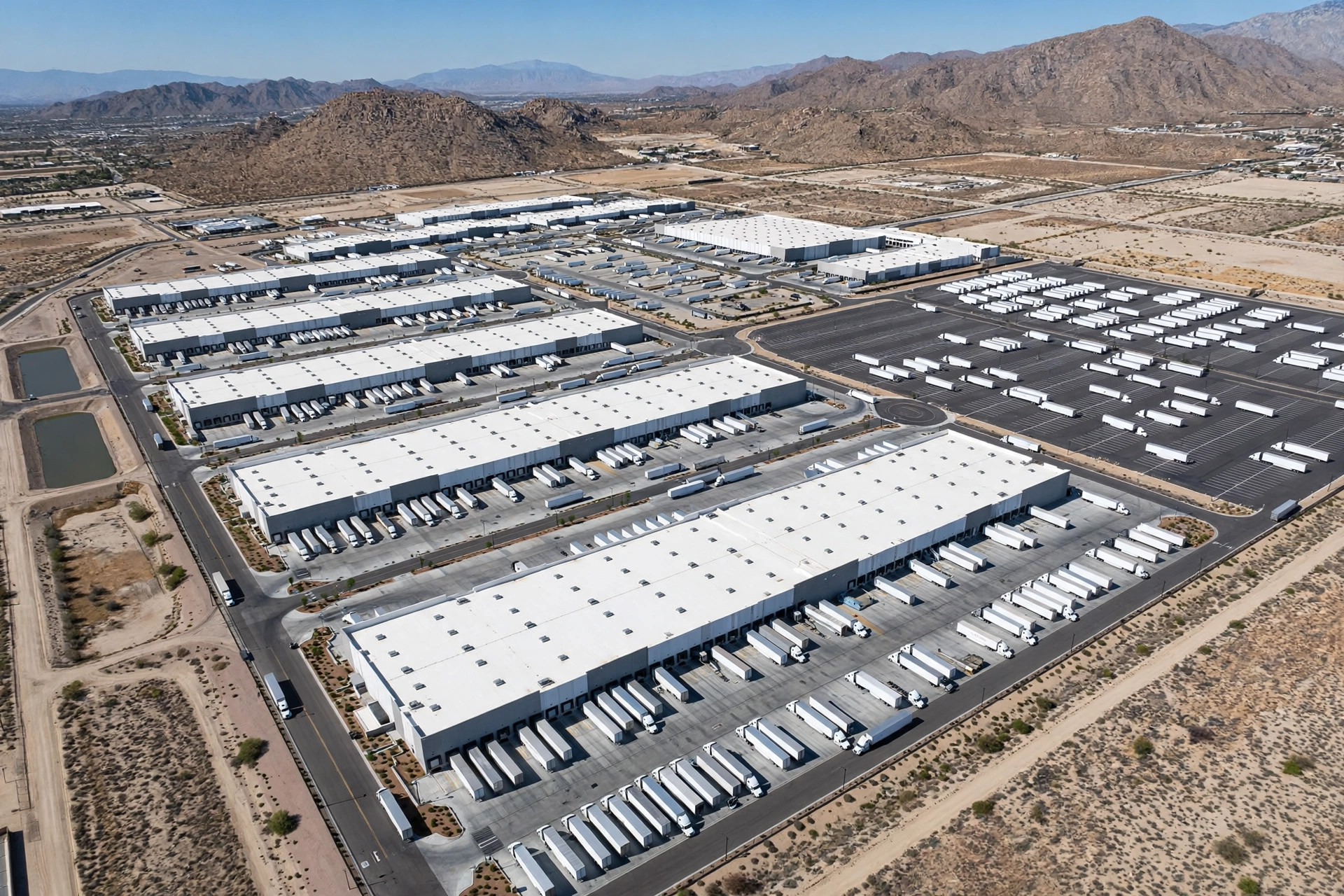
Second, move into a Zona Franca bonded warehouse near the port: store first, clear customs in batches, distribute in batches. This fits multi-SKU freight with irregular arrival rhythms.
Third, never clear customs at all — transship straight on to Panama, Venezuela, or the Caribbean islands. Cartagena's seventy-percent transshipment volume exists for exactly this path.
Our bathroom-hardware client never thought twice and picked path one: full container cleared, full container trucked out. The problem was 300+ SKUs, two dozen product categories in one box. Customs pulled it for inspection — unstuffing, classification, photos — and eleven days evaporated. Had he picked path two — bonded warehouse first, clear by SKU, rush SKUs first — he'd never have missed the season.
So the first calculation isn't warehouse rent. It's your customs strategy. Pick the wrong path and everything after is damage control.
Mamonal vs. the Port-Side Cluster: The Cartagena Warehouse Location Math
Cartagena's warehouse clusters orbit two areas: the Mamonal industrial zone and the logistics parks hugging the port.
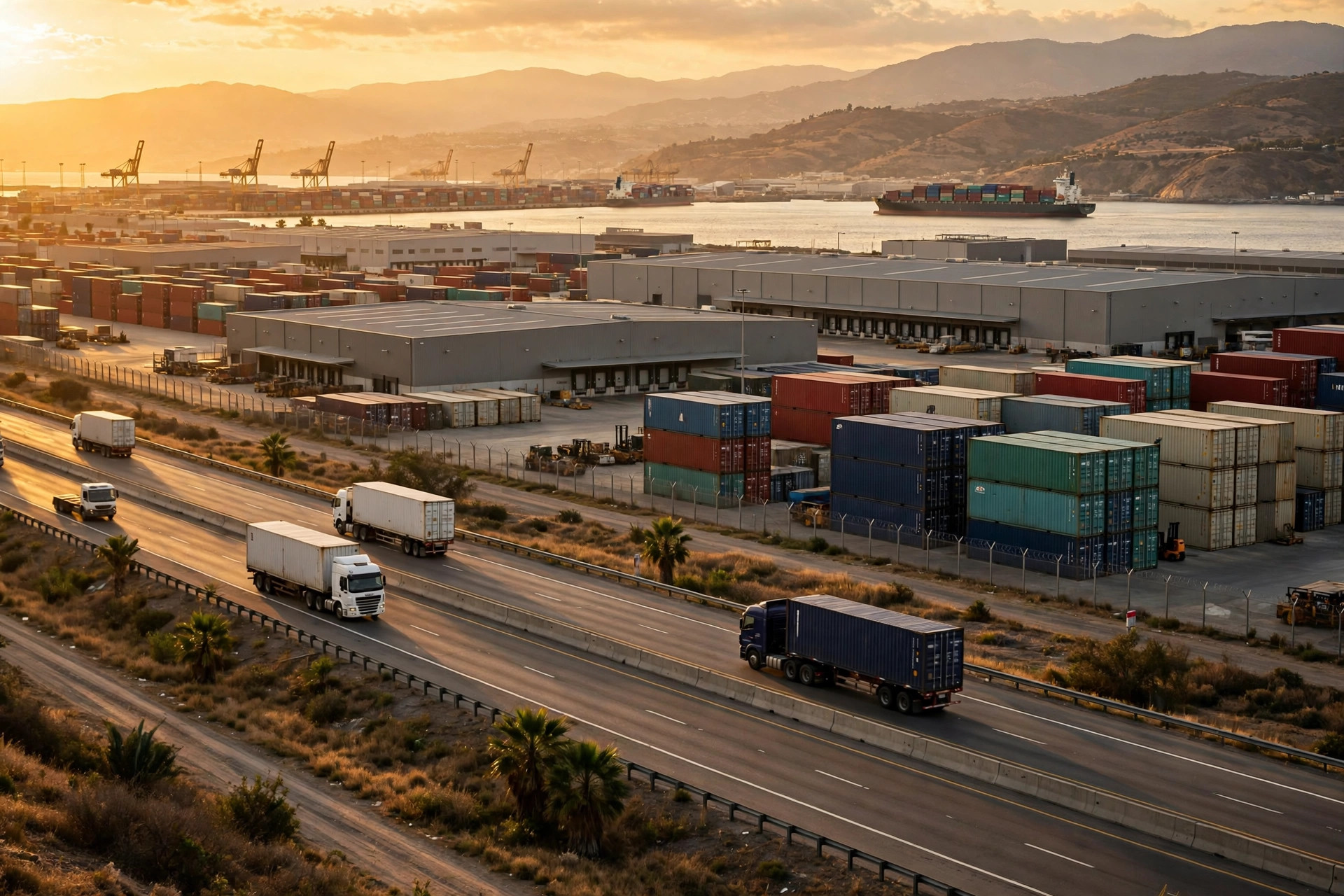
Mamonal is the established industrial zone — big tenants, mature infrastructure, plenty of 3PL options, relatively transparent pricing. The downside is distance from the port: an extra drayage leg, and urgent orders respond half a beat slower. Port-side warehouses are genuinely close — a box can be inside within hours of discharge — but rents are high, space is tight, and peak season is a knife fight.
Here's the comparison table I usually draw for clients:
| Factor | Mamonal Industrial Zone | Port-Side Logistics Parks |
|---|---|---|
| Distance to port | Extra drayage leg | Box in warehouse within hours |
| Rent level | Transparent, more choice | Expensive, tight in peak season |
| Best for | Domestic sales, batch clearance | Urgent orders, transshipment, fast turn |
| Ecosystem | Big tenants, full service providers | Port-oriented services |
| Risk | Slower urgent response | Capacity fights, hard bargaining |
And here's the counterintuitive call: a port-side warehouse isn't valuable because it's cheap — it's valuable because it deletes the inland leg. Plenty of shippers compare port-side rent against Bogota rent, conclude the port is expensive, and truck everything inland. But a thousand-plus kilometers of mountain highway — drayage cost, transit-time loss, damage risk — usually costs more than the rent spread. Our rule of thumb: spread the inland drayage cost across each pallet, then compare against port-side rent. Seven or eight times out of ten, the port-side warehouse wins.
Another client of ours, in auto parts, plays it even more aggressively: freight comes from Asia into Cartagena, gets deconsolidated and re-stuffed in a Zona Franca warehouse — part cleared into Colombia, part transshipped straight to Panama and the Dominican Republic. He did the math: the transshipment handling cost per unit beats shipping direct from Asia to Panama and the Dominican separately by over twenty percent. That's "borrowing Colombia" instead of "entering Colombia" — and in a port where seventy percent of boxes are transshipment, the biggest warehousing opportunity is often in re-export, not import.
The All-In Cost Breakdown: Where Clearance, Unstuffing, and Distribution Money Actually Goes
When you negotiate a Cartagena warehousing-and-distribution contract with a 3PL, the quote usually looks intimidating. Here's the real structure we've broken down for clients — negotiate against this and you won't get spun around:
- Port charges: the carrier's free-time window is only a few days; know the per-day overage before you sign. In peak season with inspections stacking up, free time is never enough, and overage burns money daily.
- Customs brokerage: per entry or per container — and is inspection cost included or extra? Colombia's inspection rate isn't low; ask your broker for historical inspection ratios, not verbal promises.
- Unstuffing/palletizing: hourly or per pallet — the two pricing methods diverge fast. The more mixed your SKUs, the more carefully you should ask.
- Warehousing: Zona Franca and regular warehouses are two different price lists. Ask whether insurance and handling moves are included. Some quotes show cheap rent and expensive handling — same total.
- Inland drayage: separate rates to Bogota and Medellin, with peak-season uplift locked in writing. Mountain-highway peak surcharges are routine; if it's not in writing, it's an open exposure.
- Distribution handling: per order line or per unit — and how are returns priced? Skip the returns clause and you'll cry after peak season.
The easiest items to "optimize away" in a quote are inspection and overage. The quote says "all-in clearance," then the inspection hits and the broker says "that's a customs action, extra charge" — and you have zero leverage. Uncertainty that never becomes a number is always the service provider's margin.
Next Time You're at the Table, Ask These Three Questions
Question one: "How many free days, what's the per-day overage, and what's your historical inspection ratio in peak season?" — Turn uncertainty into numbers before you talk price.
Question two: "How is unstuffing priced for a mixed-SKU container, and who pays the extra cost when customs opens the box?" — These two line items are where quotes hide the most games.
Question three: "If part of my freight sells in Colombia and part transships elsewhere, can you handle it under one operation?" — A 3PL that can answer this one truly understands the Port of Cartagena. If they can't, shelve your regional-distribution dream.
Cartagena is a top-tier port, but "cargo at port" is only the first half. How the second half — distribution — gets played decides whether you pocket the freight spread or pay tuition. Our bathroom-hardware client wised up on his second shipment this year: bonded warehouse first, batch clearance, air freight top-ups for urgent SKUs — and his total cost came in lower than last year. The fact that he hasn't called me to argue over a bill since is the best endorsement I'll get.
By Susan, 3PL Sales Director