8:00 AM. Forty paper pick slips, just handed out to my pickers. 8:20 AM. The phone rings — my biggest client: "Xiao Ma, three rush orders. They have to ship before noon, or we miss the vessel." I stare at the wave schedule taped to the wall, and my hand is shaking. Can you even recall a wave once it's released?
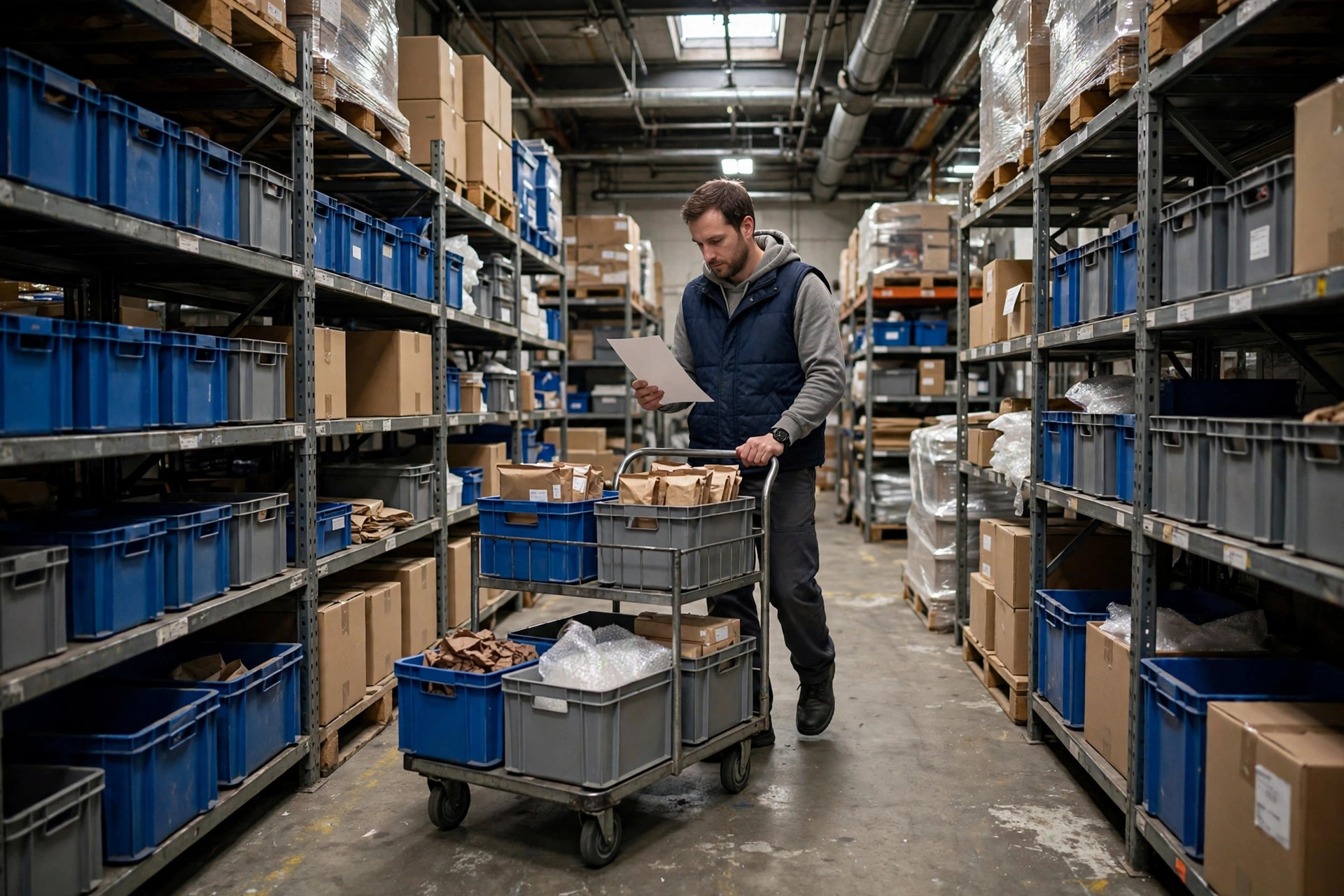
Let me set the scene first. I run a 3,000-square-meter warehouse. A WES — Wave Execution System — is something I've only heard about from friends at big operations: software that batches orders into waves automatically and assigns them to pickers. Beautiful. We can't burn that kind of money. Our "wave system" is me, one ancient printer, a stack of A4 paper, and a six-person WeChat group. Three waves a day: 8 AM, noon, 3 PM. Print the slips, sort them by bin location, shout "wave one is out" in the group chat. Done.
But don't laugh. Once a wave is released, the question of whether to recall and reschedule it hits big and small warehouses exactly the same. Today I'll share our dirt-cheap approach — and the logic behind the fancy systems, because the underlying reasoning is identical.
What a "Wave" Looks Like in My Small Warehouse
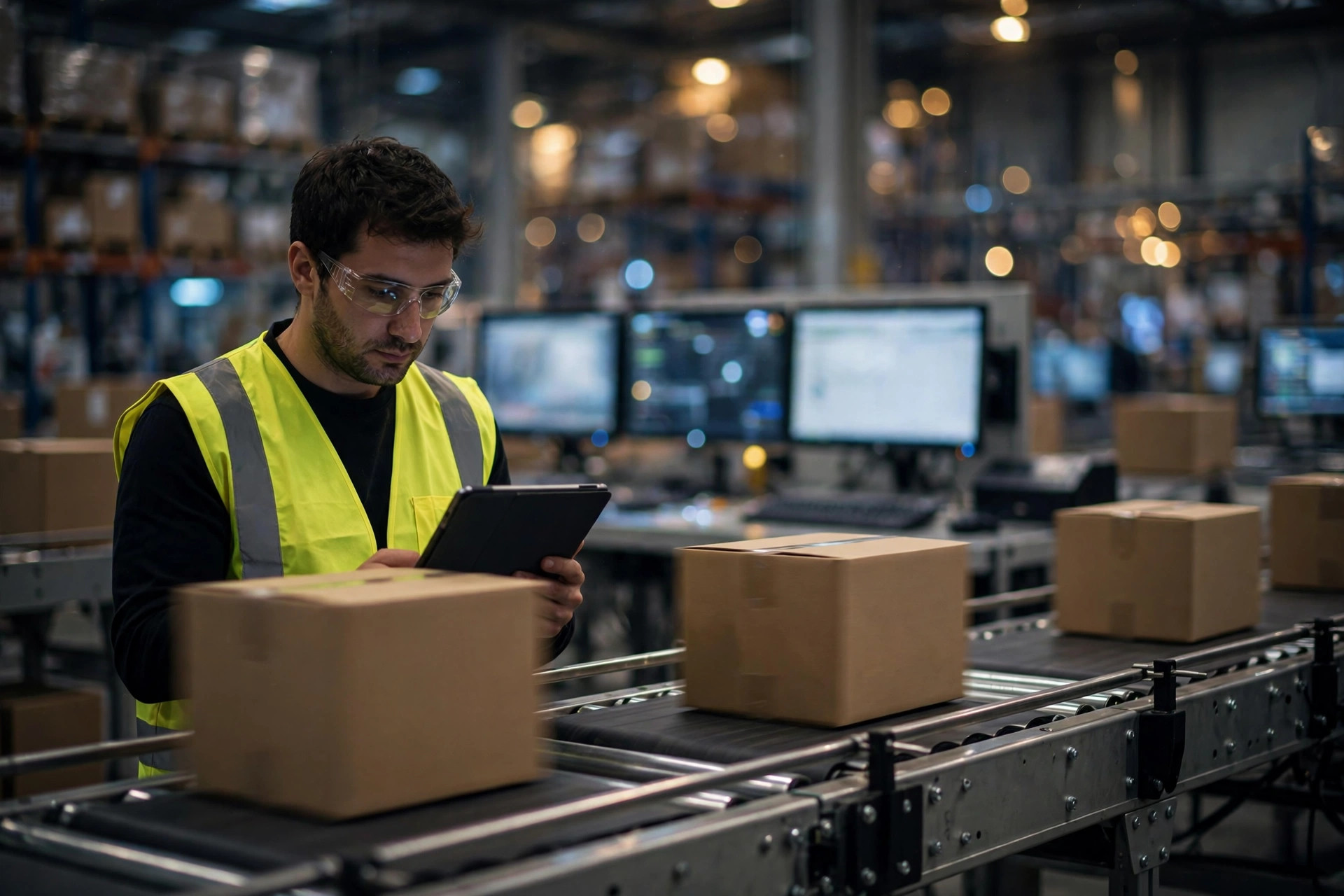
Strip away the WES branding and a wave is simple: batch orders so each picker grabs several per trip and walks fewer wasted steps. Big warehouses let software do the math. I do it in my head — every morning I eyeball the order pool and go by feel: these eight orders from one client go together, those twelve for the hot SKU make a wave. Call it "human-powered WES." Accuracy depends on how well I slept last night.
A WES builds waves around order priority, inventory availability, labor capacity, and cutoff times. My brain does the same thing — just from experience, and I own my mistakes. Last year I pulled a dumb one: I mixed three air-freight orders into a wave full of ocean-freight orders, and the air ones nearly missed their flight because the wave moved at ocean pace. Since then, orders with different cutoff times never share a wave. Ever.
So here's the thing: a WES is just a veteran's instincts written into code. We don't have the code, so we have to become the veteran ourselves.
Three Cases Where Recalling a Released Wave Is Actually Worth It
The moment paper slips land in pickers' hands, the wave is "released." Recalling it is like scooping spilled water back into the cup — possible, but every drop costs you. So I made myself a rule: only three situations justify a recall.
Case one: a genuinely urgent order jumps the queue. November 12 last year, peak season. Wave one — forty orders — went out at 8 AM. At 8:20 my biggest client called: three rush orders, ship before noon. That client accounts for a third of our throughput. Not someone you say no to. I recalled the 28 unpicked orders and rebuilt the wave: rush orders first, re-sorted by bin location, reprinted in ten minutes. The twelve already picked kept moving untouched. The rush orders shipped by 11:30, but the whole warehouse clocked out forty minutes late that day. Worth it? Absolutely. Losing that client would have cost me far more than forty minutes of overtime. Takeaway: the first legitimate reason to recall is "not recalling loses money or loses the customer."
Case two: the inventory doesn't match, and the wave is stuck. This March, eight orders in one wave all needed the same SKU. The system said 200 units; the picker got to the bin and found 120. The entire wave froze, six people standing around. Don't hesitate here: recall and reschedule. Push the short orders to the next wave, pick what's pickable now. Refusing to recall out of pride just means six people scrolling their phones on your dime. This kind of recall isn't about optimization — it's about keeping the line moving.
Case three: labor suddenly falls short. Say the landlord calls about a burst pipe (true story), or two people call in sick, and four people are doing six people's work. The wave was sized for six. Four can't eat it. Recall, reschedule, shrink the waves, stretch the timeline, call the clients who need a heads-up. Pretending everything is fine and running the original plan just produces mispicks and shorts — and the after-sales cost dwarfs the rescheduling cost.
Recalling Is Easy. Cleaning Up the Mess Isn't.
The recall itself is trivial — big warehouses click a few times in the WES; we collect the paper slips and shout "wave one is void" in the group chat. The mess afterward is the real problem.
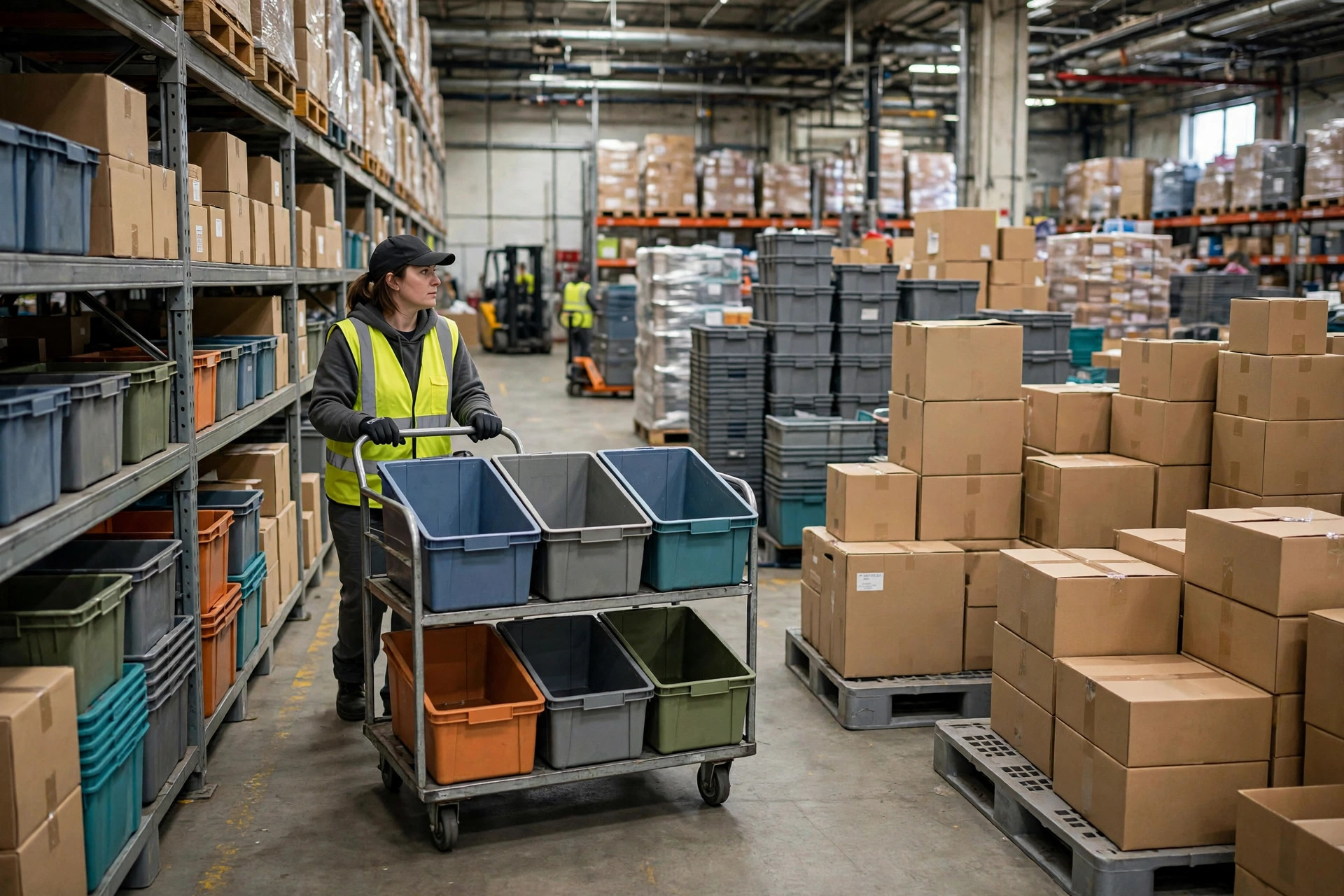
The biggest trap: what happens to the goods already picked? Fast pickers can clear half a small wave in twenty minutes. That merchandise is already off the shelves — some boxed, some labeled. A recall orphans it: put it back and you need a careful put-away (easy to mis-slot); leave it and it clogs the packing area, where the next wave's crew might grab it by mistake. Our rule now: if more than half the wave is picked, we don't recall. We spin up a small extra wave for the urgent orders instead. Below half, the picked goods go back — and I personally supervise the put-back. Nobody "casually" re-slots on their own.
The second trap is time. A recall-and-rebuild takes me ten to fifteen minutes even now: collect slips, rebuild, print, redistribute. For those fifteen minutes, the pickers stand idle. Recall twice in one day and the crew starts wondering whether the boss can plan at all. Recalling has a credit limit: once a day.
The third trap is the sneakiest: a recall scrambles your ABC rhythm. Our bins are slotted ABC-style, hot SKUs up front. A hastily rebuilt wave that isn't re-sorted by location sends pickers on longer walks. An extra kilometer or two per person per day compounds into real efficiency loss over a month. So rescheduling isn't just jamming orders in — you have to re-sequence by bin location all over again.
Three Questions Before You Reschedule
After getting burned enough times, I distilled a "three-question" framework. Before recalling any wave, answer all three:
Question one: how urgent is this, really? If we don't recall, do we lose a client, pay penalties, or just feel "a bit annoyed"? Only the first two justify it. "A bit annoyed" can wait. And half of all so-called rush orders are sales reps crying wolf — call and confirm the actual cutoff time first. Three times out of ten it's a false alarm.
Question two: how much is already picked? Past the halfway mark, don't bother. The disruption now costs more than the reschedule gains — spin a small separate wave for the urgent orders, or promise the client priority in the next wave. Remember one number: half. Simple, memorable, no calculator needed in a crisis.
Question three: is there a way to avoid the recall? Single-pick the urgent order (one person, ten minutes — why mobilize the whole warehouse?), negotiate half a day's delay with the client, or give it first priority in tomorrow's wave one. A recall is a nuclear option. Don't reach for it if you don't have to.
Now the counterintuitive part: small warehouses can actually afford recalls better than big ones. In a big operation, recalling a wave inside a WES is a system-level event — task rollback, inventory unfreeze, re-dispatch, and IT wants an audit log. In my warehouse? Shout across the floor, reprint the slips, five minutes. The heavier the system, the harder the U-turn. Our boat is small, so it turns fast. That's our one and only "technical advantage" — use it well.
But flip it around: frequent recalls are a symptom of broken planning. My red line: more than two recalls in a week means my waves are too big and too rigid. And the fix isn't "recall faster" — it's cutting waves smaller and releasing more often. We went from three waves a day to five smaller ones. Smaller waves mean recalls are naturally cheap, and when a rush order lands you just add a wave instead of recalling one. "Small steps, fast cadence" beats "big strides" — which, funny enough, is exactly what WES vendors mean by high-frequency small-wave release. The dirt-cheap method and the expensive software converged on the same insight.
So don't assume WES wave scheduling is someone else's game. The craft has three parts: plan with your eyes open, recall with the math done, and when you get it wrong, review and re-cut. Software just automates those three things.
Small warehouses have their own way of surviving. Try it tomorrow: cut your wave size down a notch, and see whether you even need to recall the next time a rush order hits.
By Xiao Ma, Small Warehouse Owner