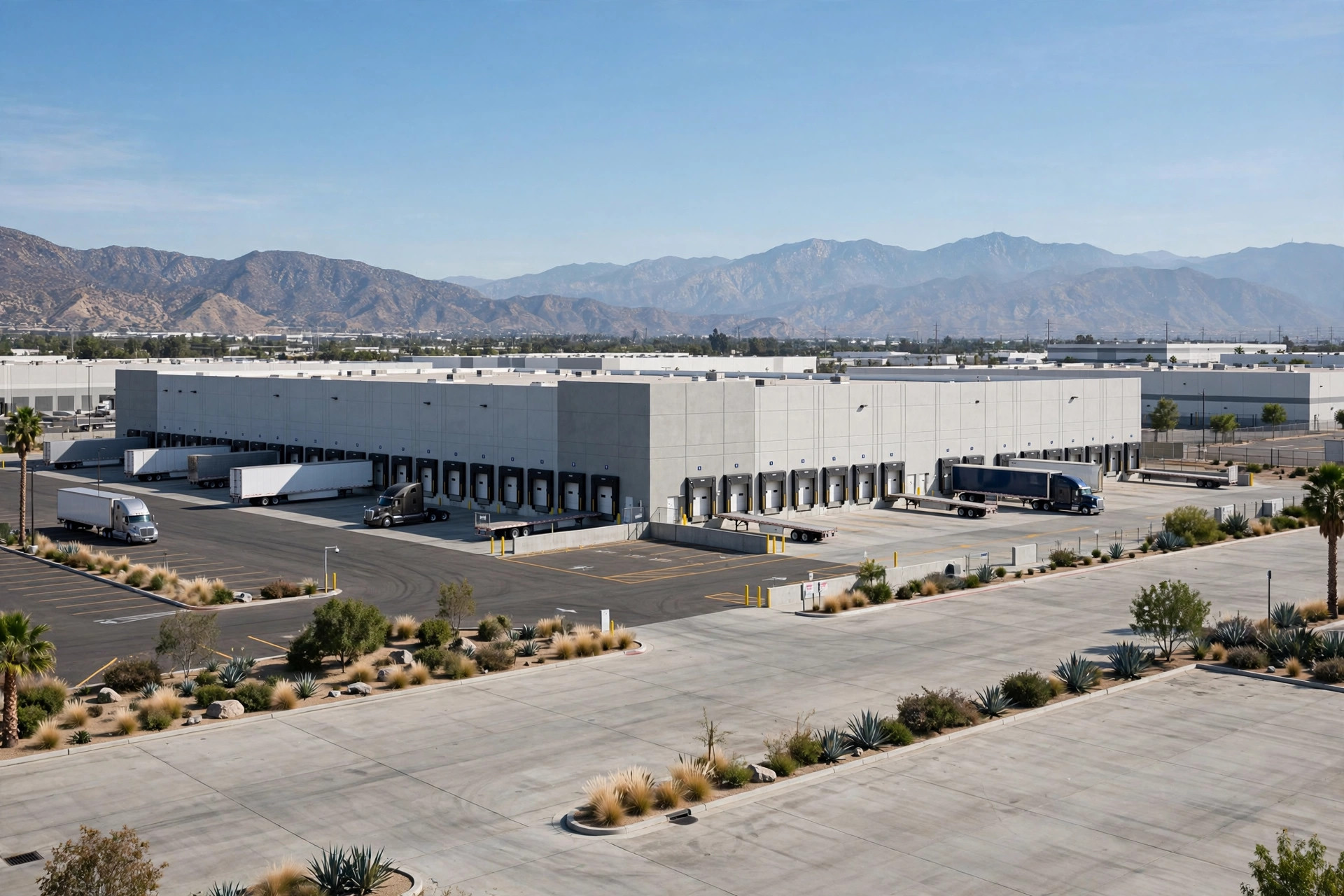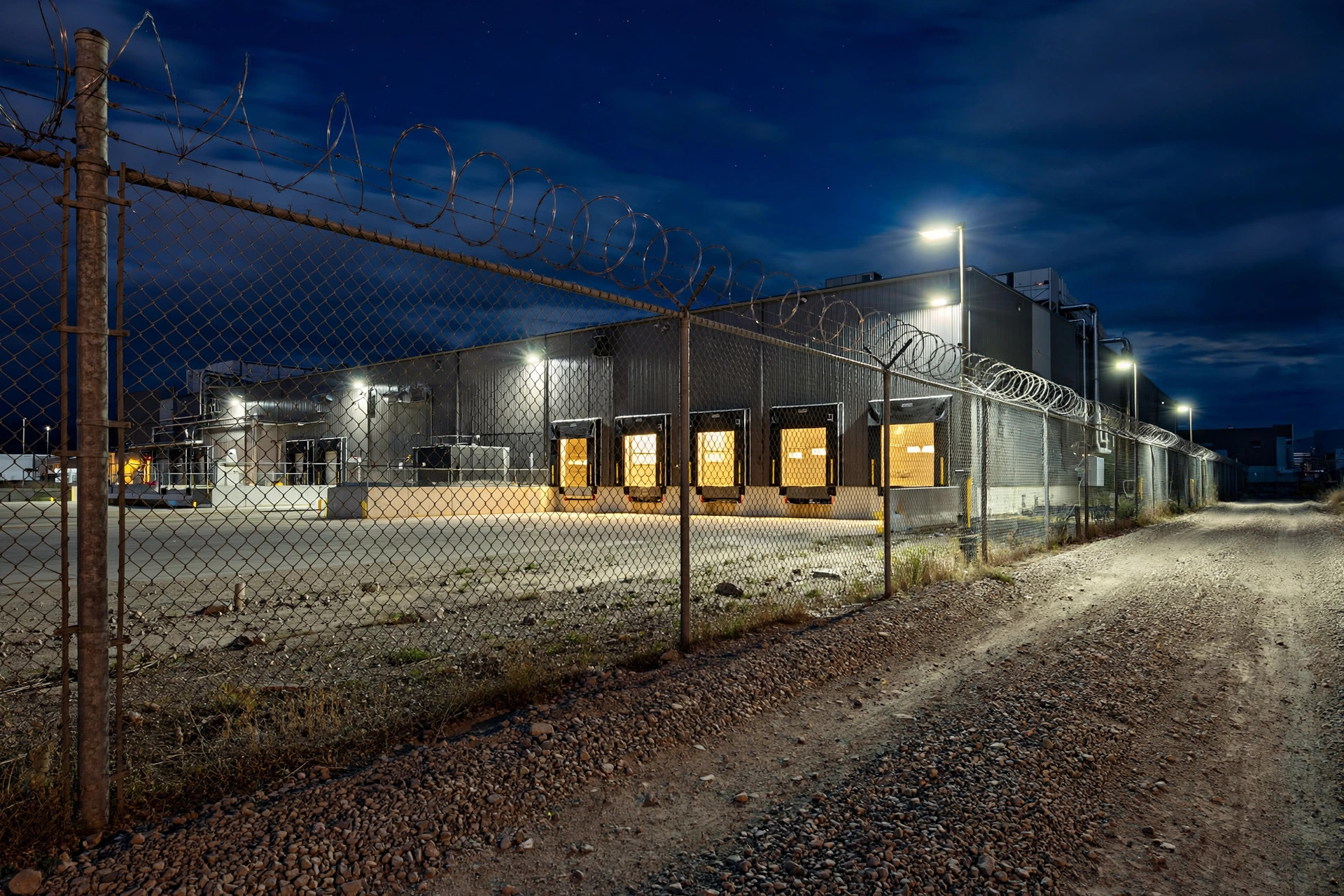
3:12 a.m. The radio crackled — and after this many years in warehousing, I can tell a real perimeter security alarm from a false one just by the sound.
"Boss, west fence. Beam alarm. Zone 3."
I didn't even get my shoes on right. Grabbed the flashlight and ran. Xiao Ma, our night guard, was already there, light on the chain-link — cut open, a hole big enough to crawl through. Two shadows, halfway over. Then every floodlight on that wall snapped on. They turned and ran. Xiao Ma chased them twenty meters. Didn't catch them.
I'll be honest with you. My back was soaked that night. Not from running. From what could have happened.
That was August 2023, at a warehouse we leased in an industrial park. Six cartons of small appliances gone that night. I won't tell you the value. Let's just say it hurt for half a month. And here's what really burned me: the beam alarm went off. Somebody was in the monitoring room. He glanced at the screen and said, "Probably a cat." Never went out.
Listen. Outside theft isn't something you fix with a memo about "strengthening management." Inside theft, you can check attendance records, check permissions. Outside theft is someone from out there. He watches you for a few days. He finds your weakest spot and hits it. That night it was the west corner — a floodlight that had been dead for half a month, nobody reported it, the shortest stretch of fence on the whole site. They climbed over using a dirt pile next to it.
The shrinkage numbers kept pointing at the fence
After that night I did something old-school. I pulled a year's worth of unexplained shrinkage and went through every line. Sat there for a long time when I finished. Seven, eight cases. None of them looked like inside jobs. All in the second half of the night. All small, high-value stuff: earbuds, razors, small appliances. Somebody coming in from outside. Grab and go. Never greedy.
I did the math for the boss. I'll be straight with you — bosses don't listen to lectures, they listen to numbers. I said: add up a year of this "unexplained loss" and it would pay for two electric fence systems around the whole perimeter, with change. He approved it on the spot.
But getting there — we took the long way. Here's the short version.
Phase one: the cheap way. September 2023. We rolled concertina wire along the shortest stretch of wall, welded shut the cut openings, replaced every dead floodlight. Cheapest option — a few thousand yuan a year in upkeep, order of magnitude. Did it work? Some. Razor wire stops the opportunist. It doesn't stop the guy who cased the place — give him bolt cutters and every fence is the same fence.
Phase two: the standard setup. After the 2024 Lunar New Year, we put in infrared beams. One pair every 80 to 100 meters along the wall, four-beam units, wired into an alarm panel. Beam breaks, the two nearest cameras swing over automatically, the monitoring screen pops up, and every night-shift phone gets a push alert. That whole set ran in the tens of thousands of yuan.
Phase three: the serious setup. We have a client doing high-value consumer electronics. Their contract has security requirements, so their dedicated zone got a pulsed electric fence on that wall — touch it once, you get a high-voltage pulse warning; touch it again, alarm. That's six figures and up. But the client noticed. They mentioned it at renewal.
Here's the three-tier breakdown:
| Tier | Setup | Cost, order of magnitude | Who it's for | | Cheap | Concertina wire + weld the weak spots + light up the whole perimeter | A few thousand yuan/year | Small warehouses, tight budgets | | Standard | Infrared beams + camera linkage + phone push alerts | Tens of thousands of yuan for the set | Most 3PL warehouses | | Serious | Pulsed electric fence + zoned arming + alarm panel | Six figures and up | High-value goods, customs-bonded warehouses |
False alarms nearly killed the whole thing
Real talk: installing the equipment is the easy part. The first two months with the beams, false alarms nearly drove the guards insane. Wind blew a plastic bag through — alarm. A stray cat jumped over — alarm. Heavy rain — alarm. Worst night, a dozen-plus alarms. The crew went from "respond immediately" to "let's take a look first."
How we fixed it. Three moves. First, zoning. Split the whole wall into six zones by corners and gates. The alarm reports the zone now. Guards know where to run instead of circling the entire site. Second, sensitivity. The factory default is maximum sensitivity. We changed the trigger from "instant block" to "blocked for 2+ seconds." A cat jumping through — one flash — gets filtered out. Third, clear one meter inside the fence. Weeds, stacked pallets, all moved. Half the false alarms were that stuff swaying.
After tuning: from a dozen-plus a night down to one or two a week.
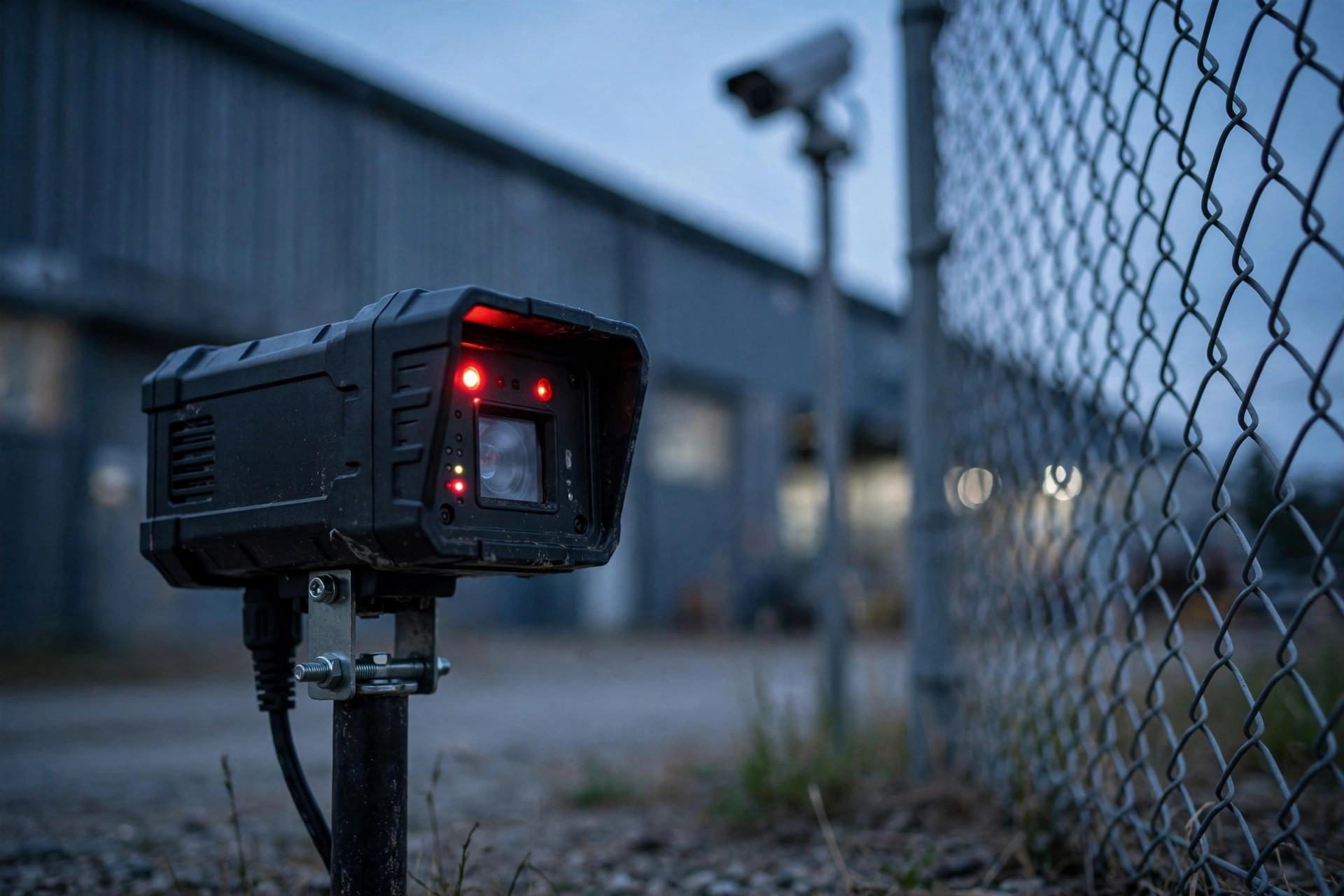
What we do now: patrols and response
Equipment is dead. People are alive. Here's exactly what our warehouse does now. It's in the night-shift SOP:
First, walk the wall every 2 hours. Not "when you get a chance" — it's on the shift schedule: midnight, 2 a.m., 4 a.m., no exceptions. Seven check-in points along the wall. The guard taps the phone on the NFC tag, and a photo goes to the work group chat. When an old hand trains a new guy, lesson one is walking that wall — which stretch is shortest, which corner is darkest, which section got patched. All of it, pointed out on foot.
Second, tiered alarm response. Beam alarm: on scene within 3 minutes. Hard metric. It's in the guards' performance review. Get there, photograph first, check the fence for damage, report in the group: "Zone 3 clear" or "Zone 3 fence cut, handled." Same zone false-alarms two nights in a row, the day-shift electrician goes out to tune it, and it gets called out at the morning meeting.
Third, link it with access control and cameras. Gates — main and side — I scan the access logs every morning: any abnormal openings in the second half of the night? And here's my honest take on cameras: I don't expect them to prevent anything. I expect them to keep evidence. When something really happens, the footage is what you hand the police. Get that mindset right — cameras don't stop thieves, they help you catch them.
Fourth, a "wall walk" once a month. I lead it myself. Walk the whole perimeter. Yank the fence with pliers — is it loose? Check the razor wire for cut marks. I learned this from an old warehouse hand. He said, "The wall talks. If you don't go look, it won't tell you."
And here's the one that felt good. September 2024, peak-season stocking just started. 2 a.m. Beam alarm, Zone 3. Xiao Ma — the same Xiao Ma, training new guys now — got there in under three minutes. Two guys halfway over. Flashlight on them, and every floodlight on that wall snapped on at once (we'd added alarm-linked lighting by then). They froze, crouched by the wall, didn't dare move. Police in 15 minutes. The officer later told me that crew had cased us for three days. Lights blazing, guards arriving fast — the two nights before, they hadn't dared.
Real talk: a perimeter buys you time
Here's a counterintuitive take, and some of you won't like it: the money you spend on perimeter security doesn't buy you "prevention." It buys you time.
Against bolt cutters, no fence lasts five minutes. But cutting through, climbing in, finding the goods, climbing back out — even fast, that's ten-plus minutes. The perimeter's job is to turn those ten-plus minutes into ten-plus minutes where somebody is already on the way. Beam trips, lights blast on, guard arrives in three minutes. The thief can't make that math work. He goes somewhere else.
So don't agonize over buying the most expensive system. Ask yourself three questions: any dark dead corners on the wall? When the alarm goes off, does anyone actually go look? Does the person going know where to run? If you can't answer those three, an electric fence is just decoration.
One last reminder for the folks in this business: get the perimeter budget approved before you lose goods, not after. Every yuan approved after a theft, the boss hears as "where was this earlier." Those six cartons of ours — if we'd fixed the lights and raised the fence three months earlier, maybe nothing happens. Don't wait. Go check tonight whether the floodlight on your west wall is even on.
By Chen Feng, Warehouse Operations Manager