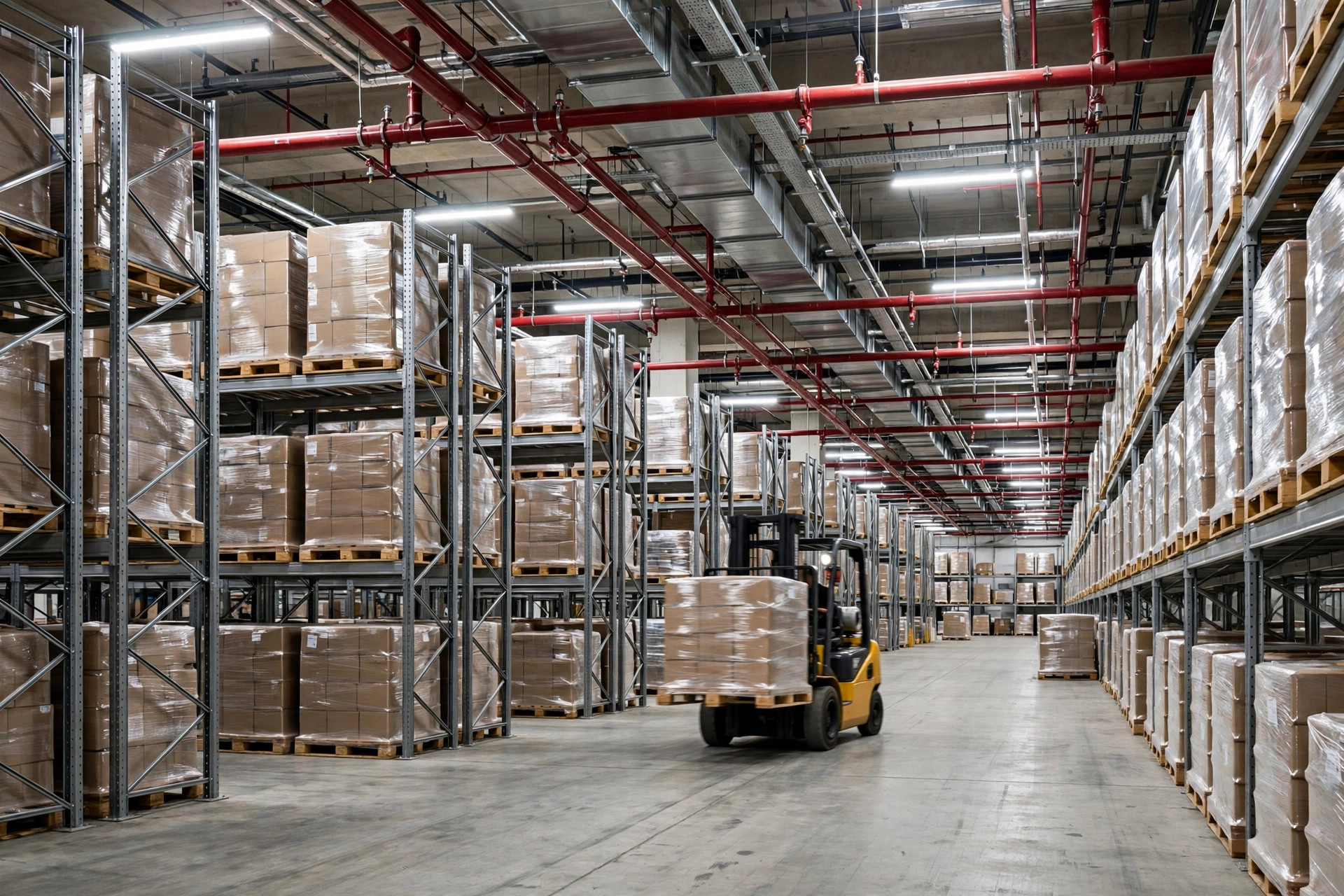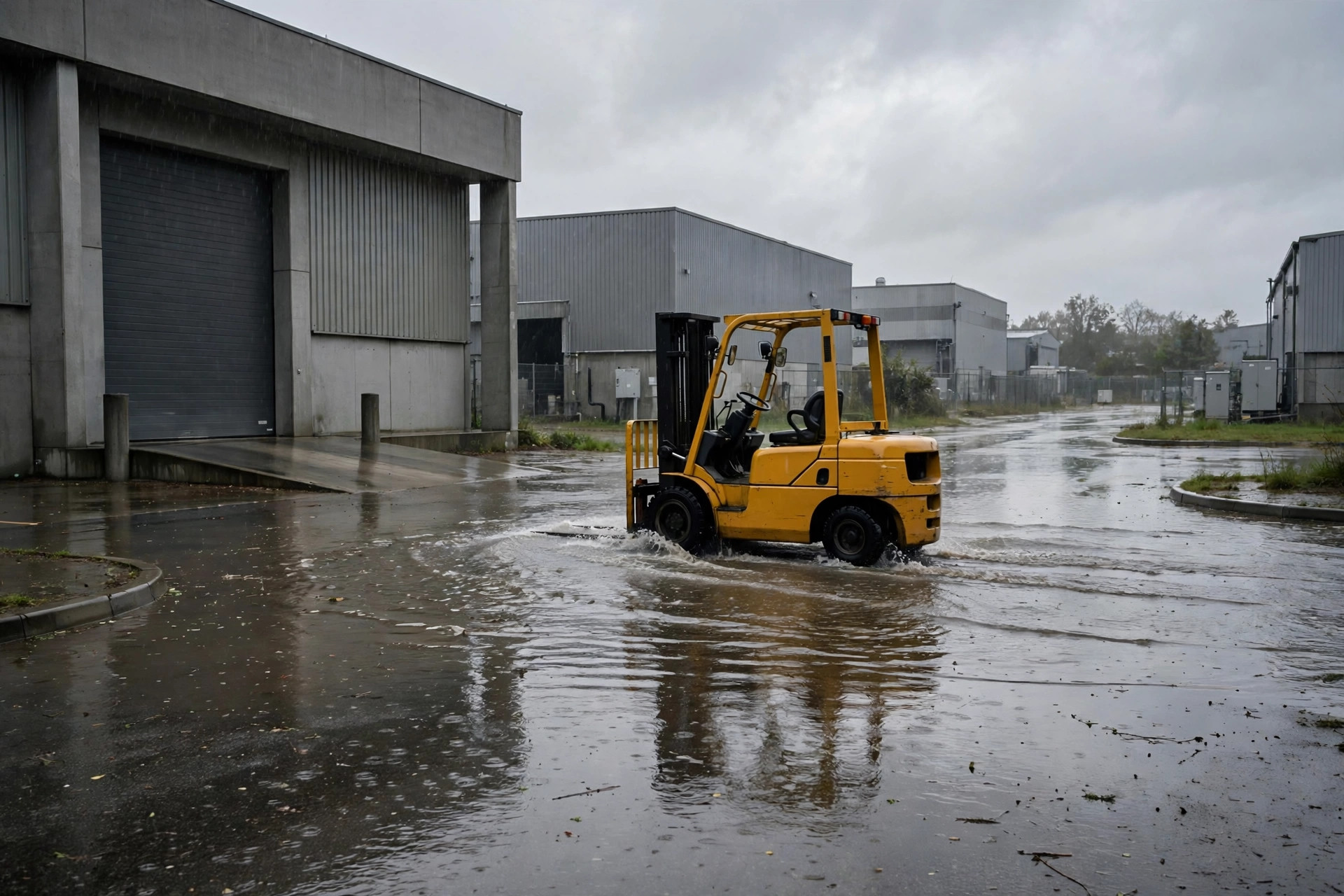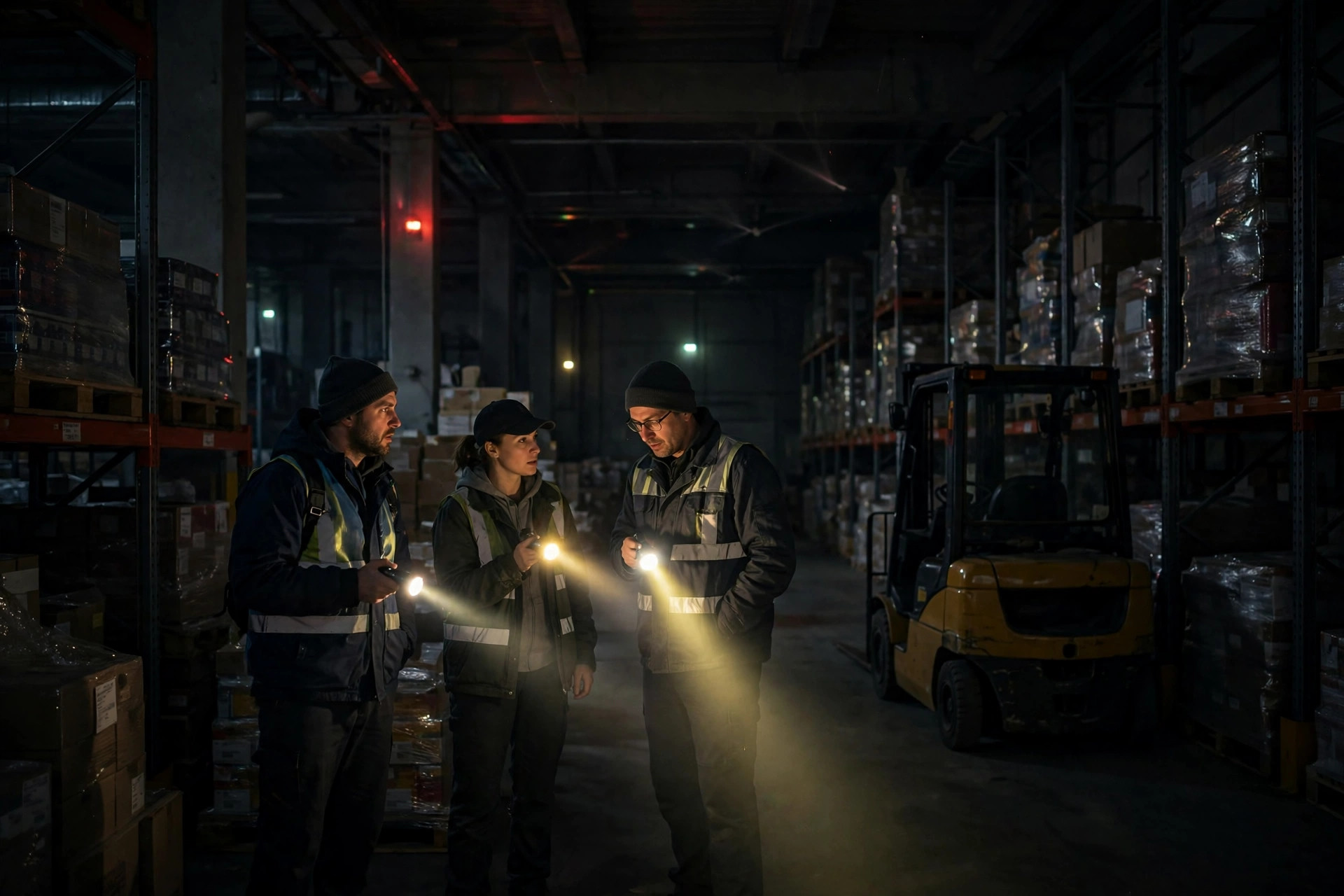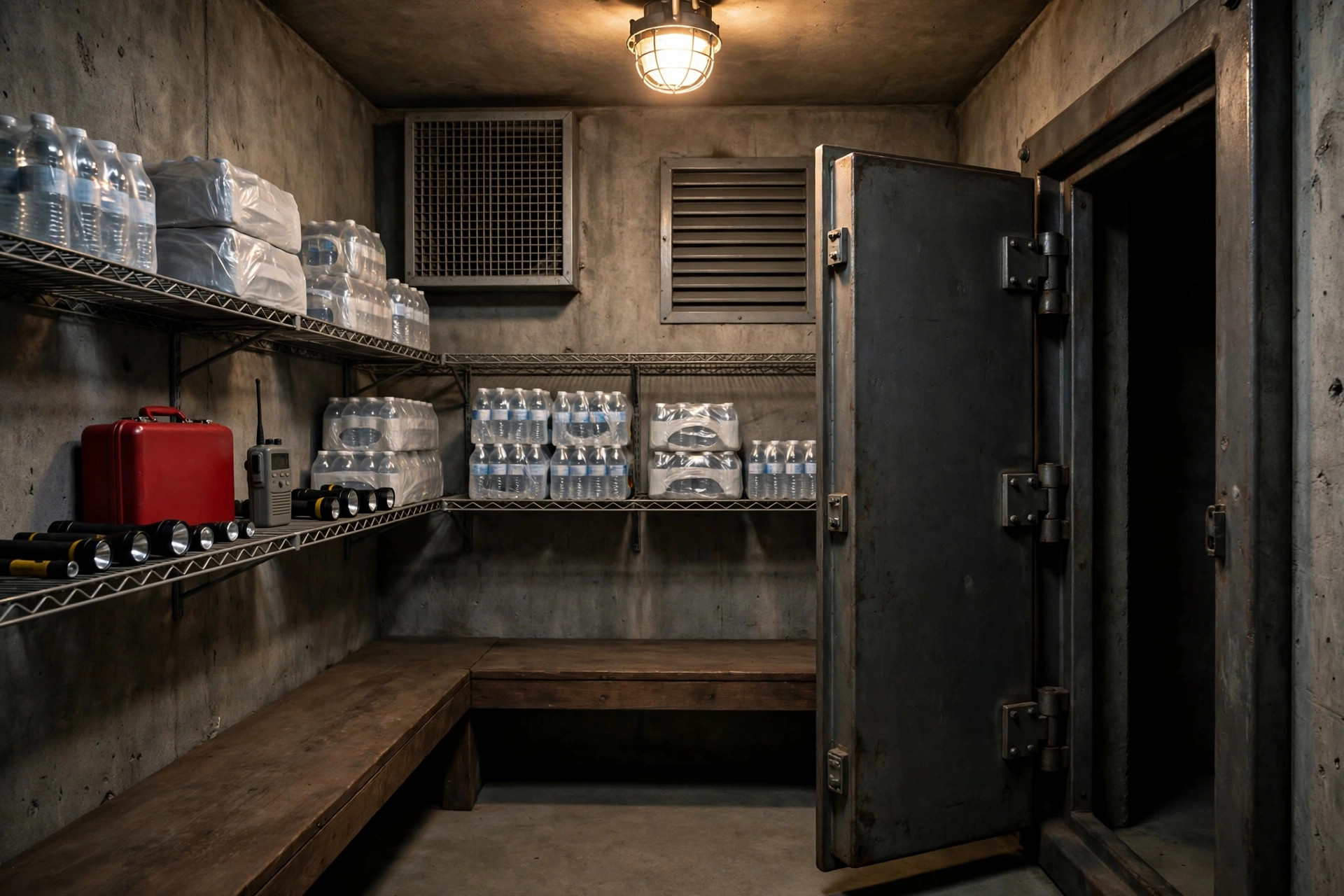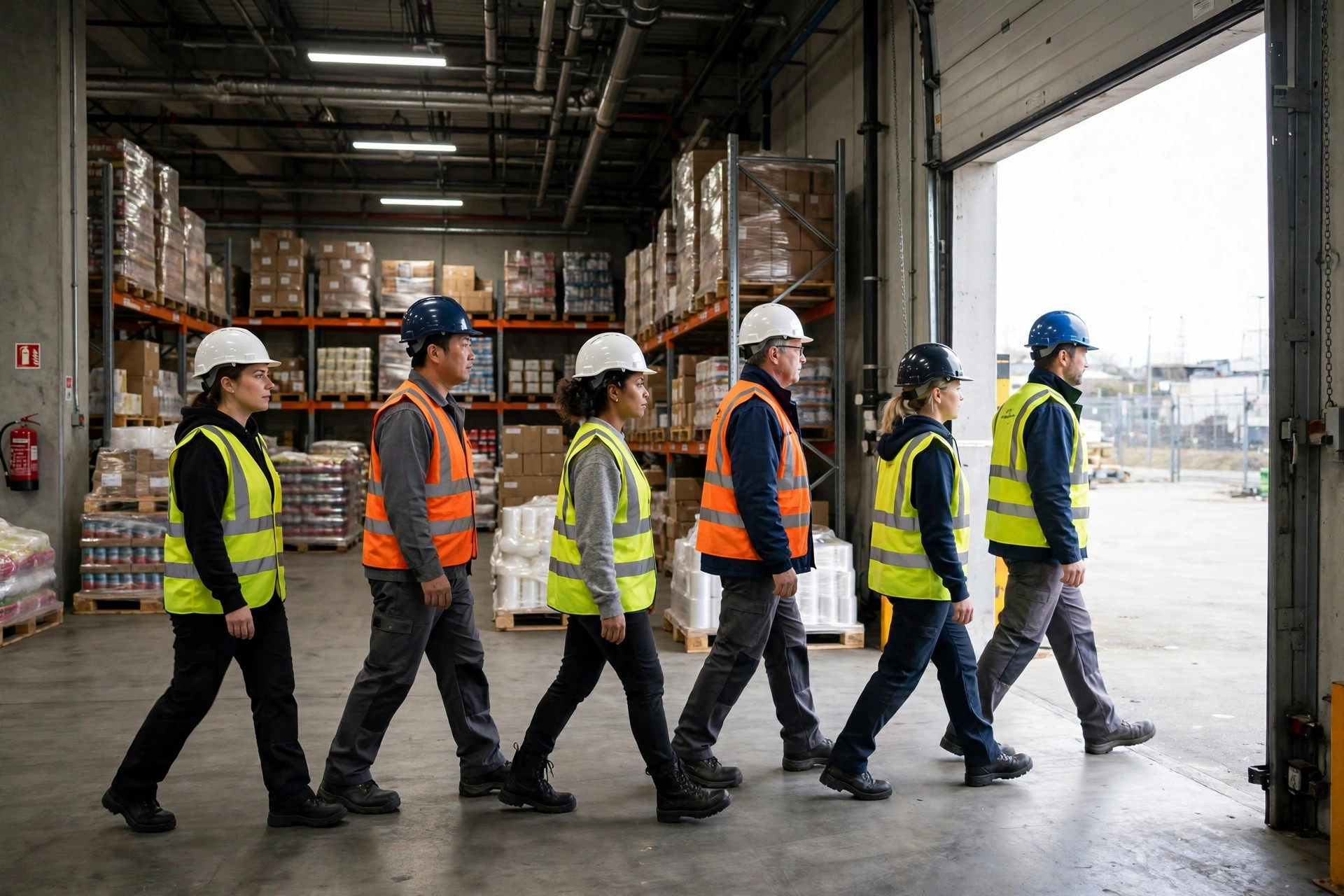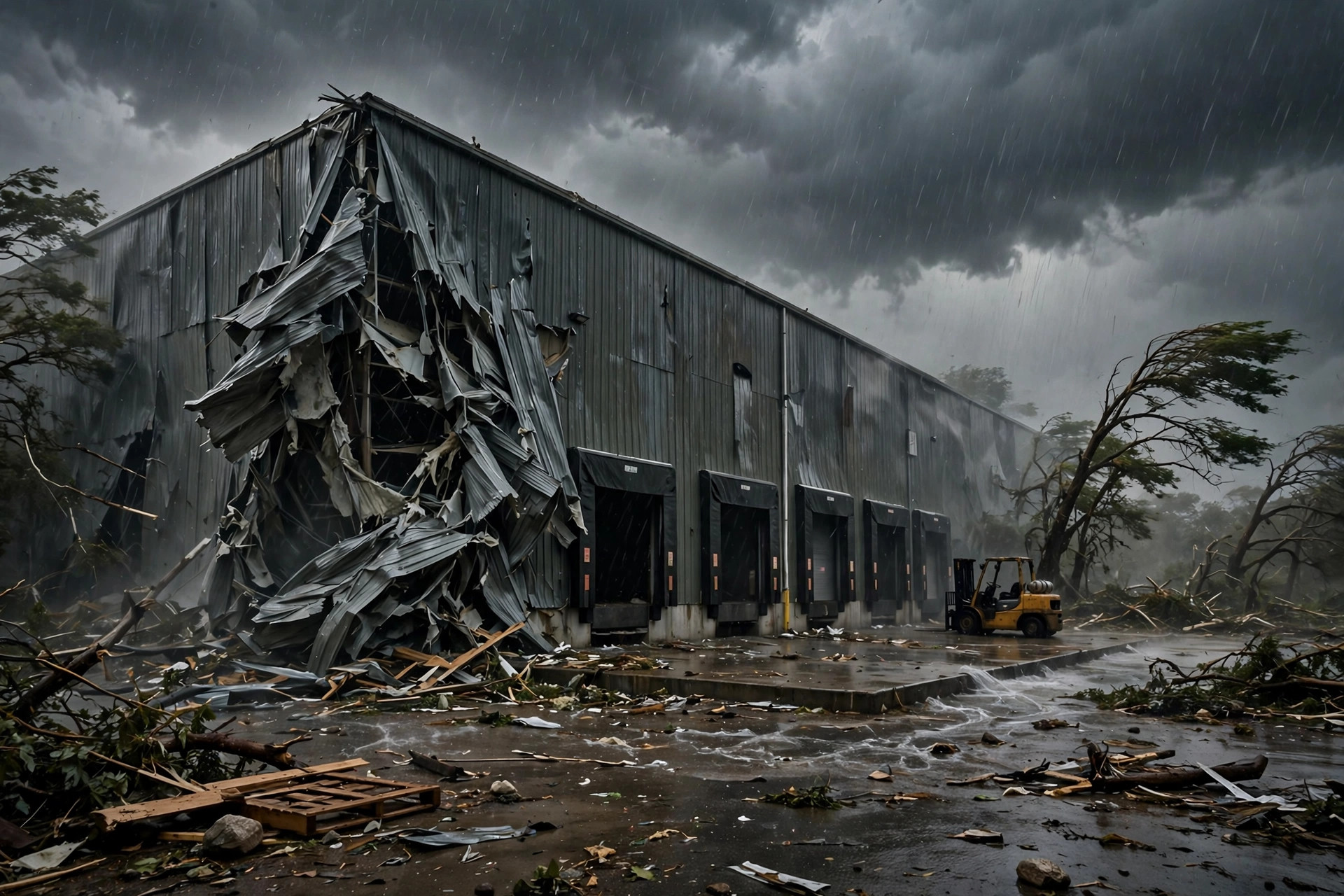
Start with the phenomenon. Every disaster season brings the warehouse natural disaster emergency plan back into conversation, but the warehouses that actually suffer are rarely the ones without a plan. They are the ones whose plan exists only on paper. Hurricanes, earthquakes, and floods break things through completely different mechanisms: hurricanes cut power first, then flood, then tear roofs; earthquakes destroy racking and building structure in seconds; floods climb floor by floor from the ground. One plan for all three disasters is the same as no plan.
Next, the data layer. The first step in a warehouse emergency plan is not buying equipment. It is mapping the warehouse's own risk data: which disaster types have hit the area historically, the flood-risk map rating, the seismic zone, the frequency of hurricane paths — all available through public government channels, with specifics subject to the latest official policy. As an example, a warehouse in a hurricane corridor long assumed its risk was "strong wind," until historical path data showed the real risk ranking was power loss, water ingress, then roof damage — wind itself last. Once the ranking changed, the whole plan's focus changed with it.
Attribution matters here: warehouse disaster losses are rarely caused directly by the disaster itself. They are mostly chain reactions. Power loss kills temperature control, security, and systems. Water ingress ruins ground-floor stock and shorts electrics. Collapsed racking blocks aisles so rescue cannot get in. A plan's real job is cutting chain reactions, not fighting the disaster head-on. The earlier the cut, the smaller the loss.
Warehouse Natural Disaster Emergency Plan: Three Disasters, Three Cut Points
A hurricane's cut point is time. Hurricanes come with forecast windows, so the plan runs backward from landfall: three days out, confirm backup power, reinforce doors and windows, move low-lying stock up; one day out, stop receiving, seal documents, evacuate staff; after the storm, check structural safety before anyone re-enters. As an example, one coastal warehouse did three things before hurricane season: moved all high-value ground-floor stock up one level, filled and test-ran the backup generator, and scanned all paper documents into backups. After the hurricane, the building lost grid power for two days, but temperature control held on the generator, documents recovered from backups, and the only damage was one roof leak. That is what a plan is worth, measured at the moment it matters.
An earthquake's cut point is structure. Earthquakes give no forecast window, so the plan can only be built in advance: seismic racking anchors, height limits on high-bay stock, clear aisles, isolated hazardous materials. As an example, a warehouse in a seismic zone had anchored its racking and limited high-bay heights before the quake; racking swayed but did not collapse, aisles stayed open, and all staff evacuated to safe areas within ten minutes. Another warehouse without anchors lost racking across its main aisle, and both evacuation and post-quake stocktaking dragged on far longer. Earthquake plan spending is invisible on ordinary days and fully visible on the day it counts.
A flood's cut point is height. Floods come from the ground, so the plan's core is elevation: raise stock, raise electrical equipment, raise documents and systems. As an example, a riverside warehouse did three things before flood season: moved all low-lying stock up, raised electrical panels, and stocked sandbags and flood boards. When floodwater entered the site, it peaked a few inches above ground-floor level, but stock and electrics stayed dry, and losses were limited to site cleanup. Flood plan success often comes down to a few inches of height difference.
| Disaster type | Primary cut point | Advance checklist | First action afterward |
|---|---|---|---|
| Hurricane | Time, worked backward | Backup power, door and window reinforcement, low stock moved up | Check structural safety before re-entry |
| Earthquake | Structure, built in advance | Racking anchors, high-bay height limits, clear aisles | Account for staff, check structural cracks |
| Flood | Height, raised in advance | Stock moved up, electrics raised, sandbags and boards | Cut power, check electrics, then check stock |
Warehouse Natural Disaster Emergency Plan: The 72-Hour, 24-Hour, Zero-Hour Framework
A decision framework can run on three time tiers. The 72-hour tier: once a disaster forecast is issued, activate the plan, confirm resources, move high-risk stock — management decides, actions are preventive. The 24-hour tier: as the disaster nears, stop receiving, seal documents, evacuate staff — the site lead decides, actions are protective. The zero-hour tier: while the disaster is underway, nobody enters, nobody chases stock, only monitoring — the principle is life first, no freight is worth a risk.
Drills are the plan's acid test. A plan never drilled is a plan never written. Drills run at three levels: tabletop exercises quarterly, where management walks the plan on paper; live exercises before each disaster season, walking evacuation routes, test-running backup power, checking sandbags and boards; and surprise spot checks, pulling one element at random — say, starting the backup generator at midnight — to see whether it actually works. As an example, one warehouse's plan described its generator as "ready at all times," and a surprise check found it had not been test-run in six months, its starter battery already flat. Before a drill, "ready at all times" is four words. After a drill, it is a fact.
The communication chain is the element plans most often neglect. In a disaster, mobile signal may fail and landlines may go down, so the plan must name backup channels: radios, satellite phones, an off-site contact — at least two independent channels. The command chain must also be written down: who decides on site, who decides at management level, who notifies customers and carriers. As an example, one warehouse after a disaster had three managers calling customers separately, with three conflicting versions of events, leaving customers more alarmed than before. One voice, one message, is basic plan discipline.
The boundary between plans and insurance also needs stating clearly. Insurance pays money; it does not buy back time. A plan buys time; it does not pay money. They are complements, not substitutes. A good plan means smaller disaster losses and smoother insurance claims. A poor plan means money paid out while customers have already left. This article covers how to build the plan, not how to buy insurance — the division of labor comes first.
One trend judgment deserves its own paragraph: the frequency and intensity of extreme weather events trend upward over the long term, with specifics subject to meteorological agencies' annual reports. That trend means a plan standard built for a "once in ten years" event may already be out of date. A warehouse emergency plan cannot be written once and left for ten years. It needs a pre-season review every year: did last year's plan have gaps, has this year's risk ranking changed, have backup resources expired? Review costs little. Disaster costs much.
The plan should also answer three open questions, with each warehouse filling in its own answers. First, which disaster type does your warehouse fear most, and in what order? Second, how long can your backup power run, and are fuel and parts sufficient? Third, after a disaster, who makes the first call — to customers, carriers, and insurers? There are no standard answers to these questions, but a plan without answers is not a plan.
In the end, an emergency plan is not a document. It is muscle memory: drilled in advance, so that when disaster arrives, nobody panics. Hurricanes turn on time, earthquakes on structure, floods on height — three disasters, three cut points, and a plan written to that granularity is a plan truly written. A plan never drilled is words on paper, not work in hand. Which gap your warehouse should close first — that answer sits in your own risk data, not in anyone else's template.
By Dr. Chen, Supply Chain Researcher