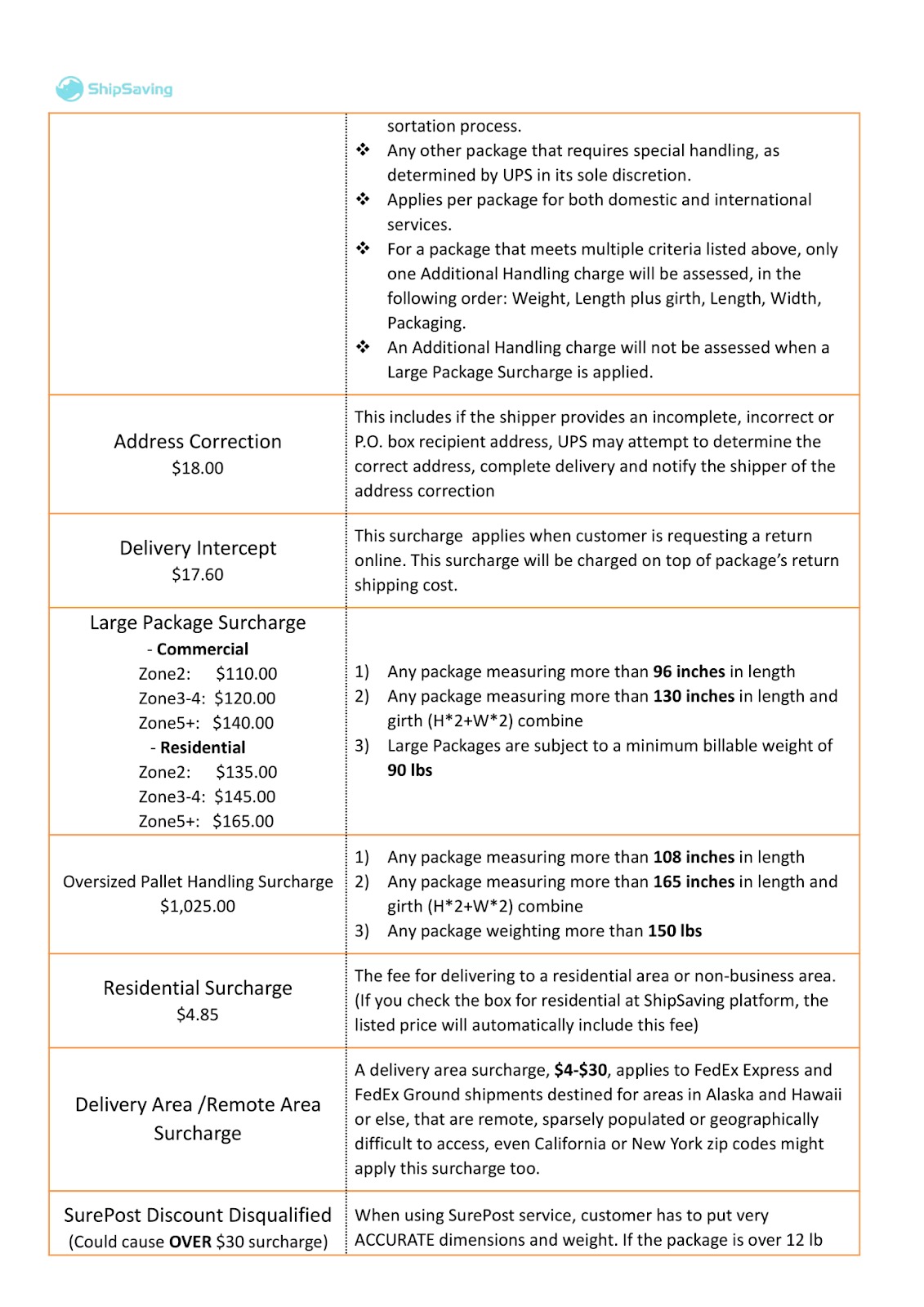
We have a client who paid over five thousand dollars in a single month on one line item: "Address Correction," 214 times, at $25.50 a pop. That's the UPS/FedEx address correction fee, quietly eating nearly half a month of his warehousing ops budget. His first call to us was an accusation: are you people padding the invoices?
We weren't. The carriers were. And the real culprit was a toggle he himself had switched off back in November.
The client is a home-fragrance DTC brand out of Los Angeles, shipping from our Ontario warehouse, 350 to 450 parcels a day. During the Black Friday rush, volumes doubled, and somebody decided the address autocomplete on their Shopify checkout was "an extra step hurting conversion." So they turned it off. Mobile shoppers started hand-typing addresses: "Avenue" became "Avnue," apartment numbers got crammed into address line two and truncated, ZIP codes off by a digit. The carrier's system auto-corrected each one, delivered the package, and billed $25.50 per correction. That's FedEx's 2026 rate for address correction — it was $24 in 2025, and UPS sits at $23.50 this year, though you should always check the carriers' current published rate tables.
214 times $25.50 is $5,457. There was a long silence on the phone. Then: "That's the most expensive toggle I've ever flipped."
How the UPS/FedEx Address Correction Fee Actually Gets Triggered
Here's the counterintuitive part most shippers miss: the address correction fee isn't a penalty for a failed delivery. It's a service charge for a successful one. The carrier's logic is simple — your address was broken, we fixed it, the package arrived on time, and that fix is worth twenty-five bucks. They corrected your typo and billed you for the eraser. It feels outrageous, but it's in the carrier agreement you signed.
Triggers fall into three buckets. First, genuinely wrong addresses: misspelled street names, missing house numbers, bad ZIP codes, city-ZIP mismatches. Second, right data in the wrong field: suite and unit numbers stuffed into address line one, or truncated when they overflow the character limit, leaving the driver staring at a building with no idea which door. Third — and this one stings — addresses that look fine to you but not to the carrier's database: new subdivisions not yet in their address files, or PO boxes. FedEx will slap a correction surcharge on a PO box address; UPS is blunter and won't deliver to PO boxes at all, which triggers an even uglier undeliverable handling charge.
One insider detail from the 3PL side of the table: a successful correction still costs you. A lot of shippers assume that if the package got delivered, there's no harm done. Wrong. The moment the carrier's system performs a correction, the fee is born — regardless of the final delivery outcome. If you see "address corrected" in your tracking events, that's the sound of a cash register.
Where It Hides on Your Invoices
If you want to find this money, you need to know where to look. First stop: the carrier's own invoice, in the surcharge or accessorial section, where "Address Correction" appears line by line, one per package — buried, but itemized. Second: the statement your 3PL hands you. Many warehouses roll it into a single "carrier surcharge pass-through" line. They won't break it out unless you ask. Third: your monthly accessorial summary. When accessorials jump from 3% to 8% of freight spend with no volume change, address correction is usually the culprit.
Here's something the industry doesn't advertise: most 3PL sales reps never mention this fee in a quote. Why would they? It's a pass-through — the warehouse makes no margin on it, so bringing it up only makes the quote look expensive. But every cent comes out of your pocket eventually. We had an auto-parts wholesale client shipping from Chicago in 2024 whose ERP wrote suite numbers into address line two; the EDI feed truncated them at 35 characters, drivers couldn't find the doors, and they racked up nearly 200 corrections in a month. The owner was convinced it was a warehouse operations problem and nearly fired us. We laid the carrier's raw invoice detail on the table, walked through it line by line, and he finally believed us: this wasn't our money.
We even helped him dispute a chunk of it back — first offense, modest amount, the carrier granted a goodwill adjustment. That works exactly once. Disputes are not a strategy.
The Math: What This "Address Tax" Really Costs
Let me model it with our fragrance client's real numbers. Plug in your own:
| Item | Value |
|---|---|
| Monthly parcel volume | ~12,000 |
| Address corrections (December) | 214 |
| Correction rate | ~1.8% |
| Per-correction fee (FedEx 2026 rate) | $25.50 |
| Monthly correction spend | ~$5,457 |
| Annualized | over $60,000 |
Now the cost of prevention. Checkout autocomplete plus an address validation API runs a few cents per lookup — check current vendor pricing — so 12,000 orders costs roughly one to two hundred dollars a month. A hundred-odd dollars of prevention against five thousand dollars of fines: a fifth-grader could do this math. The address correction fee is, at its core, a tax on dirty data, and scrubbing the data costs a rounding error by comparison.
What Your 3PL Won't Tell You: It's Negotiable
This is where most shippers ask the obvious question: can I make my 3PL eat it? Good question — and exactly the one your 3PL hopes you won't examine too closely. The honest answer from someone who's signed over a hundred warehouse contracts: the address correction fee is negotiable in the contract, in at least three ways.
First, negotiate whether it's a true pass-through. Some warehouses quietly add a few points of "handling" on top of the carrier's charge. You'd never know unless you ask to see the carrier's raw invoice detail and reconcile it.
Second, negotiate a split with a cap. Address validation at label creation is the warehouse's job — validation rules in the WMS, suspicious-address holds, that's basic blocking and tackling. You can push for language like: if the monthly correction rate exceeds, say, 1%, the warehouse absorbs the overage. Warehouses will often agree to win the business. Your data may be dirty at the source, but failing to catch it is on them.
Third, negotiate data ownership. Demand a monthly exception report: which addresses got corrected, and how. Take that list back to your sales channels or your ERP vendor and fix the source. Most WMS platforms already generate this report — they just don't volunteer it.
There's a real trade-off to think through here. Passing the cost to your end customer hurts the experience; swallowing it yourself hurts margin; fixing the source is cheapest but takes time. Negotiation is the tourniquet for the transition period. The surgery is fixing the data.
How to Avoid Address Correction Fees for Good
If you want this line item gone permanently, there are three moves, in order.
First, fix the source. Turn checkout autocomplete back on and add address validation at order capture. Fewer keystrokes for the shopper, and error rates drop by half overnight. Cheapest move on the board — pennies per order.
Second, fix the label-creation step. Build rules in your WMS or shipping system that hold suspicious addresses for human review before the label prints: city-ZIP mismatches, over-length address lines at risk of truncation, PO boxes routed to UPS. Write the rules once; they work forever. Our warehouse runs exactly this, and our correction rate sits under 0.3%.
Third, fix the feedback loop. Spend fifteen minutes a month on the exception report. What are the top ten recurring bad addresses? A channel with a broken address format? An ERP field mapped wrong? Fix it once, and it stays fixed for half a year.
Our fragrance client turned autocomplete back on and let us add the label-hold rules. January corrections dropped to about $600. February, a little over $400. The owner now tells everyone: I had no idea that toggle was worth five grand a month.
So the next time you're negotiating a 3PL contract, ask these three questions. One: "Is the address correction fee a true pass-through? Show me the carrier's raw invoice detail." Two: "Above what monthly correction rate do you absorb the overage?" Three: "Will you send me a monthly exception address report so I can fix the source?" Ask all three, and the person across the table will know: this shipper can't be snowed.
By Susan, 3PL Sales Director