Let me state the conclusion first: a Suez Canal corridor warehouse in Egypt deserves a serious look if you're doing re-export into the Middle East and North Africa, or replenishing Southern Europe. But there are three traps inside that "serious look," and I've seen each one at least three times — picking the wrong site, botching customs clearance, and signing a park deal that doesn't match how you actually operate. Step into any one of them, and every dollar you saved on freight goes right back out the door.
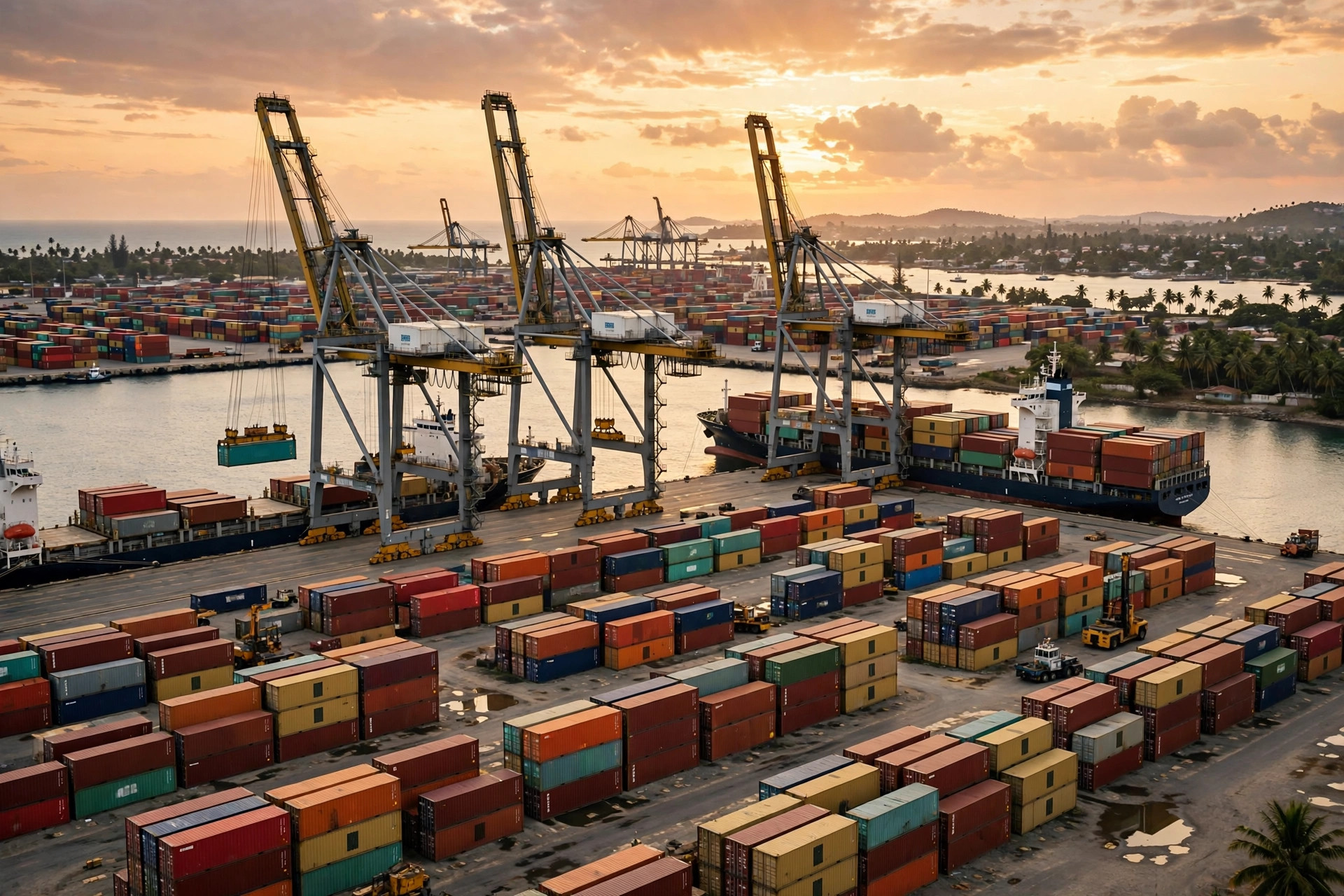
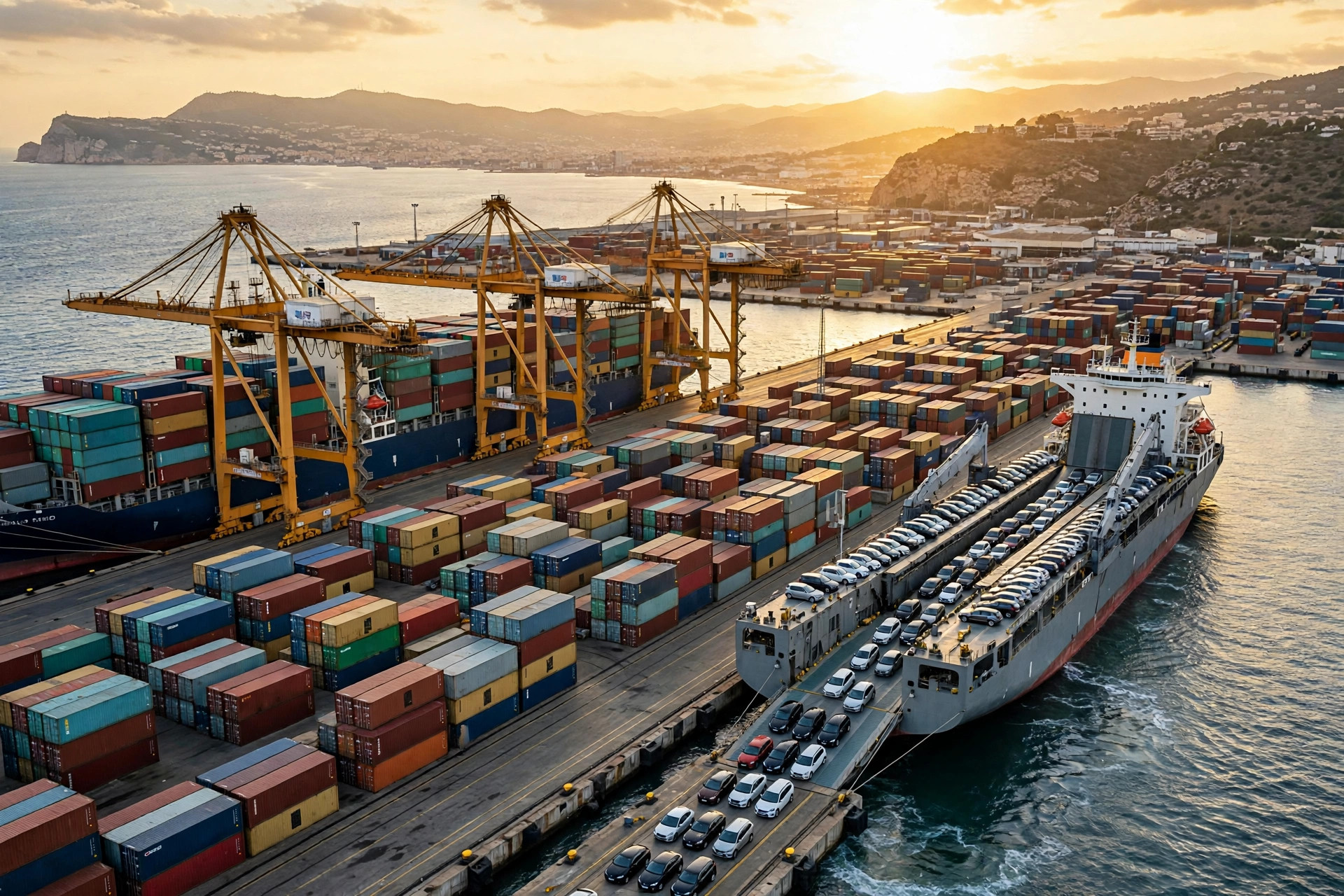
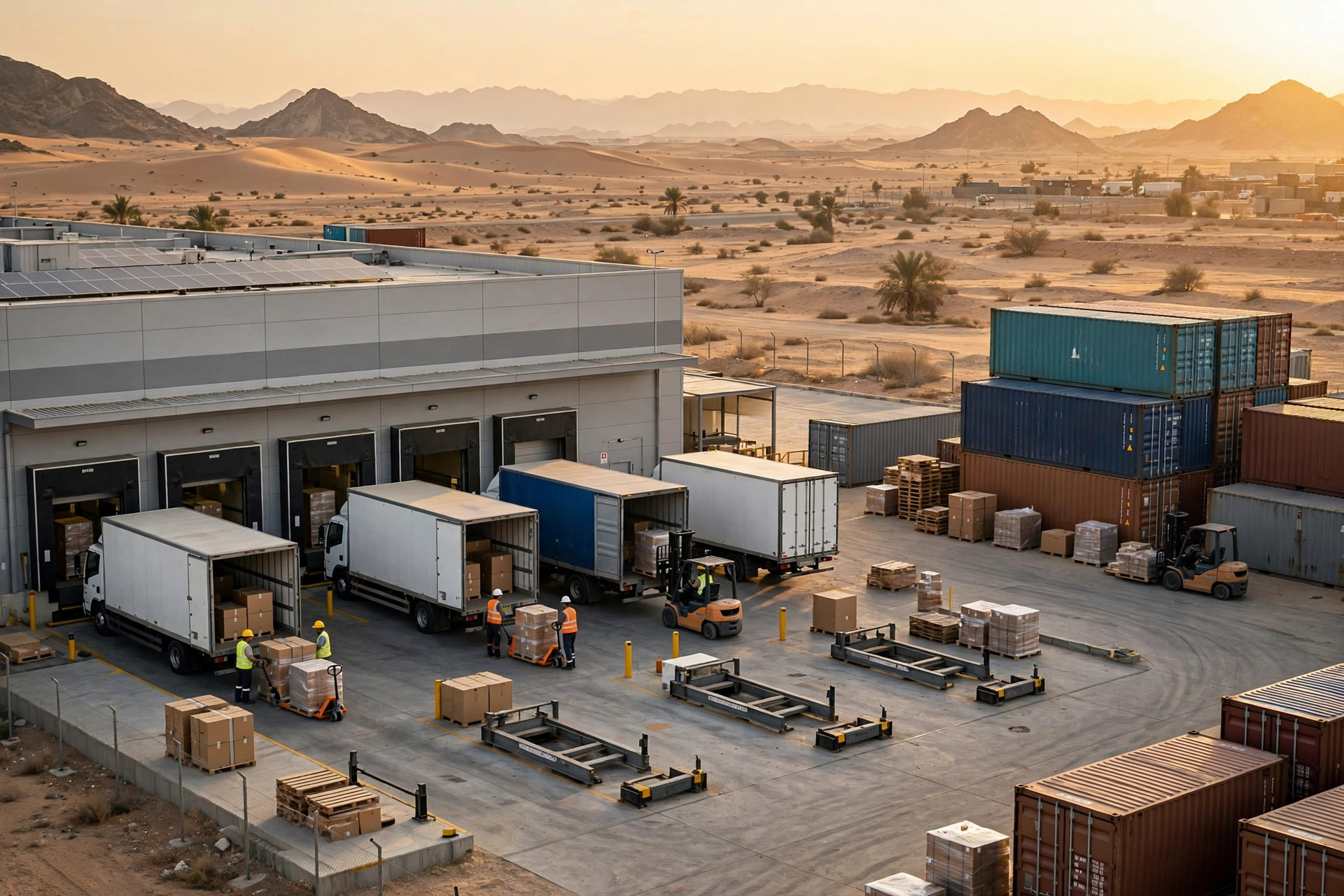
Why does the Suez Canal corridor work as a warehouse play? One sentence: the Suez Canal Economic Zone (SCZone) is one of the few places on earth with one foot on three continents. The official numbers: 461 square kilometers, four integrated industrial zones, six seaports, established under Egypt's Economic Zones Law No. 83 of 2002. East Port Said faces the Mediterranean and the European shipping lanes; Ain Sokhna on the Red Sea side receives vessels coming from Asia; the canal runs between them, deep water on both sides. For a Chinese seller, the standard playbook looks like this: goods sail from Ningbo or Shenzhen, enter through Sokhna on the Red Sea, get sorted, relabeled, and repacked inside an Egyptian warehouse, then split three ways — into the Egyptian domestic market, north across the Mediterranean to Southern Europe, and into the Middle East and inland Africa. That is what "canal corridor" actually means in practice.
The trap I've seen three times: confusing "close to the canal" with "close to the market"
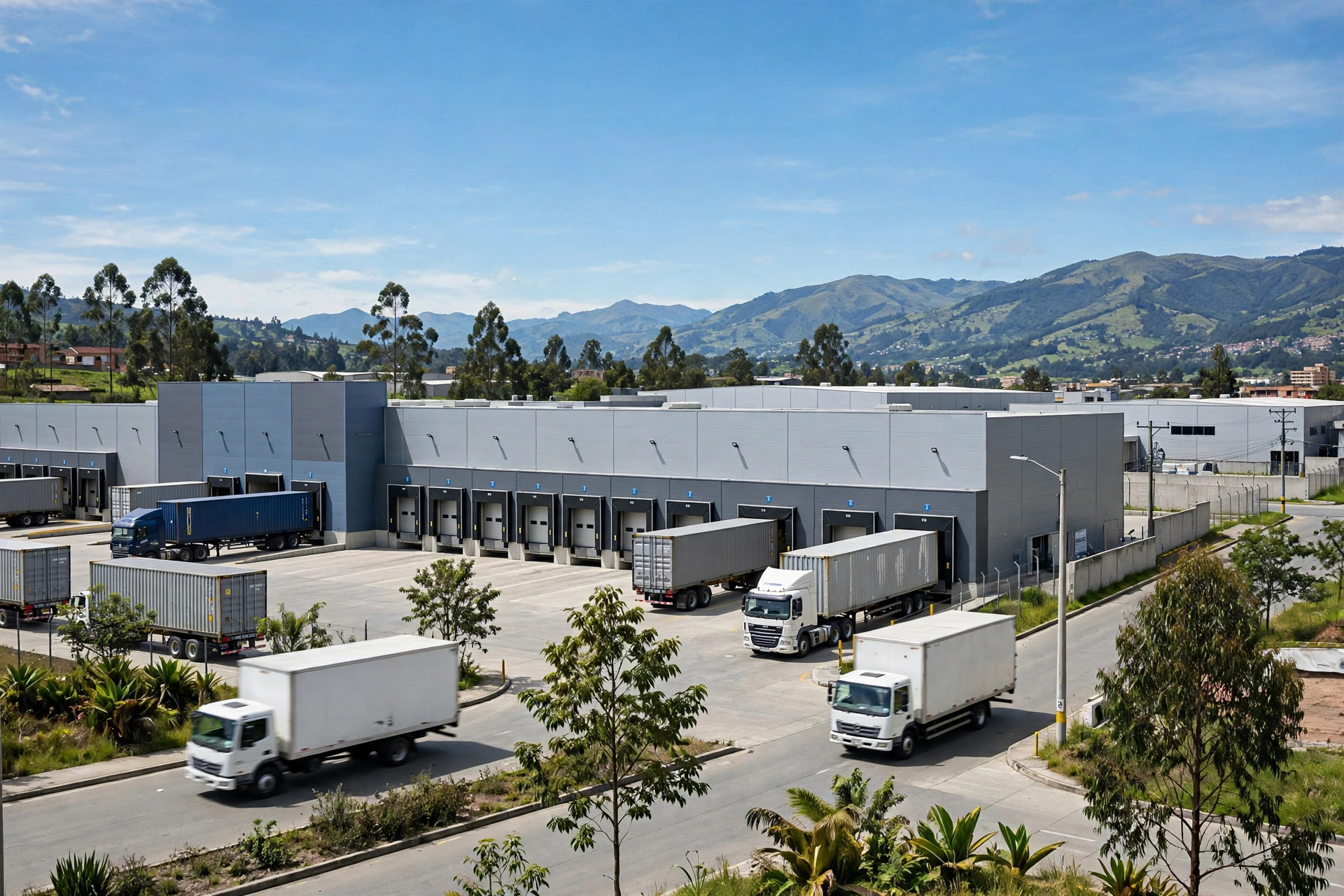
Early in 2024, an auto-parts seller from Shenzhen came to me. They made the classic first mistake: renting cheap space in a small third-party warehouse in Cairo, at roughly 60% of the per-square-meter rate at the port parks. Their first inbound shipment from Sokhna took 19 days from vessel berthing to warehouse receipt — customs plus overland transfer. Peak-season replenishment rhythm: destroyed. The following year they moved into a bonded warehouse inside the Sokhna logistics park, and port-to-warehouse dropped to under 48 hours. The math: rent up about 40%, inventory turns doubled, and the savings on stockout penalties and emergency air freight more than covered the difference. I've seen this trap three times, and the script is identical every time: lured in by cheap rent, then schooled by clearance and trucking.
The second case is about picking the right port. East Port Said faces the Mediterranean — better for Europe-bound re-export. Sokhna faces the Red Sea — better for Asia-origin cargo landing first. In July 2026, DP World opened its Sokhna Logistics Park, with first customers in tea, consumer goods, and telecom equipment — evidence that the Red Sea-side distribution function is genuinely running. But here's the catch: if 70% of your volume ultimately goes to Europe, the land-and-sea connections on the Port Said side are smoother. The first principle of site selection isn't "be near the canal." It's "be near your outbound direction."
Suez Canal corridor warehouse site selection: the five-step pre-signing checklist
Step 1: Write down your three flows. On one sheet of paper: (1) your origin ports (most likely somewhere in Asia); (2) what happens inside the warehouse — sort, relabel, stick labels, light assembly, returns processing, check the boxes; (3) your outbound split by destination (Egypt domestic x%, Middle East y%, Southern Europe z%). If you can't pin down these three numbers, everything after is guesswork. I've seen this trap three times: the client says "let's just sign the lease first," then discovers 80% of the volume goes to Saudi Arabia while the warehouse sits on the Mediterranean side.
Step 2: Pick one of two parks, then look at the backup.
- Asia-origin inbound + MENA distribution → the Ain Sokhna area: Red Sea side, direct calls from Asia, most mature industrial zone.
- Europe-bound re-export → East Port Said: Mediterranean side, dense Europe sailings.
- Backup: Qantara West, more logistics-oriented, suits pure distribution with no processing.
Walk every park in person. Don't trust the leasing brochure renderings. What to look at: actual drive time from park to port (measure it once in morning rush, once in the evening), the profile of existing tenants (the more in your category, the more mature the supporting services), and whether fire and customs inspections are already signed off.
Step 3: Do a separate due-diligence pass on customs clearance. This is the biggest variable in any Egypt warehouse play, so it gets its own step. Four questions: (1) does the park actually operate a one-stop-shop service window — SCZone advertises one, but verify it at the specific park; (2) does your forwarder have a permanent team at that port; (3) what is the average clearance time for your product category — say, battery-powered goods or auto parts — cross-checked across three different forwarders; (4) is there a proven case of a return or re-export shipment clearing through. Clearance-time numbers swing wildly; go by the latest official Egyptian and port policies, not by someone's 2023 experience.
Step 4: Run the labor and systems numbers. Egypt's labor costs are competitive against the Gulf states, but frontline workers' WMS proficiency is a question mark. The checklist: (1) how deep is the recruitable labor pool within a 30-minute drive of the park; (2) does your WMS need an Arabic interface — picker English levels vary, and an English-only UI will cause incidents; (3) can your cycle-count and QC SOPs be translated into versions the local team can actually execute. I watched one project where the system alerts were in English, the night-shift supervisor couldn't read them, and nobody responded when a location overflowed.
Step 5: Negotiate three clauses in the lease. (1) Rent escalation — Egypt's inflation is volatile, so a five-year lease must cap the annual increase; (2) early termination and subletting — MENA markets move fast, leave yourself an exit; (3) the rent-free fit-out period and park utilities — who handles power, water, network, and fire acceptance, written into an appendix. Tax incentives follow the latest official Egyptian policy; any verbal promise from the leasing team goes into the contract or it doesn't exist.
The counterintuitive call: the canal is an advantage and a single point of failure
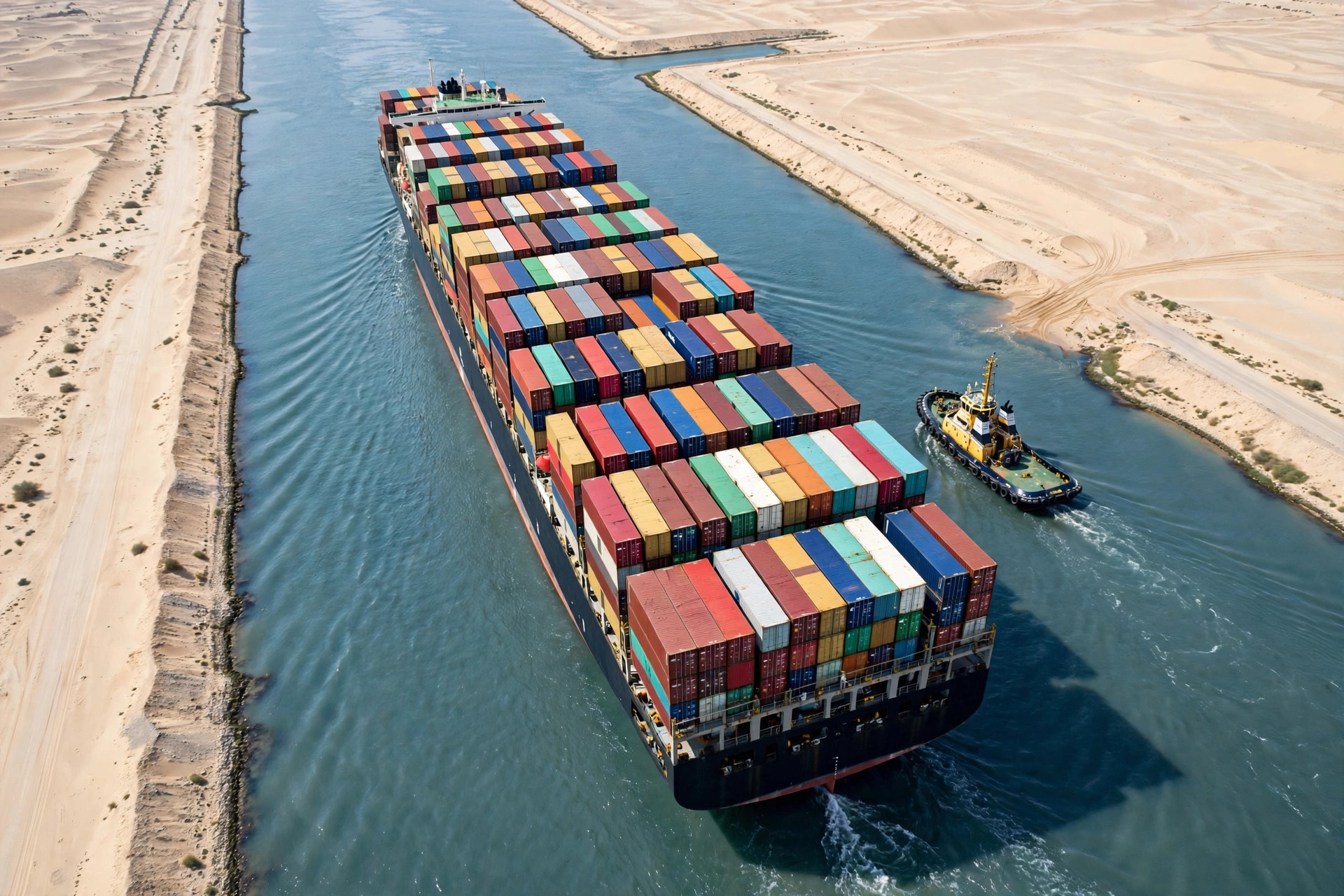
Everyone talks about the corridor's location advantage, but the Red Sea shipping disruptions since late 2023 taught the whole industry a lesson: multiple carriers rerouted around the Cape of Good Hope for security reasons, and over-dependence on a single channel means handing your fate to someone else. My recommendation: position the Egypt warehouse as a regional distribution center, not your only hub. For MENA volume, pair the Egypt site with backup capacity in Dubai or Jeddah; for Europe volume, pair it with Eastern Europe. Pay 10% more in rent to buy continuity of supply. That's how the trade-off should be calculated.
One thing you can use tomorrow: don't sign anything yet. Spend two weeks with the three flow numbers from Step 1, and talk to three forwarders with real Egypt operations — cross-check clearance times, trucking rates, and park reputation across all three, then decide where to lease. Those two weeks are the highest-ROI two weeks in the entire project.
By Lin Xiao, WMS Implementation Consultant