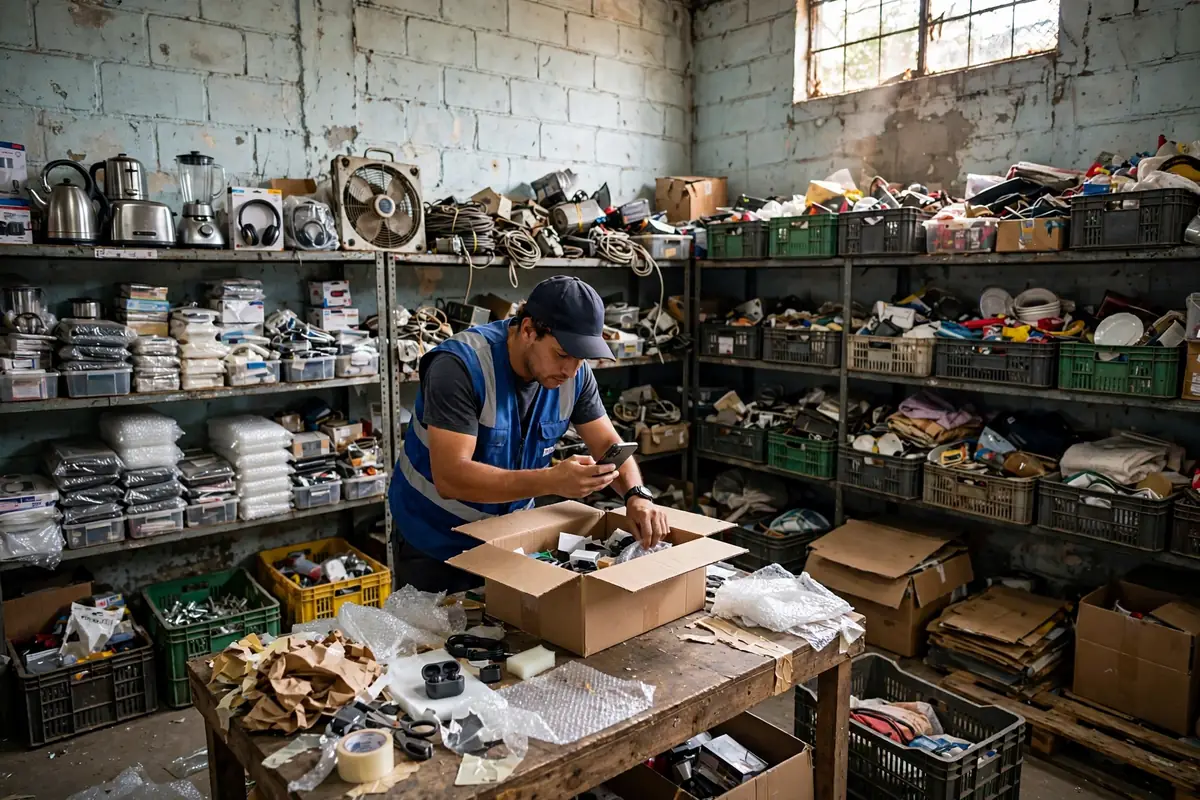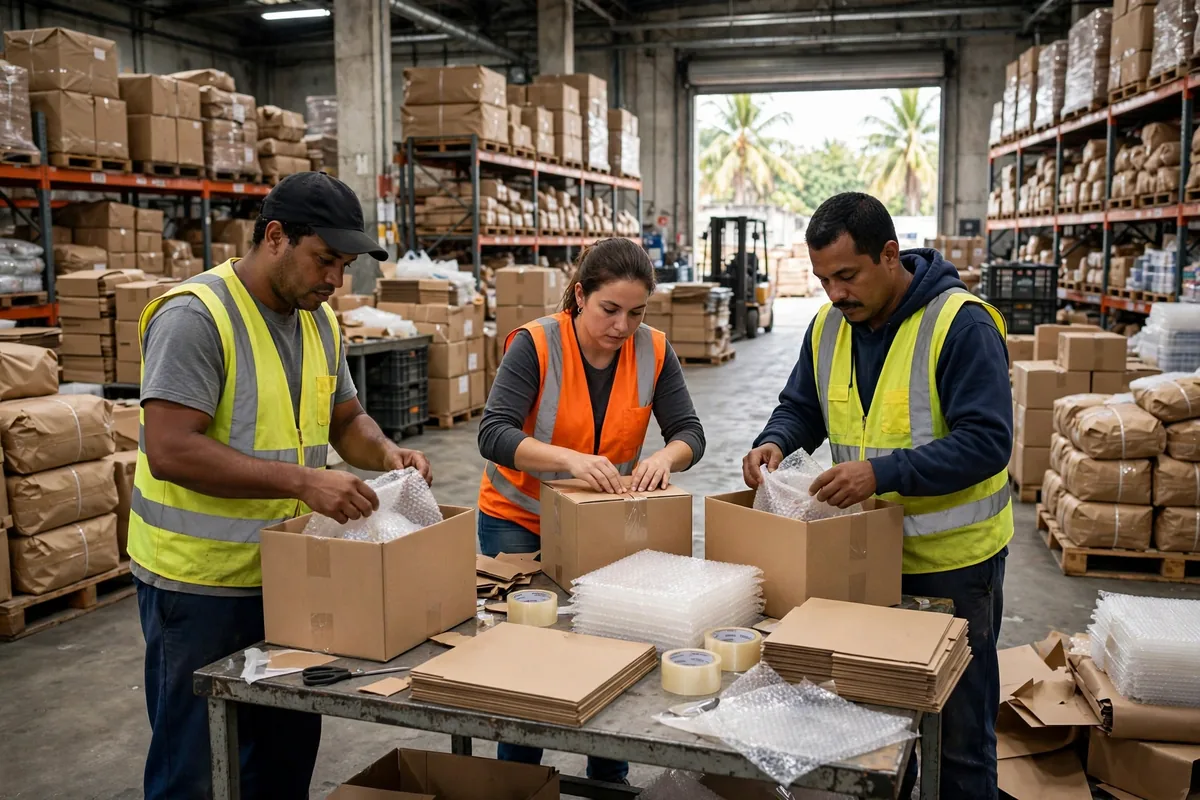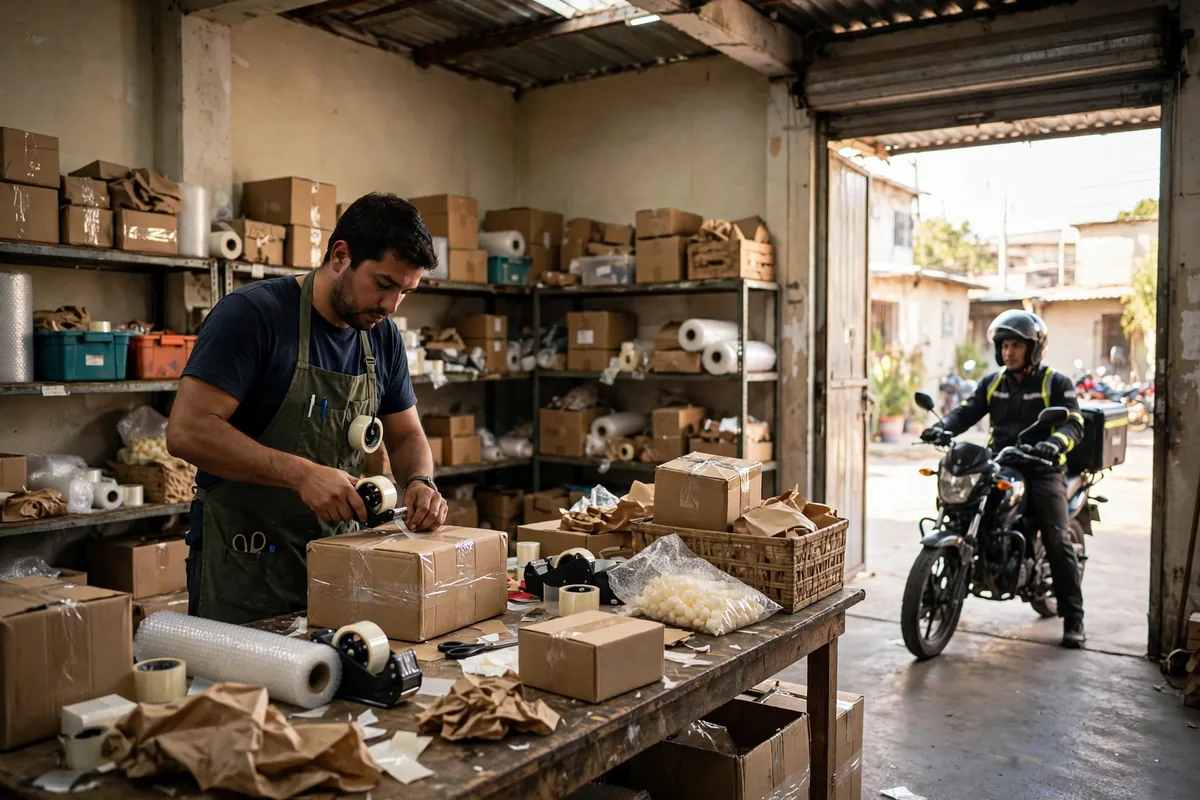
Let me start with our predicament, because it is probably yours too. My own warehouse is about 3,000 square meters, and last year I sat down with a friend selling phone accessories near São Paulo to work through his Mercado Libre Flex same-day delivery warehouse numbers. His question was honest: the badge looks great, orders went up, but can a warehouse our size keep up with same-day? Big sellers survive Flex with headcount, systems, and multiple sites. A small warehouse cannot burn that money — or those people. My packing crew is a handful of hands that also receive stock, answer buyers, and print labels. This is not a big-company playbook. It is what Flex demands from a small seller, and which bills to add up before you sign up.
Three Gates: Cut-Off, Packing, and Handover
The basic promise is simple. A buyer orders before the platform's cut-off time, you prepare the parcel the same day, hand it over, and it reaches the buyer that day. The exact cut-off times, eligible cities and zones, and how late dispatches are measured differ by country and city and change over time, so treat all of that as subject to the platform's latest policy. What does not change is what your warehouse has to be ready for.
Gate one is the cut-off. Orders that land before it must be fully processed that day. Batch picking once in the morning and once in the afternoon stops working. The last hour before cut-off is usually the busiest hour of the day, and it arrives whether you are ready or not.
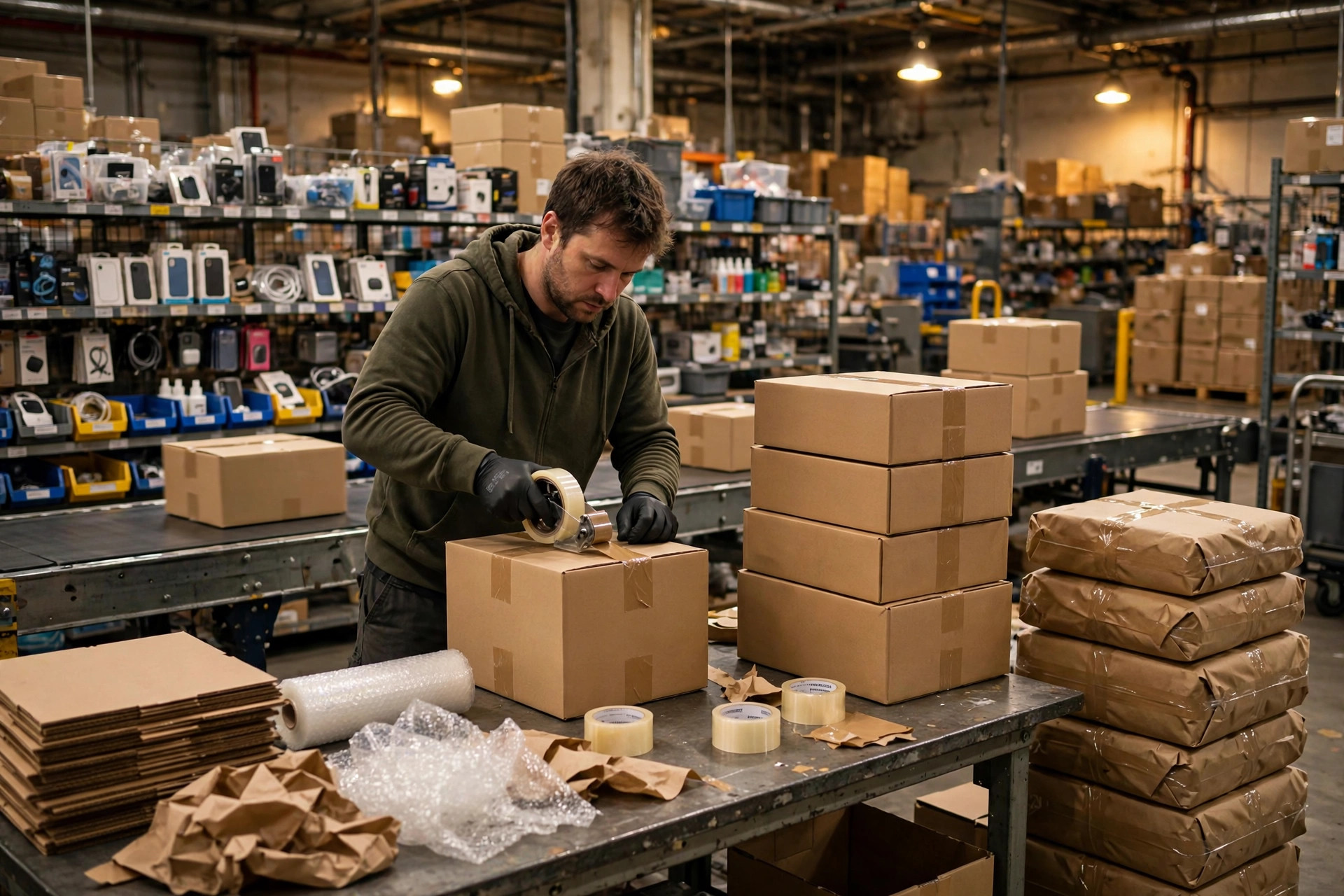
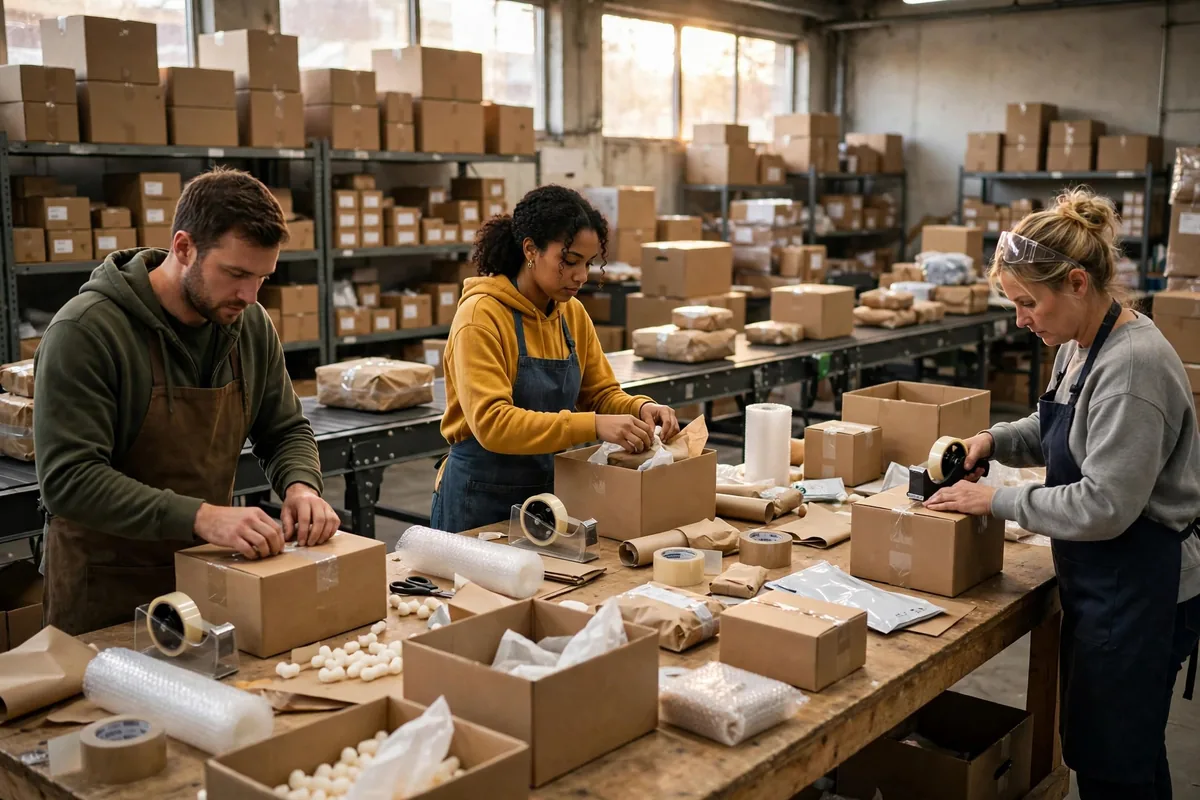
Gate two is packing. Picked is not packed. Boxing, labeling, weighing, and staging for handover all have to finish before the handover window. A big warehouse adds a line. A small one moves the tape, boxes, and labels within arm's reach and removes every unnecessary walk.
Gate three is getting the goods out. If you drop parcels off yourself, travel time is yours to manage and yours to suffer. If the platform collects, you live and die by the collection window. Miss one window and the whole batch counts as late.
Here is the judgment nobody expects: the hard part of Flex is not speed, it is consistency. Anyone can sprint for a day. Keeping every single day clean for weeks, with the same small crew, is the actual product you are selling.
Case One: São Paulo, the Badge Arrived Before the Warehouse Did
In August 2024, my friend was running under 800 square meters outside São Paulo, Brazil, selling phone cases and cables with a team of six including himself. His first month on Flex, orders genuinely rose — buyers trust the same-day badge. But his warehouse kept its old rhythm, picking slowly through the afternoon. An hour before cut-off he would discover volume had doubled, two packers could not clear it, and parcels went out squeezed against the handover window. Twice that month, they missed it entirely.
Late dispatches stacked up. Exactly how late rates affect store score and eligibility is defined in the platform's latest policy, but the direction is not in doubt: a late Flex order goes straight to whether you stay in the program. In month two he changed three things, none costing real money. Two hours before cut-off, everyone stopped other work for Flex orders only. His twenty best-selling SKUs moved beside the packing bench. Labels were printed in advance by order instead of one at a time after picking. On-time handovers stabilized, and he kept the badge.
The lesson is unfashionable: for a small warehouse, the first Flex investment is usually not cash. It is rearranging your floor and your clock. Refuse to rearrange, plan to survive on overtime, and the late rate will eventually collect the debt.
Drop It Off Yourself or Wait for Collection?
Most small sellers choose between carrying parcels to a designated drop-off point and waiting for a platform-arranged collection. Conditions and fees follow the platform's latest policy. What I can lay out honestly is what each option costs inside your walls:
| Factor | Self drop-off | Platform collection |
|---|---|---|
| Time control | You choose departure; traffic risk is yours | Fixed window; everything must be ready before it |
| Hidden cost | Fuel, vehicle, and a worker out of the building | Less labor lost waiting around |
| Best fit | Low volume, drop-off point nearby | Higher volume, longer distances |
| Failure mode | Your driver calls in sick during peak | Miss the window and the whole day runs late |
My friend started with collection for convenience, then realized his warehouse was not far from a drop-off point, and on big peak days the whole crew was panicking to beat the collection window anyway. He switched to a hybrid: collection on normal days, self drop-off on heavy days, and things calmed down. There is no universal answer, only your location, your volume, and your headcount.
Run one illustrative calculation, and note it is an example, not a platform quote. Say you ship 60 Flex orders on a normal day and 120 in peak. A self drop-off round trip takes about an hour and a half of one experienced worker. If that worker is also your best packer, peak days lose ninety minutes of packing capacity, which you repay in overtime or in pre-packing the day before. Sellers who count only fuel and never the person discover, usually in peak season, that the most expensive vehicle in the building is a pair of hands.
Case Two: Mexico City, Opening a Month Late Was the Right Call
In March 2025, a seller in Mexico City moving small home goods with a team of four in under 500 square meters did the opposite of her competitors. She did not rush in. She took the previous month's orders and did a rough, honest analysis: what hours orders arrived, which zones they came from, items per order, and how many minutes packing one order actually took. Her afternoons were heavy and her pre-cut-off capacity was not enough. Opening immediately would have meant getting educated by the late rate in month one.
She opened a month later, after three cheap fixes: best sellers pre-packed needing only a label, one shift moved later to cover the pre-cut-off peak, and family lined up for two weekend hours in peak weeks. Her first month on Flex was boring — in warehousing, the highest compliment available.
The second counterintuitive point lives here: opening a month late costs you a month of extra orders. Getting the badge and then losing it costs you score and eligibility, which take far longer to earn back. One of those mistakes is much cheaper than the other.
Four Bills to Add Up Before You Join
Use this as a decision framework. If any one of the four fails, wait.
First, the time bill. Break your last thirty days of orders down by hour and count what lands in the two hours before cut-off. Measure your real packing rate, orders fully completed per person per hour, with a stopwatch, not optimism.
Second, the people bill. With everyone on the packing bench, can you clear the pre-cut-off peak? How much can pre-packing absorb? If the answer still involves untrained temporary help, remember that a temp's mislabeled parcel costs more than a late one.
Third, the late bill. What late dispatches do to your standing is set by the platform's latest policy, but decide your exit in advance: if lates start stacking, do you cut volume to protect eligibility, or leave Flex to protect your store score? Choosing under pressure, mid-peak, is how small sellers make the expensive choice.
Fourth, the margin bill. Does the gross margin on the extra Flex orders cover the extra packing hours, materials, and delivery-side costs? Incremental orders that do not cover their own handling are not growth. They are a busier way to lose money.
One rule covers every number in this article: anything involving platform rules, fees, deadlines, or thresholds should be checked against the platform's latest policy, and South American marketplaces differ by country more than most sellers expect.
Flex is not reserved for big sellers, but it charges admission in warehouse stability. Big warehouses pay with extra lines, people, and systems — we cannot. Small warehouses pay with pre-packing, shifted rosters, and best sellers within arm's reach. Not glamorous. It works. Small warehouses have their own way of living, starting with doing the math before chasing the badge.
By Xiao Ma, Small Warehouse Owner