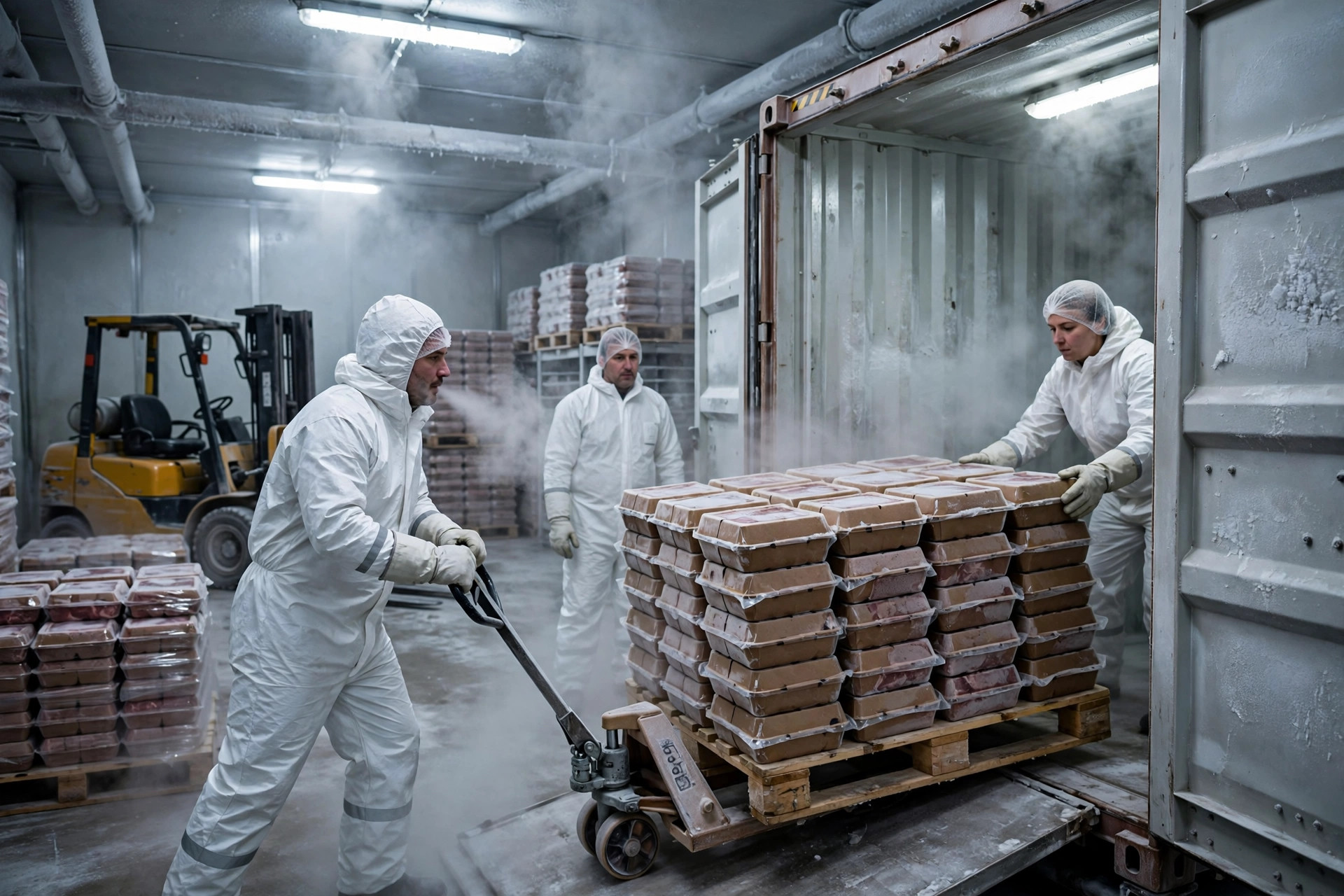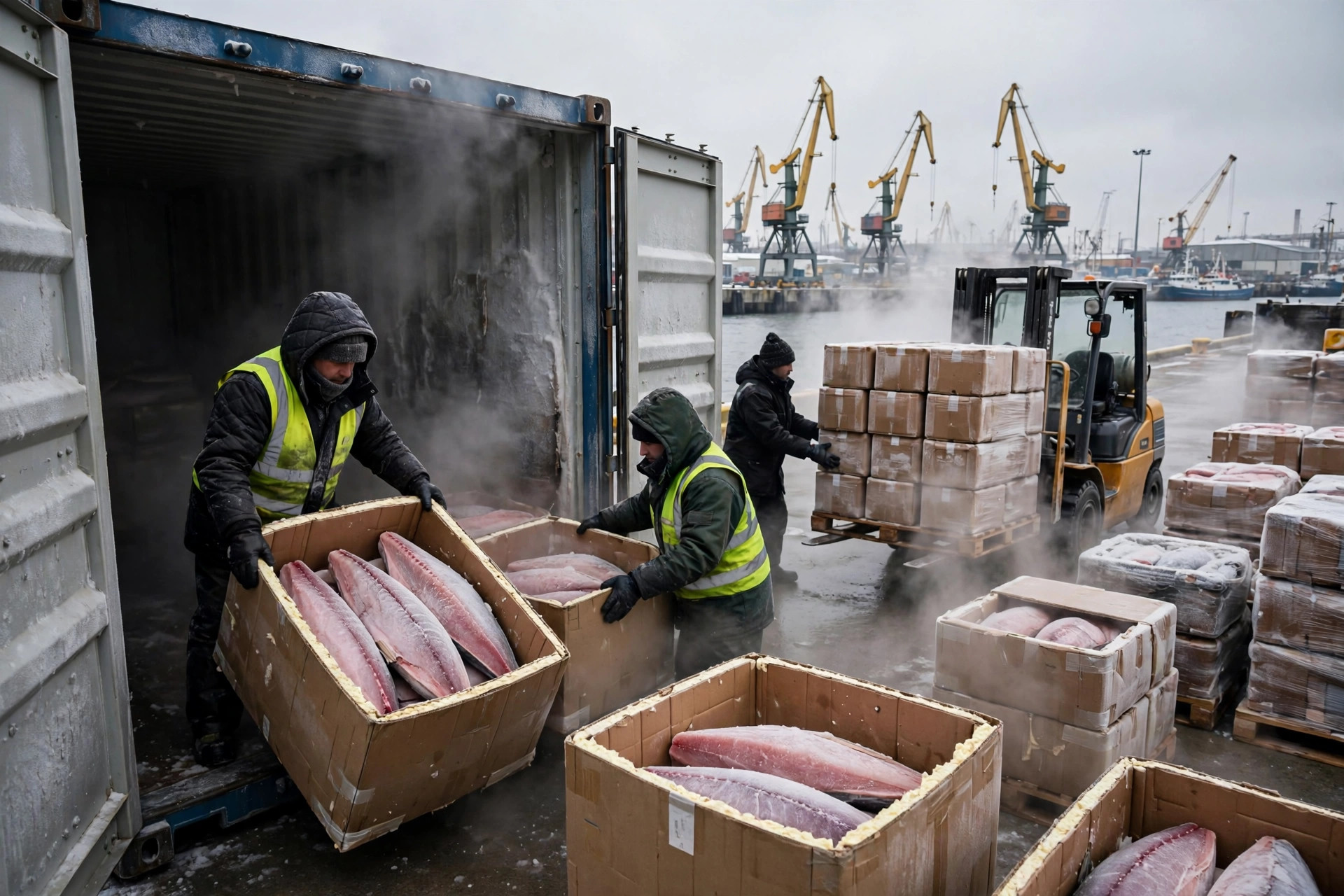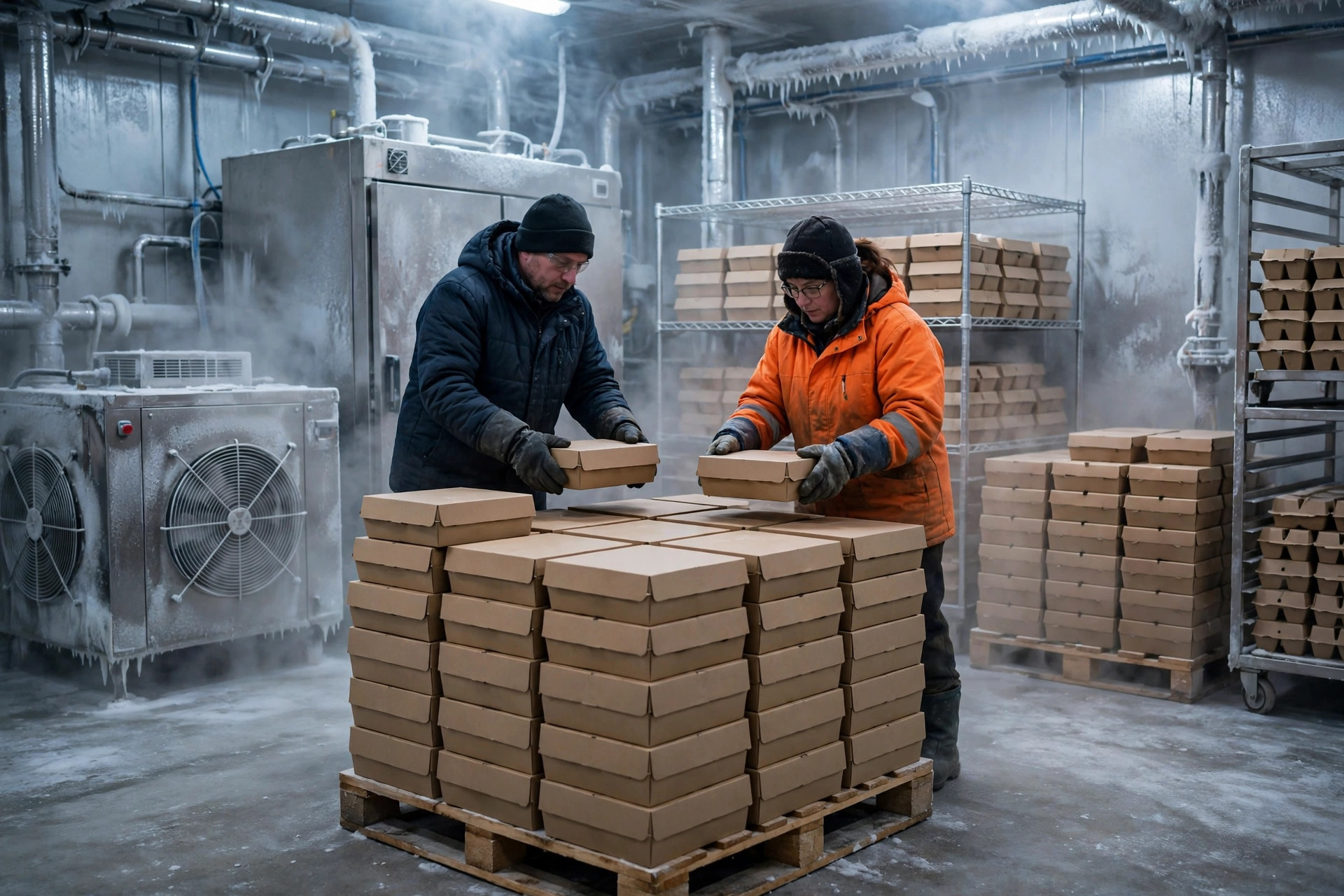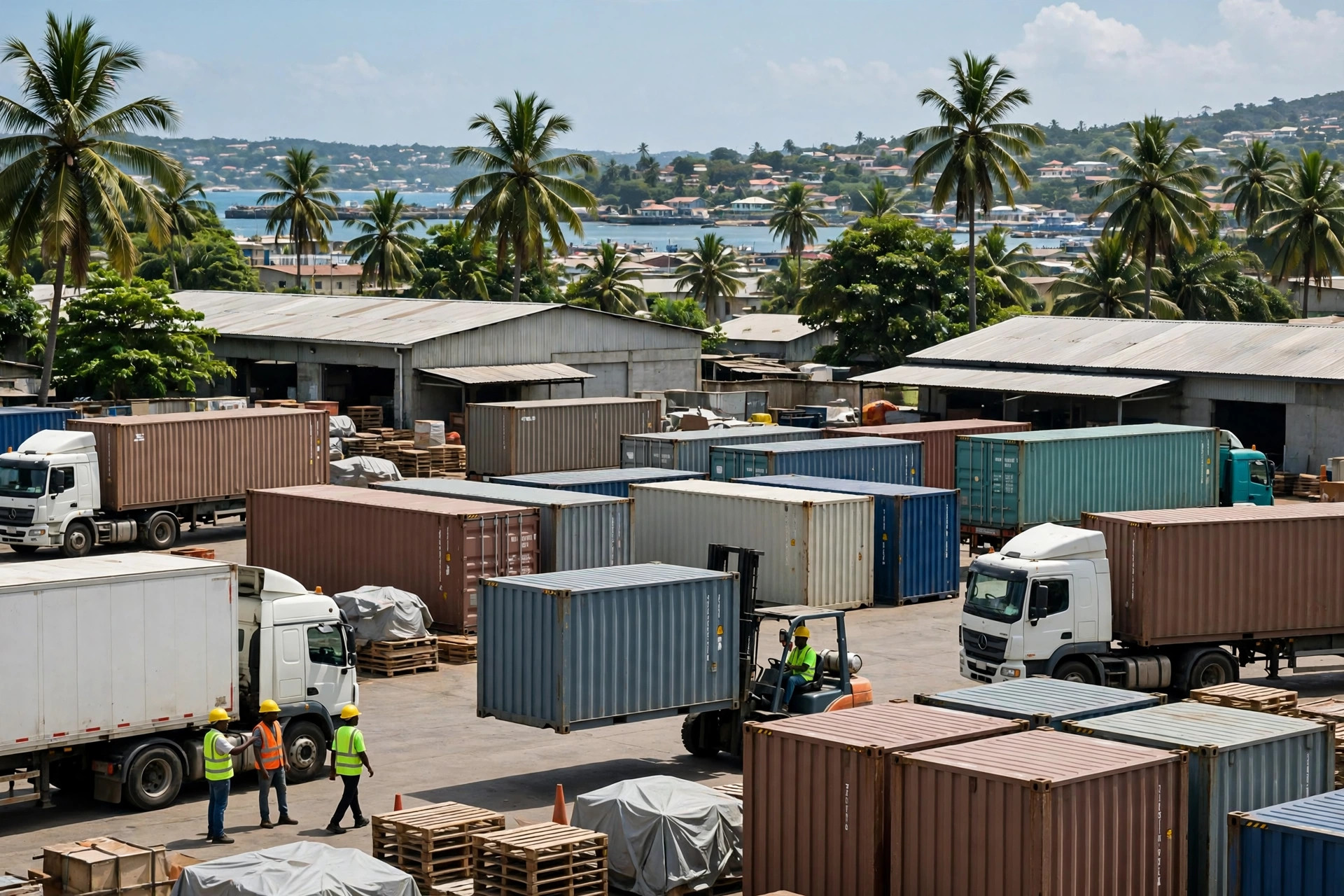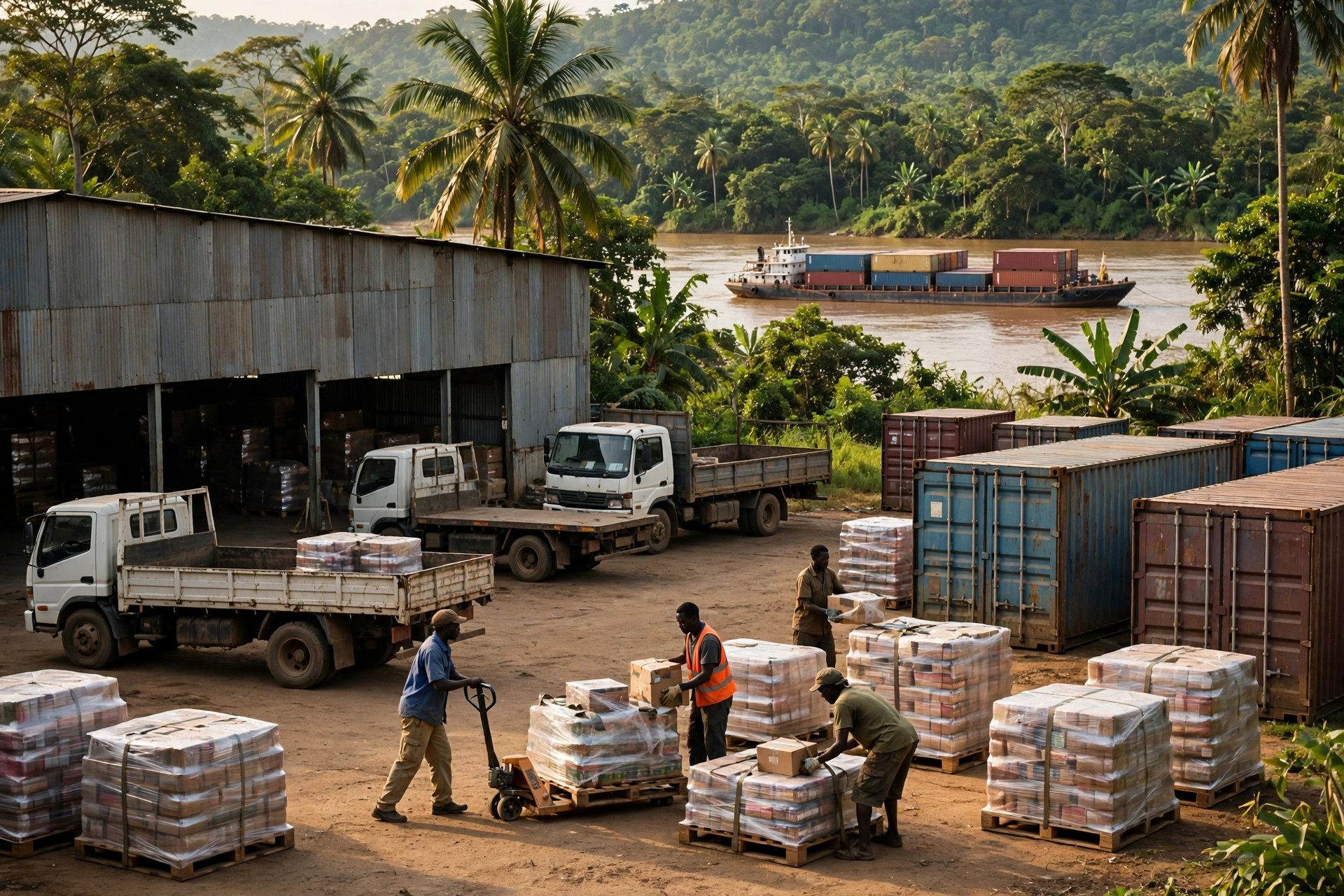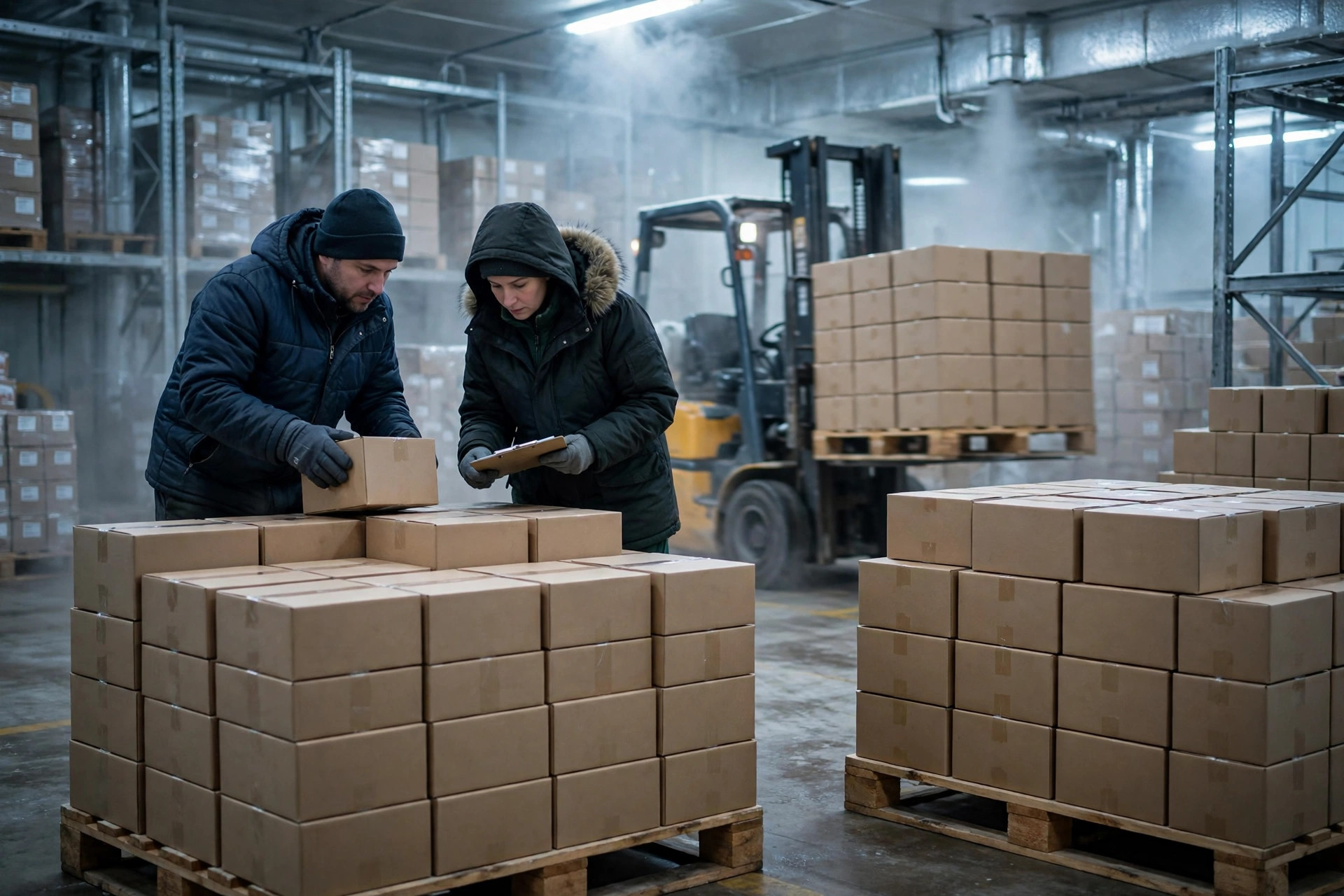
The phone rang at 3:30 in the morning. It was the night shift lead, keeping his voice down: our Korea kimchi export cold chain warehouse load at dock 2 was giving us trouble. I threw on my jacket and walked into the warehouse, already guessing what it would be. Kimchi is not like other goods. Other goods go into cold storage and sleep. Kimchi keeps fermenting. It keeps producing gas. It keeps turning more sour. Treat it like dead freight, and it will remind you with swollen bags and leaking boxes.
Let me be honest: when I first took over our kimchi export line, I made the same mistake. We managed it like ordinary frozen food. We watched the temperature, we had the paperwork in order, and we thought that was enough. Then the goods reached the overseas warehouse, the customer opened the cartons, and a few bags were swollen like balloons, with brine seeping through the bottom of the boxes. A return is not the worst part. The worst part is the customer starting to doubt your warehouse. In korea kimchi export cold chain warehouse work, the ledger is not just power bills and freight rates. It is trust.
Where the Korea Kimchi Export Cold Chain Actually Breaks
The first break happens at loading. One summer night shift, the pickup truck from the port side arrived two hours late. The truck sat outside the dock in the heat while our goods were already pulled out of cold storage, waiting on the dock. The shift lead, afraid of delaying departure, loaded half the truck before dispatch confirmed. The bags spent extra time on the dock, and the gas inside them built up a little more. At the overseas warehouse, the customer spot-checked: two out of ten cartons had swollen bags. It was not a total loss, but it was enough for a long explanation letter, and enough for the customer to ask next time: can you guarantee it this time?
After that we set a hard rule: from cold storage to truck, no waiting in between. If the truck has not arrived, the goods stay in storage. When the truck arrives, we check the trailer temperature first. If the trailer has not reached the temperature range printed on the packaging, the truck waits. The goods do not come out to sit in the heat. Drivers have argued with us about it. We argued back, and the rule stayed. Now the drivers know our warehouse: they cool the trailer down before they honk at our gate.
The second break happens when goods sit too long at the overseas warehouse. One shipment sailed fine and cleared customs fine, but the overseas warehouse had no free slots, so the goods spent extra days in a temporary cold store near the port. A few days sounds short. For kimchi that is still fermenting, a few days means the flavor has moved a long way forward. The customer tasted it, and the sourness did not match the sample. We paid the freight for that one and threw in a free replacement shipment. Since then, before any load leaves us, we ask one question: is the overseas slot confirmed? If it is not, the load waits one more day with us rather than queuing up over there.
The Korea Kimchi Export Cold Chain Ledger: What We Count Before a Truck Rolls
Do not just count freight. I asked our warehouse clerk to break down one truckload, and the biggest costs were often not on the road.
| Cost line | How we count it | Where it usually gets missed |
|---|---|---|
| Cold storage and sorting | Per pallet, per day in storage | Rework: picking out swollen bags and repacking by hand |
| Loading and dock waiting | Per truck, per hour of waiting | A late truck, goods pulled out early, sitting in the heat |
| Line haul and port handoff | Per truck, per route | Extra days in a temporary cold store near the port |
| Overseas warehouse dwell | Per pallet, per day | Flavor drift, returns, and replacement shipments |
That table hangs on the dispatch room wall. Every new dispatcher reads it on day one. In korea kimchi export cold chain warehouse operations, counting costs is not about being cheap. It is about knowing which cost line deserves the most attention. We tried spending more on packaging. We tried pricier routes. In the end, the best money we spent was on guarding the loading dock and the overseas handoff. Money spent on a step you can see beats money spent on paying for a failure later.
There is one more cost line people leave out: the crew's hands. Once a carton leaks, the box goes soft. Soft boxes tear when handled, torn boxes need repacking, and repacking piles up. When repacking piles up on a night shift, people get frustrated, and frustrated people make mistakes. So we moved the leaky-carton sorting to the day shift, when hands are plentiful, and kept the night shift on normal outbound work. Morale does not show on a cost sheet, but it shows up in the rework rate at month end.
What We Do the Same Way Every Time Now
Our routine today is nothing fancy. It is three gates, and none of them can be skipped.
Gate one is inbound. When goods arrive, we look at the packaging first. Bags that are swollen, seals with brine stains, all go to a separate zone. They never get mixed in with good stock. We learned that lesson the hard way: one damp carton soaked the corner of a whole pallet, and we had to open the entire pallet to check it. Separate stacking takes a little more space and saves a whole pallet of rework.
Gate two is outbound. Before the outbound order is released, dispatch confirms the overseas slot, then confirms the trailer temperature. If either confirmation is missing, the order does not go out. When we first set this rule, the sales team said we were slow, that the customer was pushing hard. I told them goods queuing at an overseas warehouse cost far more than goods waiting one more day with us. They came around. Now when a customer pushes, sales pushes on the overseas slot first, not on the departure time.
Gate three is exceptions. If anything goes wrong on the way, one temperature excursion or one dwell overrun, the goods get spot-checked at the overseas warehouse before putaway. Pass the check, they go on the shelf. Fail it, they go straight into the return process. No hoping for the best. Hoping once might save one freight bill and lose one customer.
Here is a judgment that goes against common sense, and some of my peers do not like hearing it: for kimchi export, colder is not always better. Push the temperature too low and fermentation slows down, but flavor and texture drift too, and the customer will still reject it. The right move is to hold the temperature range printed on the packaging, steady, without swings. Swings hurt more than a steady temperature slightly on the warm side, because gas in the bag expands and contracts, and that is when seals fail. Steady beats cold.
One industry note worth knowing: Korea is building a cold chain center in Europe, in Rotterdam, planned to open in 2027. It is not built yet, so do not write it into a routing plan as an existing hub. But it points to where things are heading: overseas handoffs for kimchi export will keep getting more formal, and a warehouse with solid slot confirmation and inspection routines will plug right in.
A word to fellow warehouse folks before I close: the more you treat kimchi like a living product, the less trouble it gives you. Before a load leaves, ask whether the overseas slot is confirmed, check the trailer temperature one more time, and look at whether the bags are swelling. Three nagging questions, each one paid for with a past loss. That is the whole job in korea kimchi export cold chain warehouse work. Next time the phone rings at 3:30 in the morning, I hope it is not about swollen bags.
By Chen Feng, Warehouse Operations Manager