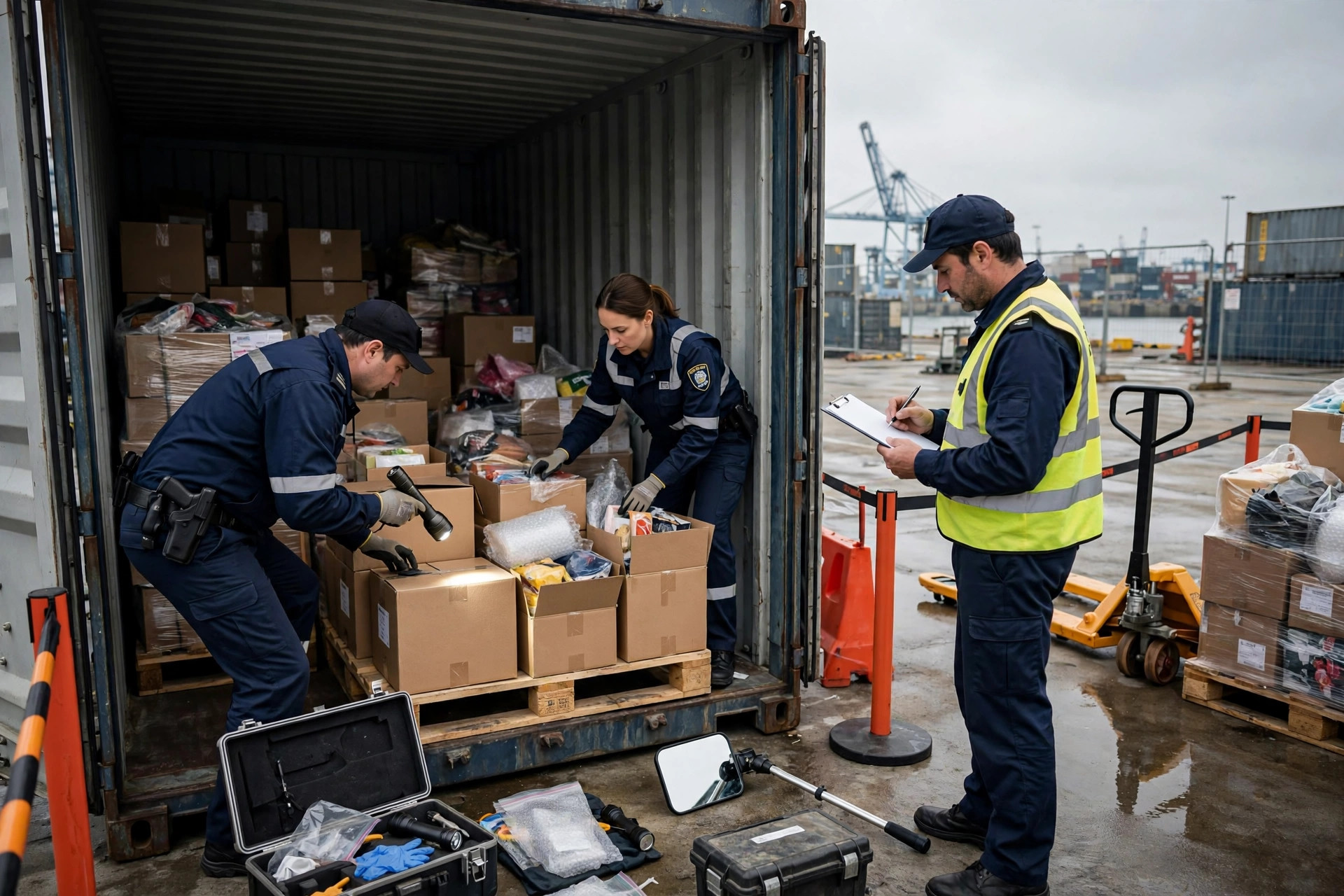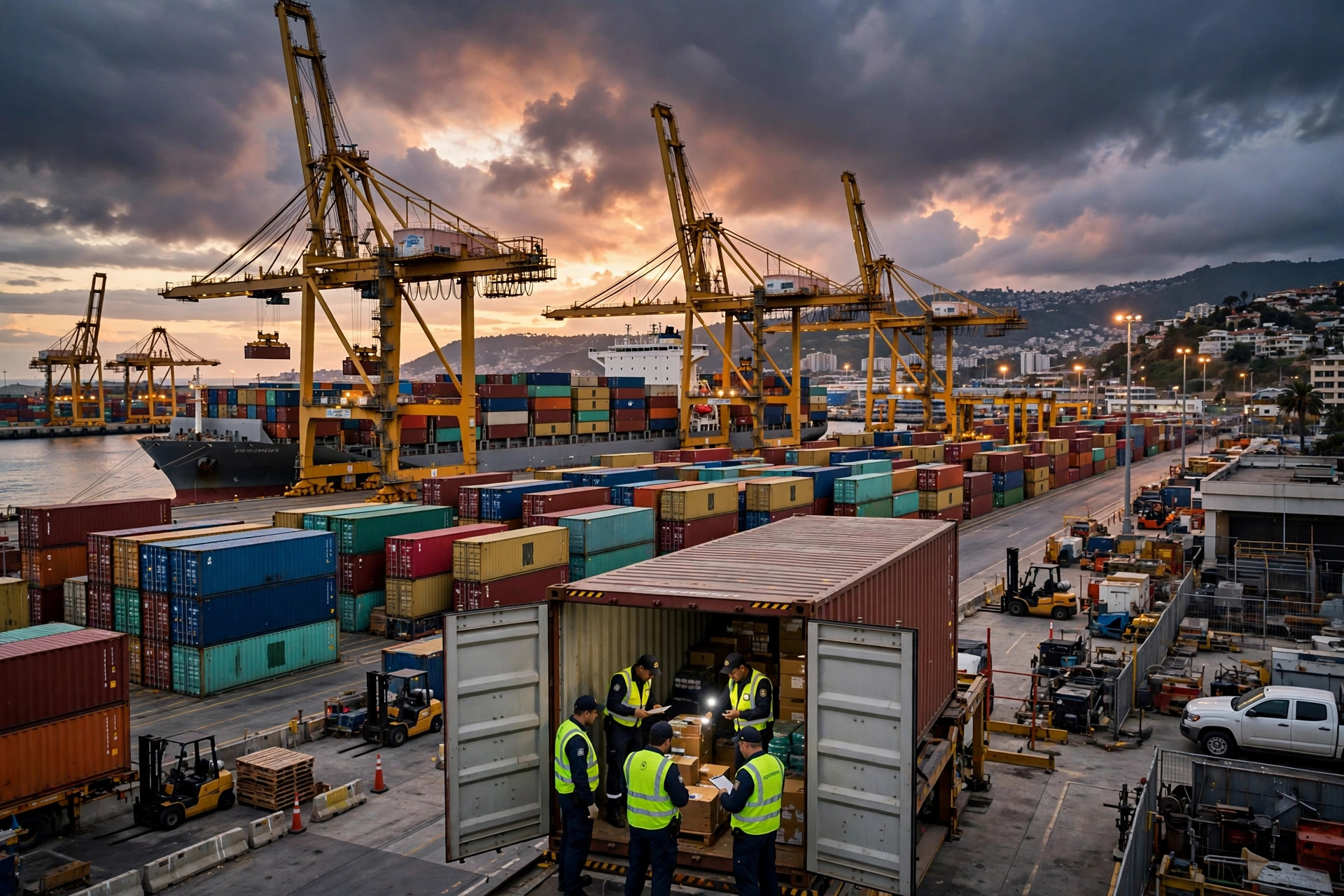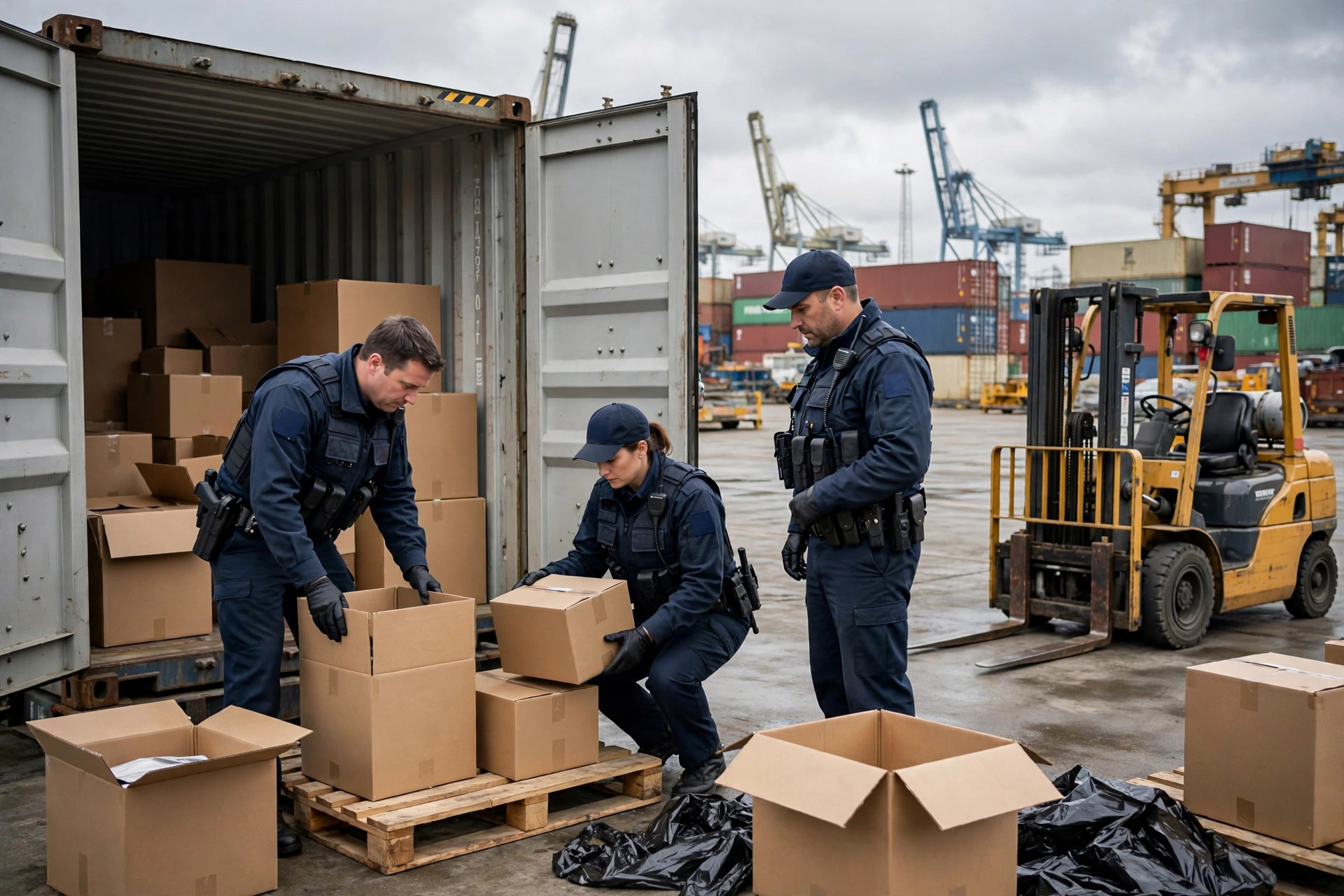
Let me be clear about what this article is NOT. My October 5 piece was the explainer — what VACIS, Tailgate, and intensive exams are, roughly what they cost, how long they take. This is the sequel: what actually happens after your container gets flagged for an intensive exam, where every dollar goes, and how to claw back every hour. If you've read the explainer, skip to section two.
Getting the call that your box got pulled for intensive feels like this: the container is already at the Port of LA, and your forwarder goes quiet on the phone. "So... CBP wants to do an intensive on your container." Your first thought isn't about money — it's: my entire peak-season inventory is in that box. We're done. But sooner or later the money question hits, and it's the one nobody answers straight: how much does a CBP intensive exam actually cost an importer?
Okay. Rant over. Time to work. Below is a real bill from April 2026 — a 40ft container at LA/Long Beach, 12 days, full intensive cycle. I've tagged every number with its source because ports and CES operators price differently. Don't treat this as an official price list.
A Real 2026 Bill: How Much This CBP Intensive Exam Actually Cost
| Line item | Amount | Notes |
|---|---|---|
| Exam itself (CES unload/reload) | $1,500–$2,500 | Full strip-and-repack of a 40ft; one LA-area CES tariff lists 20ft devanning from $295, 40ft runs higher |
| Drayage (terminal ↔ CES, round trip) | $400–$600 | Bonded carrier, a few hundred bucks each way |
| CES storage / queue wait | $450–$900 | $50–$100/day; 6–9 days in the exam queue is normal |
| Broker coordination + docs | $150–$300 | Document package, CBP/CES liaison |
| Total | ~$3,500–$4,000 | Before detention and stockout losses |
Notice: the exam fee itself is only about half. The real bleed is storage and time. An intensive exam runs 7–30 days (per zbaologistics' 2026 data; freightright quotes a rosier $1,000–$2,500 over 5–7 days), and every extra day your box sits at the terminal burns $250.
VACIS vs. Tailgate vs. Intensive: CBP Exam Cost and Timeline Compared
| Exam type | Cost (2026 mainstream figures) | Timeline | Notes |
|---|---|---|---|
| VACIS (X-ray) | $200–$582 (zbaologistics); $150–$250 (freightright) | 24–48 hours | Non-intrusive, seal stays on |
| Tailgate exam | $300–$1,500 (zbaologistics); $150–$350, 2–3 days (freightright) | 1–7 days | Doors opened, peek inside, no unloading |
| Intensive exam | $1,500–$5,000+ (zbaologistics, 7–30 days); $1,200–$2,500 (legalclarity, 7–14 business days); $500–$1,000+ (shapiro, conservative) | 7–30 days | Full unload, full inspection, reload |
The three sources don't agree — that's normal. Different ports, different years. Ask your broker for your port's CES tariff and use that. Here's the counterintuitive part: VACIS looks cheapest (sometimes it's even free), but it's the screening step for intensive. Anything suspicious on the X-ray image escalates you straight to intensive, and the money you already spent doesn't come back. So getting flagged for VACIS isn't the time to relax — it's the time to start assembling your document package.
Terminal Storage vs. CFS Transfer: A Math Problem a Kid Could Do
This is the most valuable section of the whole article. Once intensive is confirmed, you have two choices:
| Option | Storage cost | When it makes sense |
|---|---|---|
| Leave the box at the terminal | $250/day/container | Exam wraps up in 1–2 days (basically never) |
| Transfer to a CFS immediately | $400–$600 transfer + $50–$100/day CFS storage | The standard intensive playbook |
Do the math on a 12-day exam: terminal storage = $250 × 12 = $3,000. CFS = $600 (transfer) + $75 × 12 (mid-range storage) = $1,500. One transfer saves $1,500; on a 20+ day exam it saves $2,000–$5,000 (zbaologistics 2026 figures).
That's the trade-off: the transfer costs money upfront and feels painful, but it's damage control. When your broker says "intensive, arranging transfer" — sign the authorization. Don't hesitate. That money is well spent.
One catch: the transfer uses a bonded carrier and can't move until CBP issues the transfer order. You can't just will it to happen. Which is why the next four things have to be done within 24 hours.
4 Things to Do Within 24 Hours of Getting Flagged
- Confirm the exam type with your broker, same day. Your broker gets the CBP notification in real time and can tell you within minutes which tier you're in. Don't guess — VACIS and intensive are completely different playbooks.
- Authorize the CFS transfer immediately. The transfer order, bonded truck booking, and CES queue are all scheduled by the hour. Every day you delay authorization is another day in the queue with the meter running.
- Deliver a complete document package within 24 hours. Commercial invoice, packing list, bill of lading, ISF confirmation, product certs (CPC, test reports), any prior CBP correspondence. Incomplete docs are the #1 reason exams drag past the minimum timeline — CBP won't release your cargo because you haven't sent paperwork; your box just keeps waiting in line.
- Notify downstream: warehouse and sales. This is the one everyone forgets. Your exam box is your inbound — receiving plans, FBA appointments, promo calendars all shift back. If ads are running, dial the budget down before you're paying for clicks on inventory that isn't arriving.
How Your Warehouse Receives This Mess
This one's for sellers with their own warehouse or a 3PL. When the box clears the CES, two options: truck it back to your warehouse, or have the CES devan and split-ship.
My move: for exams running past 7 days, have the broker arrange a CES devan with partial shipments — urgent SKUs go out LTL to FBA/warehouse first, the rest comes back as a full box. That minimizes stockout damage. On that April 2026 container, the first 30% shipped out on day 9. FBA never went out of stock, and I didn't have to kill all my ads.
And prep your 3PL/warehouse in advance: an exam box's arrival date is Schrödinger's date. Build flex into receiving plans. My 3PL now auto-pushes my receiving window two weeks out the moment I send an exam notice — we negotiated that ahead of time.
Who Actually Pays? Don't Count on Anyone Else
One sentence: the importer of record pays 100%. CBP itself charges nothing for the exam; the bills come from the CES operator, the drayage company, and the steamship line (demurrage/detention) — all addressed to the importer. Your forwarder just forwards the invoice. Insurance? Standard marine cargo insurance doesn't cover exam fees or delay costs, only physical damage to the goods. LCL splits the cost by volume; a full container is all yours.
So don't waste time after the fact arguing with your forwarder about "why didn't you warn me" — it's in the contract. The right move is before the fact: confirm with your broker what their exam emergency process is, which CES they work with, and pre-sign the transfer authorization.
Pitfalls, Tested by Me
- A timely, accurate ISF filing is the cheapest insurance there is. Late or wrong ISF = way higher exam odds, plus a fine on top. I check the 10+2 myself before every shipment instead of dumping it all on the forwarder.
- Don't play games with product descriptions and HTS codes. The duty you save by misdeclaring won't cover a fraction of one intensive exam. Tile importers are exam magnets for exactly this reason.
- Carry 15–20 extra days of safety stock before peak season. Exams don't check your calendar — they hit exactly when you're about to stock out. For 2026 Q4 I'm planning every container as if it could get a 10-day exam.
Here's the move that actually works for me: pre-sign the CFS transfer authorization and keep it on file with your broker so it activates the moment an exam notice lands. I've been hit with intensive twice in 2026, averaging 9 days to release, and neither bill cracked $4,000. Having the initiative looks useless on a normal day — until the day it isn't.
By Ah K, E-commerce Seller (5 yrs)