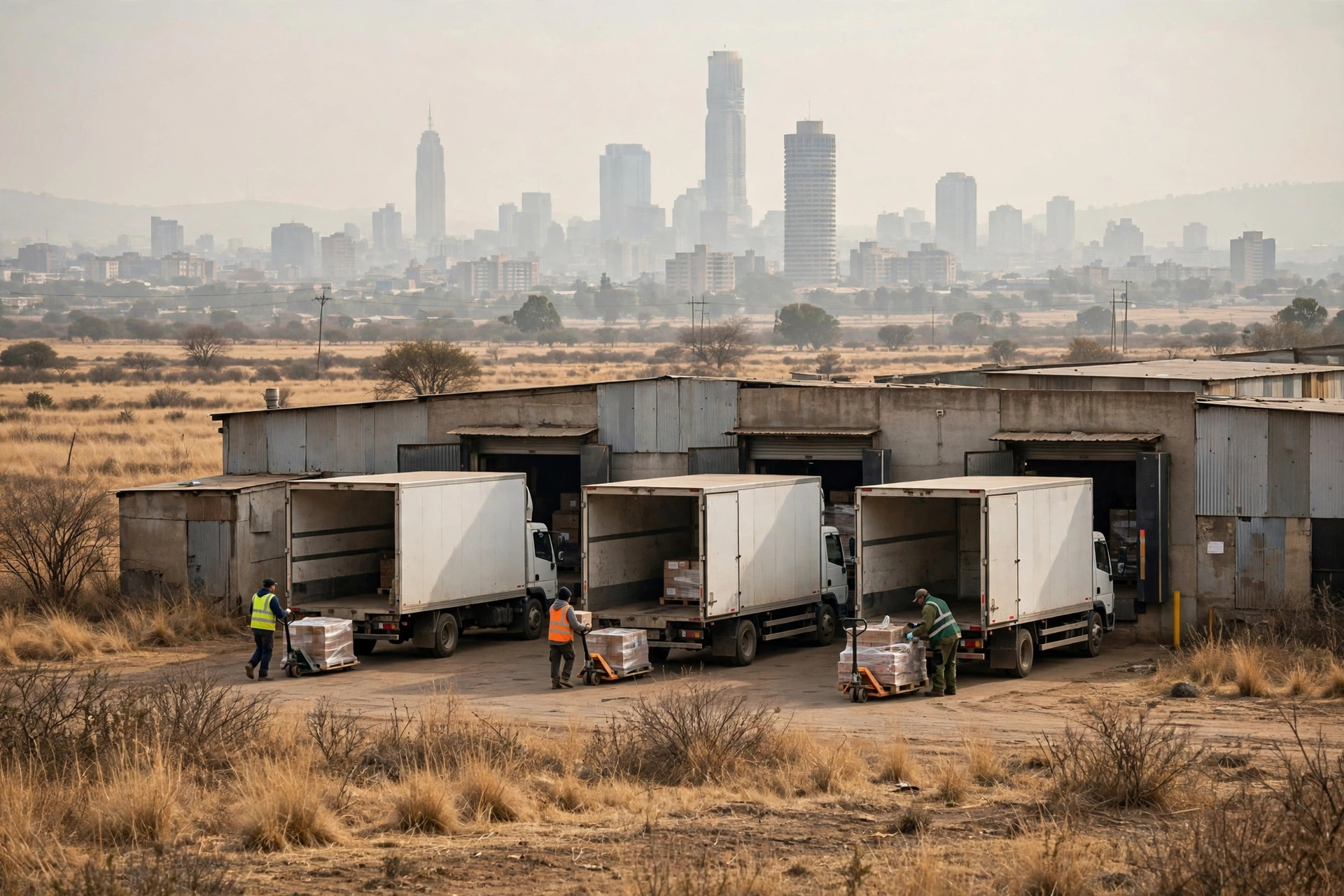
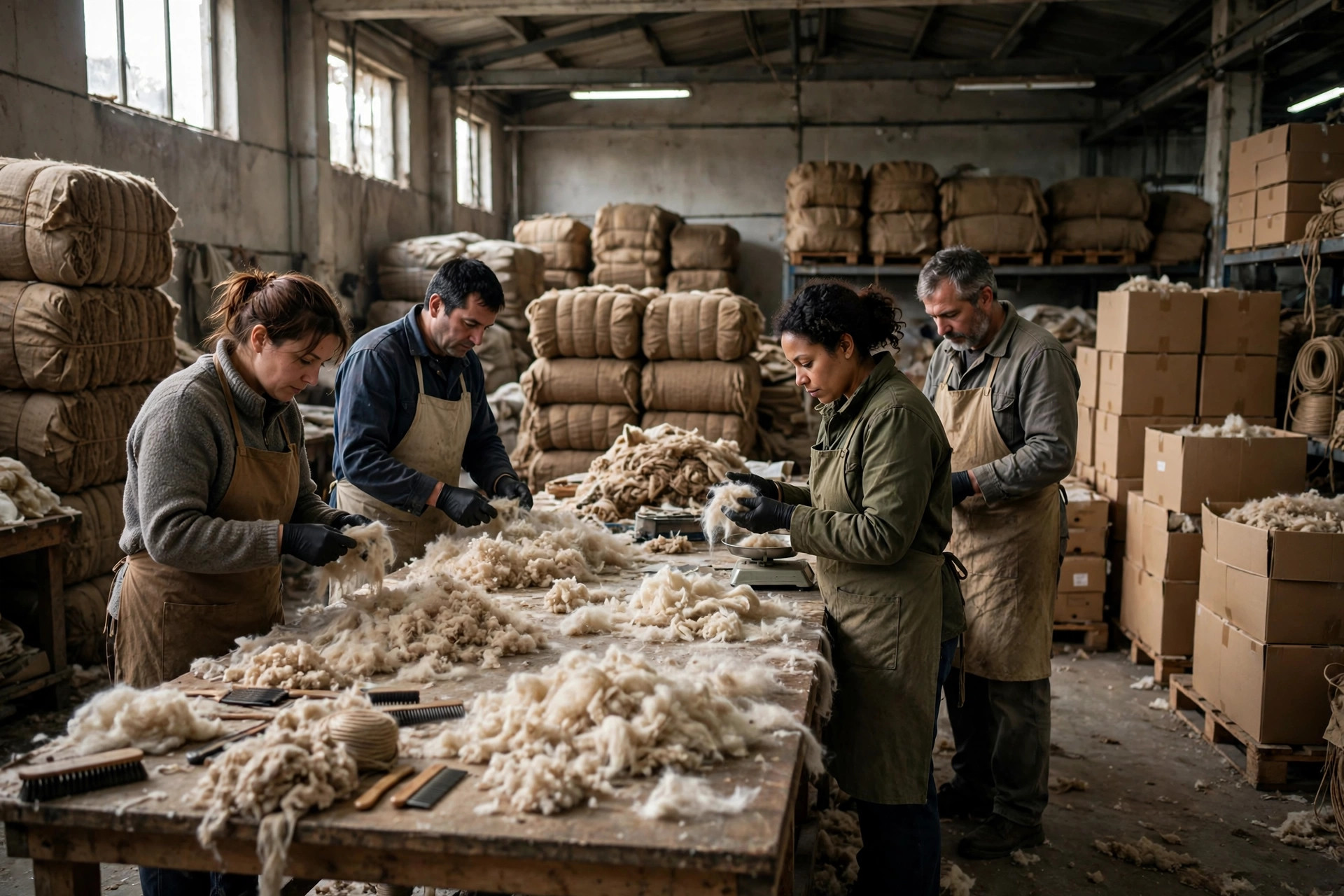
Belize sugar export warehouse storage comes down to one lesson I learned the hard way on the road: sugar is not difficult because it is heavy. It is difficult because it drinks moisture out of the air. Let me tell you about a morning in September 2024. I picked up a 26-ton load near a sugar mill warehouse outside Orange Walk, bound for a transit warehouse in the Belize City port area. The sky was clear at loading. Halfway there, a rainstorm hit. By the time we unloaded, the mouth of one bag was already sticky. That load cost us most of a day in re-sorting and re-bagging, and I told the shipper straight: do not blame the rain. Blame the warehouse.
Belize rain arrives without an invitation, and the air stays wet for long stretches. Sugar pulls that dampness in fast. A bag can look sealed and still go wrong if it sits in the wrong place, because moisture creeps up from the floor and in from the wall, and the bottom layer goes first. Once sugar cakes or turns sticky, a buyer sees it at inspection, and the whole lot loses its shine. The price you agreed back at origin is no longer the price you can defend at the port.
Belize Sugar Export Warehouse Storage, Story One: The Stack Against the Wall
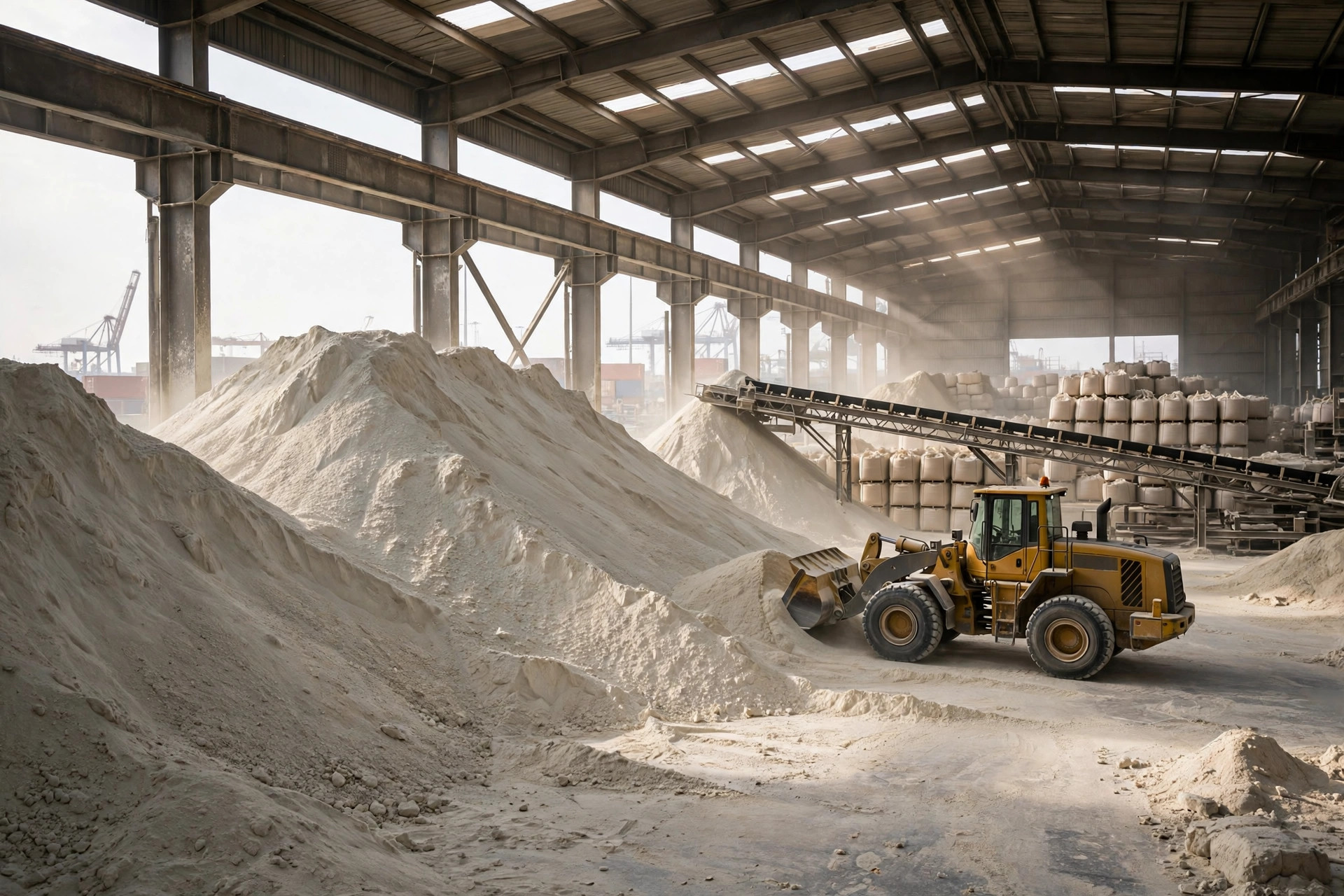
In the rainy season of 2023, I went to collect a lot ready for shipment at that same Orange Walk warehouse. The warehouse keeper pointed at a stack and said everything was ready. I walked around it, pressed a bag on the wall side, and it felt soft. We opened it up: the bottom two bags had caked, and the bags above them, though they looked fine, were already damp at the base. The stack had been pushed hard against the wall, so wall dampness had nowhere to go. It sat trapped against the bags.
That lot had been in the warehouse for 11 days. The first three were fine. From the fourth day on, rain kept coming, the wall started sweating, and by the eighth day the bottom layer was gone. In the end, 18 bags from the bottom were pulled out for rework, the good bags shipped on schedule, and the ship never waited. But the rework labor, the replacement bags, and the re-stacking time were money thrown away. What does this tell us? In a sugar warehouse, the wall is not decoration. A stack needs breathing room from the wall, pallets must sit off the floor and off the wall, and the wall-side stacks need a daily hand check. Feeling a bag by hand looks old-fashioned, but it beats any instrument for this job. The moment a bag feels soft, isolate it. Do not wait until the whole stack feels soft.
Belize Sugar Export Warehouse Storage, Story Two: Rushing the Container
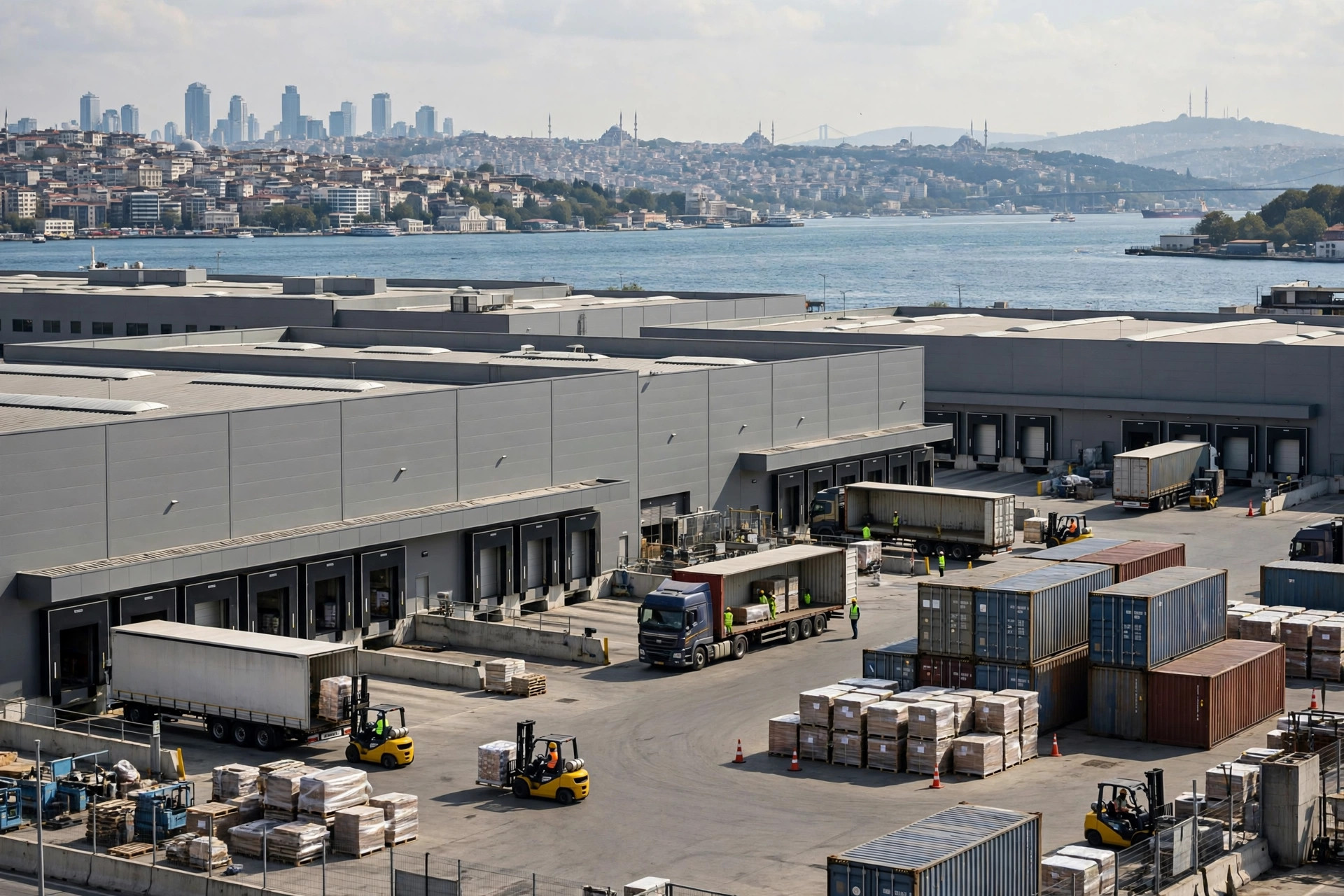
In October 2024, at the Belize City port area, I watched the opposite mistake. A shipper was chasing a vessel, trucks arrived, and the crew was told to stuff the container at once. Bags that had just come out of the rain went in before their surfaces had dried, packed tight, with no air channels left in the middle. I told the gang leader plainly: close that door, and you lock the dampness in with the sugar. On a sea voyage of days and weeks, that container becomes a steamer.
Sure enough, at the destination port the buyer opened the container, sampled it, found caking in the middle bags, and tightened inspection on the whole container. Sampling went up, unloading dragged on, and the argument dragged on longer. The half day saved by rushing was spent twice over on inspection and dispute. What does this tell us? Loading a container is not stuffing it full. Bag surfaces must be dry first, air channels must stay open, and rain-wet loads need time in the warehouse to dry and be felt by hand before loading. You can rush the truck, and you can rush the paperwork. You cannot rush dryness.
What These Stories Mean: A Sugar Warehouse Manages Three Things
After this many years on the road, I reckon Belize sugar export warehouse storage manages just three things: dry, open, and separated. Dry means the bag is dry, the floor is dry, and the pallet is dry, checked before the goods go in. Open means air can move between stacks and between stack and wall, so dampness has somewhere to go. Separated means good bags and suspect bags never share a stack, and a doubtful bag goes aside on its own, never mixed back into good goods to make up the numbers.
Here is a counterintuitive judgment most people refuse to believe: the most expensive place in a sugar warehouse is not the dearest bay. It is the bay with the least rework. A cheap bay with a sweating floor and dead air will eat every cent saved on rent in rework and price cuts. A dry bay with good airflow, close to the port, may charge more per square meter, yet one avoided rework pays the difference back. So do not judge warehouse cost by rent alone. Judge it by the cost of getting each ton out in good condition. That is the money the shipper truly spends.
Counting the Cost: Price the Good Ton, Not the Square Meter
When a shipper asks me whether a warehouse is expensive, I never answer expensive or cheap straight away. I ask one question first: how many bags did you rework on the last lot? Add up the reworked bags, the re-bagging labor, and the extra inspection time, then divide by the tons shipped in good condition. That is the real warehouse cost of the lot. The danger is that the saving shows up on the rent invoice while the loss hides on the rework sheet, and it takes the buyer's confidence in your quality down with it. Confidence, once lost, makes the next price negotiation harder. So check the floor first: is it dry, does air move, does somebody feel the wall-side stacks every day? If those three pass, a higher rent is worth it. If they fail, I would not advise you to move in at any rent.
Advice for Shippers and Warehouses: Work From This Table
| Stage | Where it usually goes wrong | Do it this way |
|---|---|---|
| Receiving | Counting bags only, never feeling them | Count the bags, then feel the bottom and wall-side bags of every stack; soft bags go aside |
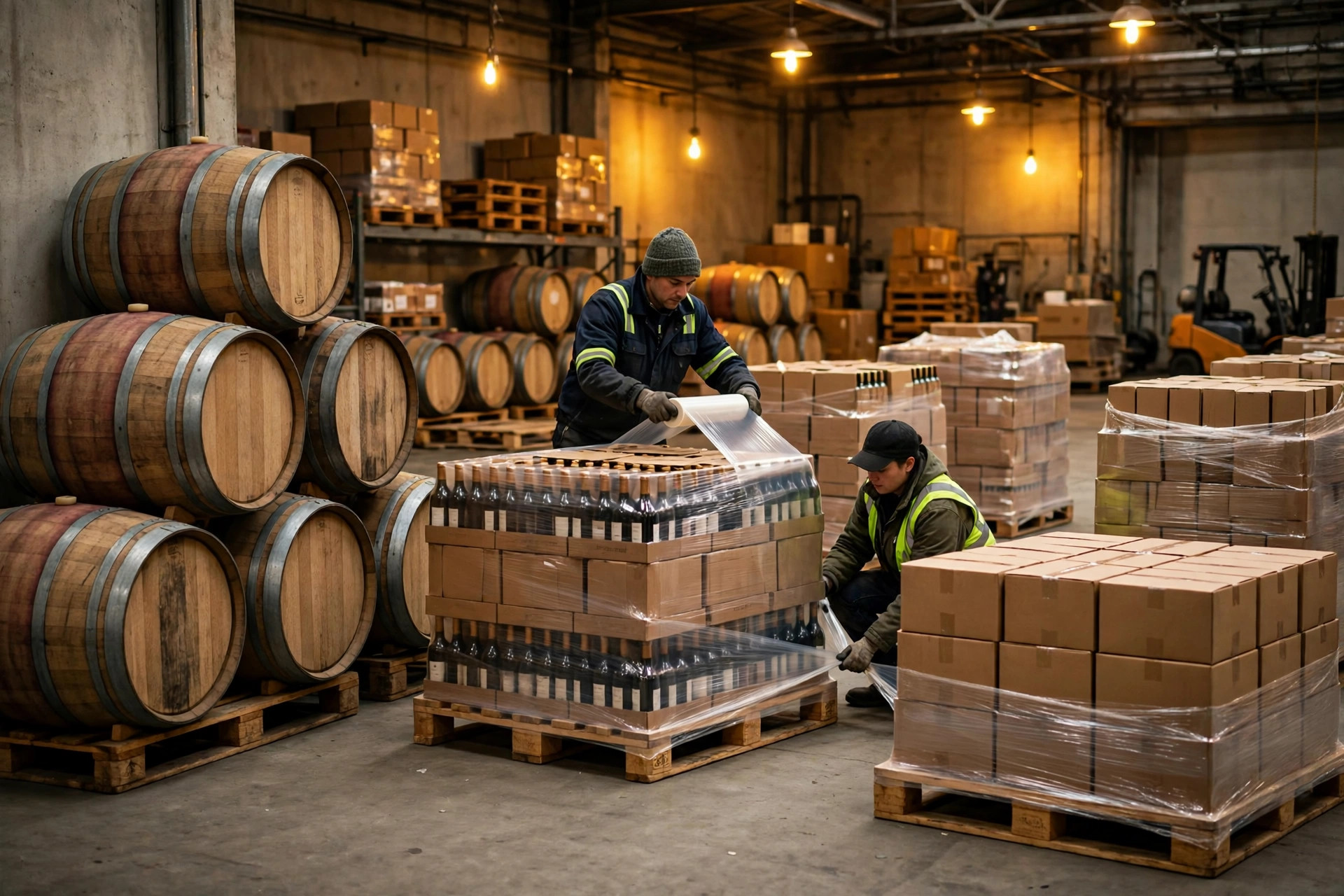
| Stacking | Pushed against wall and floor to save space | Pallets off floor and wall, air channels between stacks, wall stacks felt daily |
| Rainy-season checks | Same routine in rain as in sunshine | Extra checks on floor and walls in rain; check the bottom layer first after rain, before the buyer finds it |
| Container loading | Loading before bag surfaces are dry, to catch a vessel | Dry bag surfaces first, keep air channels in the container, never rush dryness for a sailing |
| Pre-shipment inspection | Sampling only the easiest stack | Sample by stack location, covering wall stacks and bottom layers; hold any stack that fails, alone |
Destination-port paperwork, inspection, and packaging rules change, so treat the latest official guidance as the authority and do not take my word for policy. But the warehouse rules above come from the road, and they do not change with policy: check dryness on receipt, leave air channels when stacking, check often in rain, never rush dryness at loading, and sample by stack before shipment. Keep the record straight too: which lot, which stack, which day it was checked, which bag was reworked. When something goes wrong, the record points straight at the stack instead of leaving everyone guessing.
I will leave shippers and warehouses with an old saying from the road: sugar is a sweet trade, and it fears one mouthful of damp air. Leave one more gap in the warehouse, and you will do one less rework on the road. Do not wait until the buyer opens the container to remember the air in the warehouse was never managed.
By Shifu Zhao, Trucking Veteran (15 yrs)