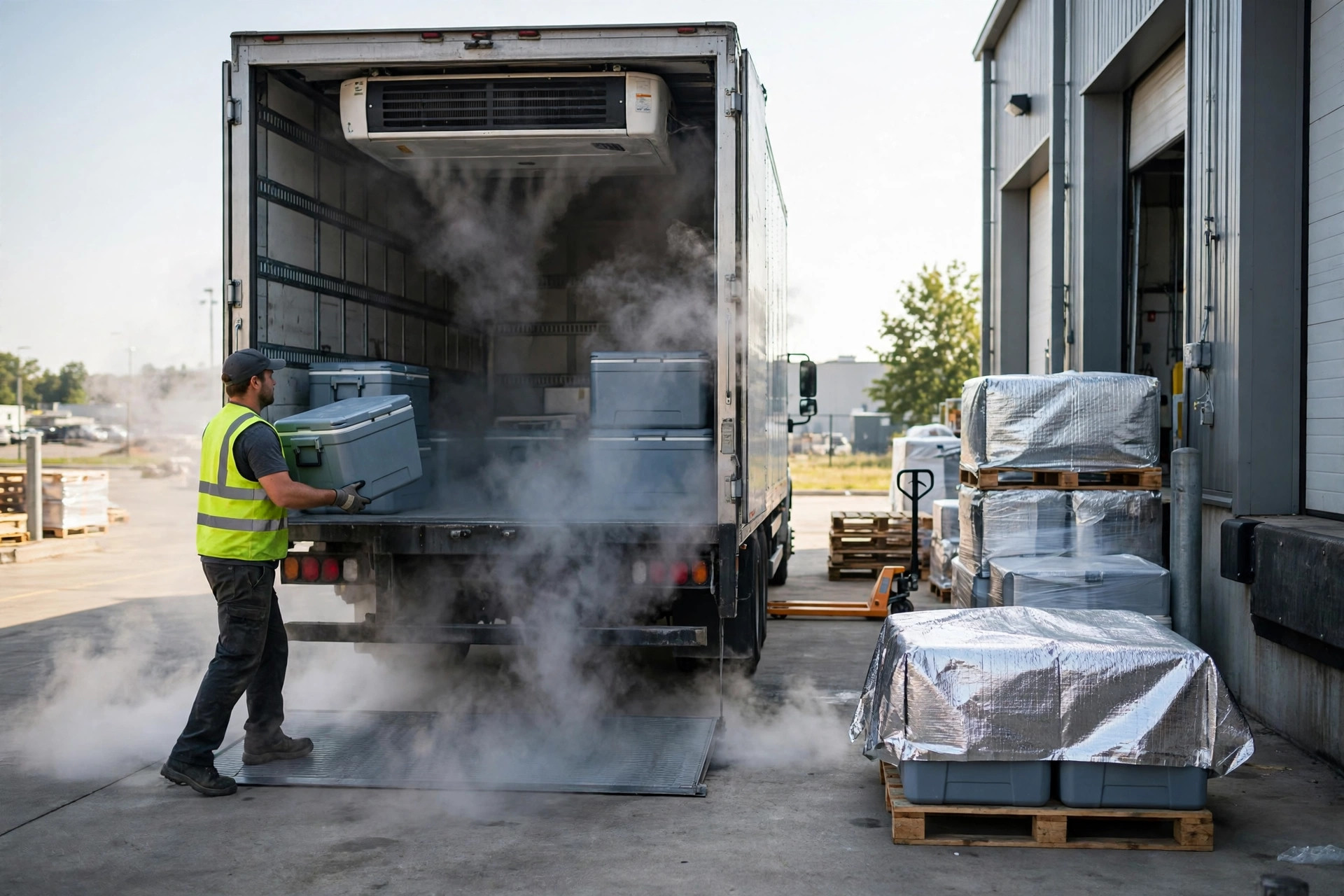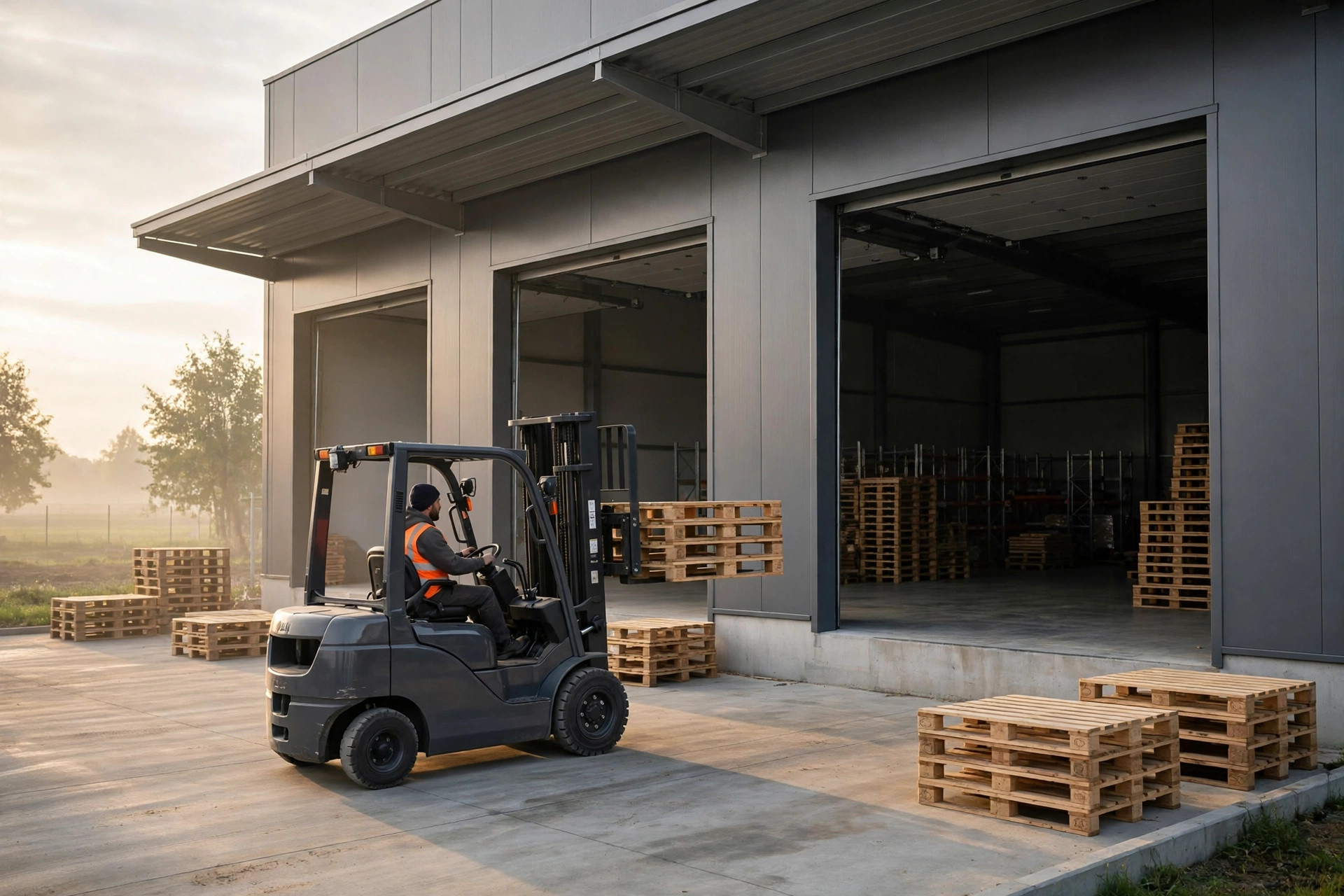
One of our clients — an outdoor gear brand — signed with a 3PL outside Dallas in the fall of 2024. He'd toured the warehouse once before signing and told me: "The place looked impressive. The rep said their system was state of the art; peak season would be no problem." Three months later, peak season hit and he spent every morning staring at the mis-ship rate — it was nightmare fuel. He brought me the contract afterward. Two pages in, I was laughing: adjectives everywhere, zero verifiable commitments. That's why I wrote this 3pl warehouse tour checklist — the insider version, from someone who has spent over a decade on the selling side of the table.
Most shippers tour a warehouse with their eyes. We on the 3PL side show up with a script. Today I'm spilling our side of it: what salespeople dread being asked, which lines are pure sales talk, and what you absolutely must verify in person. Next time you walk a facility, bring this 3pl warehouse tour checklist and work straight through it.
The 3pl Warehouse Tour Checklist, Item One: "Our System Is Advanced" Means Nothing Until You See It Live
I've been in 3PL sales for over a decade, and "our system is advanced" is a line I've heard — and, fine, used — on every single deal. Why does everyone say it? Because it can't be disproven. Ask for the slide deck and you'll get a forty-minute architecture lecture. Ask them to scan one live shipment and watch the room change temperature.
On the tour, make three demands. First, pick a random SKU that's supposedly in stock, have an operator look it up in the system, then walk to the rack and find the physical goods. Time it. Second, ask for a full returns demo — one return from receiving to putaway, with every touchpoint logged in the system. Third, ask this: "Can you give me a read-only login so I can check my own inventory?" The ones who say yes usually have a real system. The ones who mumble about "process" are running on PowerPoint.
One of our clients, a beauty brand, toured a facility near Los Angeles in the summer of 2024. The rep talked up the system like it was mission control. She asked the warehouse supervisor to look up one shipment on the spot. Five minutes of clicking later, he said, "That carton might still be in the staging area." She walked out. Afterward she told me: "If they can't find their own freight, my freight is the next thing sitting in 'staging.'" You don't need to be technical to verify a WMS — you just need to know how to ask someone to find something.
The 3pl Warehouse Tour Checklist, Item Two: Occupancy, Fire Safety, Temperature — Evidence Only, No Adjectives
Salespeople love saying "we have plenty of capacity." Plenty is how much, exactly? Ask for the occupancy rate — and listen to how they answer. If they can't answer, they haven't looked at their own reports. If they fire back "seventy, eighty percent" without blinking, ask to see the empty space: what empty slots actually look like, whether the racking is new or sagging. Here's an insider trick we don't love sharing: check whose trucks are in the parking lot and whose freight is on the dock doors. The current tenant mix is more honest than any occupancy number — if three other tenants already sell your product category, congratulations, you'll be fighting over the same pickers when peak season explodes.
For fire safety and temperature control, don't accept "we're fully compliant." Ask: can I see the fire inspection sign-off? When was the sprinkler system last serviced? For a temperature-controlled building, ask for last week's temperature logs, exported. Anything involving specific standards should be tied to the local fire authority's acceptance and applicable regulations — and don't just ask it, write that sentence into the contract. Verbal promises evaporate.
Now a contrarian take: the prettiest warehouse is not necessarily the right one for you. I've seen facilities polished like showrooms with disastrous slotting logic — pickers walking miles of wasted steps every day. I've also seen older, uglier buildings with crystal-clear location coding and mis-ship rates so low they'd make you jealous. And here's the dirty secret about tour day: the tidiness is staged. They've known you were coming for a week — of course it's clean. What we salespeople actually fear is the surprise visit: no appointment, straight to the dock door, one look around. That one look is the truth.
Item Three: People Matter More Than Racks — Read the Shift Roster, Not the Shine
Shippers tour with their eyes on racks and equipment. We on the inside know what actually decides whether you survive peak season: people. Ask three things: how many people work this building right now, where peak-season temps come from, and how far in advance they can be on site; whether there's a real night-shift crew or everything depends on the day shift working overtime; and whether pickers are paid by piece or by hour — piece rate is fast but sloppy, hourly is steady but slow. Neither is wrong. Only wrong for your category.
While you're at it, glance at the floor flow: if inbound and outbound share the same staging area, peak season will be chaos. If the returns area is a forgotten pile in the corner, they don't take reverse logistics seriously — and if your category has heavy returns, walk away.
Turn What You Find Into Contract Terms
A warehouse tour isn't sightseeing — it's leverage hunting. Here's how findings translate into terms:
| What you find on the tour | What you demand at the negotiating table |
|---|---|
| Lots of empty slots, low occupancy | Tiered pricing: the more volume you give them, the lower the unit rate — in writing |
| They've never handled your category | KPI bet: miss the mis-ship or on-time-ship targets, and the service fee gets docked |
| No plan for peak-season labor | Peak labor guarantee clause, with headcount minimums and start dates spelled out |
| They won't demo the system live | A stress test before go-live, written into the appendix — fail it and you can walk |
| Returns area is a mess | Returns processing SLA as its own line item, with daily penalties for missing it |
And here's a scorecard I actually use — eight dimensions, score it on the spot, and anything under 70 walks:
| Dimension | Weight | How to score it |
|---|---|---|
| Live system demo | 20% | Will they look up a random SKU? Will they open a read-only login? |
| Real occupancy and tenant mix | 15% | See empty slots with your own eyes; ask how many tenants share your category |
| Fire and safety evidence | 15% | Inspection sign-offs, maintenance records — verbal doesn't count |
| Temperature control (if relevant) | 10% | Exportable temperature logs; ask how alarms work |
| People and shifts | 15% | Where peak labor comes from, night-shift crew, pay structure |
| Floor flow | 10% | Inbound/outbound separation, a returns area someone actually manages |
| Existing client references | 10% | Will they hand over a current client's contact for a reference check? |
| Sales-talk moisture content | 5% | Every "peak season will be no problem" costs them a mental point |
One of our clients, a small-appliance brand, toured a building in New Jersey at the end of 2024 and noticed nearly a third of the second-floor racking sitting empty. He said nothing on the tour. Back at the table he told the rep: "It's empty anyway — put tiered pricing in the contract, my rate drops as my volume grows." The rep pushed back. He added: "Or I'll go ask the guys next door. They quoted me last week." Three days later the contract was signed, tiered pricing in black and white. His volume hit the second tier in the first month of peak season. See — empty slots are "plenty of capacity" in a sales pitch, but in your eyes they should read "discount."
A word of honesty from the selling side: we're not afraid of clients who ask too much. We're afraid of the ones who sign without asking anything. The thorough ones are actually easier to work with — expectations are on the table, so when peak season gets rough, at least the accounting is clean.
Next time you're negotiating a contract, remember to ask these three questions:
First — what is your real occupancy rate right now, and can you walk me through the space that isn't leased? Second — when labor runs short in peak season, whose orders get picked first? Put the priority order in the contract. Third — will you put KPIs and penalty terms in writing? If the mis-ship rate blows past the target or on-time shipping misses, how do I get compensated — spell it out.
By Susan, 3PL Sales Director