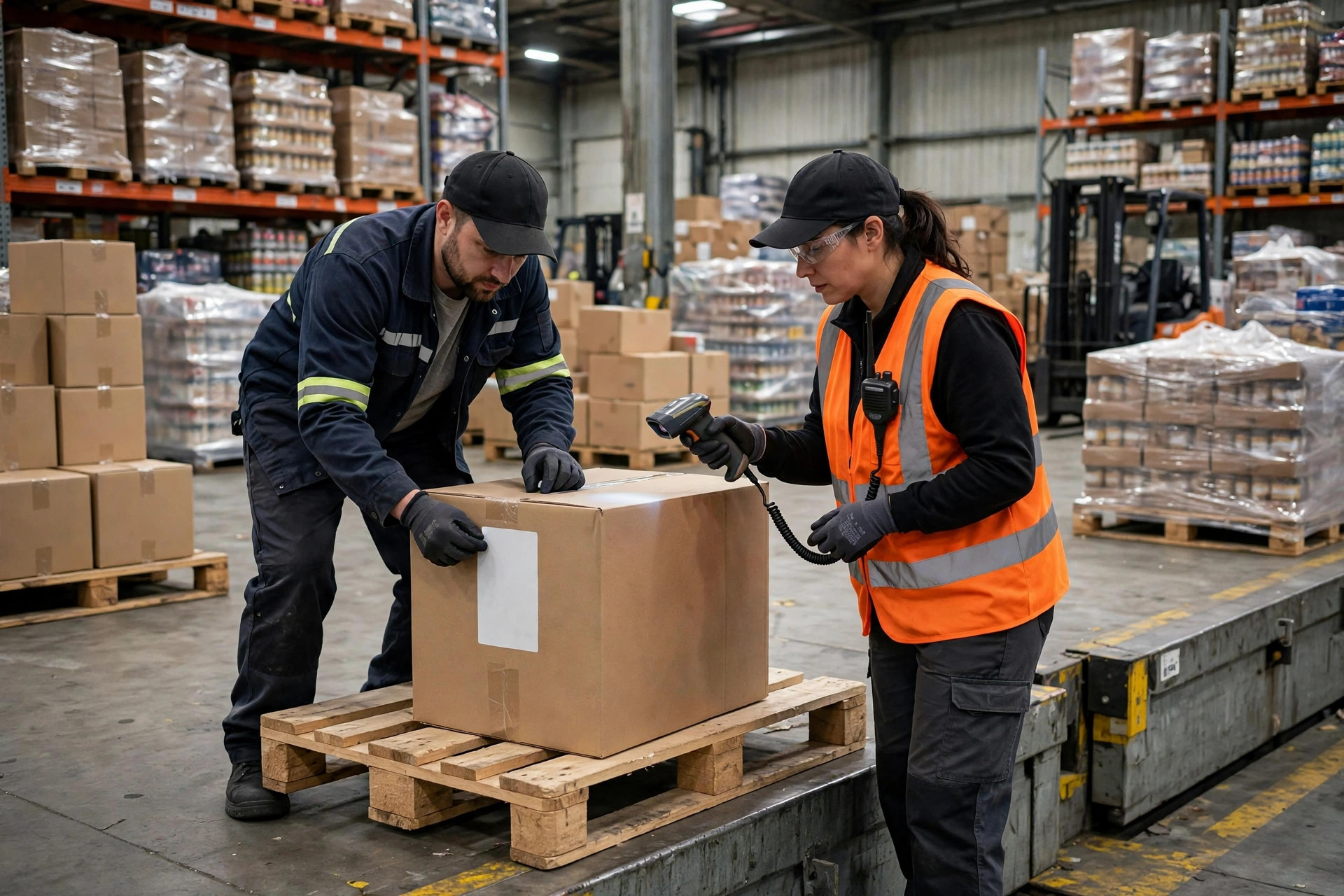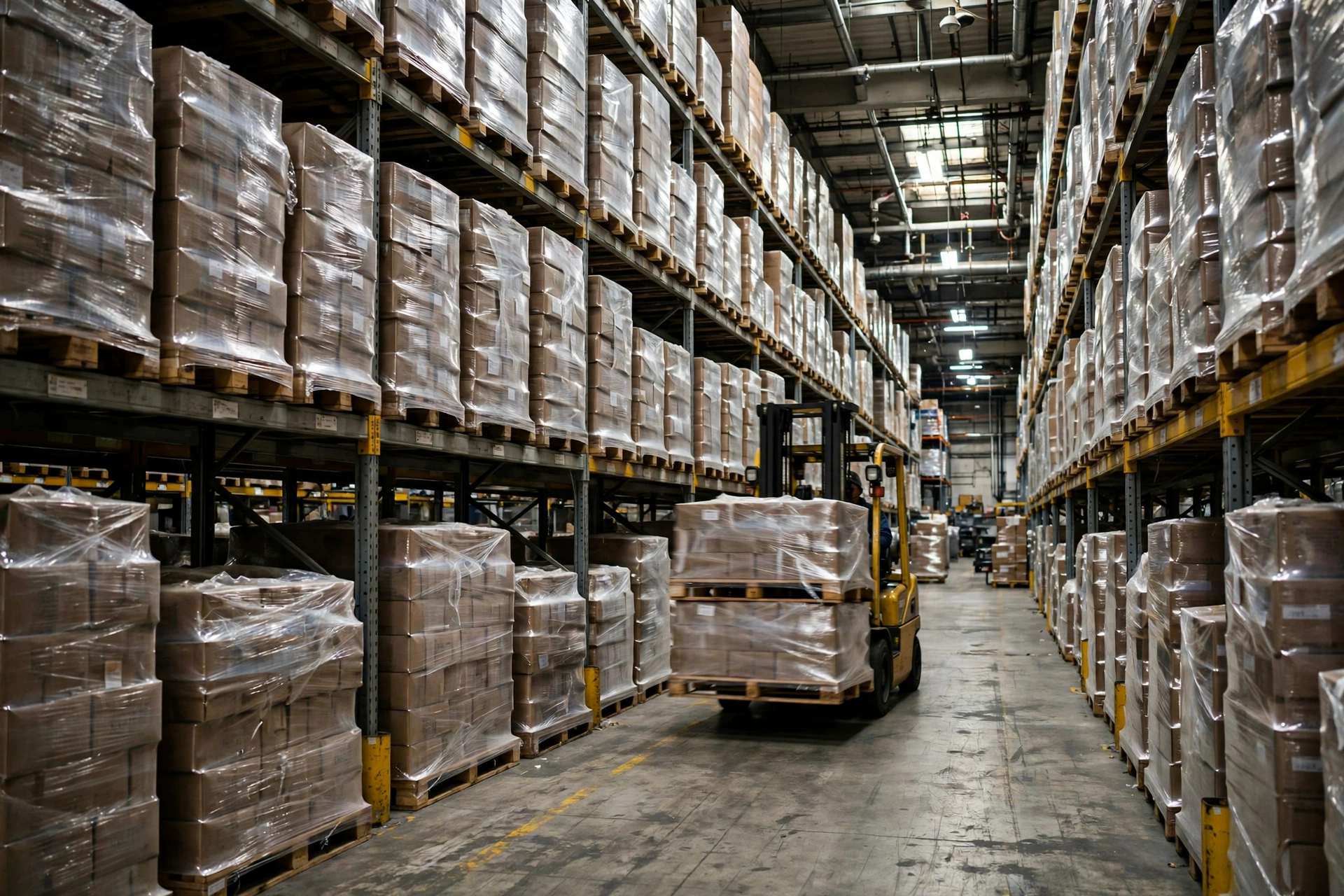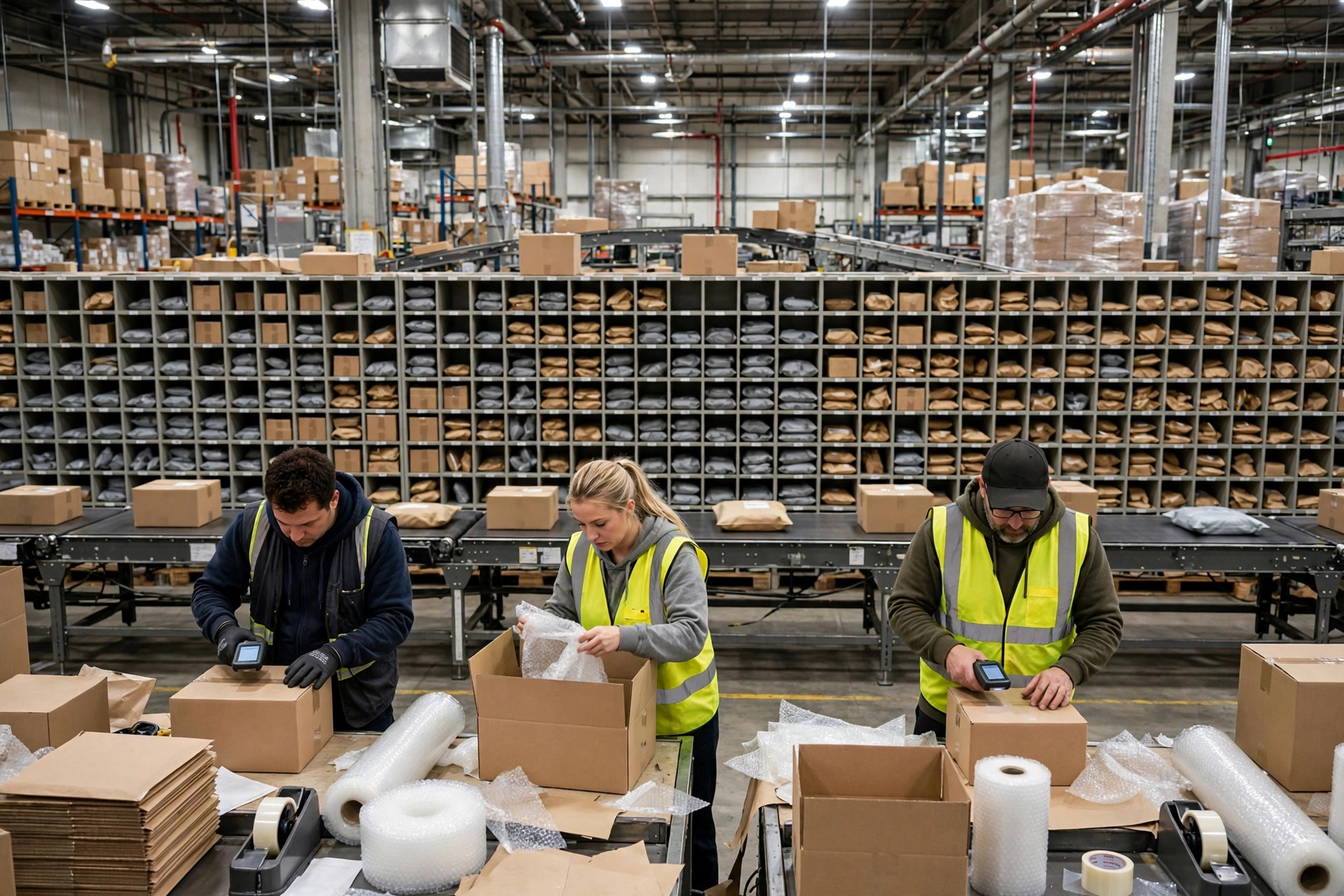
Two Christmases ago I was sitting at the gate of a 3PL warehouse outside Ontario, California, waiting on my pickup paperwork. Inside the office, the owner's wife spent the whole afternoon on the phone: “I'm so sorry, we're really out of stock, your refund is on its way.” I pieced it together while I waited. They run a virtual warehouse — one physical inventory feeding an Amazon store, an eBay store, and their own website. The system still showed stock. The shelves were empty. One SKU, oversold by more than a hundred orders.
I'm telling you, after fifteen years on the road, I've seen this scene play out more times than I can count. Oversells, stockouts — every year, and peak season is the worst of it. So let me tell it the way I saw it, and pass along what it taught me.
Two Things I Saw With My Own Eyes on the Road
The first is the one above. A hot SKU, maybe 400 units actually sitting in the building. But the three storefronts sync with a delay, and each one was showing 200 to 300 available — 700-plus combined. Two waves of orders landed overnight and collided. Next morning's count: oversold by 120-plus units. The owner's wife spent the whole morning apologizing, and the bad reviews piled up. The real killer was the platform side: Amazon flags your account when your pre-fulfillment cancel rate crosses 2.5% — that's their published policy, not a rumor. That round nearly crossed the line. She told me one more like it and the account's standing was done for.
The second story is the mirror image — a seller who got burned by an oversell and overcorrected. Different client. After one bad oversell two years back, they started hiding inventory from their own storefronts. Three hundred units in the building, but the website only listed 50 as available, Amazon only 80. The other 170 might as well have been locked in a vault. Then a promo hit, traffic poured in, and they sold through in two hours. Dark for three days while 170 units sat there doing nothing. By the time the listings went back up, the traffic was gone, the ranking had visibly slipped, and it took a week or two to climb back. The ad spend, of course, kept burning the whole time.
Where the Virtual Warehouse Inventory Math Goes Wrong
Strip it down and it's one sentence: one physical stock, several mouths selling from it. There is exactly one real inventory number, and a whole crowd of storefronts quoting it.
Between “what's actually on the shelf” and “what the storefront shows,” there are layers eating the number: platform sync delays, inbound freight not yet received, returns not yet restocked, orders placed but not yet deducted. Every layer takes a bite. The storefront says 200, the shelf might hold 120, and the other 80 are on a truck, in QC, or sitting in somebody's cart on another channel.
So overselling is rarely about “selling too fast.” It's about bad numbers. And with bad numbers, the faster you sell, the faster you die.
Three Ways to Split the Stock, Side by Side
Fifteen years of docks and warehouses, and I've seen three ways people do it:
| Approach | How it works | Best for | Upside | Downside |
|---|---|---|---|---|
| Shared pool, first come first served | One available count, every storefront sells against it | Small sellers, few SKUs, channels selling at similar pace | Simple, no math required | One hot product drains every channel at once — nobody survives |
| Reserved by channel | Slice the stock by each channel's historical share | Big sellers, many SKUs, channels that behave very differently | Every channel is protected | The slices go stale: channel A can't move its share while channel B stocks out, and the goods sit right there in the building |
| Shared pool + safety buffer | Hold back a safety quantity, share the rest | Most sellers | Covers both ends | The buffer size is the whole art: too thick and you've manufactured your own stockout, too thin and it's decoration |
I'm telling you, there is no standard answer. It comes down to three things. First, SKU velocity — pull the fast movers out into their own pool, don't mix them with the long tail. Second, channel mix — if one channel does sixty, seventy percent of volume, reserve by channel; if volume is spread and nobody can call it, share the pool. Third, replenishment lead time — a month to restock means the buffer has to be thick; three days from a local supplier means you can run it thin.
Virtual Warehouse Lesson: the Oversell and the Stockout Are the Same Disease
Here's the counterintuitive part. Everybody fears the oversell. I'm telling you, the stockout costs more.
An oversell costs you one order's dignity: an apology, a refund, one bad review. It stings and it's over. A stockout costs you days of life. A listing doing a couple hundred orders a day goes dark for three to five days, the ranking slides where everyone can see it, climbing back takes a week or two, and the ad spend keeps burning the whole time. Do the math this way: an oversell is a one-time cost, a stockout charges by the day.
And the part that really stings — the oversell and the stockout are usually the same goods with the same root cause: bad numbers. Get the numbers right and both headaches shrink. So don't just stare at “don't oversell.” Fix the ledger first.
A Few Straight Words for Shippers and Warehouses
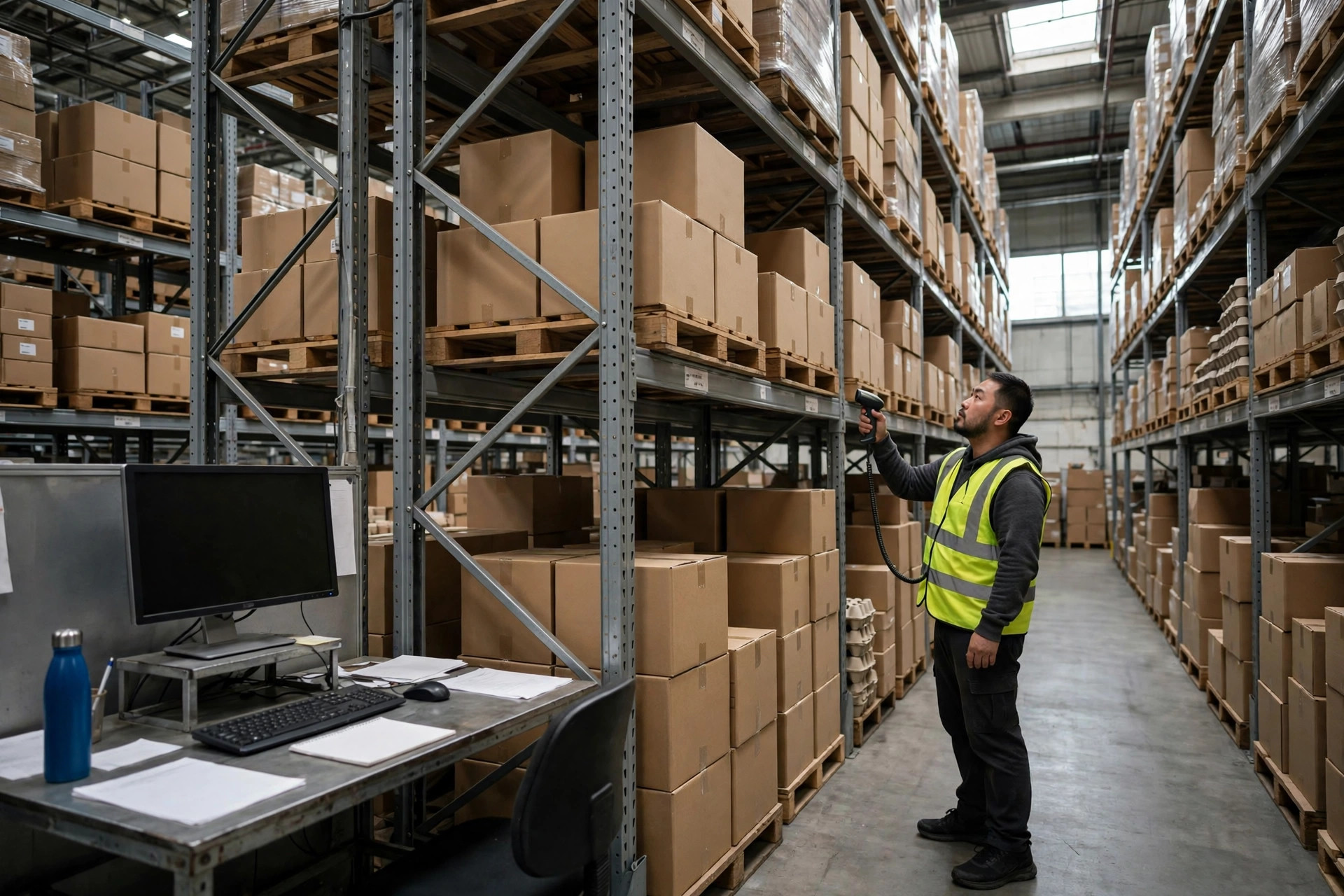
Reconcile the numbers every single day. “Available” in the system is not “on the shelf.” The WMS number, the storefront number, and the physical count — all three have to agree. If they don't, slow down the selling before anything else.
Count your inbound and your returns. Freight on the road and returns sitting in QC are not sellable, but plenty of storefronts sell them anyway. That's oversell fuel, right there.
Stress-test before peak season. Simulate two to three times your normal order volume and watch whether the numbers keep up. If they can't, add hands and packing stations before the fire starts, not during it.
Agree upfront who eats the oversell. Shipper or 3PL — write it in the contract. Don't negotiate it in the argument afterward; that's how partnerships die.
Give your heroes their own pool. Fast movers out of the long-tail pool, their own buffer, their own watchlist. It saves everybody grief.
A driver watches the dashboard; a business watches the inventory ledger. If the gauge lies, even the most familiar road ends in a ditch.
By Shifu Zhao, Trucking Veteran (15 yrs)