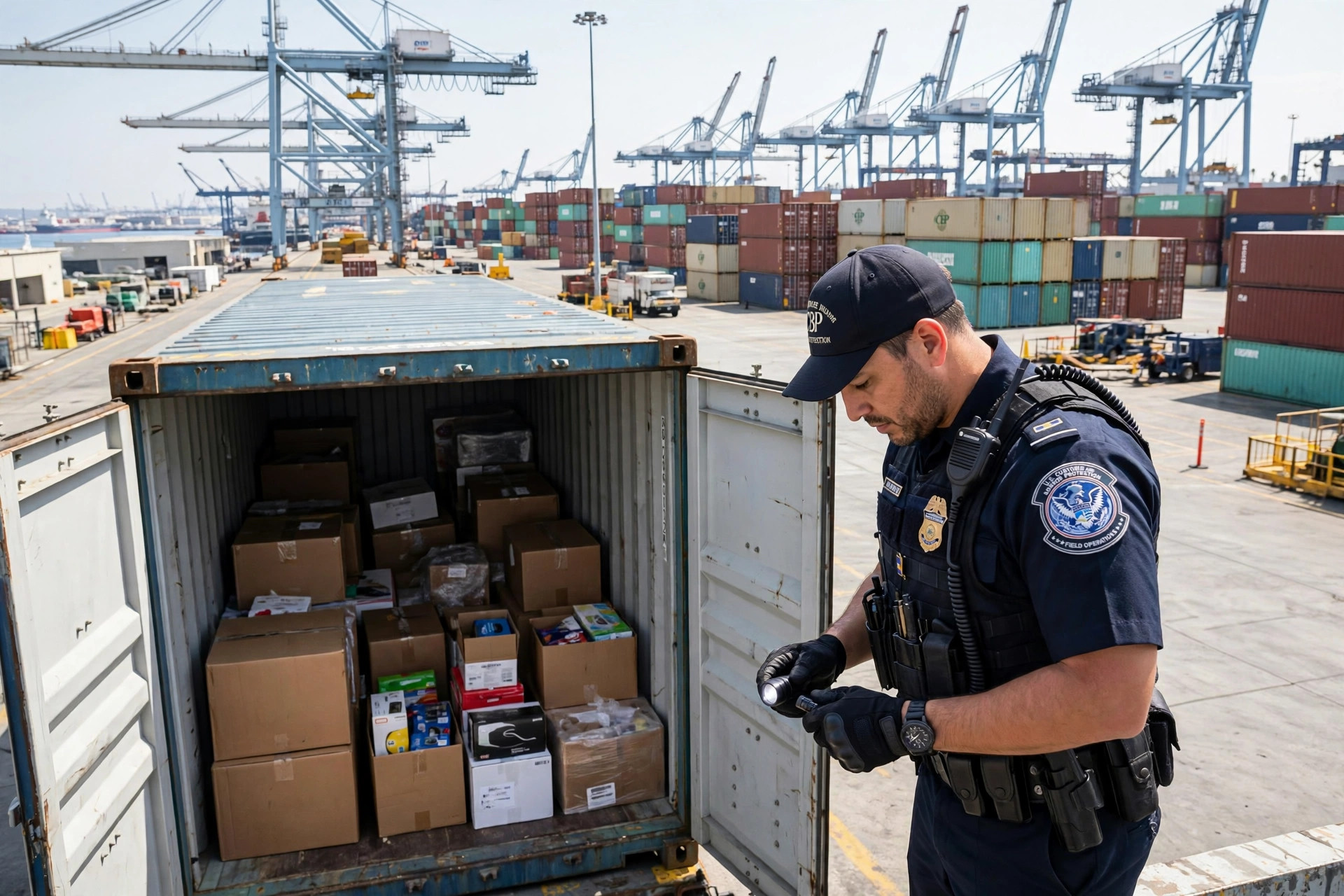
In October 2023, I got a letter from the Texas tax authority. Roughly translated from bureaucrat-speak: you hold inventory in our state, you never registered, you never filed sales tax. Contact us within 30 days.
My first thought: this has to be a scam. My company is registered in California. I live in California. My warehouse is in California. What does Texas have to do with me?
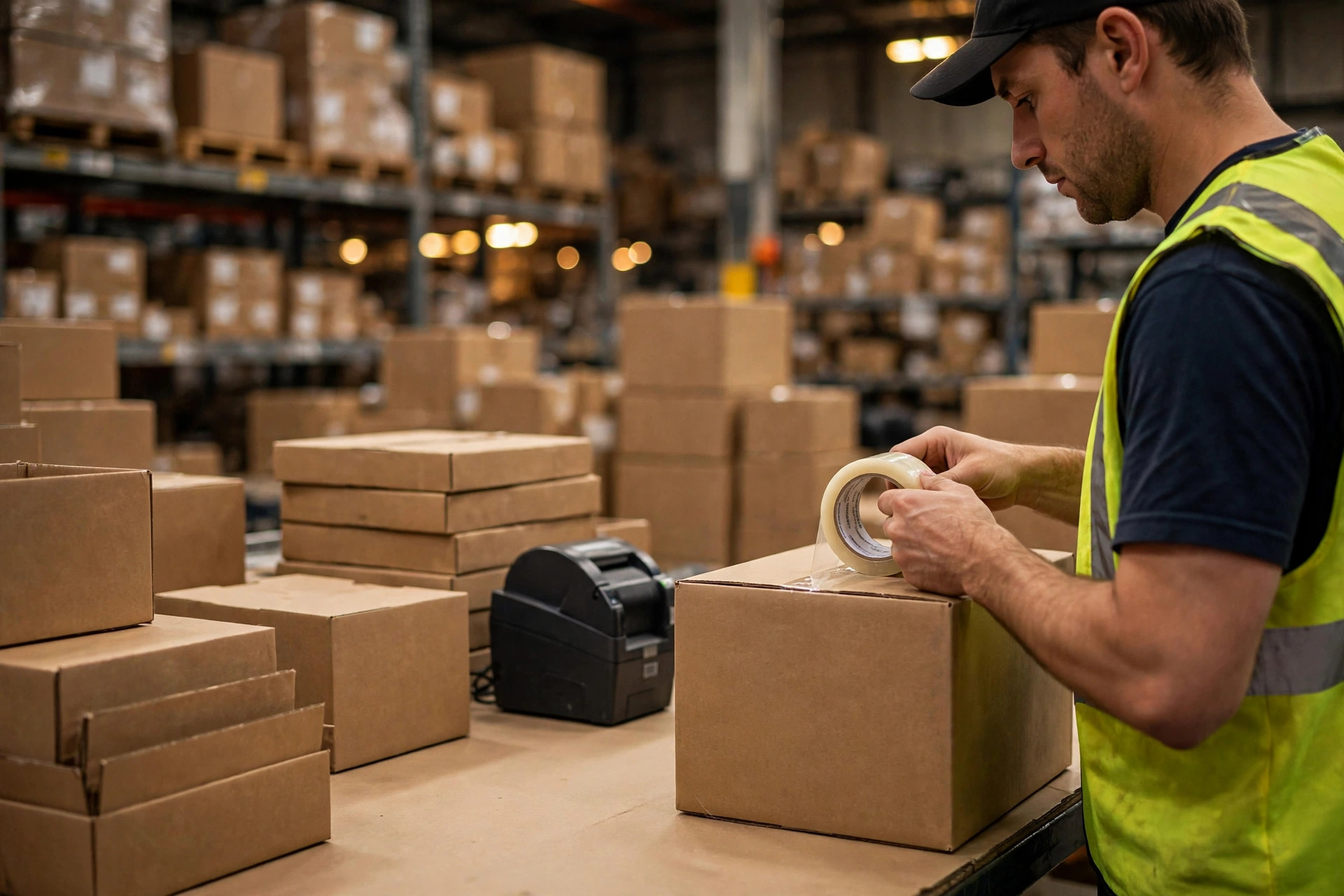
Everything, as it turns out. My goods had been sitting in a partner warehouse in Texas for half a year — a couple thousand units. That's called nexus: a "substantial connection" with the state, which gives that state the right to make you collect and remit sales tax.
Full disclosure: I'm not a tax professional. I run a 3,000-square-meter warehouse, a small scrappy operation. What follows was paid for in real money — mine. Where tax rules are concerned, always check the latest guidance on each state's department of revenue website. I'm just here to tell you what happened and show you the math.
How my inventory ended up "living" in three states
Mid-2023, my volume picked up — 3,000-plus orders a month, all shipping out of California. Orders headed to the East Coast were expensive and slow, routinely five days in transit, and complaints were piling up. So I had a brilliant idea: split inventory across multiple states! Put stock in a partner warehouse out east, cut average shipping from $9 to $6 a parcel, get delivery down to two or three days. Who couldn't do that math?
By the second half of the year, my goods were "living" in three states: my own warehouse in California, plus a third-party partner warehouse in Texas and another in New Jersey. Shipping got cheaper. Delivery got faster. I felt like a strategic genius.
Then the Texas letter arrived. I scrambled to check New Jersey — same story. I'd been "nexused" there too. My accountant explained it plainly: if your goods sit in a warehouse in a state, you have physical presence in that state, and that state can come after you for sales tax. Where your company is registered and where you personally live are completely irrelevant.
I was stunned. I'd honestly believed that registering my company in California meant I only ever had to deal with California's tax authority. Naive doesn't begin to cover it.
The counterintuitive part: where your goods sleep matters more than where your company is registered
This whole episode rewired my brain. Three things I wish someone had told me earlier:
First, your tax footprint is drawn by your inventory locations, not your incorporation state. Your goods sit in warehouses in three states? Your tax obligations spread to three states. Big companies have tax teams tracking this. Small warehouses like mine can't afford that — but we can't afford to ignore it either, because penalty notices don't care how big you are.
Second, since the 2018 Wayfair decision, selling a lot is itself enough to trigger nexus. The Supreme Court ruled that a state can require you to collect sales tax even with zero physical presence, if your sales into that state are substantial enough. South Dakota's law — the one at the heart of the case — used $100,000 in annual sales or 200 transactions as its threshold. Today every state sets its own bar: California uses $500,000 (in effect since April 2019), many states still sit around the hundred-thousand-dollar range, and five states have no statewide sales tax at all. These numbers shift, so verify against each state's revenue department website.
Third, and this one stung the most: marketplace collection doesn't make you compliant. My most naive assumption was: I sell on Amazon, Amazon collects and remits sales tax, so I'm covered, right? My accountant's one-liner woke me up: the platform only handles the orders that flow through the platform. Your own website orders, your wholesale orders — every single one is still on you. And plenty of states work on a "register for a sales tax permit first, talk compliance second" logic. Platform collection doesn't magically hand you a permit. The details vary by state, so check the official sites — but the idea that "the platform handles everything" needs to go in the trash.

The cheap fix: do the full math before you move
Big companies do multi-state compliance with outside firms and in-house tax teams. We can't afford any of that. The small-warehouse method is simpler: run the numbers first — all the numbers, not just the shipping ones.
Here's the rough math from my own operation (my numbers, shown to explain the thinking, not as benchmarks):
| Multi-state (3 states) | Single-state (California only) | |
|---|---|---|
| Monthly orders | 3,000 | 3,000 |
| Avg. shipping cost | ~$6 | ~$9 |
| Monthly shipping | ~$18,000 | ~$27,000 |
| Delivery time | 2–3 days | 4–5 days |
| States requiring tax registration | 3 | 1 |
| Accountant filing fees | 3 states × hundreds/month | 1 state × hundreds/month |
| Back-tax audit risk | Any of 3 states could write | Largely under control |
Looking only at shipping, multi-state saves $9,000 a month — over $100,000 a year. Beautiful. But add the tax line: registration in three states, monthly filings in three states, and the accountant's annual bill runs into the thousands. And then there's the risk line: if one state decides to pursue back taxes, the owed tax plus penalties plus interest can wipe out years of shipping savings in a single blow. My Texas episode — settlement plus back filings — cost me what I'd "saved" on shipping over the better part of half a year.
So I made a deeply unglamorous decision: pull back to a single state, get volume up and processes smooth with only one state's tax rules to watch, and only expand state by state later — with my accountant in the room — when volume truly demands it. Small steps, no moonshots.
The result? Shipping ticked back up a little, but my accountant's bill dropped from three states to one, and those monthly filing fees I no longer pay are real money. More importantly, I sleep at night — no more wondering whether some unfamiliar state's envelope with a "contact us within 30 days" letter is sitting in my mailbox. For a small warehouse owner, that peace of mind is priceless.
One more story. A friend of mine sells through Amazon FBA. Amazon scattered his inventory across warehouses in five states — he didn't even know which five. Last year one of those states sent him an audit notice, and he was completely lost: he couldn't even say which states held his goods, let alone demonstrate compliance. FBA sellers, take note: Amazon decides where your goods go, but the tax liability is yours.
Three tips for fellow small operators
Map your inventory before you strategize. Open your inventory report and find out exactly how many states your goods are sitting in. Plenty of small sellers, like me back then, don't even realize their stock got split. Build a simple spreadsheet — one row per state — noting: inventory present? sales made? registered? That sheet is your nexus map.
Spend a little on advice, don't cheap out on the consequences. I paid a few hundred dollars for a one-time full review with an accountant, and it clarified my obligations in every state I touched. Money well spent. For day-to-day filings, if your volume is modest, learn to file yourself first — every state revenue department has online filing, and it's simpler than you'd expect. Outsource when things get complicated.
Build tax cost into every expansion decision. Before opening a warehouse in a new state, ask your accountant: what does registration plus annual filing cost here? Put that number next to the shipping savings. If taxes and accountant fees eat the freight savings, that warehouse isn't worth opening. Don't do what I did — open first, get the letter second, pay the bill third.
Honest truth at the end: big companies have dedicated teams for this stuff, and small warehouses just have... us. But flip it around: we're small enough to turn on a dime. Spot a problem, pull back immediately — that's our edge. With tax compliance, slow and aware beats fast and clueless every time.
Small warehouses have their own way of surviving: know your numbers, sleep well, and that's worth more than anything.
By Xiao Ma, Small Warehouse Owner