Amazon changed the rules again? Nah. Not this time. When it comes to why FBA shipments get rejected at the dock, about 80% of the time it's our own fault.
Last week a buddy in my seller group sent 12 pallets to ONT8. Three got turned away at the door. Rework plus a new appointment cost him nearly $400 — but the money wasn't the painful part. That inventory was supposed to catch the second Black Friday restock wave, and it got stuck for 5 days. I've been selling for 5 years and got rejected 4 times: the first two because I genuinely didn't know the rules, the last two because my warehouse crew got lazy. Here are the 8 most common fba inbound shipment rejected reasons, all in one place. Run the checklist at the end before every shipment and your refusal rate drops to basically zero.
1. Wrong Box Labels: One Bad Label Can Kill the Whole Shipment
This is the #1 refusal reason. Every carton needs a unique FBA shipment label printed from that exact shipment workflow — reuse one from another shipment and you're done.
September 2025, I learned this the hard way: 300 small-parcel cartons heading to SMF3 in California, and my warehouse guy slapped leftover labels from a previous shipment onto 40 cartons. Amazon refused the entire shipment and sent it back. Return freight: $260. Relabeling: another $120. Forty cartons' mistake, 300 cartons paid for it.
My rule now: cartons = labels, one to one, counted before anything gets taped. Leftover labels get torn up on the spot. When in doubt, print a fresh set.
2. Bad Pallet Stacking: Too Tall, Overhanging, Loose Wrap
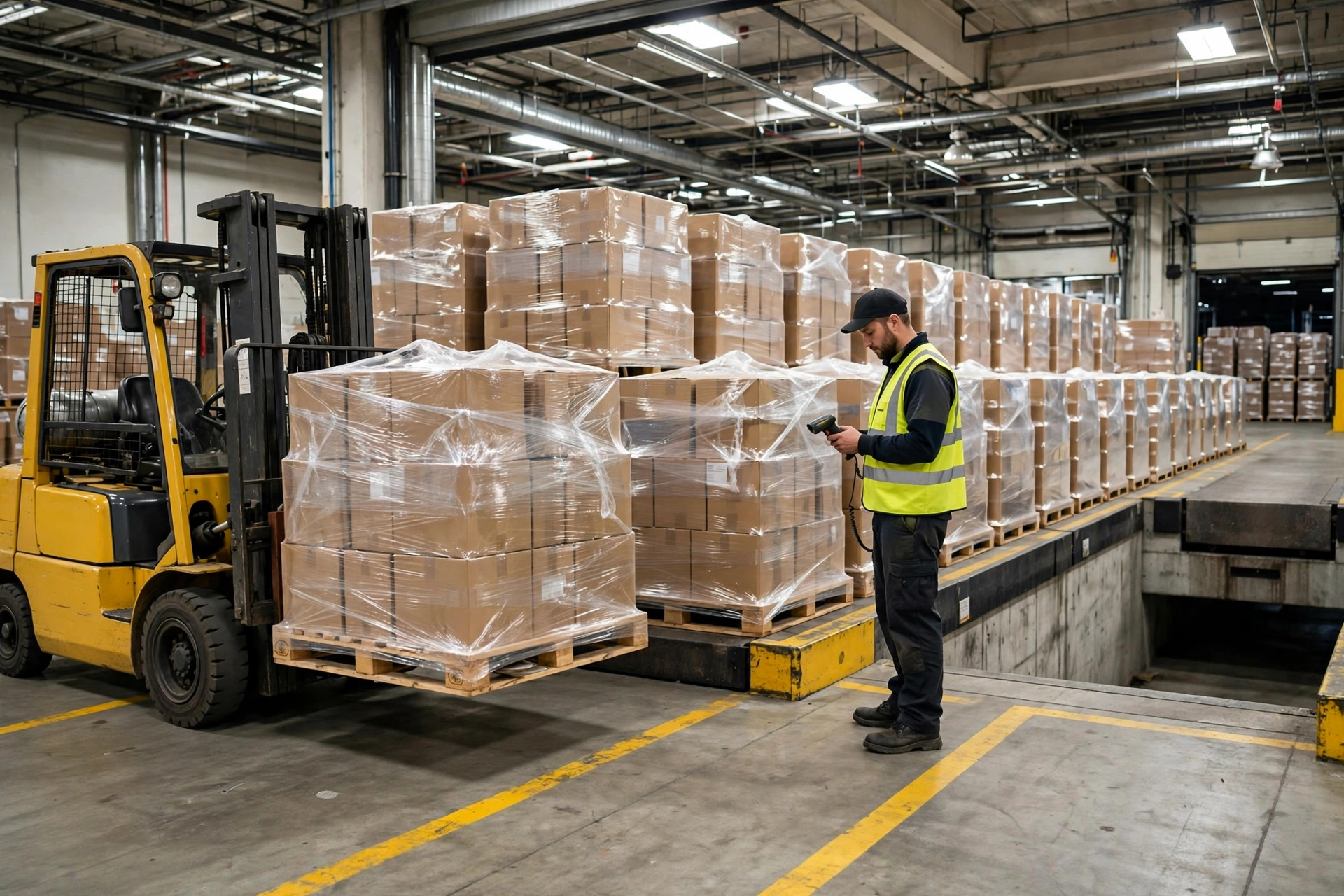
About half of all pallet refusals come down to stacking. The requirements are non-negotiable: 40"x48" four-way GMA pallets, no boxes over the pallet edge, everything stretch-wrapped tight, total height generally under 72 inches (check your shipment page for the exact limit).
November 2025, my freight forwarder in City of Industry built 12 pallets for ONT8. Three got rejected: the wrap was only 3 turns and the stacks hit 76 inches. Rework cost me $380 — unstack, restack, rewrap. The new appointment took 3 days. Five days lost total.
My forwarder's instructions now: at least 5 turns of wrap, cinch the top, photo of every pallet. If I spot overhang or excess height in the photo, it gets rebuilt before the truck leaves. Rework at the warehouse is cheap; refusal at the dock is not.
3. The Pallet Itself Fails: Broken Boards, Wrong Size
Sometimes the stacking is perfect and the pallet gets rejected anyway. Broken boards, wrong size, or two-way pallets the forklifts can't enter from all sides. Amazon receiving is a mechanized line — a non-standard pallet doesn't fit.
My fix: "GMA standard pallets only, no broken boards on my freight." With a new forwarder, I ask for pallet photos before loading. Sounds paranoid — until a few thousand dollars of inventory gets held up by a $30 piece of wood.
4. No Appointment (or a Missed One): LTL and Full Truckload Must Book Ahead
Small parcel via UPS or FedEx pickup needs no appointment from you. But LTL and full truckload deliveries to Amazon fulfillment centers must have a delivery appointment booked in advance through the Carrier Appointment Request Portal (CARP). Show up without one and you'll likely get turned away; arrive too late and your slot is gone.
My iron rule: the forwarder sends me the appointment screenshot, and I cross-check the time window myself. In peak season (October–December), popular FCs book out 3–5 days ahead — bake that into your prep schedule.
5. Overweight or Oversized Cartons: The 50-Pound and 25-Inch Lines
Two hard lines. Memorize them:
- Over 50 lbs: "Team Lift" labels on top and sides. Over 100 lbs: "Mechanical Lift" labels, and break it down.
- One side over 25 inches: no small parcel, must go palletized LTL.
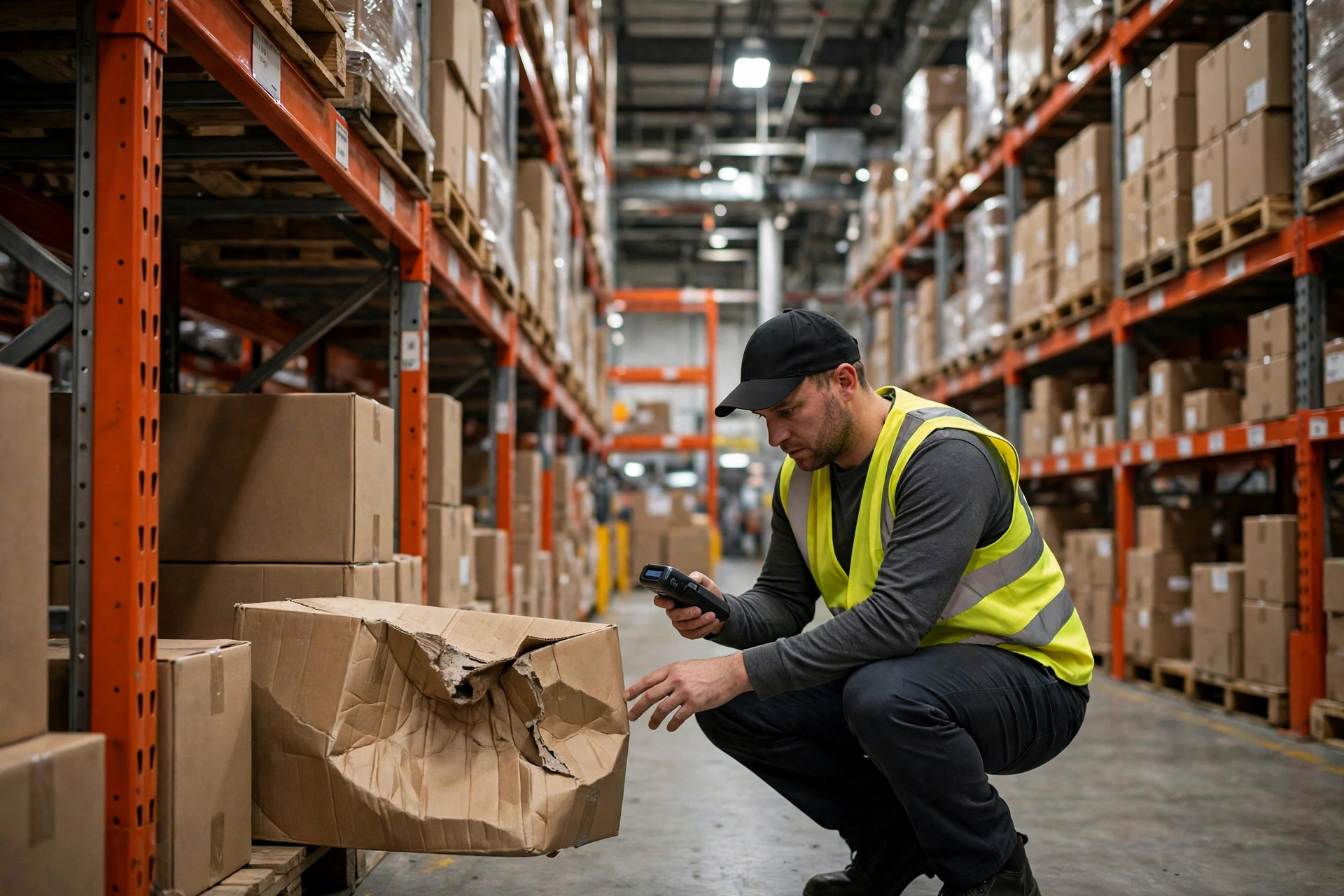
Saddest case I ever saw: a fitness equipment seller shipped 68-lb cartons with no Team Lift labels. Whole shipment refused. Now he repacks everything to stay at or under 50 lbs per carton — a few extra cartons beats a refusal every time.
6. FNSKU Labels Covered, Wrong, or Mixed
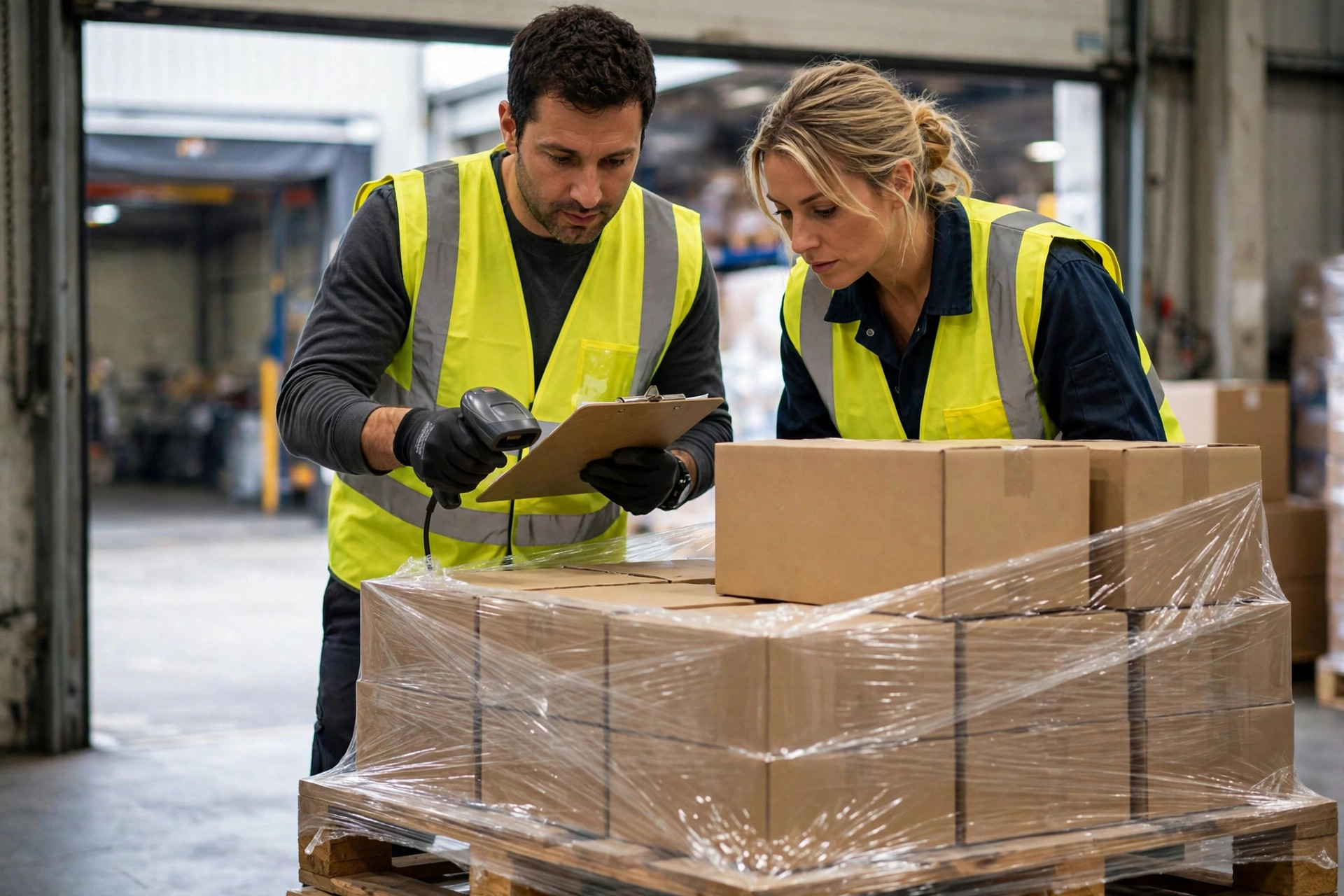
Amazon scans the FNSKU barcode (or the manufacturer barcode with stickerless commingling). A label half-covered by packing tape, applied crooked so it won't scan, or mixed SKUs in one carton that weren't declared as a mixed shipment — all of these get you refused or hit with non-compliance fees.
My fix: labels on the flattest part of the carton's largest face, away from sealing tape. Mixed cartons declared at shipment creation. My warehouse scans 10 random cartons after labeling — anything unscannable gets relabeled on the spot. Three minutes, saves a whole shipment.
7. Short Expiration Dates: The Food, Beauty, and Supplements Tripwire
For products with expiration dates, Amazon requires enough remaining shelf life on arrival (the exact day threshold changes — always check the current policy on Amazon's official site). Fall short and it's an instant refusal, no negotiation.
My fix: check batch expiry dates before shipping. Near-expiry inventory doesn't go to FBA — a refusal's return freight and disposal fees cost more than you think. Clear short-dated stock merchant-fulfilled instead.
8. Skipped Prep: Poly Bag Warnings, Fragile Cushioning
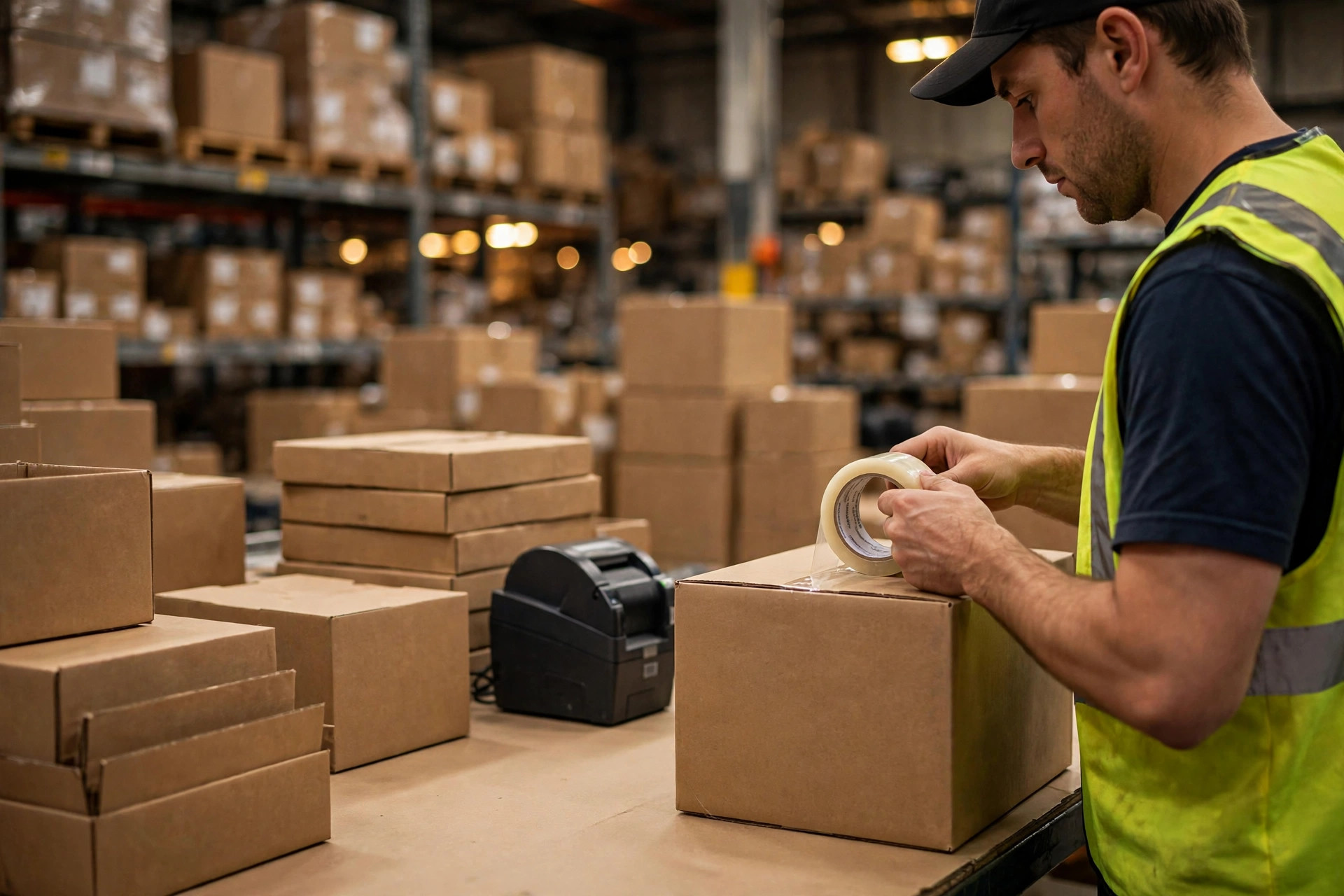
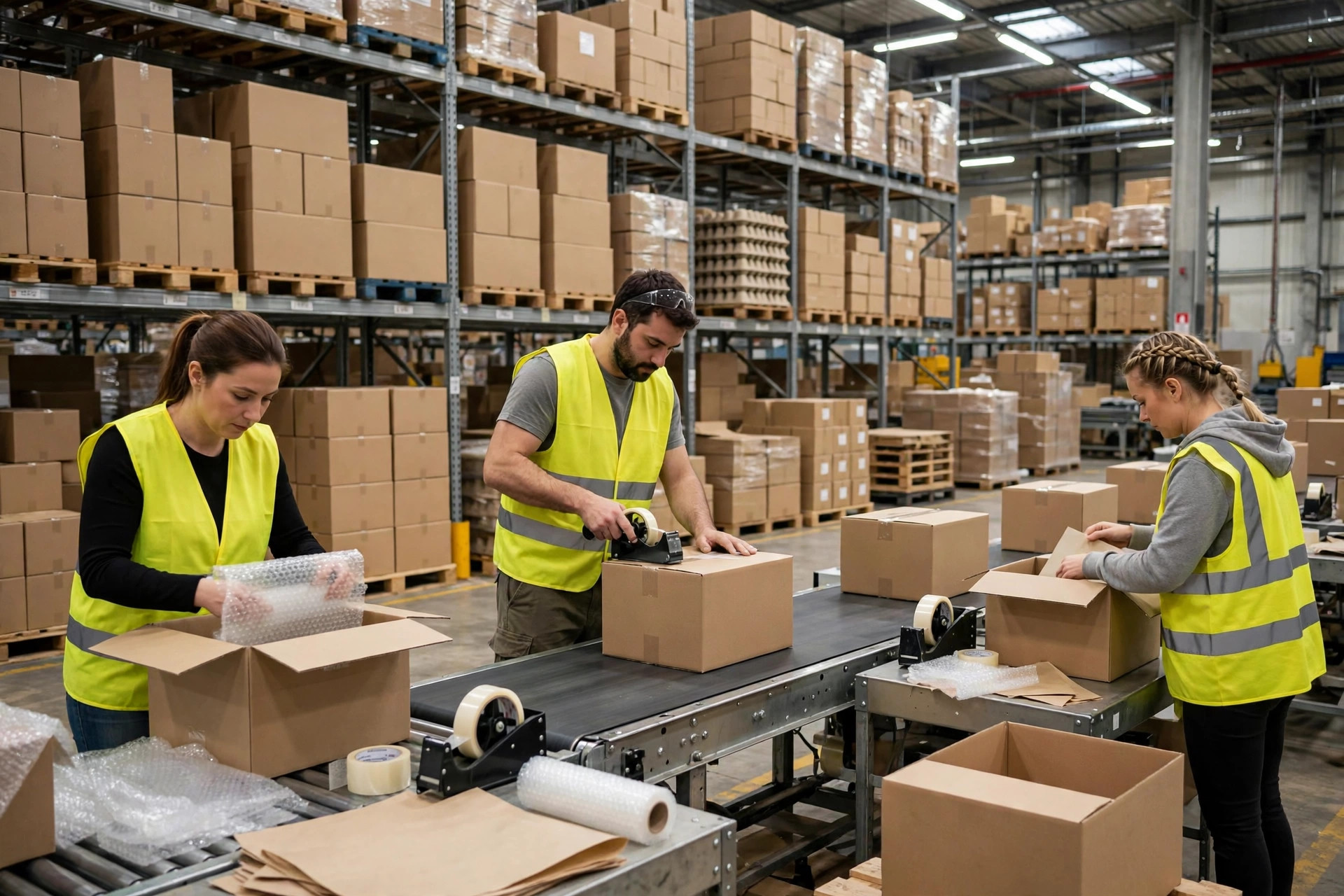
Poly-bagged products (apparel, plush toys) need bags printed with a suffocation warning, sealed shut. Fragile items need bubble wrap. Loose small units must be bagged or boxed. It's all spelled out in the prep requirements at shipment creation — most people click through without reading.
My fix: screenshot the prep requirements page, send it to the warehouse, check off each item. I paid for skipping this once: 500 plush toys in poly bags with no warning printed — $0.50 each to rework, $250 gone. The screenshot checklist is a fixed step now.
Why FBA Shipments Get Rejected: Do the Cost Math First
Here's the contrarian take on the most expensive fba inbound shipment rejected reasons: Amazon barely profits from fining you — inbound defect fees are pennies per unit. What actually kills you is time.
I ran the numbers on a typical 12-pallet shipment:
| Item | Cost | Notes |
|---|---|---|
| 30-minute pre-shipment check | $0 | Walk the checklist |
| Rework after refusal | $300–500 | Unstack, restack, rewrap |
| Return + reship freight | $200–600 | Varies by distance/volume |
| New appointment wait | 2–5 days | Longer in peak season |
| Stockout losses | Unquantifiable | Rank drops, wasted ad spend, missed season |
See it? The direct cost of a refusal is a few hundred bucks. The time cost — stuck at the dock for 5 days — can eat a chunk of your quarter's profit. One day out of stock, your rank slips, and you burn ad money climbing back. That bill runs 10x the rework cost.
And one trade-off most sellers miss: don't chase the forwarder quote that's $50 cheaper. The cheap one shrugs "Amazon is too strict" when things go wrong; the good one warns you "this pallet is too tall" before the truck rolls. Mine costs ~5% more than market rate, zero refusals in two years. Best tuition I ever paid.
Never Get Your Shipment Rejected Again: The 30-Minute Pre-Shipment Checklist
Print this, tape it to the warehouse wall, check every box:
| # | Check | Pass standard |
|---|---|---|
| 1 | Box labels | Label count = carton count, one to one, no leftover labels |
| 2 | Pallet stacking | No overhang, under 72 inches, wrap ≥5 turns and tight |
| 3 | Pallet spec | 40"x48" four-way GMA pallets, no damage |
| 4 | Appointment | CARP appointment confirmed, time window double-checked |
| 5 | Carton weight/size | ≤50 lbs; Team Lift if over; no side over 25 inches |
| 6 | FNSKU labels | Nothing covered or mislabeled; mixed cartons declared |
| 7 | Expiration dates | Remaining shelf life meets current Amazon policy |
| 8 | Prep work | Warnings, cushioning, sealing — checked off one by one |
Three Hard Truths to Close
First, labels and pallets cause most refusals — get those two right and you kill 80% of the risk. Second, first time shipping pallets? Don't wing it — have your forwarder walk you through it once, or pay someone $100 to watch the first build. Third, photograph everything: label close-ups, full-pallet shots. If a refusal happens, those photos are your evidence.
I've run this checklist since mid-2024 — zero pallet refusals since. This trick actually works — go try it.
By Ah K, E-commerce Seller (5 yrs)