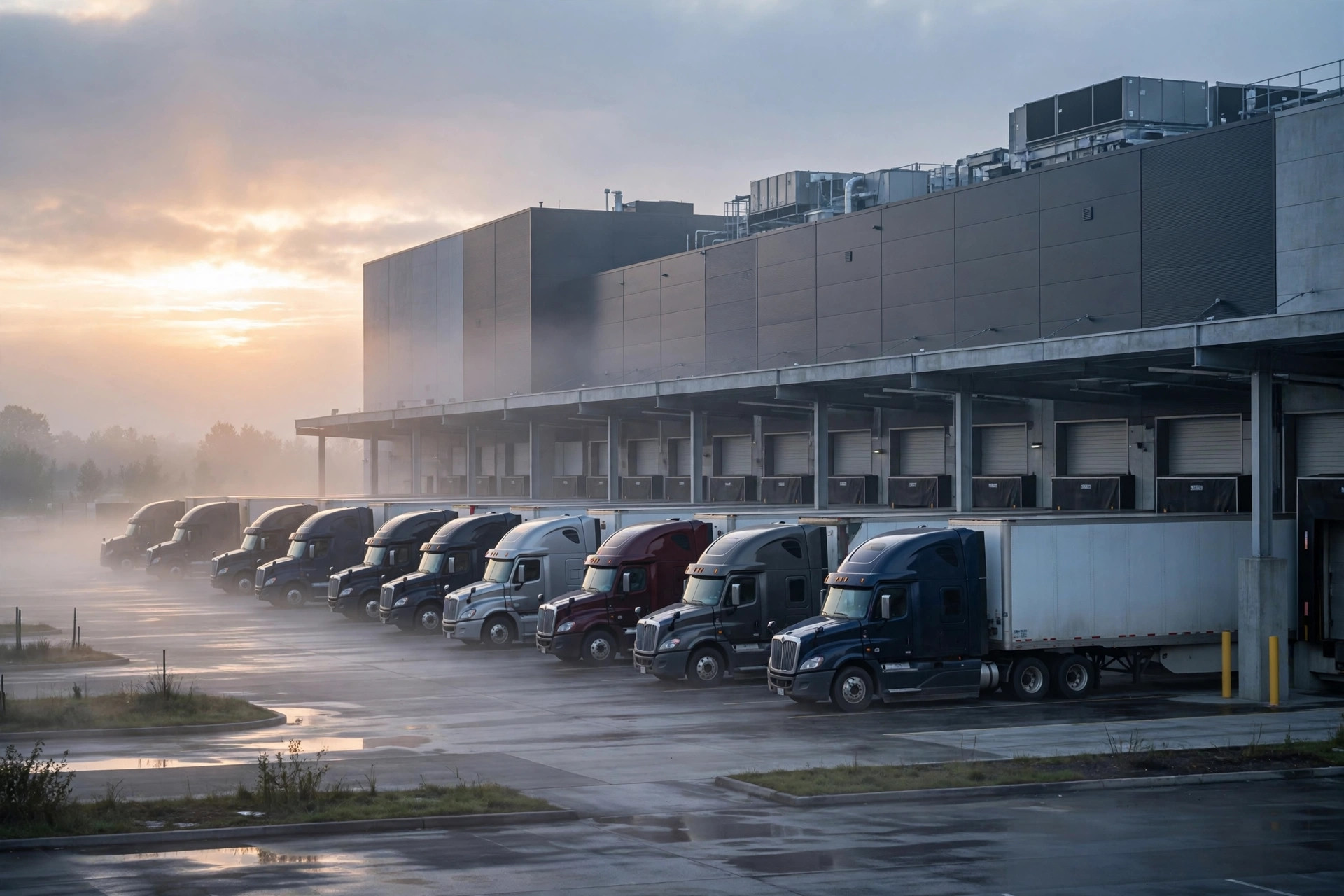
Let me tell you about a night last fall. I was in line outside an Amazon fulfillment center in San Bernardino, California, around two in the morning. The container truck ahead of me finally got waved in. Young driver, container pulled straight from the Port of Long Beach, full of one seller's goods. The guard walked around the truck once, shook his head, and waved him off to the side — two of the pallets were cracked, and no forklift driver would touch them. The kid stood there on the dock calling the cargo owner. Silence on the other end for a few seconds, then: "I'll call the freight forwarder right now."
I watched from my cab and just sighed. I've been hauling freight for over 15 years, most of it into Amazon's warehouses, and I've seen this scene more times than I can count. A lot of sellers hear "rejected" and immediately blame Amazon for being difficult. I'm telling you, that's not it — nearly every FBA inbound rejection I've witnessed at the gate came down to something the seller got wrong before the truck ever left.
So today I'll walk you through the 8 most common pitfalls I've seen dockside. For each one, I'll tell you what it looks like at the gate, then how sellers can prevent it. Read this, and if your freight ever gets rejected again, you can blame me.
Gate One: The Delivery Appointment — One Minute Late Means Going Home
Amazon warehouses run on appointments. Your truck doesn't get in just because it showed up. Every shipment has a scheduled delivery window, and the dock releases trucks by appointment. Late, way too early, or no appointment at all — that's the first wall you'll hit.
What it looks like dockside: I once watched a truck with a 2 PM appointment roll in at 4:30 after traffic. The guard glanced at the appointment slip and shook his head — the dock was already backed up, and that truck got pushed to a new slot days later. The driver waited it out in the parking lot, sleeping in his cab, while the freight forwarder blew up his phone.
How sellers prevent it: print the appointment confirmation and send it to the driver before loading. Keep the driver's number and the forwarder's number on hand. Confirm the appointment window before the truck leaves — better to arrive early and wait at a rest stop than to arrive late. And here's a trick from the road: verify the appointment time in your own Amazon backend. Don't take the forwarder's word for it.
Gate Two: Wrong Carton Labels — The Most Common Rejection at the Dock
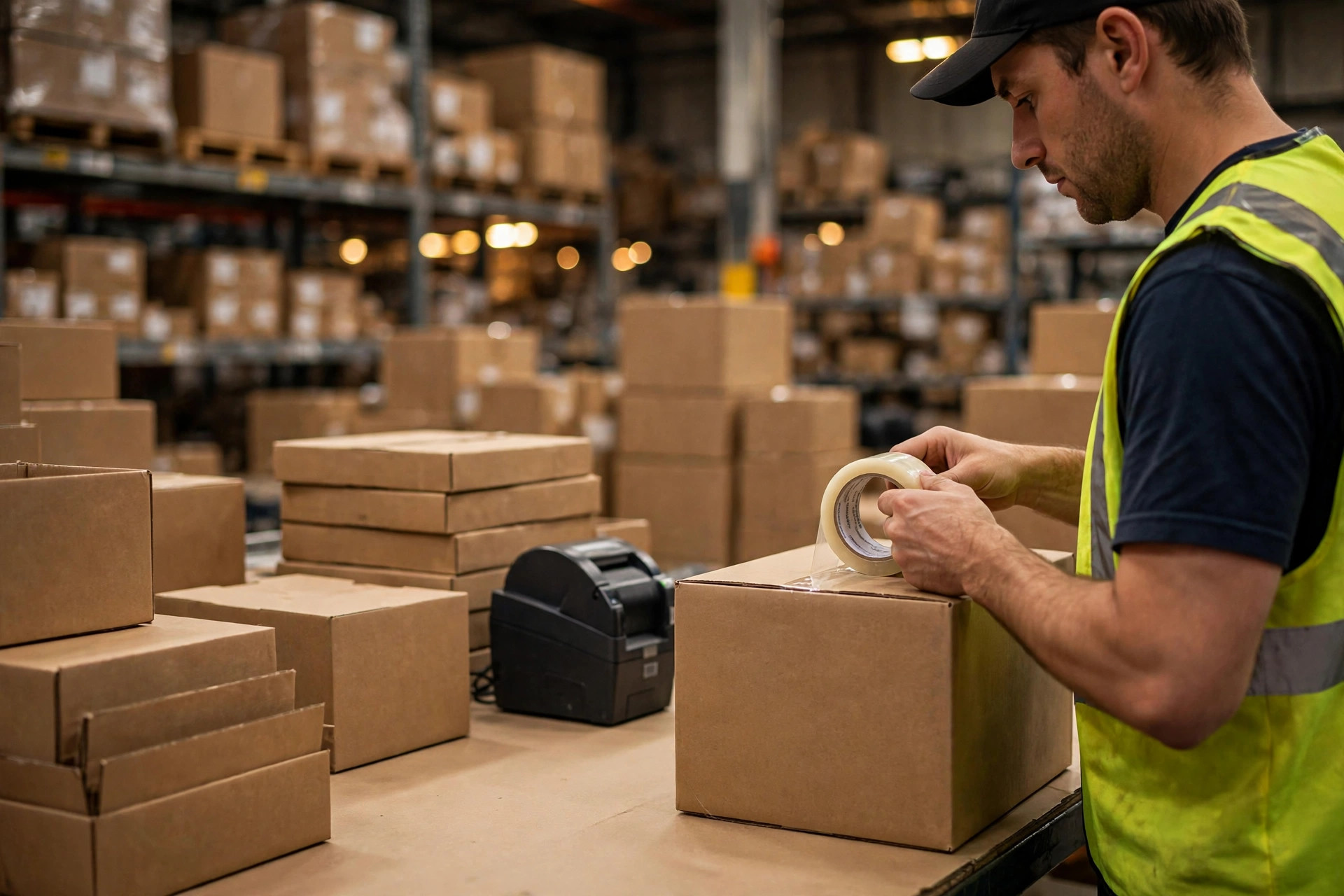
The carton label (the shipping label on each box) carries the shipment ID, the destination warehouse, and the box count. Wrong labels, crooked labels, labels that don't match the system — this is the number-one rejection I see.
What it looks like dockside: the receiving clerk scans box after box. Third box in — beep — red on the screen. That label belongs to a shipment bound for a warehouse in another state. The whole truck gets flagged as mixed freight and turned away. The driver's confused, the forwarder's screaming on the phone, and the seller's saying "I thought it was the same stuff" in the group chat.
How sellers prevent it: print and stick labels per shipment, one shipment at a time, and photograph them into the group chat when done. Never share cartons across shipments or mix labels. Have a second person double-check the labels after they're stuck on. Ten minutes of work that can save an entire truckload of trouble.
The Rest of the Usual Suspects: Commingling, Overweight, Pallets, Hazmat, Labels, Counts
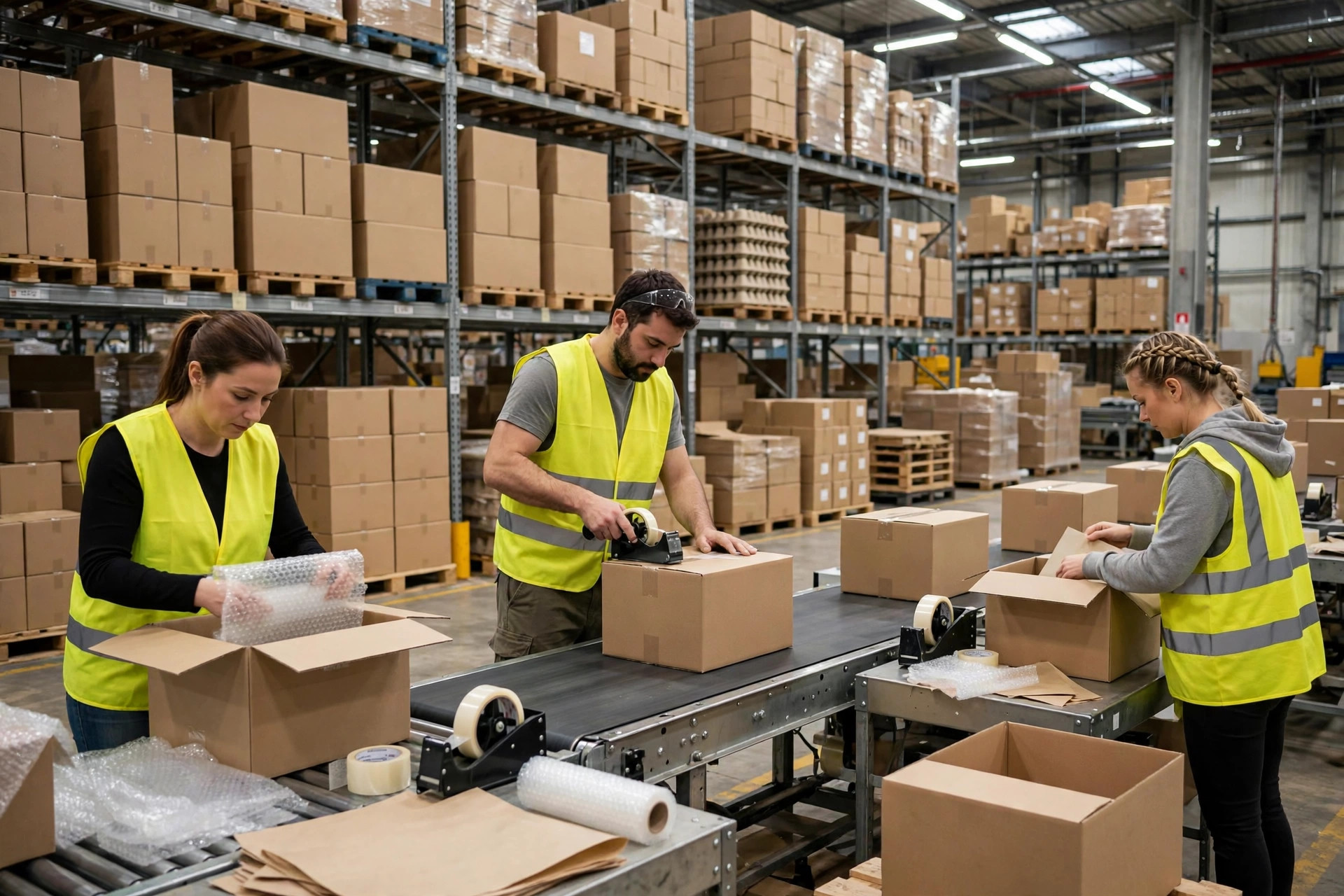
Commingling. Two SKUs in one box, or two shipments' goods on one truck without separation. The clerk opens a box, can't count it cleanly, rejects the load. Prevention: give each shipment its own zone on the truck, separate them with dividers, and note the zones on the loading sheet.
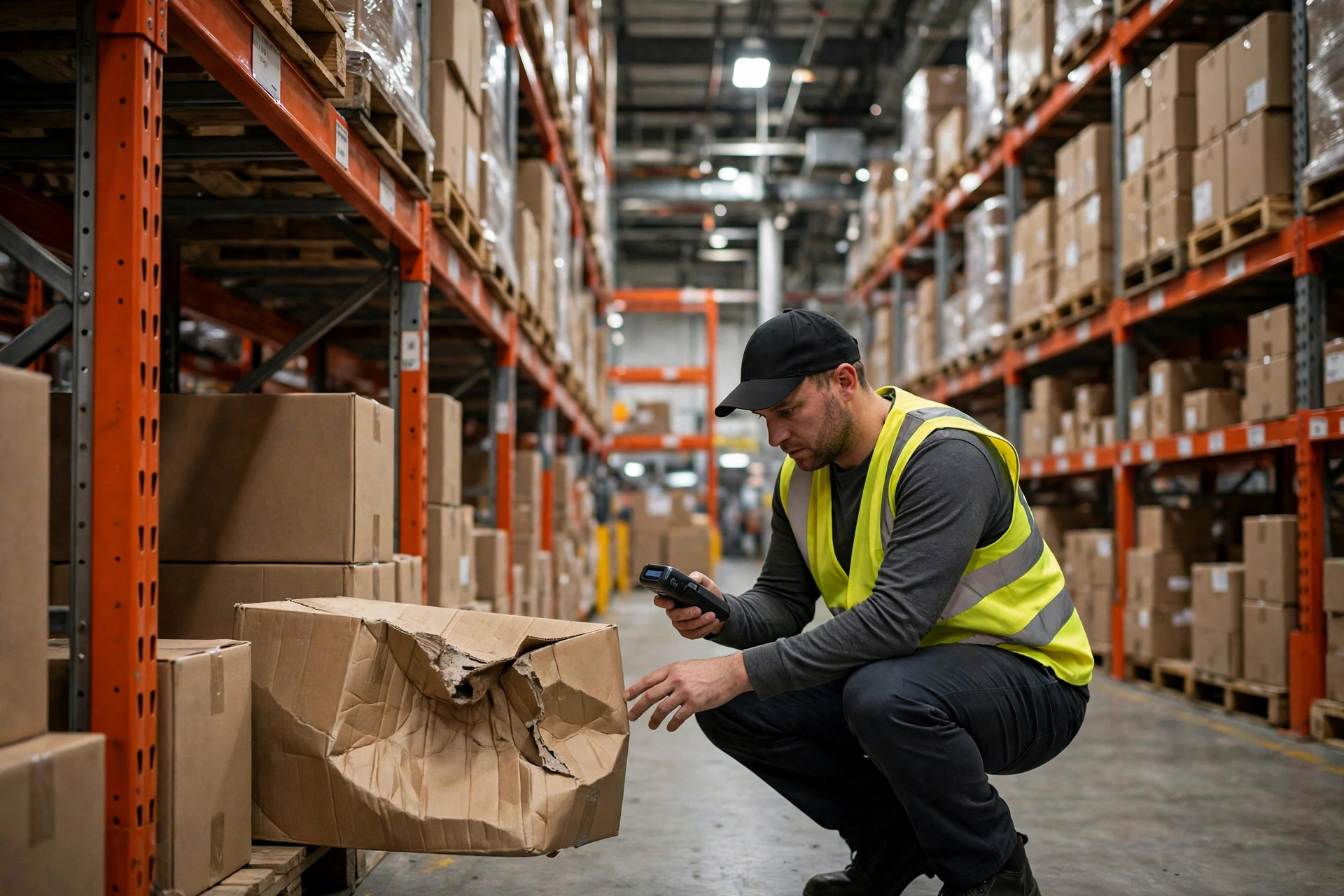
Overweight cartons. A box so heavy one person can't lift it. The receiving clerk tries, frowns, and the shipment gets held. Prevention: when packing, if you can't lift a box with one hand, split it into two. Don't gamble to save a few boxes.
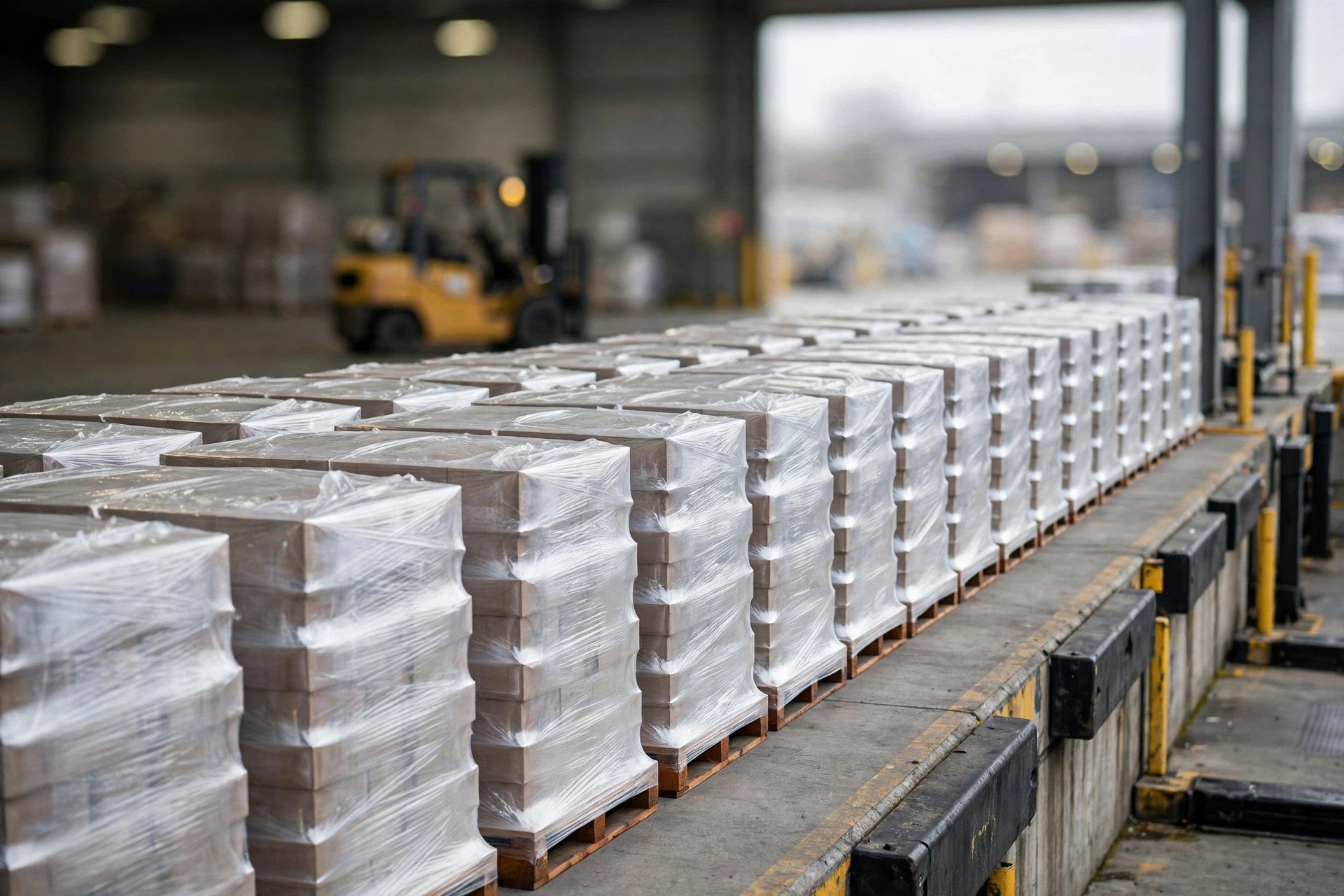
Non-compliant pallets. Cracked pallets, pallets that don't allow four-way forklift entry, wrong sizes. No forklift driver will pick up a broken pallet — one lift and it falls apart. Prevention: inspect pallets before loading. Cracked or split? Swap it out. Don't cheap out on a few dollars.
Undeclared hazmat. Goods with lithium batteries, liquids, or magnets shipped without hazmat declaration. Once spotted at the dock, it's not just a rejection — Amazon may flag your account and it can affect future shipments. Prevention: if your product has batteries, start the declaration process early and have the paperwork ready before shipping.
Barcode problems. Missing product barcodes, upside-down labels, codes the scanner can't read. The clerk waves the scanner — beep beep beep, nothing — and the mood sours fast. Prevention: after labeling, pull a few random boxes and actually scan them. Don't just check that a label is stuck on; check that it scans.
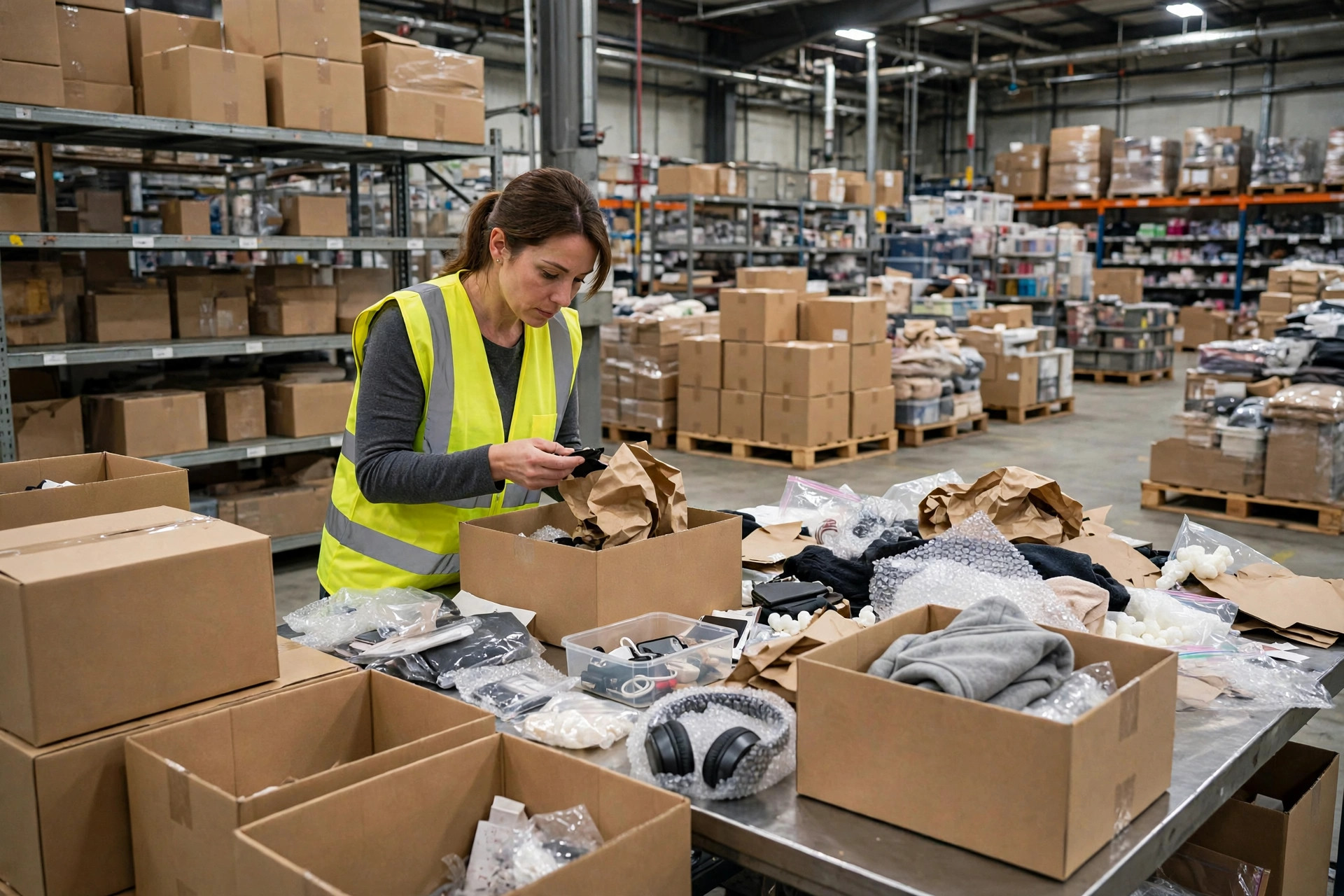
Quantity mismatch. The system says 500 units, the truck shows up with 480 — or extra. The count doesn't match, the whole shipment gets rejected. Prevention: recount before loading. Loading sheet, system declaration, and actual pieces must all agree before the truck rolls.
The Real Math: What One FBA Inbound Rejection Actually Costs a Seller
Let me give it to you straight. A rejection costs way more than "just booking another appointment."
After a rejection, the truck either waits in a nearby lot for a new slot or hauls the freight back to a local warehouse. Parking fees, the driver's lost time, a rebooking that can take days in peak season — with your capital sitting on that truck the whole time. Hauling it back means two more trips' worth of freight charges, plus labor to re-sort and re-label. One container going through all that easily doubles your cost; miss your peak-season listing window and the lost sales are incalculable.
That's why I say the cheapest money in the whole chain is the half hour you spend checking the list before the truck leaves.
Two Scenes From the Road — See for Yourself
Scene one. One pre-peak season, I sat in line at a warehouse gate for six straight hours. The truck ahead of me — driver had driven two days from Texas. Twenty minutes inside and he was sent back out: commingling, two SKUs in the same boxes, the clerk couldn't even count them. The driver sat by the road smoking half a pack, calling his boss, who tore into the freight forwarder over the phone. Two days on the road, wasted.
Scene two. A seller got rejected three times in a row. First time: wrong carton labels. Second time: late appointment. Third time: broken pallets. Three rejections, three different causes, and he told the group chat "Amazon has it out for me." Nobody has it out for you — you just have nobody checking outbound. He later assigned one person to own the outbound checklist. No rejections in the six months since.
Straight Talk: Rejection Isn't Harassment
After all these years, I know the receiving clerks and the guards by name. And here's the honest truth: the people at the dock are on your side. They're measured on receiving throughput — every hour your truck blocks the dock wrecks their shift. A rejection isn't harassment; it's that your freight genuinely can't come in. Labels don't match, so the system has no record of your goods — where would they even put them? The pallet's broken, the forklift drops it, someone gets hurt — whose fault is that?
The counterintuitive part: plenty of sellers think "if I have a good relationship with Amazon, I won't get rejected." Wrong. The gate recognizes paperwork and freight, not people. Paperwork right, freight right, they'll unload you at 3 AM. Paperwork wrong, it doesn't matter who you know. Spend that energy on your outbound checklist instead of on relationships.
An Old Saying for the Road
We truckers have an old saying: whether your freight clears the gate smoothly is half about the product and half about the checklist before it leaves the dock.
Before your next shipment, print these 8 pitfalls and tape them to the outbound door. Check them off one by one: appointment confirmed, labels correct, nothing commingled, nothing overweight, pallets sound, hazmat declared, barcodes scannable, counts matching. Don't think it's a hassle.
By Shifu Zhao, Trucking Veteran (15 yrs)