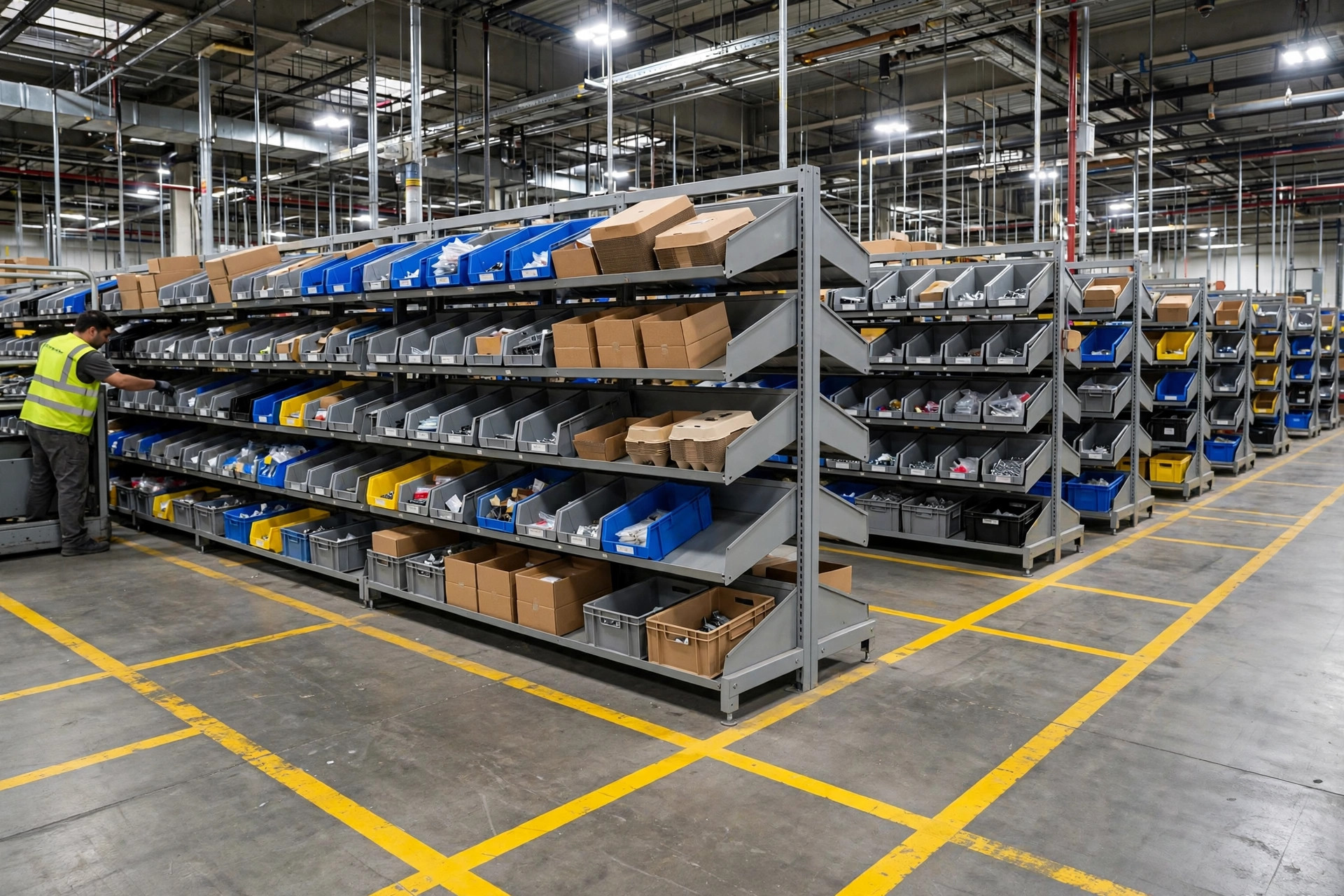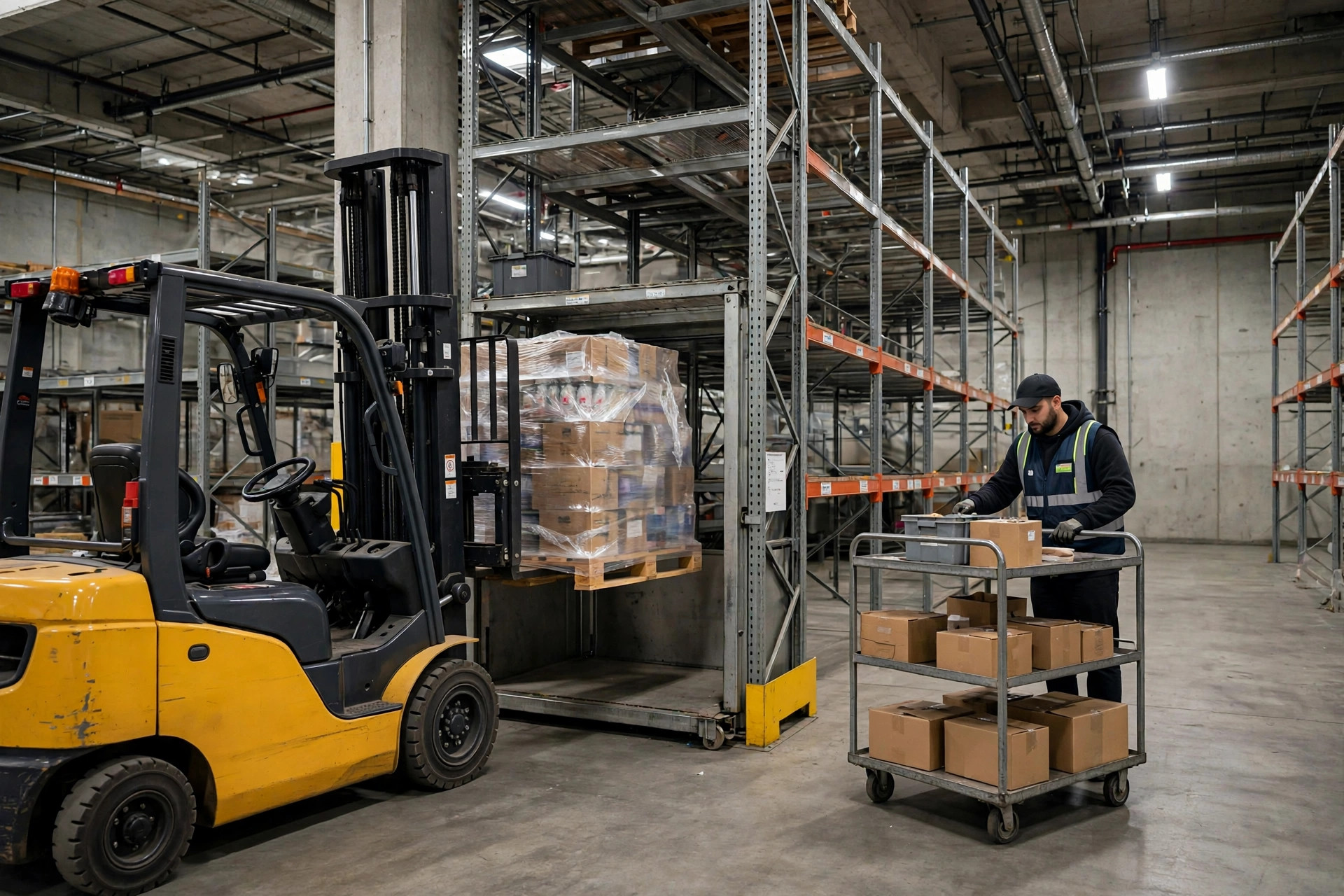
Let me tell you something. After all these years behind the wheel, I've delivered to more warehouses than I can count — a hundred, easy. And I don't even need to walk inside to know whether a warehouse runs its pick-zone replenishment well. Ten minutes at the dock tells me everything.
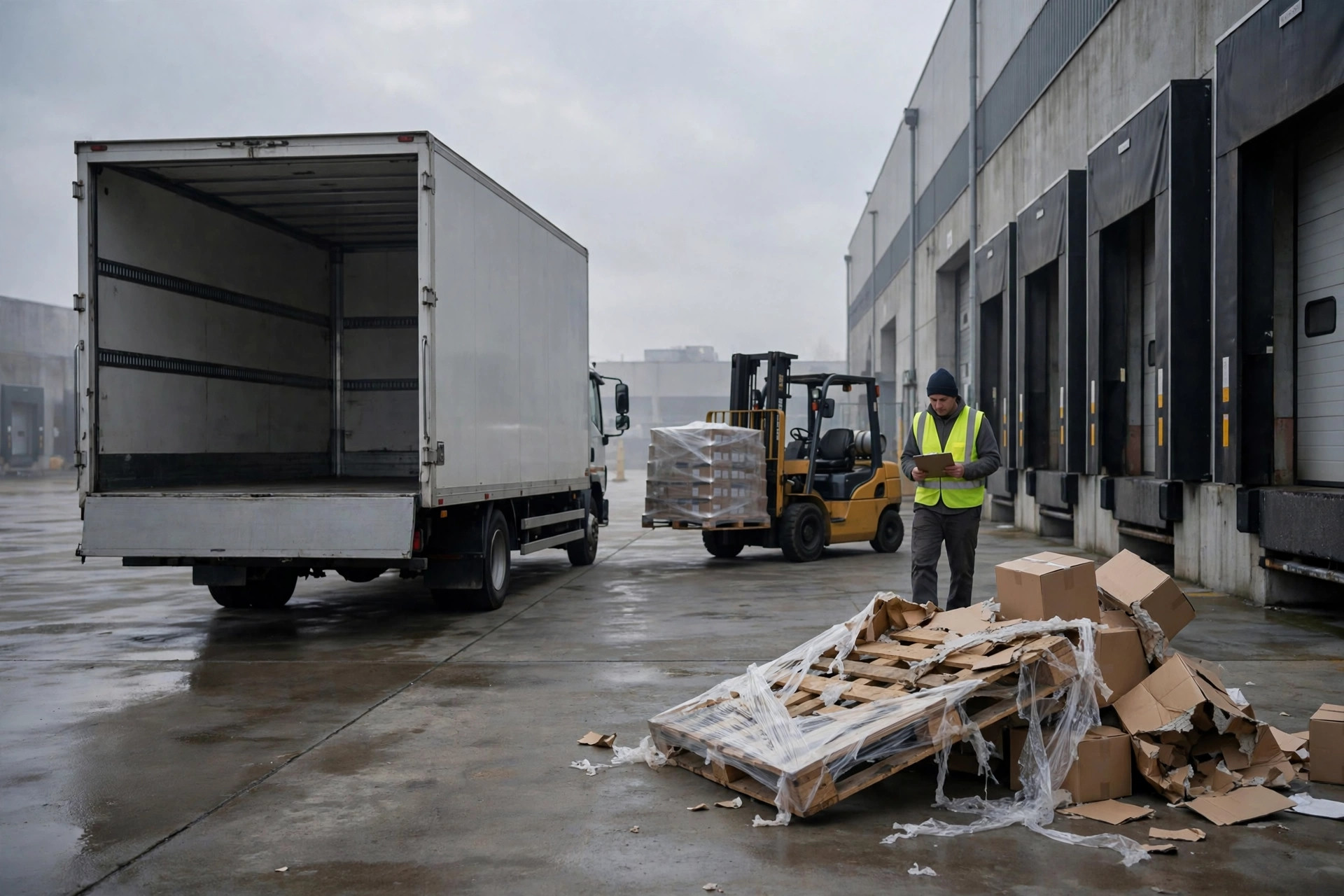
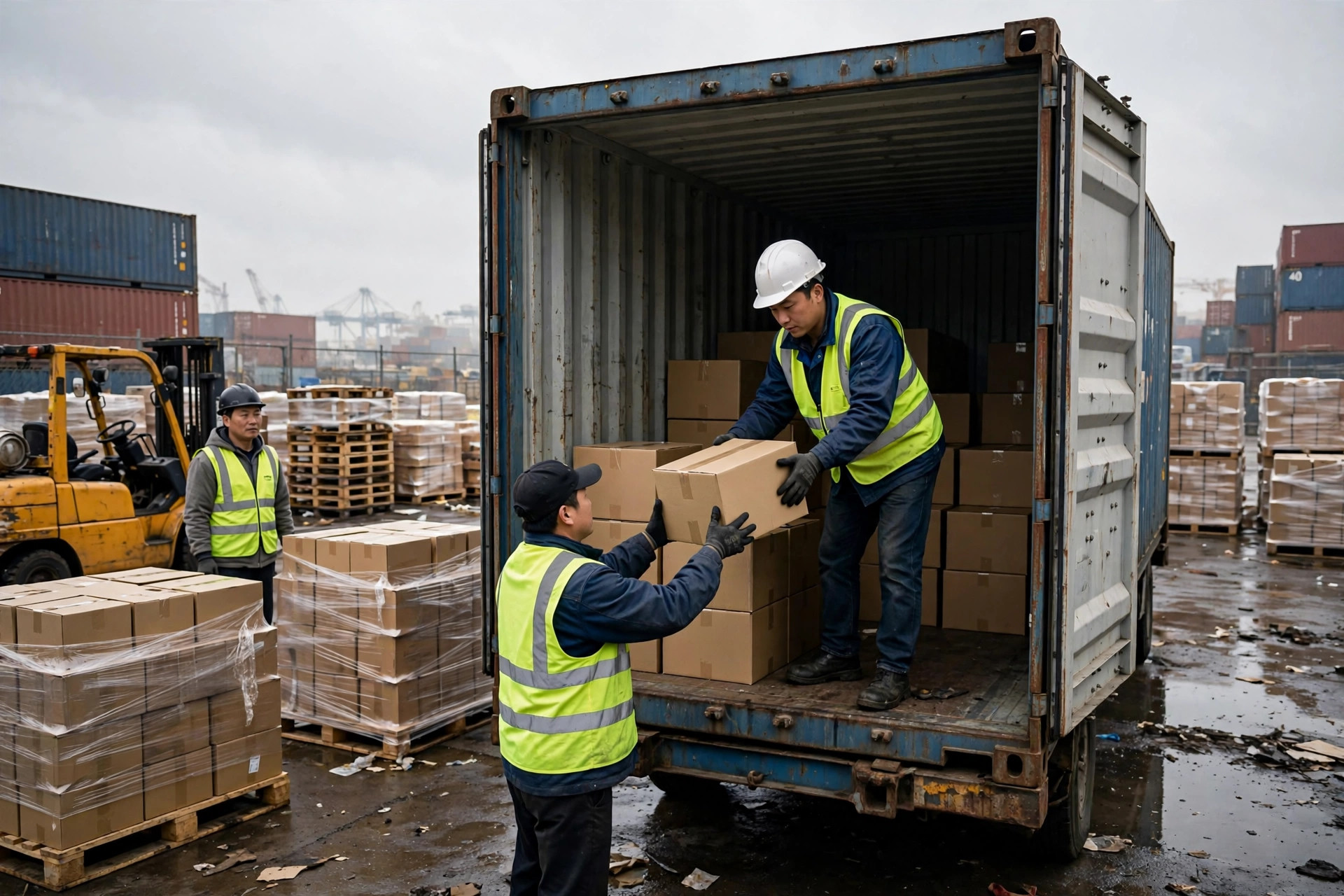
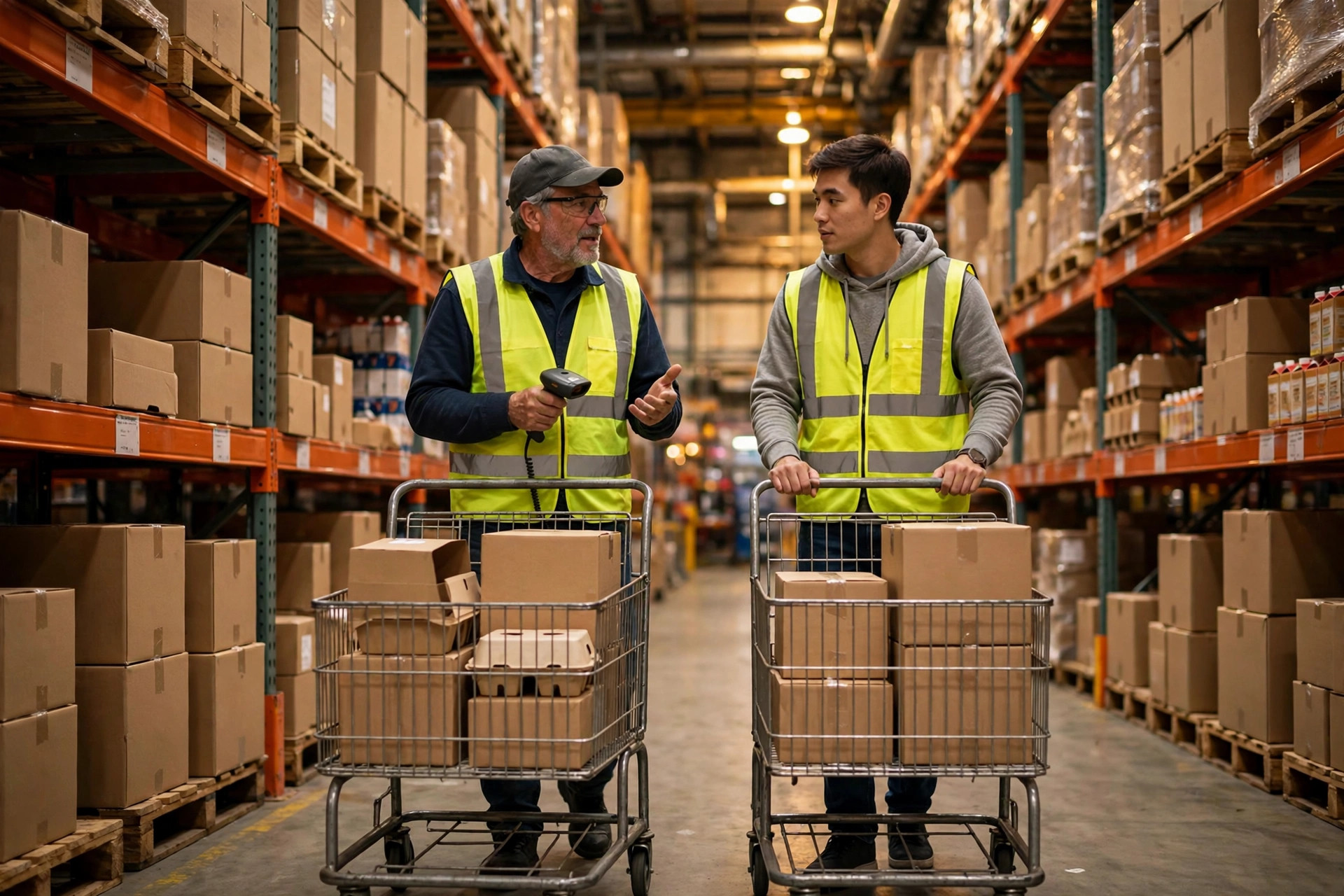
At a bad one, it goes like this: my truck pulls in, and the receiving clerk says, "Give us a bit, picking's not done." Half an hour goes by. The pickers stand in front of empty slots with their carts, scrolling their phones. The forklift driver is hauling pallets down an aisle while a picker pushes a cart straight at him, and they just glare at each other. Twenty, thirty minutes gone. My truck is sitting at the door, the next truck can't get in, and dispatch is blowing up my phone.
At a good one? My truck arrives, the paperwork's already printed, and the freight is staged and ready. Inside, the pickers never stop moving. All the replenishment happened during their water breaks and bathroom runs. Ten minutes at the dock tells me everything about a warehouse's pick zone replenishment — and whether it respects a driver's time.
You Can Spot Bad Replenishment From the Dock
Back in 2019, I was hauling out of a 3PL warehouse east of Los Angeles, maybe 60,000 square feet, doing small-parcel e-commerce. It was right after Black Friday, returns season. Dispatch said I'd be loaded by 2 PM. I showed up at two and didn't roll until 4:30. Why? A dozen hot SKUs were empty in the pick zone, and there were only two replenishment guys, hand-carrying cartons down from the high racks one load at a time. Pickers had nothing to pick. Packers had nothing to pack. The whole building was on pause, waiting on two guys.
I got to talking with their ops manager. He said it happened every single day — three, four times a day in peak season. Do the math: a picker at market wage, waiting 20 minutes, times a dozen pickers — that's hours of labor burned for nothing. But the bigger cost was my truck. Every extra hour a truck sits at the dock is a run the fleet doesn't make. Warehouses almost never count that, because the waiting cost is spread across a dozen people and nobody sees it on one line item.
Here's the counterintuitive part, and I'll put it up front: when the pick zone runs dry, it's usually not because the replenishment crew is lazy. It's because replenishment was never set up as a real, scheduled job in the first place. Plenty of warehouses treat it as a side task — something pickers do between picks, or something the forklift driver handles "when he gets a chance." No dedicated people, no fixed times, no fixed routes. And anything that's nobody's real job always gets bumped by something more urgent.
Replenishment Playbooks: Stage Ahead vs. Fill on Empty
The more warehouses I ran into, the clearer it got. The good ones all run one of two plays. I'll give them plain names:
One is "stage it ahead" — forward replenishment. Before the shift starts, or before each wave, the crew tops off every low pick slot based on a forecast. Say the big wave hits at 10 AM; at 8:30 the replenishment carts are already doing their rounds, filling everything that might run dry. Pickers start and basically never stop. The catch: somebody has to be good at forecasting. Forecast low and it's a wasted trip; forecast high and the pick slots overflow.
The other is "fill on empty" — kanban-triggered replenishment. A picker hits a slot down to the last carton or two, scans a code or hits a light, and the system fires a replenishment task that has to be done within a set window, say 15 minutes. The upside is precision — no overstocking. The downside is brutal: response time has to be fast, which means dedicated replenishment staff on standby and a dispatcher who keeps up.
Here's an honest comparison:
| Stage Ahead (forward) | Fill on Empty (kanban) | |
|---|---|---|
| Best for | Fixed waves, concentrated SKUs | Random orders, scattered SKUs |
| What it demands | Good forecasting; part-time crew OK | Dedicated crew, fast response |
| Biggest risk | Bad forecast = wasted trips | Slow response = pickers standing idle |
| Best I've seen | Zero picker waiting after start | Empty-slot response under 10 minutes |
Neither is always better — it depends on what your orders look like. I knew an auto-parts warehouse with tens of thousands of SKUs and messy, urgent orders. Forward staging was hopeless there; they ran kanban with three dedicated replenishment guys and it worked fine. Another one, a baby-products e-commerce outfit with a few dozen hero SKUs — forward staging, one pass, pickers never stopped all day.
And here's a trade-off most people get backwards: kanban sounds smarter, but it demands the most discipline from people. Pickers have to build the habit of reporting a low slot immediately. Report five minutes late and no replenishment crew on earth can save you. Forward staging sounds dumb, but it absorbs the uncertainty up front, and it's the friendliest option for the folks on the floor.
Replenishment vs. Picking: Who Owns the Aisle
One more real-world thing: replenishment and picking fighting over the same aisle. This is the "traffic accident" I see most from the dock.
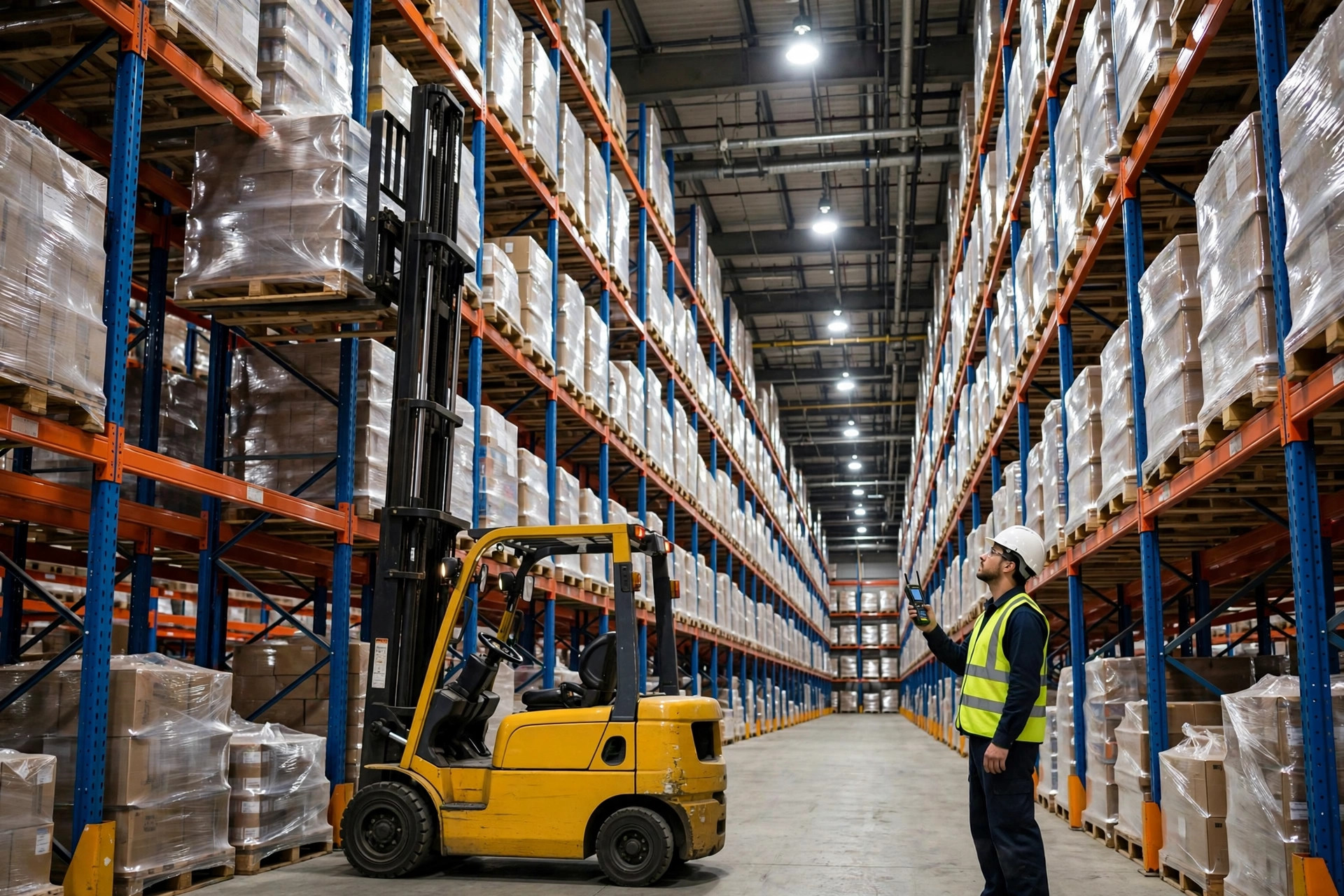
A forklift comes down the pick aisle with a full pallet. The aisle is only so wide. A picker is coming the other way with a cart. Who yields? Yield, and replenishment slows down. Don't yield, and a collision is no joke. The worst one I saw, replenishment peak and picking peak overlapped completely. Forklifts and carts played chicken in the aisles all day. One time a forklift clipped a picker's cart, freight went everywhere, and half the zone shut down for an hour.
How do the good ones solve it? Two words: separate the timing.
In 2021 I saw a textbook setup at an apparel warehouse in Ontario. They sliced the day into blocks: 7:00 to 8:30 AM, the pick zone was "closed" — replenishment carts only, no pick tasks, three crew running fixed routes through the whole zone. At 8:30 the pickers came in, the carts pulled back to staging, handling only urgent kanban tickets. Noon to 1 PM, pickers at lunch, carts went back in for a second sweep. Afternoons were urgent-ticket only. They also split the lanes physically: forklifts ran the outer loop, pickers ran the inner loop. They never met.
What's brilliant about it? It accepts a simple truth: replenishment and picking in the same space are mutually exclusive. Stop trying to have both at once — just separate them in time. Their ops manager told me picker waiting time dropped from about 40 minutes per person per day to under 10. I can't audit his numbers, but my own dock wait there went from roughly an hour to twenty minutes. That part I felt myself.
One more small trick: run the replenishment route against the pick heat map. Hot SKUs cluster in Zone A? Then the cart runs Zones B and C first, and saves A for the gaps between picks. A lot of warehouses never think of this — their carts drive straight into the most crowded area.
Three Plain-Spoken Takeaways for Warehouse Owners
After all these years on the road, it comes down to three things:
First, replenishment is a real job, not a side chore. Give it dedicated people, fixed times, and fixed routes. Put it on the schedule. Anything not on the schedule has no owner.
Second, every minute a picker waits for stock is money. Don't just count the replenishment crew's wages — count the whole line standing still. Over a month, the waiting usually costs more than hiring one more dedicated replenishment hand.
Third, separate the timing before you buy the software. Kanban systems, forecasting algorithms — none of it beats simply keeping replenishment hours and picking hours apart. Get the basics right and the system is icing. Get the basics wrong and the system just makes the chaos more expensive.
Next time you're in your own pick zone, skip the reports. Just stand there for half an hour. Watch whether any picker is waiting on stock. Watch whether the replenishment cart is fighting people for the aisle. That half hour will teach you more than a hundred pages of KPI reports.
By Shifu Zhao, Trucking Veteran (15 yrs)