Peru alpaca fiber export warehouse storage scares me for one reason: the fiber all looks soft and harmless until you cannot tell one lot from another. A shade off here, a mixed bag there, and the mill at the other end sends the whole lot back. A friend who sells apparel online heard my story and said it sounded nothing like selling clothes. He was right. Selling clothes is about style. Selling fiber is about bookkeeping, and if the warehouse books are a mess, everything downstream is a mess too.
I did not learn this in a classroom. I learned it by getting burned. My first alpaca fiber order felt simple on paper: receive it, store it, ship it. I stacked the first delivery in arrival order because I wanted to move fast, and I did not label colors carefully enough. The mill found dark short fibers mixed into two bags of light fawn, and the expected color result for the lot went out the window. I paid the freight, lost the time, and learned the lesson I now repeat to everyone on my team: never save steps inside the warehouse.
Receiving in Puno for Peru Alpaca Fiber Export: Inspect First, Put Away Second
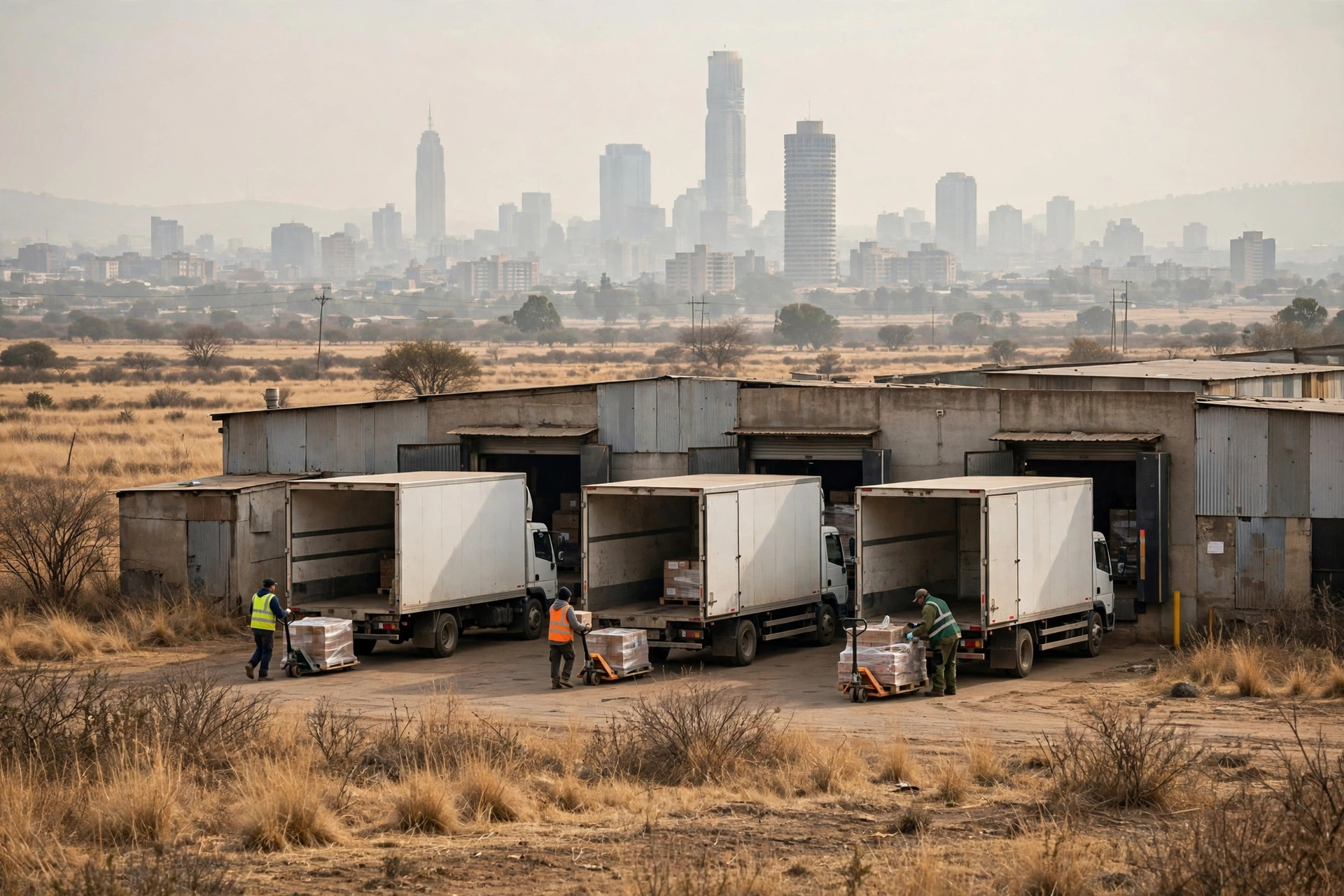
Puno sits high in the Andes, where the air is dry and fiber usually arrives in good shape. The risk is not the altitude. The risk is the handover. My rule is simple: the truck does not get fully unloaded until I have spot-checked it. We open a few bags, check color and staple length, sniff for any damp, musty smell, and match everything against the lot sheet. If the sheet does not say where the fiber came from or when it was shorn, I send the question back before the bags move. Guessing at intake is how untraceable inventory is born.
In May 2024, one truck carried fiber from three different herders, but the paperwork listed only a single combined name. If I had waved it through, I would never have been able to trace a problem back to its source. The driver waited half a day while we split the paperwork by herder, and only then did we unload. That delivery later moved through the mill without a single rejection. A slow morning at the dock bought me a clean month afterward.
One small habit matters more than it should: never pack light-colored fiber in dark woven bags. Dye and loose fibers shed, and a faint stain on pale fiber does not wash out. I now use light-colored inner liners, tie each bag twice, and stick a label on both the body and the neck of the bag. If one label falls off, the other one saves the lot. It looks fussy. It has saved me more than once.
Peru Alpaca Fiber Export Warehouse Storage and the Color Ledger: One Wrong Shade Spoils the Lot
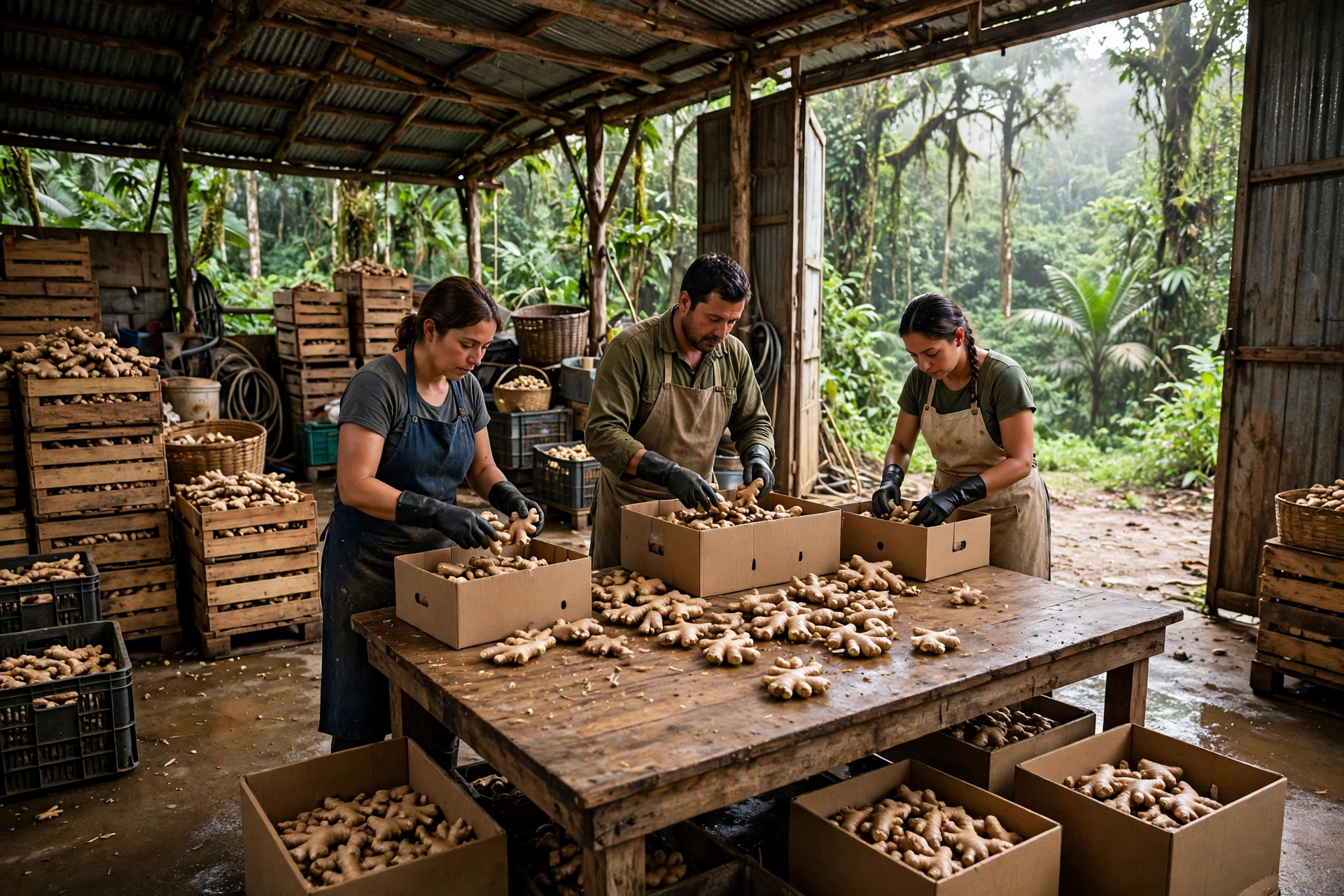
Alpaca fiber comes in a wide range of natural colors: white, cream, fawn, brown, grey, and black, with finer shades inside each family. My warehouse does not accept verbal color descriptions. "Sort of a light brown" means something different to every person who says it. We compare every incoming bag against a physical color card, then label it with the color code and lot number before it goes on a shelf.
Grading happens at the same time. Huacaya fiber is lofty and crimped. Suri fiber is sleek and drapes straight down. They feel different, behave differently in spinning, and must never share a shelf. A new worker once shelved two bags of Suri with the Huacaya stock because the colors looked close. We shipped them as Huacaya, and the mill caught the difference by hand feel alone. That order nearly collapsed. Now Huacaya and Suri get different colored labels, and I leave an empty slot between their racks so nobody can mix them up by accident.
Here is the counterintuitive part: I do not rush the palest fiber to the highest shelves. People assume high shelves are cleaner, but light and settled dust are harder to control up there, and pale fiber can yellow over time. I keep pale fiber at mid-height, away from direct light, and put darker fiber in the fast-turnover spots near the front. The layout follows color and turnover, not whichever shelf happens to be empty. New staff always question it. The rework numbers shut down the argument.
Stopping Cross-Contamination and Damp: Three Rules for Lot Control
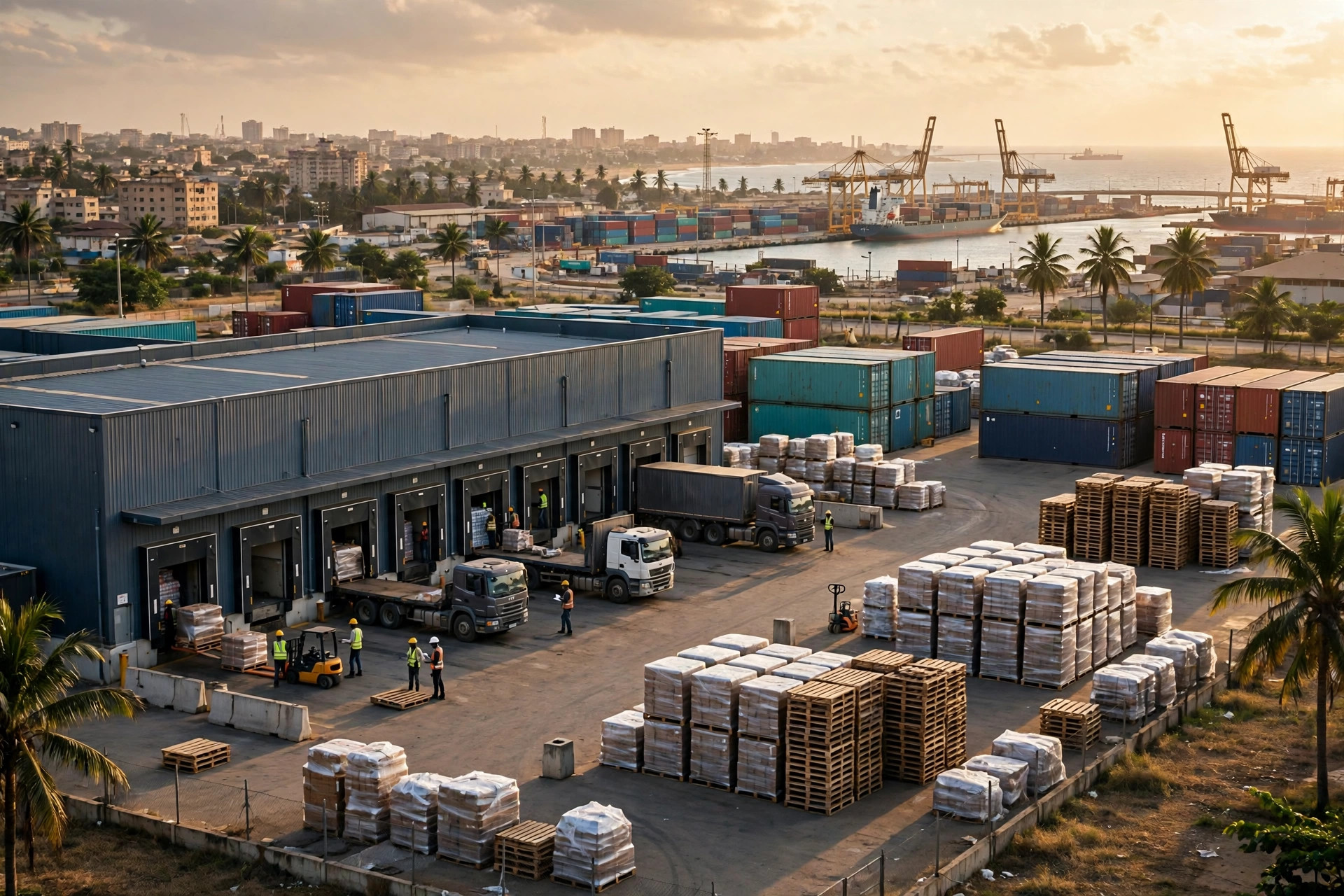
Fiber has two enemies in storage: cross-contamination and moisture. Contamination is handled by color separation and separate racks. Moisture is handled by watching the warehouse and rotating stock. Fiber that leaves Puno dry can still suffer in a humid coastal transit warehouse. I check humidity twice a day and run dehumidifiers before the air crosses my own limit, never after the fiber already smells damp. Damp fiber is not fixed by airing it out: once fibers clump, the yarn comes out uneven.
My lot control comes down to three rules, written on the wall where everyone can see them. Rule one is first in, first out: for any given color, the earliest lot ships first, no grabbing the fresh delivery because it is closer to the door. Rule two is one color, one zone: all bags of one color live in one zone, ordered by lot inside that zone, and nobody builds an outbound order by pulling from two zones. Rule three is a two-person outbound check: one person picks, another person verifies the color card and lot number, and both sign. A mistake caught at the door costs minutes. A mistake caught at the mill costs a customer.
| Approach | Finding a replacement lot | Typical delay I have seen |
|---|---|---|
| Mixed colors, mixed lots | Search three zones and re-check shades | About two days |
| Sorted by color and lot | Pull the next lot in the same zone | About half a day |
That table is my own operating experience, not an industry benchmark, but it explains why I defend the extra labor. Sorted storage looks more expensive on a timesheet. Mixed storage is more expensive once you count rework, emergency air freight for replacements, and lost trust. Skipping steps does not save money. It just moves the bill somewhere uglier.
Before Arequipa: Match the Buyer's Spec, Not My Habit
Arequipa is where many of Peru's mills are concentrated, and their inspectors are stricter than I am, which is a good thing. Before shipping, I do not just check my own intake sheet. I check the buyer's spec line by line: which color code, which length range, and how much short fiber, if any, is acceptable. Every buyer is different. The buyer's spec wins. My warehouse habit does not.
Early in 2025, a buyer wanted light fawn long fiber. I had two light fawn lots: one matched the color but ran slightly short, and the other had the length but sat half a shade darker. Blending them into one fast shipment would have been easy, and the mill would almost certainly have rejected it. I told the buyer exactly what each lot measured, the buyer chose the color-correct lot, and the shorter lot went to a later customer with a looser color tolerance. That order earned less on paper. The same buyer has ordered twice since, and that repeat business is worth far more than one rushed shipment.
Packing matters at this stage too. Bags for one buyer and one color travel together, separated from other colors by dividers, with no loose bags rolling around the truck. Each load carries a one-page lot list: color code, lot, bag count, and weight range. The mill's receiving team can spot-check against a single page instead of digging through a file. The simpler my paperwork, the faster they clear my fiber, and the faster I get paid.
Peru alpaca fiber export warehouse storage is not a contest for the biggest building. It is a contest for the cleanest records. Separate the colors, control the lots, keep the fiber dry, and check the buyer's spec before the truck leaves. Run that routine properly, and the fiber usually passes the mill on the first try. This one actually works — I tested it myself.
By Ah K, E-commerce Seller (5 yrs)