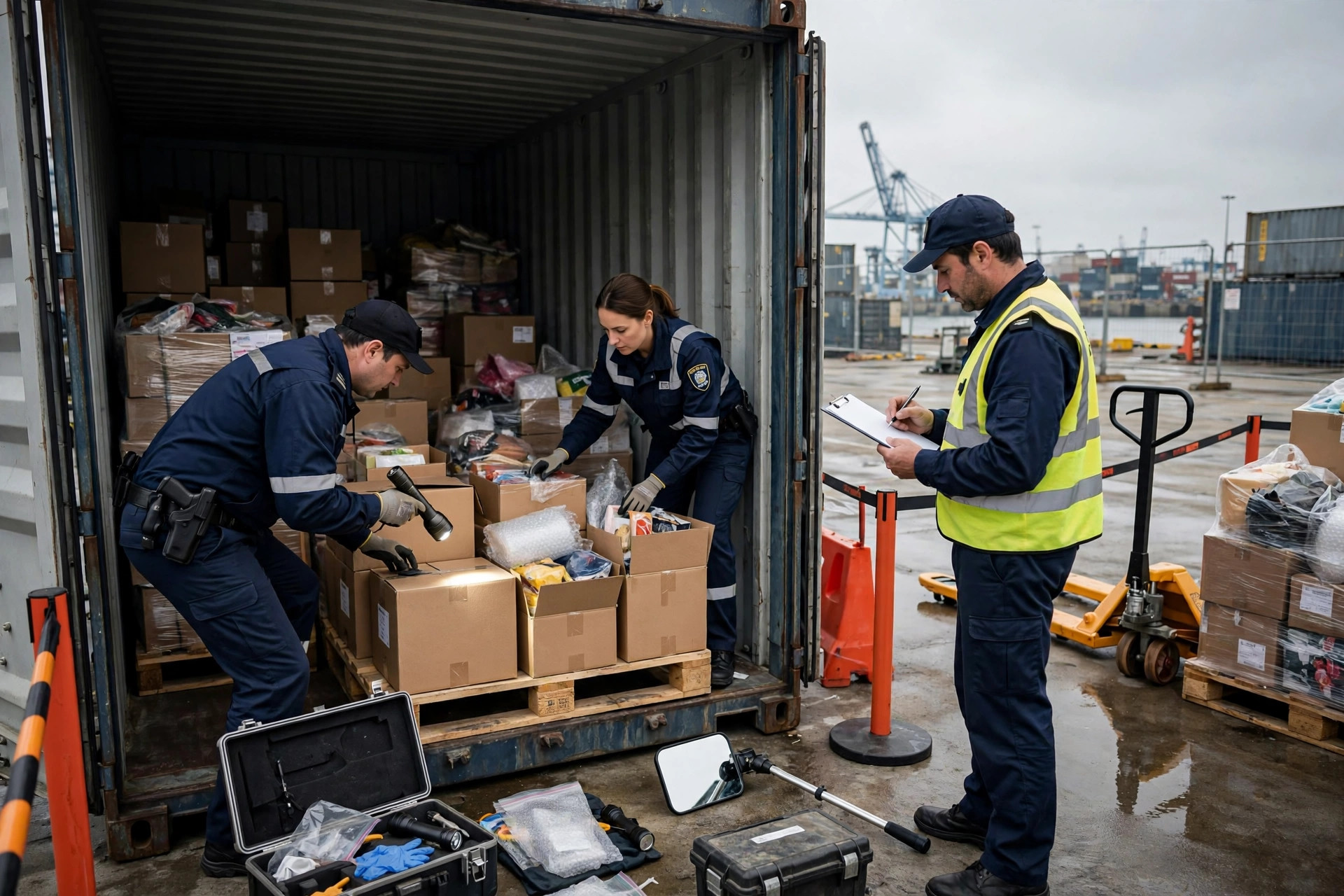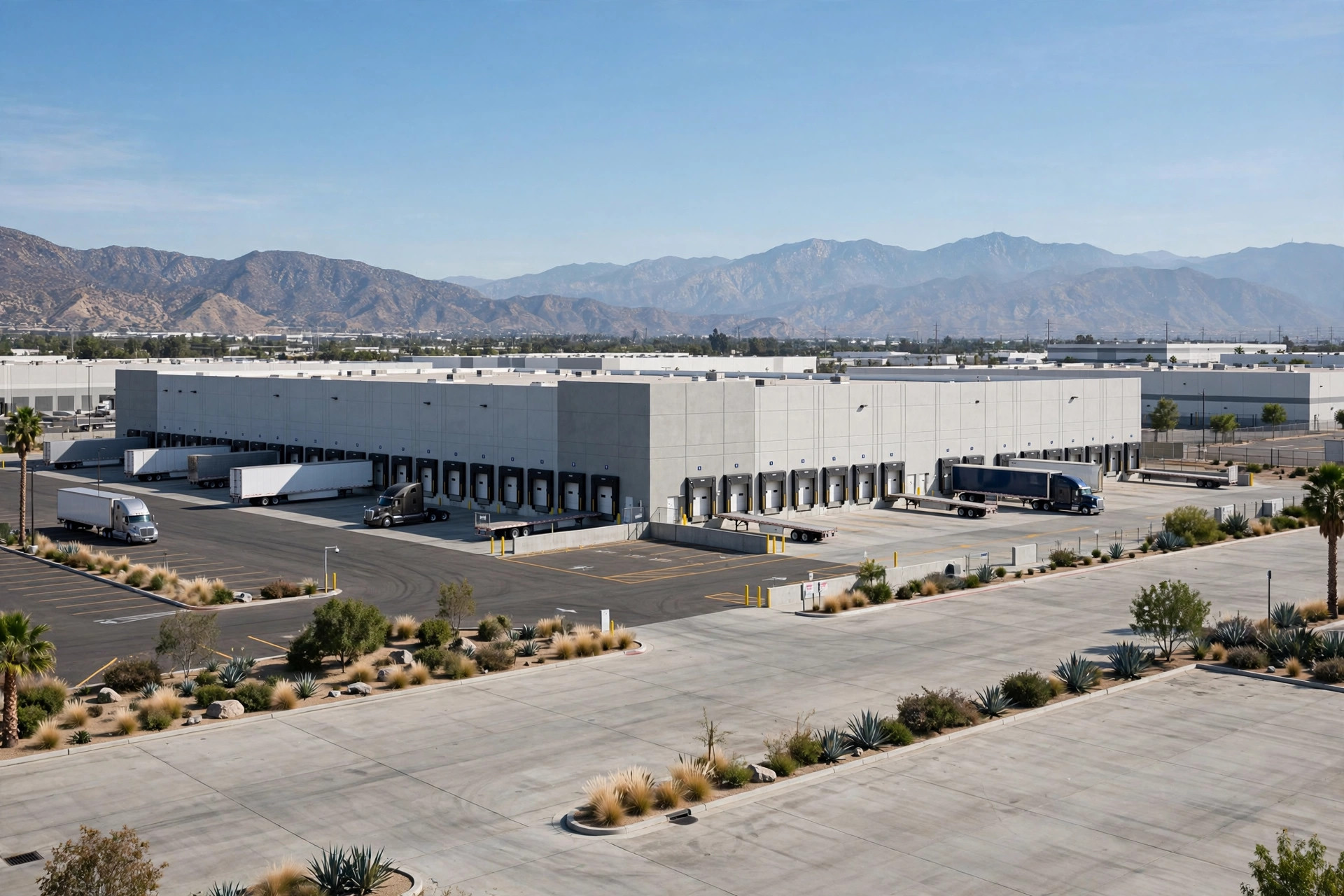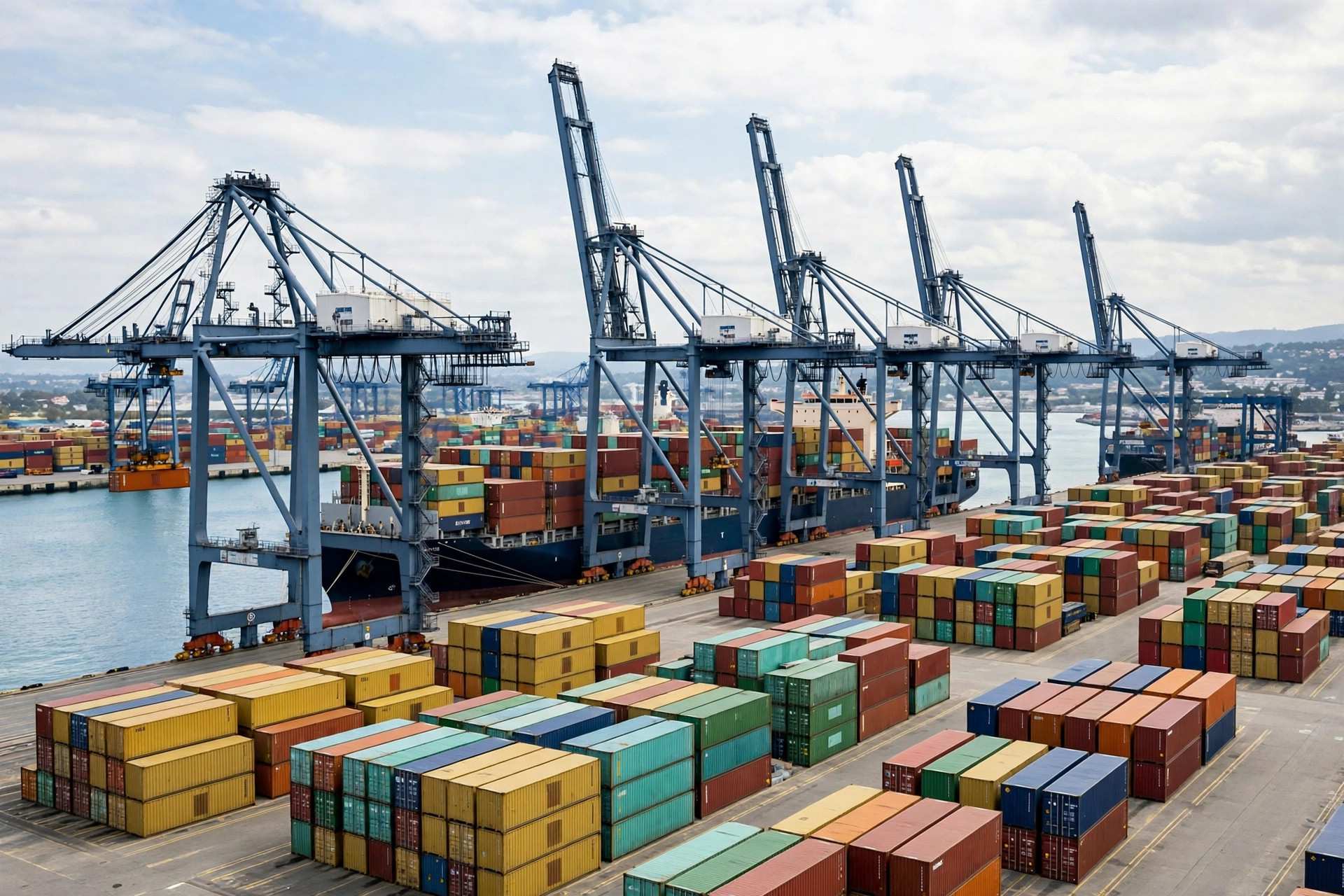
Here's my verdict up front: your first import into the US won't be killed by the duty rate. It'll be killed by paperwork. Back in 2023, I watched a small-appliance seller from Hangzhou land his first two containers at Long Beach — and discover, on arrival day, that he technically didn't exist in the eyes of US Customs. No EIN, no bond, no broker under contract. The boxes sat at the terminal for 12 days, demurrage burning a few hundred dollars per container per day. By the time the cargo cleared, clearance had cost more than the ocean freight.
This first time US importer compliance checklist exists so that doesn't happen to you. Get these four items right the first time, and every shipment after is routine. Get them wrong, and you pay in real money.
EIN: Your Import ID, Free but Not Trivial
The EIN (Employer Identification Number) is how US Customs knows who you are. Every first-time importer starts here: free application on the IRS website, available to foreign companies too, zero cost.
Two sides to this, though. The EIN itself is the easiest step on the list — but you need it weeks before your cargo loads. I've seen too many people start the application after the vessel has sailed, then scramble, or let the broker file under the broker's own number. That hands control to someone else and parks the import history under their name, not yours.
One more thing rookies miss: after the EIN comes CBP Form 5106, the importer ID registration. Skip it and the broker will tell you, with the cargo already at the port, "Customs has no record of you."
The Mistake I'll Never Forget: An ISF Filed 36 Hours Late
ISF — the Importer Security Filing, the so-called 10+2 — is a hard CBP rule: 10 data elements must reach Customs at least 24 hours before the vessel loads at the foreign port. Not before arrival. Before loading.
In 2019, at a 3PL warehouse in Ontario, I watched a lighting seller from Shenzhen learn this the expensive way. His broker never got the packing list from the factory in time. The vessel left Shanghai; the ISF went in 36 hours late. Two months later, the CBP penalty notice arrived: $5,000 for a single violation.
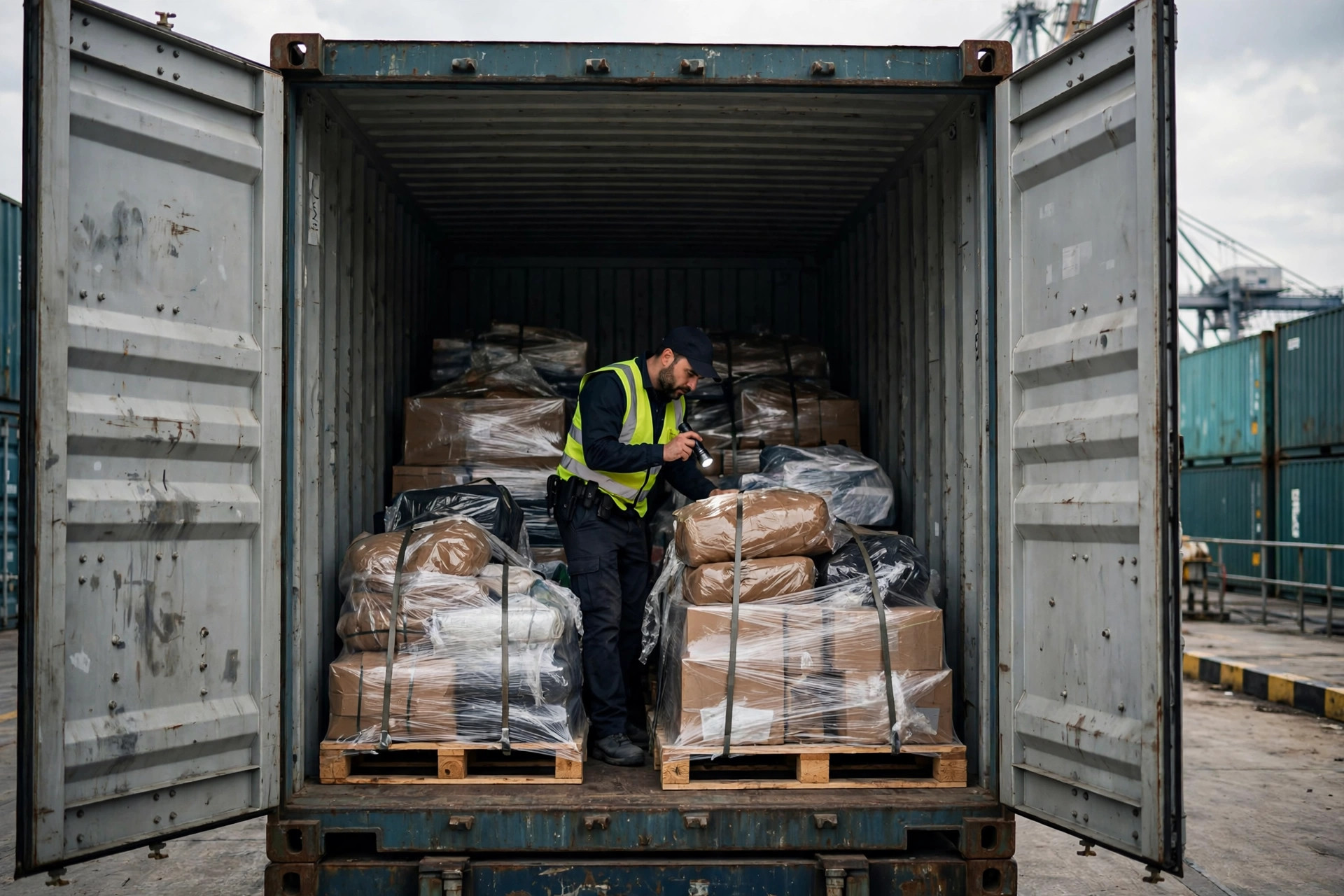
Here's the thing about ISF: it's the only compliance item on this checklist that has nothing to do with your cargo and everything to do with the clock. Cargo value, duty owed — none of it matters. Miss the timeline, pay the fine. It's one of three items I'd mark in red for every first-time importer (the other two: the bond and PGA filings, covered below).
The rookie error is treating ISF as "the broker's problem." Legally, the ISF importer of record is you, not the broker. The penalty lands on your desk. So own the data chain yourself: who supplies the packing list, the cutoff time, who files, and when. Put it in writing with your broker.
Do the Math: Single Entry Bond vs. Continuous Bond
An import bond is the financial guarantee Customs requires — your promise that duties get paid and rules get followed. No bond, no entry into the United States. First-timers pick between two:
| Single Entry Bond | Continuous Bond | |
|---|---|---|
| Best for | One or two trial shipments a year | Three-plus shipments a year |
| Cost | Percentage of cargo value, minimums in the low hundreds | A few hundred dollars flat per year |
| Coverage | Tied to one shipment's value | Typically $50,000 and up |
| Hassle | Bought fresh every shipment | Bought once, covers the year |
| ISF coverage | Arranged per shipment | Included |
Two sides again. For a single test shipment, the single-entry bond is cheaper, full stop. But the moment you plan four or more shipments a year, the continuous bond wins on math alone. I've watched sellers buy single-entry bonds for shipment one, then shipment two, then do the arithmetic at shipment three and realize three singles already cost more than a year of continuous coverage.
There's also a hidden difference: ISF filings need bond coverage too. Without a continuous bond, you're arranging ISF bond coverage shipment by shipment — one more handoff, one more chance for something to slip. And as the $5,000 penalty above shows, ISF slip-ups are priced accordingly.
(Bond premiums move with the market — treat any number as a snapshot and confirm current quotes.)
POA: Read It Before You Sign It
The POA — Power of Attorney — authorizes your broker to transact with Customs on your behalf. Without it, your broker can't touch your cargo.
Two rookie mistakes:
First, treating the POA as "just a signature." It's a standard form, yes — but the broker you sign it with is the party you're trusting with your compliance. Pick the wrong broker and a fast POA just speeds up the wrong outcome.
Second, signing it and going hands-off. After the POA takes effect, your broker's filing errors hit your importer number first, not his. A stained record means every future shipment risks intensive examination.
I've seen too many people hunting for a broker and rushing a POA while their cargo is already on the water. Flip the order: before the vessel loads, broker selected, POA signed, bond purchased, and the ISF data chain (who provides the packing list, who files) agreed. That sequence is the difference between being an importer and being a firefighter.
The Counterintuitive Truth: Duties Are Not What Kills First-Timers
Most first-time importers spend 80% of their energy researching HS codes and duty rates. Bluntly: get the duty wrong and CBP sends a bill — you pay it, maybe with interest, and move on. But a late ISF, a missing bond, an unsigned POA — those leave your cargo physically stuck at the terminal, with demurrage burning by the day.
Duties are a "pay more" problem. Documentation is a "cargo doesn't move" problem. The price tags differ by an order of magnitude. On any first time US importer compliance checklist, priority one is always: make the cargo admissible first, optimize the duty second.
Two Sides: File It Yourself or Hire a Broker?
CBP lets importers file through the ACE portal themselves, saving the $100–$200 per-entry broker fee. But I watched an Amazon seller learn the real price of that savings: his first self-filed entry missed the FDA PGA filing (his product had Bluetooth — FCC applied too). Nine extra days at Long Beach. The rescue broker cost him triple the normal fee.
PGA — Participating Government Agencies — is the most underestimated line on this checklist. Food touches FDA, wireless touches FCC, wood packaging touches agricultural inspection. Whether your product triggers a PGA decides how many extra documents you need. If you don't know, ask your broker — that's what you're paying him for.
My advice: use a broker for your first five entries. Treat him as your compliance coach — watch how he files ISF, how he classifies, how he handles PGAs. Consider self-filing at entry six. That tuition is worth it.
Your Timeline: Work Backward From the Vessel
Putting it all in order, here's how a first import should run:
- 4 weeks before loading: Apply for the EIN (free). Start shopping for a broker — get quotes and service lists. Determine whether your product triggers any PGA (FDA, FCC, etc.).
- 2 weeks before loading: Lock in the broker, sign the POA. Buy the bond (single vs. continuous, per the math above). Complete CBP Form 5106.
- 1 week before loading: Align the ISF data chain across factory, forwarder, and broker: who supplies the packing list, the cutoff, who files.
- 24 hours before loading: Confirm the ISF is filed. Memorize this deadline — missing it starts at a $5,000 lesson.
- After arrival: Broker files entry and releases cargo; confirm duties are paid and documents are complete before pickup.
That's the whole first time US importer compliance checklist. Before the vessel loads: EIN, POA, bond, ISF — all four done.
So tell me: has your cargo loaded yet?
By Lao Mi, Supply Chain Veteran (20 yrs)