Consider a consolidated container holding two kinds of product at once. Block butter stacks neatly and tolerates stacking well, while tub butter is more vulnerable to pressure and tilting, and a single stacking rule applied to both may look efficient on the loading plan while quietly transferring risk into the same steel box. If the load shifts in transit, a dented block can be explained; a compromised tub seal raises a question about the whole consignment. Consider a second, quieter failure. A batch enters the warehouse with comfortable remaining shelf life, but dispatch does not follow batch sequence, so an earlier batch leaves later than it should. By the time it reaches the destination market, the remaining life is too short for the buyer's distribution cycle. Nothing has spoiled, yet the transaction has become difficult to defend. Both cases illustrate the same structural point: in butter exports, the warehouse ledger matters as much as the product itself.
Denmark butter export warehouse storage starts with the buyer's specification
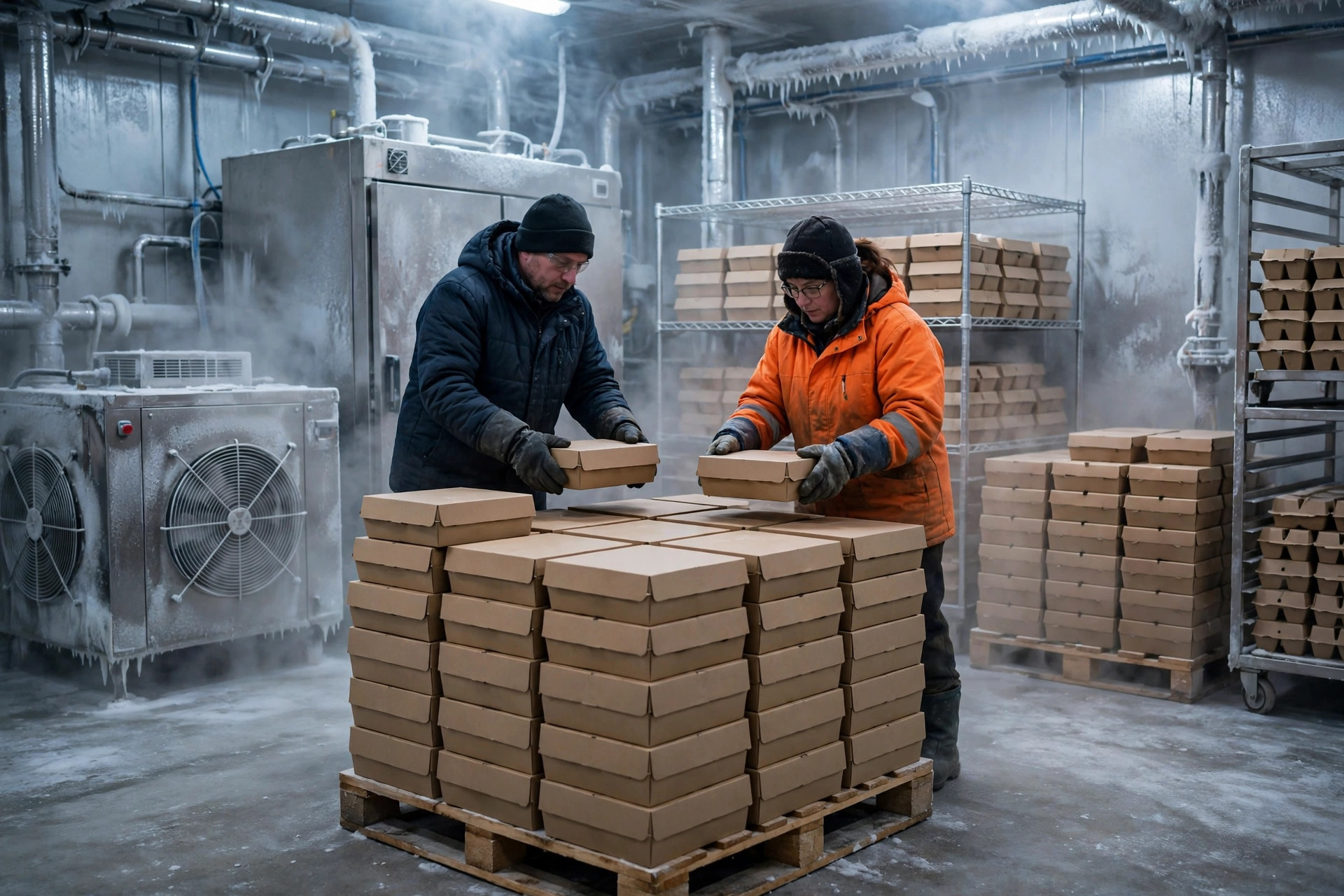
The most common misunderstanding in butter cold storage is that colder is always safer. According to the practical logic of export operations, the correct temperature interval is the one specified by the buyer, not the one a warehouse happens to prefer. Different buyers set different expectations for storage, transport, and arrival inspection, and a warehouse that applies one fixed habit to every order risks failing an inspection for reasons that have nothing to do with product quality. A more defensible routine is to write the buyer's specification into the warehouse instruction, verify it at inbound receipt, and verify it again at outbound dispatch, so temperature management becomes a checkable record rather than a matter of habit.
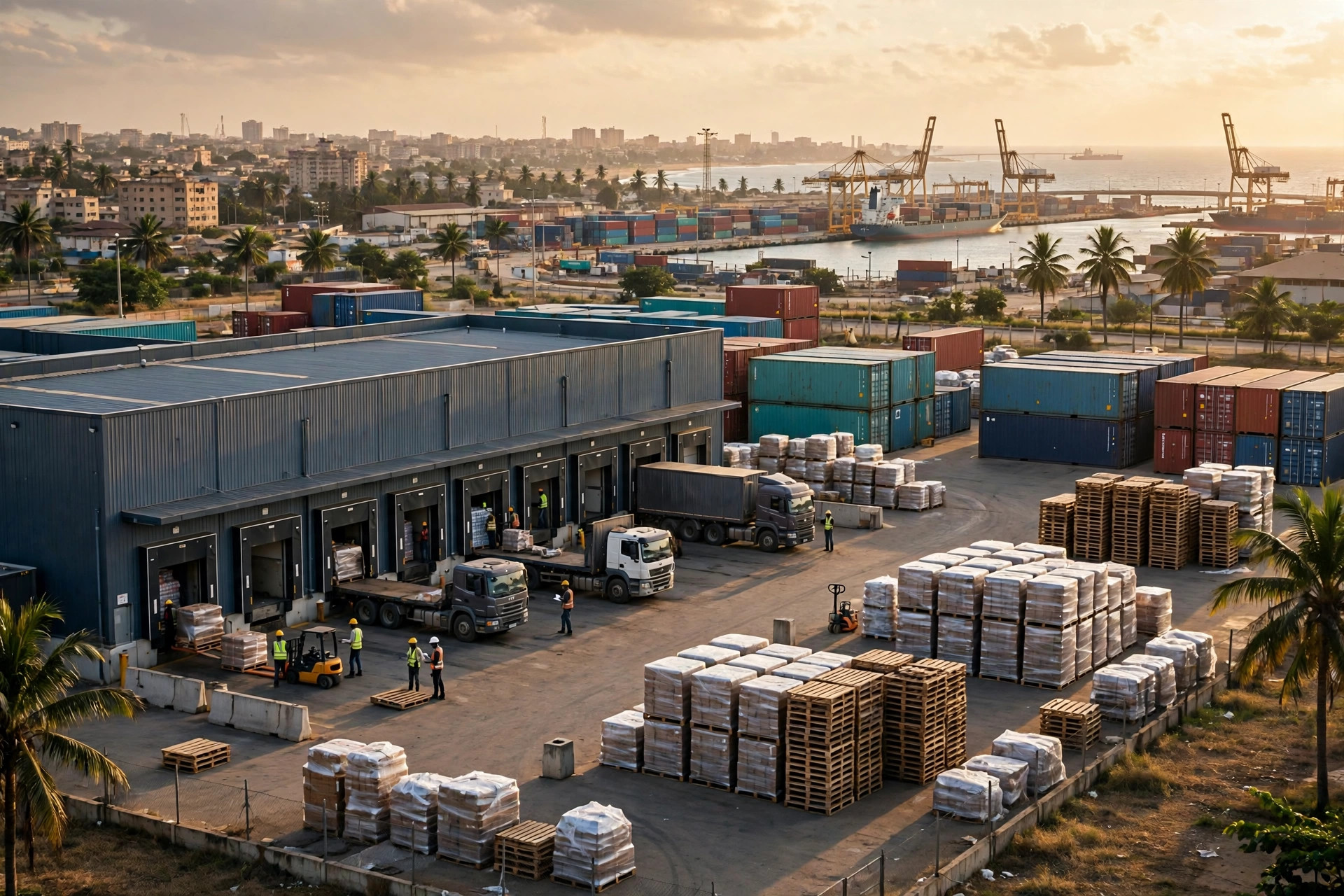
The counterintuitive finding is that the most fragile moment is often not the ocean leg but the loading window on the warehouse dock. A reefer container is in position, its doors are open, and forklifts are moving back and forth while product waits between the cold store and the container. If nobody is timing that exposure, the temperature logger will show a fluctuation that is hard to explain later, and that fluctuation becomes the centre of any complaint. The remedy is operational discipline rather than new equipment: stage the full load in a chilled marshalling area before loading, sequence pallets by container, limit the number of times the doors stand open, and confirm that the logger is running as soon as the doors close. Managing handover time as a cost is far cheaper than defending a broken temperature curve after arrival.
Blocks, tubs, and retail packs: three warehousing trade-offs
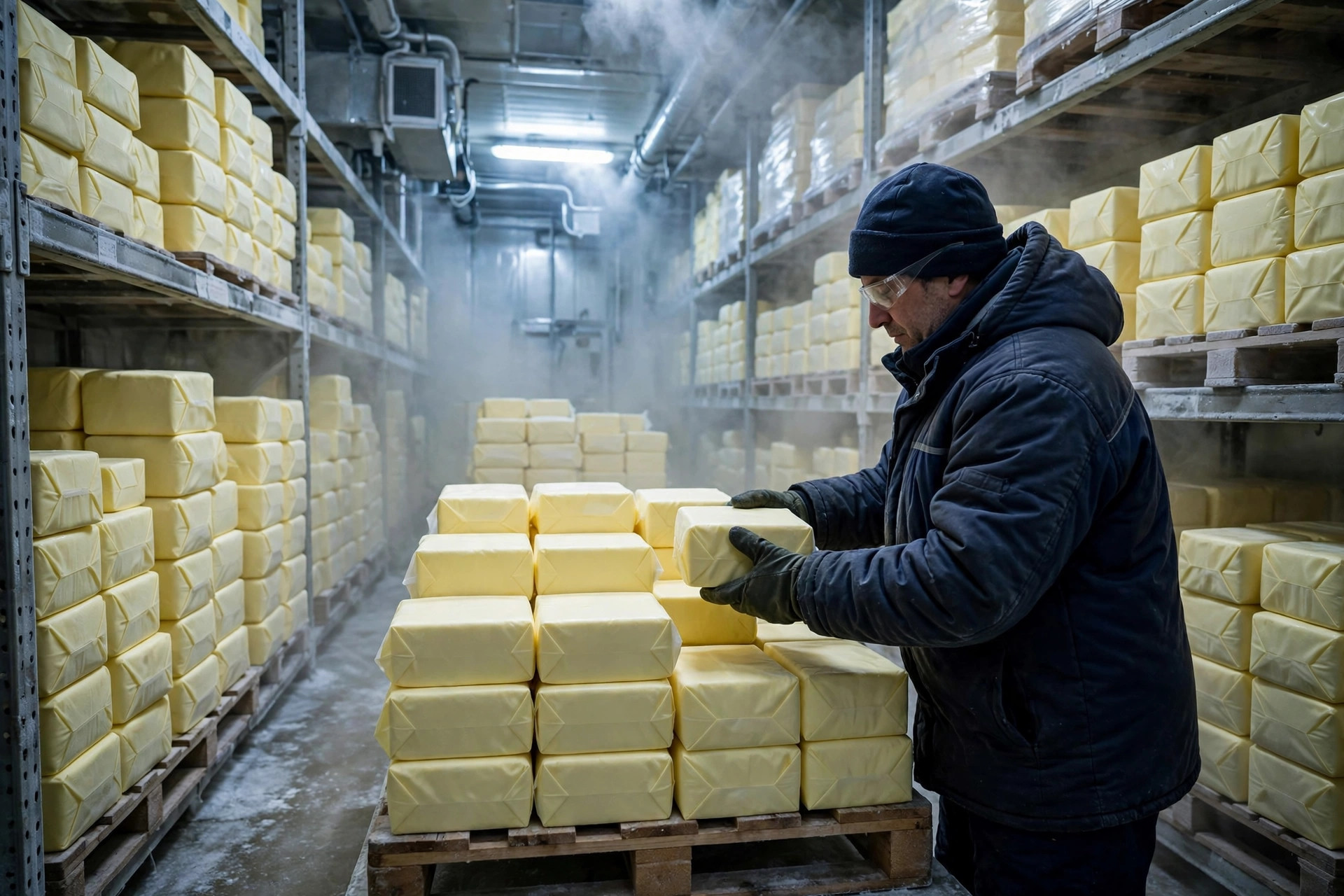
Block butter offers stable stacking, straightforward counting, and predictable handling, which suits large standard export orders. Its limitation is flexibility: a buyer who needs small retail sizes must process it again at destination. Tub butter suits food service and processing buyers who want product ready to use, but warehousing must pay close attention to pressure, tilting, and seal integrity, and stacking height should reflect the real behaviour of the tub, not only its nominal load rating. Retail packs sit closest to the end market, yet they multiply the number of stock keeping units in the warehouse, which makes picking and shelf-life control materially more complex and increases the chance that small lots from different batches end up mixed in one shipment.
| Format | Warehousing advantage | Main risk | Best export use |
|---|---|---|---|
| Blocks | Stable stacking, easy counting | Further processing needed at destination | Large standard orders |
| Tubs | Ready for food service use | Pressure, tilting, seal integrity | Catering and processing buyers |
| Retail packs | Close to the end market | Many SKUs, complex batch control | Retail and small-size orders |
Cost comparison should follow the same whole-container logic. The total cost of a container can be framed as cold storage charges plus handling and loading charges plus the allocated share of consolidated transport plus temperature monitoring and inspection charges plus a provision for damage and complaint risk. Blocks keep handling costs low. Retail packs push them up. Tubs may reduce the loadable quantity per container when stacking is constrained, which raises the transport cost allocated to each unit. Only when these items sit in one table does the apparently cheapest format reveal its true price, and only then can a warehouse explain to a buyer why a slightly higher handling cost may still be the cheaper outcome overall.
Shelf life, batches, and the evidence chain in Denmark butter export warehouse storage
Shelf-life management tests warehouse discipline because the commercial value of butter does not decline evenly. While remaining life is ample, everything looks normal; once it approaches the threshold a buyer can accept for onward distribution, negotiating power changes quickly. The working rule should be batch-based dispatch: record the production batch and expiry at inbound, dispatch earlier-expiry batches ahead of later ones, and preserve an outbound record that cannot be quietly rewritten afterwards. The finer the batch record, the easier a complaint becomes to resolve, because every carton can be traced to its inbound date, storage location, outbound container, and temperature history.
Consolidation adds a second discipline. Grouping small orders from different buyers into one container spreads cold-chain transport cost, but it only works when the grouped orders can share a container without compromise. If one order carries a materially different temperature specification, a much shorter remaining shelf life, or a packaging format that cannot bear the same stacking pattern, forcing it into the same container either penalises the strictest order or exposes the most tolerant one to unnecessary risk. A pre-dispatch compatibility check covering temperature specification, remaining shelf life, and packaging load should therefore be a standard step, not an optional one, because it is far less expensive than allocating responsibility at the destination port.
The Danish dairy cooperative model offers a useful industry observation for warehousing, stated without reference to any particular enterprise. When farms, processing, and export operate within a long-standing cooperative relationship, the warehouse tends to receive fuller information earlier: production plans, inventory levels, and shipping rhythms can be coordinated in advance, and seasonal peaks and troughs can be smoothed through agreed dispatch schedules. The lesson is not about a specific organisational form. It is that warehousing performs better when it stops being a passive receiving point and becomes a node that receives production and order information early. The earlier information reaches the warehouse, the wider the choice becomes in consolidation, shelf-life sequencing, and temperature management.
Damage and complaint handling then rest on an evidence chain with four parts: the complete temperature logger curve, photographs taken before and after loading, batch and expiry records, and signed handover documents. All four must be created at the time of dispatch, not reconstructed after a complaint arrives. Many disputes turn less on whether the product itself was defective than on which party can produce a continuous record. A gap in the temperature curve invites suspicion about what happened during the gap, while scattered photographs and verbal assurances rarely persuade a buyer to accept a full consignment. Treating the evidence chain as a standard operating step, rather than a post-incident repair, marks the boundary between experience-based warehousing and professional export warehousing.
The open question that remains is where the next investment should go. Buyer requirements for temperature, shelf life, and evidence are tightening, while consolidated, small-lot, and multi-format orders are becoming more common. Should a warehouse invest mainly in larger cold-store floor area, or in finer batch systems, stricter handover discipline, and a more complete evidence chain? Floor area solves the problem of fitting product in. The other investments solve the problems of selling it, defending it, and losing less of it, and in export markets the weight of that second set of problems appears to be growing.
By Dr. Chen, Supply Chain Researcher